The Elementals
 74
74

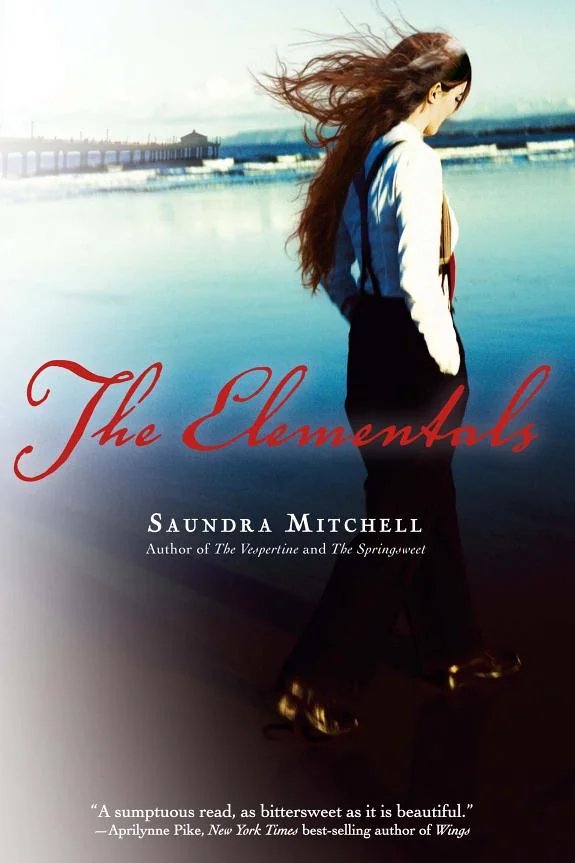
The Elementals
Saundra Mitchell’s "The Elementals" presents a compelling dual narrative that effectively captures the nascent energy of Hollywood in 1917. The strength of the novel lies in its vivid portrayal of Kate Witherspoon’s fierce determination to break into directing, a profession almost entirely male-dominated at the time. Mitchell avoids sentimentality, grounding Kate’s ambition in tangible efforts and the era's specific industry challenges. Julian Birch’s story, while equally focused on overcoming personal obstacles, occasionally feels less integrated into the central narrative arc of the film world. His struggle with polio is handled with sensitivity, but his connection to Kate’s world, while present, could perhaps have been more dynamically interwoven earlier on. A particularly striking passage details the technical limitations and creative solutions employed by early filmmakers, illuminating the sheer ingenuity required. Despite this minor imbalance, the book offers a fascinating glimpse into a transformative period for both cinema and individual aspiration.
📝 Description
74
Saundra Mitchell's The Elementals is set in 1917 Los Angeles, following two young people chasing dreams in the early film industry.
The Elementals is a historical novel set in 1917, focusing on Kate Witherspoon and Julian Birch. Kate, from a bohemian upbringing, dreams of becoming a film director, a rare ambition for a woman in early cinema. Julian, a farm boy from the Midwest, faces the physical challenges of polio but possesses a strong spirit for adventure. Their individual paths lead them to Los Angeles, a city then rapidly becoming the center of dreams and innovation in filmmaking.
The novel appeals to readers interested in early 20th-century American history, particularly the growth of the film industry. It is for those who enjoy stories about overcoming adversity and pursuing unconventional careers. Readers who appreciate historical fiction that examines artistic ambition, personal struggles, and the unique atmosphere of a specific time and place will find the book engaging. The narrative is set against the backdrop of World War I and the consolidation of the American motion picture industry in Southern California.
While presented as historical fiction, The Elementals touches on themes of self-determination and the pursuit of unconventional paths, resonating with esoteric traditions that emphasize individual will and the shaping of one's own reality. The narrative's focus on characters forging their own destinies against societal expectations and personal challenges aligns with philosophies that explore the power of intention and the creation of personal mythos. The setting of early Hollywood, a place built on aspiration and the manifestation of dreams, serves as a backdrop for these internal struggles and the characters' efforts to actualize their visions.
💡 Why Read This Book?
• Gain insight into the early days of the Hollywood film industry, specifically the challenges and opportunities present in 1917. Understand the technological and artistic landscape that shaped early cinema. • Explore the theme of overcoming personal limitations, as exemplified by Julian Birch's journey despite his childhood bout with polio. Witness resilience in the face of physical adversity. • Understand the ambition of women in a male-dominated field through Kate Witherspoon's pursuit of becoming a film director. Appreciate the drive required to forge a new path in a burgeoning industry.
⭐ Reader Reviews
Honest opinions from readers who have explored this book.
❓ Frequently Asked Questions
What was the cultural impact of the motion picture industry in 1917?
In 1917, the motion picture industry was rapidly evolving into a dominant form of entertainment, transforming Los Angeles into a global hub for filmmaking. This new art form offered escapism and cultural commentary, influencing fashion, social norms, and public discourse.
How does "The Elementals" portray the challenges of filmmaking in its early days?
The book illustrates the technical limitations and the sheer manual labor involved in early filmmaking. Characters face issues with equipment, lighting, and editing, highlighting the experimental nature of the craft before widespread standardization.
What role does disability play in the narrative of Julian Birch?
Julian Birch's experience with polio, which left him with a physical disability, is central to his character arc. The novel depicts his refusal to be defined by his condition, emphasizing his pursuit of adventure and self-discovery.
Are there specific artistic movements influencing the book's setting?
While not explicitly stated as a focus, the era saw the rise of various artistic movements influencing visual culture. The book's setting in the burgeoning film industry reflects a broader cultural shift towards new media and expressive forms.
What makes Los Angeles a significant setting in "The Elementals"?
Los Angeles in 1917 represented the frontier of opportunity, particularly for the burgeoning film industry. It was a magnet for aspiring artists and entrepreneurs, promising fame and fortune to those who could capture the magic of the moving image.
What does the title "The Elementals" refer to in the context of the book?
The title likely refers to the fundamental forces and foundational elements that shape human lives and aspirations, such as ambition, resilience, and the drive to create. It can also allude to the elemental nature of early cinema.
🔮 Key Themes & Symbolism
The Dawn of Cinema
The novel vividly captures the chaotic, inventive spirit of Hollywood in 1917, a period when filmmaking was transitioning from novelty to a major industry. It highlights the raw ambition of early directors like Kate Witherspoon and the technical hurdles they faced. The narrative immerses readers in the world of silent film production, showcasing the blend of artistic vision and rudimentary technology that defined this formative era. It’s a look at the very elemental forces shaping a new art form.
Ambition and Aspiration
Central to "The Elementals" is the powerful drive of its protagonists, Kate Witherspoon and Julian Birch. Kate’s ambition to become a film director in a male-dominated field showcases her tenacity. Julian, grappling with the physical limitations imposed by polio, channels his inherent wanderlust into a quest for personal fulfillment. Their journeys highlight the universal human desire to achieve, create, and define oneself beyond imposed boundaries.
Overcoming Adversity
The book powerfully illustrates the theme of resilience. Julian Birch’s struggle with polio is depicted not as a source of pity, but as a challenge that fuels his determination. Similarly, Kate navigates the professional and social obstacles inherent in pursuing a career in early cinema. Their individual battles against circumstance underscore the strength of the human spirit and the capacity to forge one's own destiny against significant odds.
The Allure of Los Angeles
Los Angeles in 1917 is portrayed as a land of promise, a burgeoning mecca for aspiring artists and innovators. The city represents opportunity, a place where individuals like Kate and Julian can escape their pasts and pursue their dreams. This depiction captures the historical migration of talent to Southern California, drawn by the potential for fame and fortune in the burgeoning motion picture industry.
💬 Memorable Quotes
Direct passages from the work, attributed to the author.
“Julian Birch has inherited the wanderlust that fueled his parents’ adventures.”
— This interpretation points to Julian's innate spirit of exploration. It frames his desire for adventure as a legacy, suggesting that his journey is influenced by ancestral tendencies, even as he faces personal physical challenges.
“A childhood bout with polio has left him crippled, but he refuses to let his disability define him.”
— This concept emphasizes Julian's defiance against physical limitations. It portrays his polio not as an end to his aspirations but as a condition he actively chooses to transcend, highlighting his inner strength and determination.
“The city of dr”
— This fragmented quote implies Los Angeles was perceived as a city of dreams or perhaps of desperate gambles, a place where fortunes could be made or lost. It captures the potent allure and inherent risk associated with the location in 1917.
💡 Key Ideas
Editorial paraphrase of the work's core concepts — not direct quotes.
The new art form of the motion picture is changing entertainment.
This paraphrased concept highlights the revolutionary impact of cinema in 1917. It suggests that motion pictures were not just a new form of amusement but a cultural force reshaping how people experienced stories and interacted with media.
Strangers driven by a shared vision, Kate and Julian set out separately for Los Angeles.
This paraphrased idea underscores the parallel yet independent paths of the protagonists. It suggests a convergence of purpose in their pursuit of dreams in Los Angeles, even before they meet, driven by a common, powerful vision.
🌙 Esoteric Significance
Tradition
While "The Elementals" is primarily a historical novel, its exploration of elemental forces—ambition, resilience, destiny—can be viewed through an esoteric lens. The title itself suggests a connection to the classical elements (earth, air, fire, water) as foundational principles governing human experience and the unfolding of fate. The narrative's focus on individuals striving to manifest their visions in a new artistic medium, Los Angeles, can be interpreted as a modern manifestation of Hermetic principles like "As Above, So Below," where inner will shapes outer reality.
Symbolism
The concept of "elementals" in a broader esoteric sense can refer to nature spirits or primal forces. In this novel, the title might symbolize the raw, untamed forces of ambition and creativity personified by Kate and Julian. Los Angeles itself can be seen as a modern crucible, a place where these elemental drives are tested and forged into tangible artistic output. The nascent film industry, with its reliance on light, shadow, and movement, also carries symbolic weight, representing the creation of worlds from basic components.
Modern Relevance
Contemporary thinkers in fields like Jungian psychology, which explores archetypes and the collective unconscious, might find resonance in the novel's depiction of individuals driven by deep-seated desires and facing archetypal challenges. The focus on creative manifestation and overcoming personal limitations also aligns with modern self-help and manifestation philosophies, albeit grounded in a specific historical context. The book's exploration of how individuals harness inner "elemental" forces to shape their external reality remains a pertinent theme for those interested in personal growth and creative expression.
👥 Who Should Read This Book
• Aspiring filmmakers and students of cinema history interested in the foundational years of the Hollywood industry, gaining context for modern filmmaking. • Readers who appreciate character-driven historical fiction focusing on individuals overcoming significant personal challenges, like Julian Birch's experience with polio. • Those intrigued by narratives of ambition and the pursuit of unconventional careers, particularly women breaking barriers, as exemplified by Kate Witherspoon's directorial aspirations in 1917.
📜 Historical Context
Published in 2013, "The Elementals" is set in 1917, a year of significant global and industrial upheaval. While World War I raged in Europe, the United States was solidifying its place as a major world power, and its burgeoning film industry was rapidly consolidating in Southern California. The nascent art of motion pictures was transforming entertainment, moving from novelty to mass medium. Studios like Paramount Pictures were establishing themselves, and figures like D.W. Griffith, though controversial, were shaping cinematic language. This period saw an influx of talent and ambition to Los Angeles, drawn by the promise of this new industry. The novel reflects this atmosphere of rapid change and opportunity, contrasting the bohemian artistic circles with the more grounded realities of Midwestern life, and situating individual aspirations within a rapidly modernizing America.
📔 Journal Prompts
Kate Witherspoon's ambition to direct: What elemental drive fuels your most significant creative goal?
Julian Birch's journey with polio: How do you channel inherited or personal limitations into forward momentum?
The allure of Los Angeles in 1917: What 'city of dreams' or opportunities currently calls to your aspirations?
The elemental forces of creation: Reflect on the basic components (light, shadow, narrative) used in early filmmaking and their symbolic meaning for your own creative process.
Navigating a male-dominated field: Consider the strategies Kate might employ beyond those depicted to achieve her vision.
🗂️ Glossary
Motion Picture
A film or video, especially one intended for entertainment. In the context of 1917, this refers to the early silent film format that was rapidly evolving into a major industry.
Bohemian
A person, usually an artist or writer, who lives, as they say, an unconventional life. Kate Witherspoon comes from such a background, implying a less traditional upbringing.
Polio
An infectious viral disease that affects the nervous system and can cause temporary or permanent paralysis. Julian Birch suffers from its effects, impacting his mobility.
Wanderlust
A strong desire to travel. Julian Birch inherits this trait, indicating a restless spirit and a yearning for exploration and adventure.
Director (Film)
The person who oversees a film's creative aspects and guides the cast and crew during production. Kate Witherspoon aspires to this role in the early days of cinema.
Silent Film
A film with no synchronized recorded sound. This was the dominant form of filmmaking in 1917, relying on intertitles and musical accompaniment.
Hollywood
The district of Los Angeles, California, that is the center of the U.S. film industry. In 1917, it was rapidly becoming the global hub for motion picture production.
This book appears in 1 collection
🔮 Readers Also Liked
Browse all →







From the “Elementals” Collection
View all →





More Free Occult Philosophy Books
View all →