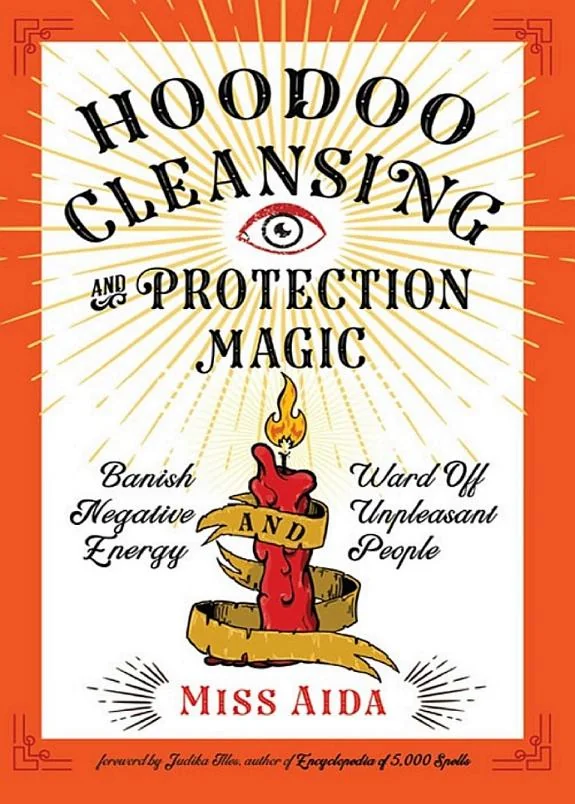
Hoodoo Cleansing and Protection Magic
 83
83

Hoodoo Cleansing and Protection Magic
Miss Aida's "Hoodoo Cleansing and Protection Magic" offers a refreshing, no-nonsense approach to a vital aspect of folk magic. The author avoids overly academic or sensationalist language, presenting techniques with a clarity that suggests deep familiarity. A notable strength is the accessibility of the rituals; they are designed for practical application rather than mere theoretical discussion. For instance, the section on "Crossing" and its countermeasures is particularly well-explained, detailing specific ingredients and actions with straightforward instructions. However, the book could benefit from a more robust historical grounding. While it acknowledges the Hoodoo tradition, it doesn't deeply engage with the specific historical periods or regional variations that shaped its development, which would add valuable context for understanding its efficacy and evolution. Nevertheless, for practitioners seeking immediate, tangible methods for spiritual self-defense, this work provides a solid foundation.
📝 Description
83
Miss Aida's 2020 book details Hoodoo methods for personal defense and spiritual cleansing.
Hoodoo Cleansing and Protection Magic serves as a practical manual for engaging with the African American folk magic tradition. It focuses on techniques designed to repel negative energies and empower individuals against spiritual or psychic attacks. The book details various methods for purification and establishing defenses.
This work is for anyone looking for concrete steps to address what they perceive as spiritual interference. It speaks to those who have faced or worry about bad luck, curses, or unwanted attention, offering folk magic solutions for protection. The central aim is to provide practitioners with tools to actively influence their environment by reducing harmful impacts.
Published in 2020, this book draws on the long history of African American folk magic, a tradition that synthesized West African spiritual practices, Christian elements, and Native American beliefs. Its development traces back to the slavery era and the post-Reconstruction South, times of significant social strain that fostered a need for spiritual fortitude. The magic described is rooted in this resilient cultural heritage.
💡 Why Read This Book?
• You will learn specific methods for banishing unwanted spiritual or energetic influences, such as the "Road Opener" spells detailed in the book, allowing you to actively clear obstacles. • Gain practical knowledge on creating personal protective amulets and charms, drawing from the techniques described for warding off the "evil eye," empowering your daily life. • Understand the core principles of Hoodoo cleansing rituals, including the use of specific herbs and bath recipes mentioned, to restore balance and personal energetic sovereignty.
⭐ Reader Reviews
Honest opinions from readers who have explored this book.
❓ Frequently Asked Questions
What is Hoodoo cleansing and protection magic?
Hoodoo cleansing and protection magic refers to the practical application of African American folk magic techniques designed to remove negative influences and safeguard individuals from spiritual harm or bad luck. It draws from a rich history of spiritual practices.
Who is Miss Aida?
Miss Aida is the author of "Hoodoo Cleansing and Protection Magic." Her work focuses on providing accessible and effective methods within the Hoodoo tradition, aiming to empower practitioners.
What are some common techniques in Hoodoo protection magic?
Common techniques include spiritual baths with specific herbs, the use of protective powders and oils, the creation of amulets or gris-gris bags, and various forms of spellwork aimed at repelling negative energy and entities.
Can Hoodoo magic help with persistent bad luck?
Yes, Hoodoo traditions often address cycles of misfortune. "Hoodoo Cleansing and Protection Magic" offers methods to identify and break such patterns, aiming to restore favorable conditions for the practitioner.
Is this book suitable for beginners?
The book is designed to be practical and accessible, making it suitable for beginners interested in learning foundational Hoodoo cleansing and protection techniques without overwhelming jargon.
What is the 'evil eye' in the context of Hoodoo?
The 'evil eye' refers to harm or misfortune caused by envy, ill will, or direct magical attack from another person. Hoodoo offers specific methods to detect and shield against such negative projections.
🔮 Key Themes & Symbolism
Personal Sovereignty
A central theme is reclaiming agency over one's life by actively managing external negative forces. The book emphasizes that individuals are not passive recipients of spiritual attacks but can employ Hoodoo techniques to assert control. This involves understanding how influences manifest and learning to erect spiritual defenses, thus fostering a sense of empowerment and self-determination in the face of adversity.
Spiritual Hygiene
The work stresses the importance of maintaining spiritual cleanliness, akin to physical hygiene. It presents various cleansing rituals, including spiritual baths and house blessings, designed to purify one's environment and energetic field. This concept posits that regular cleansing is crucial for preventing the accumulation of negative energies that can attract misfortune or spiritual malaise.
Warding and Shielding
A significant focus is placed on practical methods for warding off harmful entities, psychic attacks, and malevolent intentions. This includes the creation and use of protective charms, powders, and amulets, as well as specific spells designed to create energetic barriers. The aim is to provide tangible tools for practitioners to shield themselves and their space from unwanted spiritual intrusions.
Identifying Negative Influences
The book guides readers on recognizing the signs and sources of negative energies or attacks. This discernment is presented as the crucial first step in effective protection. By understanding common indicators of spiritual interference, such as persistent bad luck or unsettling environmental feelings, practitioners can more accurately apply the appropriate cleansing and protective measures.
💬 Memorable Quotes
Direct passages from the work, attributed to the author.
“Magical tips and techniques for keeping negative people and harmful forces at bay”
— This statement expresses the book's pragmatic approach, positioning Hoodoo not as abstract philosophy but as a system of actionable remedies for everyday spiritual challenges and social discomforts.
“take control of your destiny and live your best life”
— This highlights the empowering intent behind the practices described, suggesting that by mastering protective magic, one can actively shape their circumstances and achieve personal well-being.
“Does your house feel a little wonky?”
— This relatable question serves as an entry point, inviting readers experiencing subtle environmental disharmony to explore Hoodoo solutions for spiritual or energetic imbalances within their living spaces.
“Is someone giving you the evil eye?”
— This direct query addresses a common folk belief about malicious intent and its potential impact, signaling the book's focus on addressing interpersonal spiritual conflicts and psychic aggression.
“Are you just having a run of bad luck or have you been cursed?”
— This poses the fundamental question of misfortune, framing it within the context of Hoodoo's diagnostic and remedial capabilities for addressing persistent negative circumstances.
🌙 Esoteric Significance
Tradition
This work is firmly situated within the Hoodoo tradition, a significant branch of African American folk magic. While not strictly aligning with European Hermeticism or Kabbalah, Hoodoo shares an underlying principle with many esoteric systems: the belief in the power of focused intention, symbolic action, and the manipulation of unseen energies to effect change in the physical world.
Symbolism
Key symbols often employed in Hoodoo, and likely explored in this work, include specific herbs (like Rue for protection, or Rosemary for purification), natural elements (like salt for cleansing, or graveyard dirt for specific workings), and symbolic objects (like crosses, mojo bags, or mirrors for scrying or protection). These elements are imbued with spiritual power through prayer and intent.
Modern Relevance
Contemporary practitioners of various spiritual paths, including neo-Paganism, witchcraft, and modern occultism, increasingly draw upon Hoodoo for its potent, earth-centered, and highly effective methods. The book's focus on practical, accessible techniques for protection and cleansing appeals to individuals seeking tangible spiritual tools outside of more formalized Western esoteric systems.
👥 Who Should Read This Book
• Individuals experiencing persistent feelings of negativity, spiritual oppression, or "bad luck" seeking practical, folk-magic-based solutions. • Aspiring practitioners of African American folk magic interested in learning foundational cleansing and protection techniques directly from a Hoodoo perspective. • Those curious about comparative folk magic traditions who wish to understand a specific, potent system for spiritual self-defense and energetic hygiene.
📜 Historical Context
Hoodoo Cleansing and Protection Magic emerges from the rich, resilient tradition of African American folk magic, a spiritual practice deeply rooted in the experiences of enslaved Africans and their descendants in the Americas. Developing across centuries, particularly from the 17th century onwards, Hoodoo synthesized West African spiritual beliefs, Indigenous American practices, and elements of European folk magic and Christianity. It flourished as a vital system of spiritual support, healing, and protection during and after periods of immense social and economic hardship, such as the post-Reconstruction era. While Hoodoo shares some conceptual overlaps with other esoteric traditions, its unique syncretic origins and distinct methodology set it apart. Unlike the more formalized ceremonial magic of the Western Esoteric Tradition, Hoodoo is characterized by its direct, practical application of natural elements, prayers, and psychic energy, often focusing on immediate earthly concerns and personal well-being. Authors like Zora Neale Hurston documented aspects of this tradition in the early 20th century, indicating its cultural significance even then.
📔 Journal Prompts
Your personal definition of a "wonky" feeling in your home and how you might address it using Hoodoo cleansing.
An analysis of a recent run of "bad luck": Was it external influence, or internal energetic patterns?
The specific symbolic meaning of salt in your personal spiritual practice and its potential for protection.
Reflection on the concept of the "evil eye" and how you currently protect yourself from negative projections.
A plan for implementing a weekly spiritual cleansing ritual using techniques described in the book.
🗂️ Glossary
Hoodoo
An African American folk magic system that developed from a blend of West African spiritual traditions, Christian elements, and Native American practices, focused on practical spiritual work for healing, protection, and prosperity.
Cleansing
In Hoodoo, refers to rituals and practices designed to remove negative spiritual influences, entities, or energetic blockages from a person, place, or object.
Protection Magic
Spellwork and techniques used within Hoodoo to create spiritual barriers, ward off malevolent forces, psychic attacks, curses, and negative people.
Evil Eye
The belief that a malicious glare or curse from someone can cause misfortune, illness, or harm to the recipient.
Mojo Bag (Gris-Gris)
A small cloth bag, often handmade, filled with specific ingredients (herbs, roots, powders, personal items) and consecrated for a particular purpose, such as protection or attracting good fortune.
Spiritual Bath
A ritual bath using water infused with specific herbs, salts, or oils, intended for purification, healing, or spiritual cleansing.
Road Opener
A type of Hoodoo spell or ritual specifically designed to clear obstacles, open new paths, and bring opportunities into the practitioner's life.
This book appears in 1 collection
🔮 Readers Also Liked
Browse all →









From the “Hoodoo” Collection
View all →








More Free Occult Philosophy Books
View all →