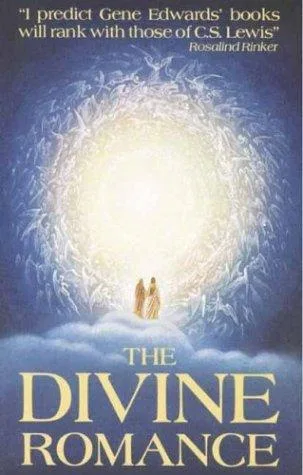
The Divine Romance
 69
69

The Divine Romance



Evander Ashcroft (Alchemy & Hermeticism Editor) — Gene Edwards' 'The Divine Romance' is a luminous testament to the power of allegorical narrative in unlocking profound spiritual insights. Far from a conventional retelling, this work delves into the heart of biblical history with a mystical lens, revealing the inherent esoteric drama of creation and redemption. Edwards' prose possesses an alchemical quality, transmuting historical accounts into living symbols of the soul's journey. It speaks directly to those who seek deeper, hidden meanings within sacred texts, offering a framework for understanding the divine dialogue as a profound, ongoing romance. A truly illuminating read for the serious spiritual student.
📝 Description
69
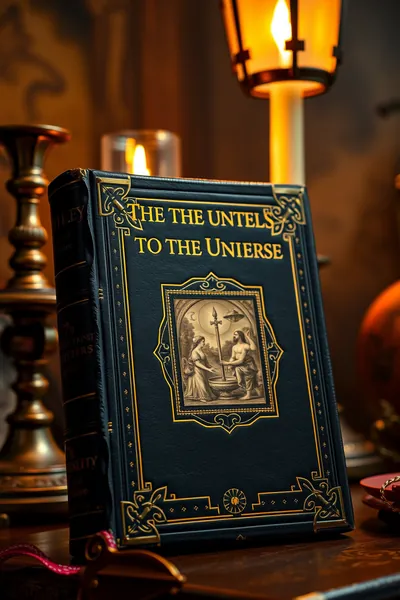
Gene Edwards' 'The Divine Romance' reimagines the biblical narrative as an allegorical love story.
Published in 1972, Gene Edwards' 'The Divine Romance' presents a unique interpretation of biblical events. Edwards frames the relationship between God and humanity as a grand romance, drawing parallels to classical love stories. He seeks to uncover deeper meanings within familiar scripture, suggesting that the biblical narrative can be understood as a quest for spiritual union. The book uses allegory to illuminate the soul's path toward the divine. Edwards' approach aims to provide readers with a more intimate perspective on their spiritual lives and heritage.
This work is not a historical account or a theological argument in the traditional sense. Instead, it functions as a spiritual allegory, encouraging contemplation. Edwards invites readers to see the biblical story through the lens of a love affair, highlighting themes of devotion, longing, and ultimate union. The writing style aims for a resonant, almost poetic quality, meant to evoke a sense of wonder and personal connection to the sacred narrative.
This book fits within the Christian esoteric tradition, which seeks hidden spiritual meanings within biblical texts and established religious doctrines. It shares common ground with movements that emphasize mystical experience and direct communion with the divine, rather than solely relying on external dogma or ritual. Authors like Watchman Nee or those in the early Pentecostal and Holiness movements, while differing in specific theology, also explored the inner spiritual life and the 'deeper' meaning of faith. 'The Divine Romance' offers a symbolic reading of scripture, aligning with a long history of allegorical interpretation found in Gnostic texts and later Christian mysticism.
💡 Why Read This Book?
Embark on an unparalleled spiritual odyssey. 'The Divine Romance' offers a unique, allegorical lens through which to view biblical history, revealing hidden depths of divine love and human pursuit. It's an essential read for seekers yearning for a more intimate connection with the sacred, scholars interested in esoteric interpretations of scripture, and anyone desiring a profoundly beautiful and transformative reading experience that speaks to the soul.
⭐ Reader Reviews
Honest opinions from readers who have explored this book.
❓ Frequently Asked Questions
What is the primary allegorical theme of 'The Divine Romance'?
The book presents biblical history as a grand, cosmic love story between the Creator and humanity, exploring the soul's journey towards divine union and spiritual awakening through rich symbolism and allegory.
Is this book suitable for those new to biblical studies?
Yes, while deeply profound, its allegorical nature makes it accessible and engaging for newcomers, offering a fresh and inspiring perspective on familiar narratives.
How does 'The Divine Romance' differ from traditional biblical commentaries?
Instead of a literal interpretation, Edwards uses allegory and mystical symbolism to reveal the emotional and spiritual underpinnings of biblical events, focusing on the divine relationship.
What makes this book particularly 'esoteric'?
It uncovers hidden spiritual meanings and archetypal patterns within the biblical narrative, inviting readers to perceive divine truths beyond the surface-level text, akin to hermetic wisdom.
Can 'The Divine Romance' be read alongside other spiritual or mystical texts?
Absolutely. Its themes resonate deeply with various esoteric traditions, enriching the reader's understanding of universal spiritual principles and the quest for transcendence.
🔮 Key Themes & Symbolism
The Cosmic Love Affair
Fundamentally, , 'The Divine Romance' frames biblical history as an epic, ongoing love story between God and humanity. This perspective shifts the reader's understanding from a series of historical events to a continuous, deeply personal dialogue of divine pursuit and human response. It highlights God's unwavering affection and humanity's often-wavering yet ultimately redemptive journey towards spiritual union. This theme invites contemplation on the nature of divine love, grace, and the sacred bond that underpins all existence, encouraging a more intimate and relational approach to faith.
Allegory and Hidden Meanings
Gene Edwards masterfully employs allegory to unlock esoteric truths embedded within the biblical text. Familiar stories and figures are re-imagined as archetypal representations of spiritual principles and the soul's inner journey. This approach encourages readers to look beyond the literal narrative, seeking deeper, symbolic meanings that resonate with universal spiritual wisdom. The book acts as a key, unlocking veiled insights into the nature of reality, the spiritual path, and the profound mysteries of divine interaction with the created world.
The Soul's Quest for Union
A central tenet of 'The Divine Romance' is the soul's inherent yearning for connection and reunification with its divine source. The narrative traces this quest through various stages, illustrating the challenges, revelations, and ultimate triumph of spiritual homecoming. It speaks to the universal human desire for meaning, belonging, and transcendence, presenting faith not as dogma, but as an active, dynamic pursuit of divine intimacy. This theme provides a profound framework for personal spiritual growth and the realization of one's true, divine nature.
💬 Memorable Quotes
Direct passages from the work, attributed to the author.
“Every soul is a wanderer seeking its true home.”
— Highlights the archetypal journey of the soul, emphasizing its innate drive to return to its divine origin, a theme central to spiritual seeking.
“The whispers of the divine are found in the silence of the heart.”
— Points to the inner, contemplative path of spiritual discovery, suggesting that true divine communication occurs through introspection and inner stillness.
“Love is the architect of all creation and the redeemer of all fall.”
— Establishes love as the fundamental force behind existence, responsible for both the initial creation and the ultimate healing and restoration of all things.
“To know God is to be known by God.”
— Articulates the reciprocal nature of the divine relationship, where true spiritual knowledge is found not just in seeking, but in being recognized and embraced by the divine.
💡 Key Ideas
Editorial paraphrase of the work's core concepts — not direct quotes.
The greatest love story ever told begins in eternity.
This quote expresses the book's central premise: that the relationship between the Creator and creation is an eternal, unfolding saga of love, predating time itself.
🌙 Esoteric Significance
Tradition
The book draws heavily on Gnostic and Neoplatonic traditions, which often view biblical narratives allegorically to reveal deeper spiritual truths about the soul's divine origin and its journey back to the Pleroma. It reflects the Hermetic principle of 'As Above, So Below,' applying cosmic archetypes to the human spiritual experience. The emphasis on divine love as the animating force of creation and the soul's yearning for union aligns with mystical interpretations found across various esoteric paths, seeking to unveil the divine within the mundane.
Symbolism
Edwards employs strong symbolism, transforming biblical figures and events into archetypal representations. The 'Romance' itself is a potent symbol of the divine-human relationship, representing the soul's pursuit of God and God's relentless pursuit of the soul. Concepts like the 'Garden,' the 'Fall,' and the 'King' function as symbolic stages and actors in this cosmic drama, inviting readers to interpret them through an inner, spiritual lens. The narrative is replete with imagery of light, journey, and transformation, common in esoteric literature depicting the path to enlightenment.
Modern Relevance
In an age often characterized by spiritual seeking and a desire for authentic connection, 'The Divine Romance' offers a profound and accessible entry point into understanding the universal themes of love, purpose, and divine relationship. Its allegorical approach bypasses rigid doctrinal interpretations, speaking directly to the heart and soul. For modern readers, it provides a framework for personal spiritual development, encouraging introspection, a deeper appreciation for the sacred in everyday life, and a more intimate, loving relationship with the divine, making ancient wisdom relevant to contemporary spiritual journeys.
👥 Who Should Read This Book
This book is a profound gift for the earnest spiritual seeker yearning for a deeper, more intimate connection with the divine. Scholars of comparative religion and biblical studies will find its allegorical approach a fascinating lens for re-interpreting sacred texts. Practitioners of contemplative prayer and meditation will resonate with its emphasis on inner dialogue and spiritual union. Even those new to spiritual literature will find its beautiful narrative and universal themes of love and longing deeply compelling and accessible, offering a transformative reading experience for anyone ready to explore the mystical dimensions of faith.
📜 Historical Context
While 'The Divine Romance' is an allegorical work and not a direct historical account, its publication and themes emerged during a period of renewed interest in spiritual exploration and a desire to find deeper meaning within established religious frameworks. The mid-to-late 20th century saw a burgeoning of interest in mysticism, comparative religion, and personal spiritual growth, often seeking to bridge the gap between ancient wisdom and modern consciousness. Gene Edwards' approach, reframing biblical narratives through the lens of a profound love story, resonated with this zeitgeist, offering a more emotionally and spiritually accessible interpretation that appealed to a broad audience seeking authentic connection beyond rigid dogma. Its enduring popularity speaks to its timeless appeal in tapping into fundamental human desires for love, meaning, and divine connection.
📔 Journal Prompts
Reflect on the concept of the 'Divine Romance' in your own life. Where have you experienced moments of profound divine connection?
Identify a biblical story or figure that appeals to you as an allegory for your own spiritual journey. What lessons does it offer?
How does the idea of God's persistent pursuit of humanity change your perception of your own spiritual path and challenges?
Explore the symbolism of 'homecoming' in your life. What does it mean to feel truly at home with yourself and the divine?
Consider the 'whispers of the divine.' How can you cultivate greater silence and receptivity in your daily life to hear them?
🗂️ Glossary
Allegory
A literary device where characters, events, and settings represent abstract ideas or spiritual truths. In 'The Divine Romance,' biblical narratives are presented allegorically to reveal deeper mystical meanings.
Archetype
A universal, inherited pattern of thought or imagery derived from the experience of the human race, present in the collective unconscious. Biblical figures often serve as archetypes in the book.
Divine Union
The ultimate spiritual goal of merging the individual soul with the divine source, often described as a state of profound oneness, love, and spiritual fulfillment.
Esoteric
Intended for or likely to be understood by only a small number of people with a specialized knowledge or interest. It refers to hidden or inner meanings, especially in religious or philosophical contexts.
Spiritual Romance
The book's central metaphor, portraying the relationship between God and humanity as a profound, unfolding love story, emphasizing divine pursuit and the soul's longing for connection.
This book appears in 3 collections
🔮 Readers Also Liked
Browse all →








From the “Tarot” Collection
View all →







More Free Divination & Tarot Books
View all →