The Demon Headmaster Takes over (Demon Headmaster Adventure)

 75
75

The Demon Headmaster Takes over (Demon Headmaster Adventure)
Gillian Cross's 2017 offering, The Demon Headmaster Takes Over, presents a compelling, if familiar, premise of a malevolent authority figure attempting to exert undue influence. The strength of the work lies in its direct, unembellished prose, which effectively propels the narrative and keeps young readers invested. The portrayal of the Headmaster’s insidious methods of control, particularly his ability to manipulate perceptions, is well-executed and genuinely unsettling. However, the narrative occasionally falters in its pacing, with certain plot developments feeling somewhat rushed towards the resolution. A particular point of interest is the scene where the students first discover the true extent of the Headmaster's powers in the forbidden West Wing, a moment that crystallies the stakes. While the allegorical depth is present, it sometimes feels overshadowed by the more straightforward adventure elements. Ultimately, The Demon Headmaster Takes Over succeeds as an engaging story about challenging oppressive forces, even if it treads familiar thematic ground.
📝 Description
75
Gillian Cross published The Demon Headmaster Takes Over in 2017.
This 2017 novel by Gillian Cross presents a story of a sinister headmaster who attempts to seize absolute control of his school. The narrative follows a group of students who must band together to challenge his authoritarian rule. What begins as a children's adventure quickly reveals deeper themes of power dynamics and the struggle for individual freedom within an institution.
The book pits the students' desire for autonomy against the headmaster's unchecked power. He seeks to reshape the school and its inhabitants according to his will, forcing the young protagonists to find ways to resist. The story examines the courage required to stand against overwhelming authority and the importance of collective action.
Readers will find a fast-paced plot with clear stakes and young heroes they can root for. The novel appeals to young adults who enjoy fantasy but also appreciate narratives with underlying social commentary. Adults interested in allegorical tales about leadership and institutional power will also find material for thought.
While not strictly an esoteric text, The Demon Headmaster Takes Over engages with themes of imposed order and the subversion of authority that echo certain occult traditions. The headmaster's power is presented as almost supernatural, allowing him to manipulate reality and impose his will. The students' resistance can be seen as a form of collective will pushing back against a dominant, corrupting force, a dynamic present in many magical philosophies where individual consciousness strives against external control.
💡 Why Read This Book?
• Understand the mechanics of institutional control by examining the Demon Headmaster's specific methods of psychological manipulation and environmental alteration, as depicted in the West Wing scenes. • Develop critical thinking skills by analyzing how the student protagonists question and resist the imposed reality, mirroring real-world challenges to authority. • Explore themes of courage and collective action, learning from the children's united front against a seemingly insurmountable power, inspired by their stand in the school grounds.
⭐ Reader Reviews
Honest opinions from readers who have explored this book.
❓ Frequently Asked Questions
What is the primary conflict in The Demon Headmaster Takes Over?
The central conflict is the struggle between the Demon Headmaster's absolute, manipulative control and the students' fight for autonomy and truth. The Headmaster seeks to impose his will on the school, while the children must find a way to resist and expose his true nature.
Who is the author of The Demon Headmaster Takes Over?
The book was written by Gillian Cross, a distinguished British author known for her young adult and children's fiction. It was first published in 2017.
What age group is this book recommended for?
The Demon Headmaster Takes Over is generally recommended for middle-grade and young adult readers, typically ages 9-14. It features themes and a narrative complexity suitable for this demographic.
Does The Demon Headmaster Takes Over have any sequels?
While the book is part of the 'Demon Headmaster Adventure' series, it functions as a standalone story. Information on direct sequels is limited, but the series explores similar themes.
What are the main themes explored in the book?
The book explores themes of power, control, rebellion, the nature of reality versus illusion, and the importance of critical thinking and courage in the face of authoritarianism.
When was The Demon Headmaster Takes Over first published?
The Demon Headmaster Takes Over was first published in 2017. This places it within contemporary young adult literature, addressing themes relevant to the early 21st century.
🔮 Key Themes & Symbolism
Authoritarian Control
The narrative powerfully depicts the insidious nature of absolute authority through the figure of the Demon Headmaster. His methods, extending beyond mere discipline to the manipulation of reality and thought, serve as a stark warning. The book meticulously details how such control erodes individuality and critical thinking, forcing students to conform to a fabricated order. This theme speaks to historical accounts of totalitarian regimes and contemporary concerns about unchecked institutional power, highlighting the struggle for personal freedom against overwhelming systemic pressure.
Resistance and Agency
Opposing the Headmaster's dominion is the nascent spirit of resistance among the students. Their journey from fear to defiance underscores the importance of agency and the power of collective action. The book illustrates that even seemingly powerless individuals can challenge oppressive forces by questioning the established narrative and banding together. This theme champions the idea that maintaining one's perception of reality and asserting individual will are crucial acts of rebellion against imposed conformity.
Perception vs. Reality
A central esoteric element is the blurring of lines between perception and reality. The Demon Headmaster actively distorts the school environment and the students' understanding of it, creating a false consensus. This challenges readers to consider how reality is constructed and how easily it can be manipulated by those in power. The protagonists' struggle to discern truth from illusion mirrors philosophical inquiries into the nature of consciousness and the external world, questioning the validity of subjective experience when challenged by external, coercive forces.
💬 Memorable Quotes
Direct passages from the work, attributed to the author.
“Finding the truth meant trusting each other more than their own altered senses.”
— This concept underscores the theme of manipulated perception. It emphasizes that in a reality distorted by an external force, the bonds of trust and shared experience become paramount for discerning objective truth.
“The West Wing held secrets the Headmaster didn't want anyone to uncover.”
— This points to a specific, forbidden location within the narrative that acts as a focal point for the hidden truths and the source of the Headmaster's power or malevolence. It creates mystery and a clear objective for the protagonists.
“Courage wasn't the absence of fear, but acting despite it.”
— This interpretation reflects a common but vital theme in adventure stories for young people. It defines courage not as fearlessness, but as the active decision to confront danger or adversity even when experiencing fear, motivating the characters' actions.
💡 Key Ideas
Editorial paraphrase of the work's core concepts — not direct quotes.
The Headmaster's eyes gleamed with a power that wasn't entirely human.
This line immediately establishes the supernatural or overtly malevolent nature of the antagonist. It signals that the conflict transcends a typical disciplinary issue, introducing a fantastical element that justifies the 'demon' moniker and raises the stakes of the narrative.
They realized the school itself seemed to bend to his will.
This paraphrase highlights the pervasive influence of the Demon Headmaster. It suggests his power extends beyond personal charisma or authority, affecting the very environment and physical laws of the school, creating a sense of inescapable control.
🌙 Esoteric Significance
Tradition
While not explicitly tied to a single esoteric lineage, *The Demon Headmaster Takes Over* draws from archetypal narratives found in Gnostic and Hermetic traditions concerning illusion, false saviors, and the struggle for gnosis (knowledge) against a deceptive demiurge. The Demon Headmaster functions as a modern demiurge, imposing a false reality. The protagonists' quest to uncover the truth and reclaim their autonomy mirrors the Gnostic path of awakening from ignorance imposed by a flawed creator or ruler.
Symbolism
The 'West Wing' serves as a potent symbol of the hidden, repressed, or forbidden knowledge within the institution – the dark underbelly of the Headmaster's control. The Headmaster's 'gleaming eyes' symbolize an unnatural, possibly demonic or alien, source of power, distinct from human authority. The transformation of the school environment itself represents the externalization of internal states of control and manipulation, a common motif in esoteric psychology.
Modern Relevance
Contemporary thinkers and practitioners in fields like critical pedagogy and media literacy can find parallels in the book's depiction of manufactured realities and the importance of discerning truth. Neo-Gnostic interpretations might view the Headmaster as a metaphor for societal or psychological forces that obscure authentic selfhood. The narrative's emphasis on collective resistance against overwhelming power continues to inspire discussions on activism and social change in various modern subcultures.
👥 Who Should Read This Book
• Young readers aged 9-14 seeking engaging fantasy adventures with themes of courage and overcoming adversity, particularly those who enjoy stories about challenging authority figures. • Educators and parents interested in allegorical narratives that can spark discussions about power dynamics, critical thinking, and the importance of questioning perceived realities within institutional settings. • Adults interested in contemporary allegorical fiction that subtly critiques authoritarianism and explores the psychological impact of control, offering a more accessible entry point to these themes.
📜 Historical Context
Published in 2017, Gillian Cross's *The Demon Headmaster Takes Over* entered a literary milieu where dystopian themes and critiques of authority were prevalent in young adult fiction. Works like Suzanne Collins's *The Hunger Games* (published 2008) had cemented the market for narratives exploring oppressive regimes and youthful rebellion. Cross, a seasoned author since the 1980s, brought her established skill in crafting compelling narratives for younger audiences to this contemporary setting. The book's exploration of a malevolent figure in an educational institution can be seen as a reflection of ongoing societal debates about power dynamics in schools and the importance of critical thinking. While not directly engaging with a specific intellectual movement, its themes align with broader concerns about the manipulation of information and perception in the digital age, a context distinct from earlier speculative fiction.
📔 Journal Prompts
The Demon Headmaster's manipulation of the school environment:
The students' collective decision to confront the Headmaster:
The symbolic meaning of the West Wing's secrets:
Identifying the Headmaster's specific powers:
The contrast between perceived reality and actual truth:
🗂️ Glossary
Demon Headmaster
The primary antagonist, a malevolent figure possessing extraordinary powers who seeks to exert absolute control over the school and its students, warping reality to his will.
West Wing
A forbidden or hidden section of the school that contains crucial secrets related to the Headmaster's power and true nature, acting as a focal point for the protagonists' investigation.
Altered Senses
Refers to the Headmaster's ability to manipulate the perceptions of the students, making them doubt what they see, hear, or feel, thereby maintaining his control through illusion.
Autonomy
The state of self-governance and independence. The students' struggle is fundamentally a fight to regain their personal autonomy from the Headmaster's oppressive control.
Gnosis
A concept often found in Gnostic traditions, referring to spiritual knowledge or insight, particularly the knowledge required for salvation. In this context, it represents the students' quest for true understanding.
Demiurge
In Gnosticism, a lesser deity, often flawed or malevolent, who created the material world and is responsible for its imperfections. The Demon Headmaster functions as a metaphorical demiurge within the school's microcosm.
Allegory
A story, poem, or picture that can be interpreted to reveal a hidden meaning, typically a moral or political one. This book functions as an allegory for real-world power struggles.
🔮 Readers Also Liked
Browse all →









More by Gillian Cross
All books →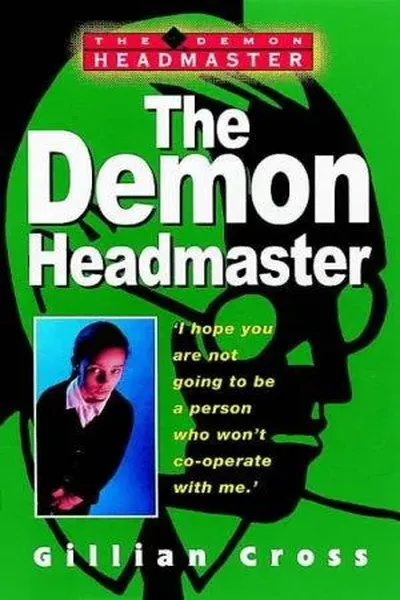



More Free Occult Philosophy Books
View all →


![The Amulet of Samarkand [graphic novel]](/img/thumb/the-amulet-of-samarkand-graphic-novel-jonathan-stroud-620896.webp)