The Amulet of Samarkand [graphic novel]
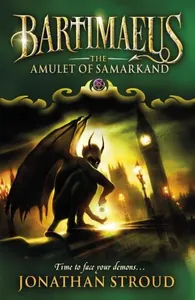
![The Amulet of Samarkand [graphic novel] —](/img/the-amulet-of-samarkand-graphic-novel-jonathan-stroud-620896.webp)
 71
71

The Amulet of Samarkand [graphic novel]
The graphic novel adaptation of The Amulet of Samarkand offers a vibrant visual interpretation of Jonathan Stroud's 2010 novel. The artwork effectively captures the atmospheric London setting and the chaotic energy of magical duels, presenting a dynamic rendition of Nathaniel and Bartimaeus's fraught partnership. A particular strength lies in the character designs, which imbue the magical practitioners and their familiars with a distinct visual identity that complements their personalities. However, the condensed nature of the graphic novel format inevitably leads to a streamlining of the intricate political subplots and internal monologues that characterized the original prose. While the core narrative remains intact, some of the nuanced world-building might feel less developed for those unfamiliar with the source material. Despite this, the visual storytelling compensates by making the action sequences particularly engaging. It serves as a compelling visual companion to the original tale, bringing its magical world to life with flair.
📝 Description
71
Jonathan Stroud's 2010 novel The Amulet of Samarkand was adapted into a graphic novel, bringing its urban fantasy world to visual life.
This graphic novel adaptation translates Jonathan Stroud's 2010 young adult fantasy novel into a visual medium. The story follows Nathaniel, a young magician, and his demon servant Bartimaeus. They become involved in a dangerous plot centered around the powerful Amulet of Samarkand. The urban fantasy setting of London and the magical conflicts are depicted through illustrations, highlighting the distinctive visual storytelling of the graphic novel format.
The adaptation appeals to readers who enjoy urban fantasy with a mix of magic, political intrigue, and character development. Fans of the original book will find a new way to experience the narrative, while new readers can be drawn in by the accessible presentation and visual elements. It is suited for those who appreciate tales of unusual alliances, protagonists grappling with moral complexities, and formidable adversaries, all delivered with a touch of wit and strong characterization.
The Amulet of Samarkand, both the original novel and its graphic novel adaptation, engages with occult themes common in contemporary urban fantasy. It features a structured magical system, the summoning and binding of supernatural entities (specifically djinni and demons), and the use of enchanted objects. The narrative explores the hierarchy and nature of these beings, as well as the consequences for humans who wield such power. This taps into a broader tradition of modern occult fiction that reinterprets folklore and demonology for a young adult audience, presenting these elements within a recognizable, albeit magical, version of the modern world.
💡 Why Read This Book?
• You will experience the intricate magic system and the strained alliance between Nathaniel and Bartimaeus visually, gaining a new perspective on their 2010 adventure. The graphic format emphasizes the dramatic confrontations and the urban fantasy setting. • You will gain a clearer understanding of the visual representation of magical artifacts and rituals, such as the summoning of demons and the use of enchanted objects, as depicted in the book's illustrations. • You will explore the visual manifestation of power dynamics and societal hierarchies within the magical world, seeing how characters like Kitty Jones and the ruling magicians are portrayed through art and panel layout.
⭐ Reader Reviews
Honest opinions from readers who have explored this book.
❓ Frequently Asked Questions
Is The Amulet of Samarkand suitable for younger readers?
The graphic novel adaptation of The Amulet of Samarkand, based on the 2010 novel, contains themes of magic, betrayal, and conflict. While visually engaging, some elements might be more appropriate for mature young adults or those who have read the original book.
Who is the demon servant in The Amulet of Samarkand?
The demon servant is Bartimaeus, a djinni bound to serve the young magician Nathaniel. Their complex and often antagonistic relationship is central to the plot of the graphic novel, which adapts Stroud's 2010 story.
What is the significance of the Amulet of Samarkand?
The Amulet of Samarkand is a powerful magical artifact central to the plot. Its immense power makes it a coveted object, driving much of the conflict and danger faced by Nathaniel and Bartimaeus in the graphic novel adaptation of the 2010 book.
Is the graphic novel a direct adaptation of the 2010 book?
Yes, the graphic novel is a direct visual adaptation of Jonathan Stroud's 2010 novel, The Amulet of Samarkand. It translates the original story's narrative and characters into a visual format through illustrations and panel sequences.
What are the main themes explored in The Amulet of Samarkand graphic novel?
The graphic novel explores themes of power, ambition, servitude, and the consequences of magic. It examines the complex relationship between masters and their magical servants, and the moral compromises made in the pursuit of power, as seen in the 2010 original.
What is the visual style of The Amulet of Samarkand graphic novel?
The visual style aims to capture the urban fantasy setting and the magical elements of the story. It typically features detailed artwork that brings characters like Nathaniel and Bartimaeus to life, reflecting the tone of the 2010 novel.
🔮 Key Themes & Symbolism
Master and Servant Dynamics
The graphic novel vividly illustrates the complex, often volatile relationship between Nathaniel, a young magician, and Bartimaeus, a djinni bound to his service. Their interactions highlight themes of power imbalance, mutual dependence, and the blurred lines between coercion and loyalty. Bartimaeus's sarcastic commentary and Nathaniel's growing arrogance provide a dynamic visual and narrative contrast, exploring the ethical implications of enslavement within a magical hierarchy, a core element present since the book's 2010 publication.
The Corrupting Nature of Power
The visual medium effectively conveys how the pursuit and possession of magical power can warp individuals. Nathaniel's ambition to rise within the magical government, the Political Ministry, is depicted through his increasingly ruthless actions and his reliance on Bartimaeus for increasingly dangerous tasks. The graphic novel shows the tangible consequences of this ambition, illustrating the moral decay that can accompany unchecked power, a central concern since the original 2010 narrative.
Urban Fantasy Setting
The graphic novel brings the magical underbelly of London to life with detailed illustrations. From the opulent halls of power to the shadowed alleys where forbidden magic is practiced, the artwork grounds the fantastical elements in a recognizable urban landscape. This visual approach underscores the integration of magic into a contemporary setting, making the extraordinary feel both present and hidden within the ordinary world established in Stroud's 2010 work.
The Power of Artifacts
The titular Amulet of Samarkand serves as a potent symbol of immense, dangerous power. Its presence drives the plot, illustrating how powerful objects can become focal points for conflict, ambition, and fear. The graphic novel depicts the amulet's allure and the destructive potential it represents, showing how its pursuit by various factions leads to escalating stakes and perilous magical confrontations, a key narrative driver since 2010.
💬 Memorable Quotes
Direct passages from the work, attributed to the author.
“I am Bartimaeus. I am a djinni of the Fifth Order, and I have been summoned.”
— This declaration immediately establishes Bartimaeus's identity and his enslaved status. It sets the tone for his cynical narration and highlights the hierarchical nature of the magical world, where beings like him are compelled to serve human magicians like Nathaniel.
“The government is not a place for the weak or the foolish.”
— This statement, likely reflecting Nathaniel's early ambitions or the views of the ruling elite, underscores the ruthless political range of the magical world. It suggests that power is maintained through strength, cunning, and potentially morally ambiguous actions.
“Magic is a dangerous thing, especially when wielded by the ambitious.”
— This sentiment captures a core theme of the narrative. It points to the inherent risks associated with magical power and how personal ambition can amplify these dangers, leading to potentially catastrophic outcomes for both the practitioner and society.
“We are bound by the same forces, you and I.”
— This interpretation of the relationship between Nathaniel and Bartimaeus suggests a deeper, perhaps unwilling, connection. Despite their disparate natures and unequal footing, they find themselves entangled by circumstance and the demands of the magical world they inhabit.
💡 Key Ideas
Editorial paraphrase of the work's core concepts — not direct quotes.
An amulet of such power could change the world.
This paraphrase speaks to the immense potential and danger of the Amulet of Samarkand. It frames the artifact not just as a magical item, but as a world-altering force, explaining why so many factions are willing to risk everything to obtain it.
🌙 Esoteric Significance
Tradition
While not explicitly tied to a single esoteric tradition, The Amulet of Samarkand draws heavily on concepts found within Western esotericism, particularly demonology and ceremonial magic. The summoning and binding of demons (like Bartimaeus, a djinni) to perform tasks echoes practices described in grimoires such as the Lesser Key of Solomon. The concept of magical orders and a structured hierarchy of power also mirrors organizational principles seen in groups like the Hermetic Order of the Golden Dawn.
Symbolism
The djinni, Bartimaeus, symbolizes primal, untamed power bound by human will and ritual. His servitude represents the Faustian bargain inherent in seeking forbidden knowledge or power. The Amulet of Samarkand itself functions as a symbol of ultimate control and cosmic authority, a dangerous object sought by those who wish to reshape reality according to their will, reflecting ancient desires for dominion.
Modern Relevance
Contemporary practitioners of modern occultism and fantasy enthusiasts continue to engage with Stroud's work for its accessible portrayal of magical hierarchies and demonology. The nuanced portrayal of Bartimaeus, a powerful entity chafing under servitude, offers a compelling exploration of agency and rebellion that appeals to modern discussions on power dynamics and liberation, making it relevant to current interpretations of folklore and magical beings.
👥 Who Should Read This Book
• Young adult readers transitioning to more complex fantasy narratives: They will appreciate the blend of action, political intrigue, and character development presented visually, offering a stepping stone into darker urban fantasy themes. • Fans of Jonathan Stroud's original novel: Readers who enjoyed the 2010 book will gain a new visual dimension to the story, appreciating the artistic interpretation of characters and magical conflicts. • Aspiring practitioners of ceremonial magic or demonology: Those interested in the theoretical aspects of summoning and binding, presented through a fictional lens, will find the depiction of Bartimaeus and the magical system engaging.
📜 Historical Context
The Amulet of Samarkand, originating as a novel in 2010, entered a literary landscape dominated by epic fantasy and urban fantasy aimed at young adults. Following the cultural phenomenon of J.K. Rowling's Harry Potter series, publishers and readers were actively seeking new magical worlds and compelling young protagonists. Jonathan Stroud's work distinguished itself by offering a more complex, morally ambiguous narrative and a sophisticated, often satirical, voice through the djinni Bartimaeus. This sophisticated tone appealed to a readership that had aged with the genre and sought more mature themes. The graphic novel adaptation, appearing later, capitalized on the growing acceptance of comics as a medium for serious storytelling, moving beyond the perception of them as solely for children or dedicated genre fans. While not directly engaging with a specific contemporary author in its adaptation phase, the success of Stroud's original work placed it in dialogue with other YA fantasy authors like Rick Riordan and Suzanne Collins, who were also exploring intricate world-building and character-driven plots.
📔 Journal Prompts
Bartimaeus's sarcastic commentary on human folly.
Nathaniel's ambition and the Political Ministry.
The visual representation of the Amulet of Samarkand.
Kitty Jones's role as an outsider.
The ethical implications of binding a djinni.
🗂️ Glossary
Djinni
A class of supernatural creature in Islamic mythology and folklore, often depicted as spirits capable of assuming human or animal forms and influencing humans. In The Amulet of Samarkand, Bartimaeus is a djinni bound to serve.
Fifth Order
A specific rank or classification within the hierarchy of demons or spirits, as referenced by Bartimaeus. This implies a structured system of supernatural beings, common in grimoires and occult lore.
Political Ministry
The governing body in the magical world of The Amulet of Samarkand, responsible for maintaining order and wielding political power. It represents the established authority that characters like Nathaniel aspire to join or influence.
Amulet of Samarkand
A powerful magical artifact central to the plot. Its immense power makes it highly sought after, driving much of the conflict and danger within the narrative established in the 2010 novel.
Summoning
The act of calling forth a supernatural entity, such as a demon or spirit, through magical rituals. This is a key element of the magic system, requiring specific incantations and often a binding agent.
Familiar
A supernatural entity, often a demon or spirit, bound to assist a witch or magician. Bartimaeus, though a djinni, functions in a role similar to a powerful, independent familiar.
Grimoire
A textbook of magic, typically containing instructions on how to create magical objects, perform rituals, and cast spells. The lore surrounding Bartimaeus and summoning echoes elements found in historical grimoires.
🔮 Readers Also Liked
Browse all →






More by Jonathan Stroud
All books →


More Free Occult Philosophy Books
View all →