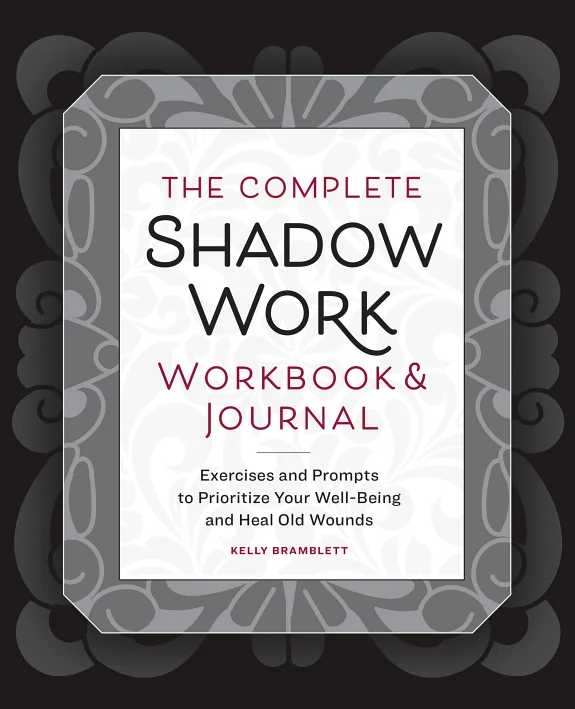
The Complete Shadow Work Workbook & Journal
 71
71

The Complete Shadow Work Workbook & Journal
Kelly Bramblett’s *The Complete Shadow Work Workbook & Journal* offers a much-needed, structured approach to confronting the often-unwieldy concept of the shadow. Rather than abstract theory, Bramblett provides actionable prompts that gently guide the reader into their unconscious terrain. The strength lies in its directness; by the third section, readers are already engaging with specific memories and emotions, a testament to the workbook’s design for immediate application. However, the sheer volume of prompts, while comprehensive, might feel overwhelming for someone entirely new to psychological introspection. A significant passage details the process of confronting shame, linking it directly to childhood experiences and societal conditioning, which is particularly illuminating. While it doesn't break new theoretical ground, its value is in its practical accessibility. This is an effective tool for guided self-exploration, particularly for those ready to commit to consistent journaling.
📝 Description
71
Kelly Bramblett's The Complete Shadow Work Workbook & Journal offers a structured approach to confronting the unconscious self.
This workbook provides a practical framework for individuals to engage with the unconscious aspects of their personality. It guides users through exercises and prompts designed to bring suppressed emotions, hidden fears, and unresolved traumas into conscious awareness. The aim is to process and integrate these often-unacknowledged parts of the psyche.
It is written for those pursuing personal growth and psychological healing, especially those who feel hindered by internal blocks or limiting beliefs. Anyone on a path of self-discovery, seeking greater self-assurance, or desiring a more genuine way of life will find utility within its pages. The book facilitates a deeper understanding of oneself through structured reflection.
Building on Carl Jung's early 20th-century concept of the shadow, this workbook applies Jungian psychology to contemporary self-actualization. Jung viewed the integration of the shadow, the repository of repressed personality aspects, as vital for individuation. Bramblett translates this psychological principle into accessible journaling techniques, allowing modern readers to work with their own hidden fears, shame, and traumas to achieve greater self-acceptance and psychological wholeness.
💡 Why Read This Book?
• Gain practical, actionable techniques for identifying and integrating your shadow self, directly inspired by the workbook's exercises on confronting shame. • Experience a structured pathway to overcoming internal barriers and limiting beliefs, as laid out in the book's detailed journaling prompts for each stage of shadow work. • Develop enhanced self-awareness and emotional resilience by working through specific concepts like the 'shadow mind,' fostering a deeper understanding of your own psychological landscape.
⭐ Reader Reviews
Honest opinions from readers who have explored this book.
❓ Frequently Asked Questions
What is shadow work and why is it important?
Shadow work involves confronting and integrating the unconscious aspects of your personality, such as fears, shame, and repressed emotions. It's important because understanding these hidden parts can lead to healing, personal growth, and overcoming limiting beliefs that hinder your progress.
How does this workbook help with shadow work?
This workbook provides a structured approach with introspective activities and detailed journal prompts. It guides you to identify, confront, and process your shadow aspects, making the often-difficult task of self-exploration more manageable and effective.
What kind of journal prompts can I expect?
You can expect prompts designed to explore specific emotions, past experiences, and self-perceptions. They encourage deep reflection on topics like fear, shame, and trauma, helping you uncover the roots of your unconscious patterns.
Is this book suitable for beginners in psychology?
Yes, the workbook is designed for accessibility, making it suitable for individuals new to psychological concepts and self-exploration. Its practical, step-by-step format eases the reader into the process of shadow work.
What are the benefits of completing this workbook?
Completing the workbook can lead to increased self-confidence, a fresh perspective on personal challenges, and the release of limiting beliefs. It facilitates a deeper understanding of oneself and promotes emotional healing.
When was The Complete Shadow Work Workbook & Journal first published?
The Complete Shadow Work Workbook & Journal by Kelly Bramblett was first published on January 16, 2024.
🔮 Key Themes & Symbolism
The Shadow Mind
This concept, popularized by Carl Jung, refers to the unconscious part of the psyche containing repressed desires, fears, shame, and traumas. The workbook guides users to acknowledge these hidden aspects, viewing them not as monstrous entities but as integral parts of the self that require understanding and integration. It emphasizes that by bringing the shadow into conscious awareness, individuals can reclaim lost energy and overcome internal conflicts that sabotage their well-being.
Confronting Fear and Shame
A central theme is the direct confrontation of deeply ingrained fears and feelings of shame. The book provides structured exercises and prompts that encourage readers to examine the origins of these emotions, often rooted in past experiences or societal conditioning. By facing these difficult feelings within the safe structure of the workbook, individuals can begin to dismantle their power and reduce their impact on present-day behavior and self-perception.
Healing Through Integration
The ultimate goal presented is not the elimination of the shadow, but its integration into the conscious personality. This process of integration is framed as a path to wholeness and healing. By accepting and understanding the shadow aspects, individuals can move beyond self-sabotage and limiting beliefs, leading to increased confidence, authenticity, and a more balanced emotional state. The workbook offers practical steps to achieve this integration.
Self-Discovery and Personal Growth
Underlying all themes is the pursuit of self-discovery and personal growth. The workbook acts as a catalyst for introspection, prompting users to ask challenging questions about their motivations, reactions, and core beliefs. This journey into the self is presented as essential for unlocking potential, fostering resilience, and living a more fulfilling life. The act of journaling itself is a tool for self-awareness and transformation.
💬 Memorable Quotes
Direct passages from the work, attributed to the author.
“Your shadow mind is the unconscious part of yourself where fear, shame, and trauma live.”
— This foundational statement defines the core subject matter, framing the shadow not as an external force but as an internal, often hidden, aspect of the self that holds significant emotional weight.
“Learning to confront and accept this shadow mind is called shadow work—and it's the first step to releasing limiting beliefs that hold you back.”
— This highlights the practical purpose of shadow work: to identify and address the internal barriers created by unconscious material, thereby enabling personal liberation and progress.
“If you could use a boost of confidence or a fresh perspective, this all-in-one journal and workbook shows you how to navigate your shadow.”
— This speaks directly to the reader's potential benefits, positioning the workbook as a practical guide for achieving tangible improvements in self-esteem and outlook through shadow exploration.
“The shadow mind contains aspects of yourself you have rejected or disowned.”
— This interpretation emphasizes the personal responsibility and internal nature of the shadow, suggesting that what resides there is not alien but rather parts of oneself that have been suppressed.
💡 Key Ideas
Editorial paraphrase of the work's core concepts — not direct quotes.
Acceptance of the shadow leads to greater self-awareness and emotional freedom.
This summarizes the ultimate outcome of engaging with the shadow work process, pointing towards a state of enhanced understanding and liberation from internal psychological constraints.
🌙 Esoteric Significance
Tradition
While rooted in Jungian psychology, a school of thought with strong esoteric underpinnings, this workbook translates psychoanalytic concepts into practical exercises. It engages with the archetype of the shadow, a concept that resonates within various esoteric traditions that explore the hidden aspects of the psyche and the process of self-transformation. It departs from strictly dogmatic traditions by focusing on empirical self-observation and journaling rather than ritual or codified magical practices.
Symbolism
The 'shadow' itself acts as a potent symbol for the unknown and repressed aspects of the self. Within the context of esoteric thought, this can be seen as relating to the alchemical concept of the prima materia – the raw, unformed substance from which transformation occurs. The workbook's structure can be interpreted as a symbolic descent into the underworld of the psyche, a common motif in myth and esoteric lore, necessary for rebirth and integration.
Modern Relevance
Contemporary practices in mindfulness, self-compassion, and trauma-informed care often draw implicitly or explicitly on the principles of shadow work. Thinkers and practitioners in areas like somatic experiencing, transpersonal psychology, and even modern witchcraft traditions that emphasize personal power and integration frequently engage with shadow concepts. Bramblett's workbook offers a direct, accessible method for individuals seeking to apply these principles in their daily lives.
👥 Who Should Read This Book
• Individuals seeking to understand and integrate repressed emotions, fears, and past traumas, offering a structured approach beyond abstract psychological theory. • Practitioners of self-discovery and personal development looking for actionable tools to overcome limiting beliefs and enhance self-awareness, directly utilizing the workbook's specific journaling exercises. • Those interested in the foundational concepts of Jungian psychology but seeking a practical, non-clinical application to their own lives, engaging with the 'shadow mind' concept through guided introspection.
📜 Historical Context
The concept of the 'shadow' was formally introduced into psychological discourse by Carl Jung in his 1919 essay "Instinct and the Unconscious." Jungian psychology, which gained significant traction throughout the 20th century, posits the shadow as the repository of repressed desires, instincts, and undeveloped potentials. This workbook, published in 2024, situates itself within this rich psychoanalytic tradition. While Jung's initial work focused on clinical applications and the process of individuation, contemporary approaches, like Bramblett's, often translate these complex ideas into accessible self-help formats. The rise of popular psychology and the increasing acceptance of therapeutic journaling practices in the late 20th and early 21st centuries have created fertile ground for such guides. Unlike purely academic explorations, this workbook emphasizes practical application, reflecting a broader cultural shift towards self-care and accessible mental wellness tools, moving beyond the more theoretical debates that characterized Jung's contemporaries like Sigmund Freud.
📔 Journal Prompts
Reflect on a recurring fear and its potential connection to your shadow self.
Document instances where shame has influenced your decisions.
Explore the origins of a disowned trait within your shadow.
Write about a personal trauma and how it might reside in your shadow mind.
Consider how integrating your shadow could impact your confidence.
🗂️ Glossary
Shadow Mind
The unconscious part of the psyche containing repressed desires, fears, shame, and traumas; aspects of the self that are disowned or rejected.
Shadow Work
The process of confronting, understanding, and integrating the 'shadow mind' into conscious awareness to achieve personal healing and growth.
Limiting Beliefs
Internalized assumptions or convictions that restrict one's behavior, potential, or self-perception, often stemming from unconscious shadow material.
Integration
The process of incorporating repressed or unconscious aspects of the self (the shadow) into the conscious personality, leading to wholeness.
Trauma
A deeply distressing or disturbing experience that has a lasting psychological impact, often stored within the shadow mind.
Shame
A painful emotion arising from the belief that one is fundamentally flawed or unworthy, often a core component of the shadow.
Self-Awareness
Conscious knowledge of one's own character, feelings, motives, and desires, enhanced through the practice of shadow work.
This book appears in 1 collection
🔮 Readers Also Liked
Browse all →








From the “Shadow Work” Collection
View all →







More Free Occult Philosophy Books
View all →