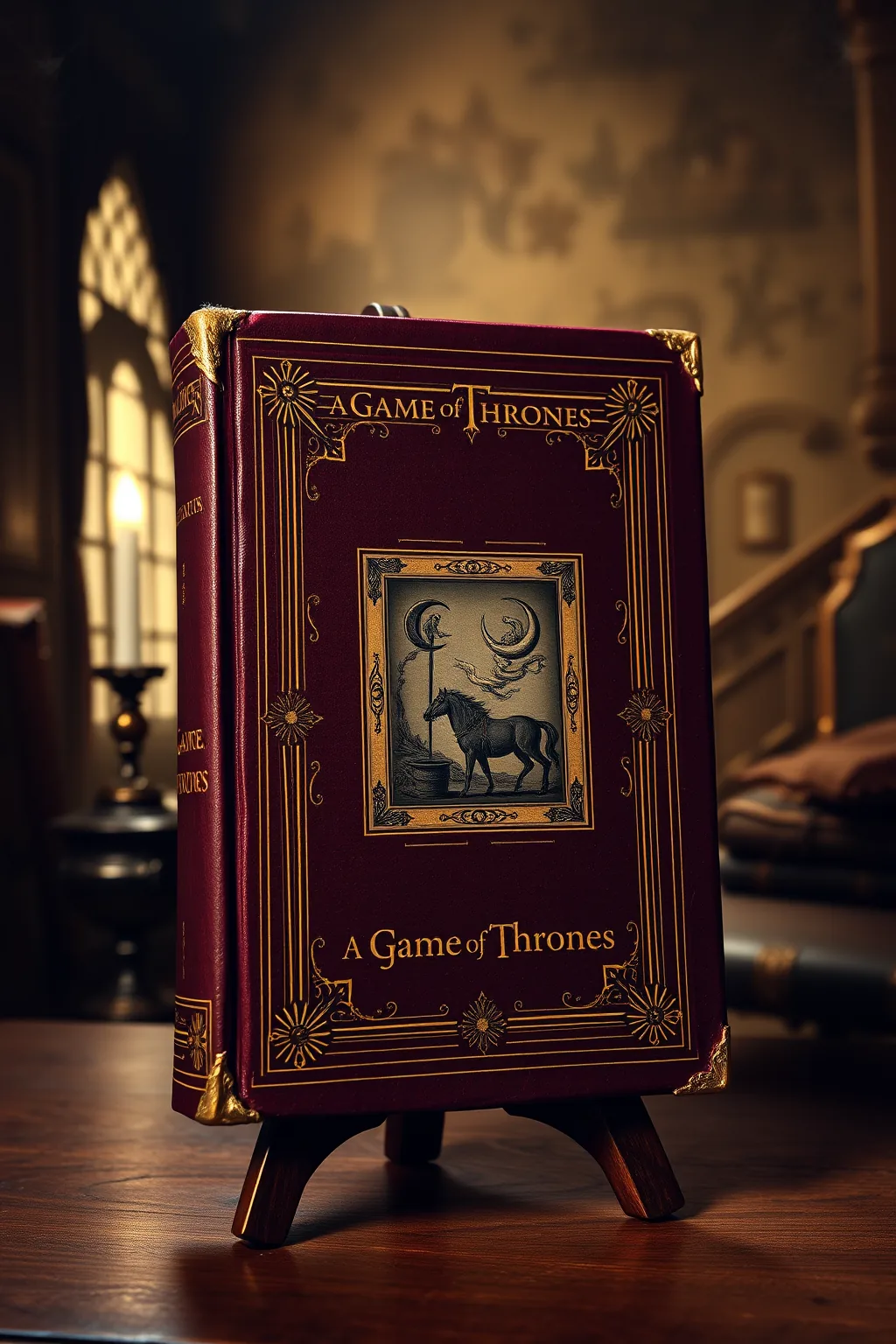
The Complete Illustrated Grand Grimoire, Or The Red Dragon

 76
76

The Complete Illustrated Grand Grimoire, Or The Red Dragon
Aaman Lamba's "The Complete Illustrated Grand Grimoire, Or The Red Dragon" offers a scholarly approach to a text often shrouded in sensationalism. The parallel French and English text is an invaluable asset, facilitating a direct comparison that eludes many editions. Lamba's introduction provides a solid grounding, particularly in its discussion of the 19th-century magical milieu and the historical context of witchcraft accusations, which is crucial for understanding the Grimoire's reception. However, the inclusion of a contemporary novel, while intended to provide social context, feels somewhat tangential to the core occult material and may disrupt the flow for readers solely focused on the Grimoire itself. The strength lies in its meticulous scholarship and presentation of primary source material. The limitation is the editorial decision to integrate a fictional narrative, which dilutes the focus. A particularly striking element is the detailed examination of the 'Red Dragon' sigil, connecting it to broader alchemical and astrological symbolism. This edition serves as a serious academic resource for understanding a controversial but significant occult text.
📝 Description
76
Aaman Lamba's 2020 edition of The Complete Illustrated Grand Grimoire, Or The Red Dragon offers parallel French and English texts.
This 2020 edition of the Grand Grimoire, translated and annotated by Aaman Lamba, presents the historical text alongside scholarly context for modern readers. It includes parallel French and English versions of the Grimoire, making it accessible to a wider audience. The annotations aim to explain the text's historical and theoretical background, moving beyond a simple translation. This work is intended for those seriously studying occult history, ceremonial magic practitioners, and academics of esoteric traditions. It is especially useful for readers seeking a well-supported version of the Grimoire with substantial historical and theoretical information. Those interested in the social and historical forces that influenced 19th-century magical practices will find this edition valuable.
The original Grand Grimoire, likely from the 18th or 19th century, belongs to a tradition of grimoire literature with roots stretching back centuries, often linked to Solomonic magic. This period saw a significant revival of interest in occult subjects, spiritualism, and magic across Europe. The Grimoire, particularly its 'Red Dragon' association, fits within this resurgence of esoteric thought, which often sought to connect ancient magical systems with contemporary philosophical ideas. Its content reflects concerns prevalent in that era regarding magical practices, spirit communication, and the acquisition of power through esoteric means.
💡 Why Read This Book?
• Gain an unparalleled understanding of the Grand Grimoire through its accurate, dual-language translation, allowing direct engagement with the original French text and its English counterpart, a feature absent in most popular editions. • Grasp the historical and social forces surrounding 19th-century magic, including details on witch trials and the Inquisition, as presented in the comprehensive introduction, offering context beyond mere ritual instructions. • Analyze the specific symbolism and ritualistic components, such as the "Red Dragon" motif and the construction of magical implements, as illuminated by scholarly interpretation and illustration within the text.
⭐ Reader Reviews
Honest opinions from readers who have explored this book.
❓ Frequently Asked Questions
What is the 'Red Dragon' referred to in the title of The Complete Illustrated Grand Grimoire?
The 'Red Dragon' is a common moniker associated with the Grand Grimoire, often linked to Lucifer or a powerful demonic entity. This edition explores its symbolic significance within the context of the grimoire tradition and broader occult symbolism.
Is this translation of the Grand Grimoire suitable for beginners in magic?
While the translation is accurate and the introduction comprehensive, the Grand Grimoire is a complex and potentially dangerous text. It is best suited for serious students of occult history or experienced practitioners who understand the risks involved.
What historical periods does the introduction to this edition cover?
The introduction covers the development of magic, the history of grimoires, the era of witch trials and the Inquisition, and the specific themes and insights relevant to the 19th-century context in which the Grimoire gained prominence.
Does the book include illustrations as the title suggests?
Yes, 'The Complete Illustrated Grand Grimoire' by Aaman Lamba explicitly states it includes illustrations. These are intended to clarify ritualistic elements, symbolic diagrams, and historical context.
Who was Eliphas Lévi and how does he relate to the Grand Grimoire?
Eliphas Lévi was a prominent 19th-century French occultist whose works significantly influenced the occult revival. While not directly associated with the authorship of the Grand Grimoire, his writings contributed to the intellectual climate in which such texts were studied and reinterpreted.
What is the significance of the parallel French & English text?
The parallel text allows readers to compare the original French wording with the English translation side-by-side. This is crucial for discerning nuances, identifying potential translation ambiguities, and engaging directly with the source material's linguistic texture.
🔮 Key Themes & Symbolism
Infernal Pact and Spirit Conjuration
The Grimoire details methods for forming pacts and summoning entities, often referred to as 'spirits' or 'demons.' It outlines the necessary preparations, incantations, and magical tools required to compel their appearance and enforce their obedience. The text explores the perceived risks and rewards associated with such undertakings, emphasizing the importance of precise ritual execution and the practitioner's willpower. This theme is central to understanding the practical, albeit dangerous, applications of ceremonial magic presented in the work.
The 'Red Dragon' Symbolism
The moniker 'Red Dragon' is deeply intertwined with the Grimoire's identity and perceived power. This edition investigates the complex symbolism of the dragon in esoteric traditions, often representing primal forces, chaos, or even a specific powerful entity within the infernal hierarchy. Its association with the Grimoire suggests a potent, perhaps volatile, form of magic that draws upon ancient, chthonic energies.
Magical Implements and Ritual Space
A significant portion of the Grimoire is dedicated to the precise construction and consecration of magical implements, such as wands, swords, and pentacles. It also describes the creation of a secure and consecrated ritual space. These elements are not merely symbolic; the text posits they are essential for channeling energies, protecting the practitioner, and establishing the necessary conditions for successful conjuration and manifestation, reflecting a practical approach to ritual technology.
Historical and Social Context of Magic
Beyond ritual instruction, the work situates the Grimoire within its historical milieu. It examines the societal anxieties surrounding witchcraft, the impact of the Inquisition, and the broader intellectual currents of the 18th and 19th centuries that fueled interest in occultism. Understanding this context is vital for appreciating how such texts were perceived, practiced, and disseminated, often in secret, due to religious and social pressures.
💬 Memorable Quotes
Direct passages from the work, attributed to the author.
“The proper construction of the magical circle is your primary defense.”
— This captures the emphasis on practical safety measures within ceremonial magic. The circle is presented not just as a symbolic boundary but as a functional element crucial for protecting the magician during spirit conjuration.
“Infernal pacts require precise invocations and unwavering will.”
— This statement reflects the demanding nature of the magical operations described. It points to the necessity of both correct ritual form (invocations) and the practitioner's mental fortitude (unwavering will) for success.
“Illustrations clarify the forms and tools of the art.”
— This concept emphasizes the educational role of the visuals in the book. It suggests that the illustrations are integral to understanding the practical aspects of the magical practices and the symbolic representations involved.
“The Red Dragon signifies potent, ancient forces.”
— This interpretation points to the symbolic weight of the 'Red Dragon' moniker. It suggests that the Grimoire taps into primal, perhaps chaotic, energies that predate established religious or magical systems.
💡 Key Ideas
Editorial paraphrase of the work's core concepts — not direct quotes.
The art of the great grimoire consists in making the spirits obey.
This paraphrased concept highlights the Grimoire's pragmatic focus on control and command over supernatural entities. It underscores the practitioner's agency and the text's aim to provide the methods for achieving this dominion.
🌙 Esoteric Significance
Tradition
The Grand Grimoire belongs to the Western ceremonial magic tradition, specifically within the lineage of grimoire literature that flourished from the late Middle Ages through the 19th century. It draws upon elements often associated with Solomonic magic, demonology, and practical kabbalah, aiming to provide a systematic method for commanding spiritual entities. While departing from purely philosophical or meditative traditions, it represents a practical, operative branch of esotericism focused on direct interaction with the supernatural.
Symbolism
Key symbols include the 'Red Dragon,' often representing Lucifer or primal chaotic forces, and the various sigils and pentacles used for protection and invocation. The construction of magical tools like the wand and sword is also symbolic, representing the practitioner's will and authority. The text implies that these symbols and tools act as conduits, focusing esoteric energies and establishing a link between the mundane and the spiritual realms.
Modern Relevance
Contemporary practitioners of ceremonial magic, particularly those interested in left-hand path traditions or demonolatry, continue to engage with the Grand Grimoire. Its influence can be seen in modern occult orders and individual magical practices that focus on spirit work and the acquisition of esoteric power. Thinkers and practitioners exploring the history of magic and its psychological dimensions also reference the Grimoire as a significant artifact of occult belief and practice.
👥 Who Should Read This Book
• Students of Western Esotericism: Those researching the history and development of occult traditions, particularly grimoires and ceremonial magic from the 18th and 19th centuries, will find this edition useful for its scholarly apparatus. • Practitioners of Ceremonial Magic: Individuals engaged in practical occult work seeking a precise, well-annotated version of a foundational text will benefit from its dual-language format and contextual information. • Comparative Religion Scholars: Researchers interested in the intersection of religion, folklore, and magic, especially concerning demonology and historical beliefs about supernatural pacts, will find significant primary source material.
📜 Historical Context
The Grand Grimoire emerged from a fertile ground of occult revivalism in 18th and 19th century Europe, a period marked by renewed interest in medieval grimoires, alchemy, and ceremonial magic. This era saw the publication of influential works by figures like Eliphas Lévi, who sought to systematize and legitimize occult knowledge, often drawing from Kabbalistic and Hermetic traditions. The Grimoire, with its focus on spirit conjuration and pacts, tapped into a long-standing fear and fascination with demonic magic, a theme amplified by historical events like the witch trials and the activities of the Inquisition. While often sensationalized, its circulation reflects a counter-current to Enlightenment rationalism, appealing to those seeking hidden knowledge and power. Its reception was varied, often relegated to clandestine circles due to its controversial content, yet it persisted as a foundational text for certain branches of Western esotericism.
📔 Journal Prompts
The ritualistic construction of magical implements described in the Grimoire.
The symbolic meaning of the 'Red Dragon' within occult traditions.
The historical context of witch trials and their influence on magical texts.
The practitioner's role in commanding spirits according to the Grimoire's methods.
The ethical considerations implied by the practice of infernal pacts.
🗂️ Glossary
Grimoire
A textbook of magic, typically containing instructions on how to create magical tools, perform rituals, and summon spirits or other entities. Grimoires vary widely in content and origin, spanning centuries of occult tradition.
Inquisition
A period and institution within the Catholic Church tasked with combating heresy. Its historical activities, particularly the persecution of individuals accused of witchcraft, significantly shaped the social perception and legal status of magic.
Conjuration
The act of calling upon or summoning a spirit or entity through ritualistic means, often involving specific incantations, prayers, or magical diagrams, with the intent of compelling its appearance or obedience.
Pentacle
A magical symbol, typically drawn or inscribed on parchment or metal, used in rituals for protection, invocation, or banishing. Often features geometric shapes, divine names, or angelic/demonic seals.
Ceremonial Magic
A system of magic involving elaborate rituals, often including specific attire, tools, incantations, and the creation of sacred spaces, aimed at invoking supernatural forces or achieving altered states of consciousness.
Solomonic Magic
A branch of Western esotericism based on the legendary magical abilities of King Solomon, often involving the summoning and control of demons or spirits through specific rituals and seals attributed to him.
Esotericism
A broad category of spiritual or philosophical traditions characterized by their hidden or secret knowledge, accessible only to initiates. Esoteric traditions often emphasize inner transformation and direct experience of the divine or supernatural.
This book appears in 1 collection
🔮 Readers Also Liked
Browse all →






From the “Grimoires” Collection
View all →


More Free Magic & Ritual Books
View all →