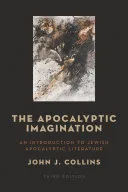
The Apocalyptic Imagination
 80
80

The Apocalyptic Imagination
John J. Collins's The Apocalyptic Imagination remains a cornerstone for anyone serious about understanding the development of apocalyptic thought in ancient Judaism. Its strength lies in its meticulous organization and clear exposition of a genre that can easily overwhelm the uninitiated. Collins expertly navigates the labyrinth of early Enochic texts, Daniel, and Qumranic writings, demonstrating how these diverse works share a common imaginative and theological framework. A particular strength is his detailed breakdown of the distinct phases and characteristics of apocalyptic revelation. However, the book’s academic rigor, while laudable, can also be its limitation for a more general audience seeking spiritual or practical application. The discussion of Daniel's historical context, for instance, while crucial for scholarship, may feel dense to those less familiar with the period. For its comprehensive scholarship and foundational status in the field, The Apocalyptic Imagination is an authoritative survey of a pivotal literary and theological movement.
📝 Description
80
John J. Collins's 1984 study traces the development of Jewish apocalyptic literature.
John J. Collins's The Apocalyptic Imagination examines Jewish apocalyptic literature, a genre concerned with divine revelation about the end times, cosmic conflict, and humanity's ultimate fate. Originally published in 1984 and later revised, the book offers a structured approach to understanding this complex literary tradition's historical and theological foundations. Collins situates this literature within its Second Temple Jewish context, a period of significant political and religious change from roughly 167 BCE to 70 CE. This era produced texts that explored visions of divine judgment and future vindication, influenced by earlier scholarship such as that of R.H. Charles.
The book systematically analyzes core concepts found in apocalyptic writings. These include the role of angelic intermediaries, visionary experiences, divine sovereignty, and the dualistic struggle between good and evil. Collins demonstrates how these ideas appear in specific texts like the early Enochic literature, the Book of Daniel, and the Dead Sea Scrolls. This analysis aims to foster a clear understanding of their theological significance and development within ancient Jewish thought.
This book engages with a significant current within Jewish religious thought that expressed itself through apocalyptic visions and literature. These writings, emerging particularly during periods of crisis in the Second Temple era, provided frameworks for understanding divine plans for history and the cosmos. They often involved elaborate symbolic language, angelic mediation, and detailed eschatological scenarios. Collins's work helps situate this tradition not merely as prophecy, but as a distinct literary and theological mode that deeply shaped subsequent Jewish and early Christian esotericism.
💡 Why Read This Book?
• Gain a structured understanding of the apocalyptic genre's core features and historical trajectory, directly informed by Collins's analysis of texts like the Book of Daniel and the early Enoch literature. • Explore the theological concepts of divine judgment and cosmic conflict as they were articulated in Second Temple Judaism, providing context for later eschatological thought. • Appreciate the scholarly lineage of apocalyptic studies, recognizing the contributions of figures like R.H. Charles and how Collins builds upon or refines their work.
⭐ Reader Reviews
Honest opinions from readers who have explored this book.
❓ Frequently Asked Questions
When was John J. Collins's 'The Apocalyptic Imagination' first published?
The Apocalyptic Imagination by John J. Collins was first published on April 15, 2016. However, its foundational research and earlier editions established its significance much earlier in the study of apocalyptic literature.
What are the main Jewish apocalyptic texts discussed in the book?
The book extensively discusses key texts such as the early Enoch literature (e.g., 1 Enoch), the Book of Daniel, and various writings found among the Dead Sea Scrolls, analyzing their unique contributions to the genre.
How does Collins define the 'apocalyptic imagination'?
Collins defines the 'apocalyptic imagination' as a specific mode of thought and literary expression characterized by divine revelation concerning cosmic conflicts, the end of history, and the ultimate triumph of God's purposes.
What historical period does 'The Apocalyptic Imagination' primarily focus on?
The work primarily focuses on the Second Temple period of Judaism, roughly from the 3rd century BCE to the 1st century CE, a time of intense political and religious activity that shaped apocalyptic thought.
Is this book suitable for beginners in esoteric studies?
While academically rigorous, the book provides a comprehensive survey that can serve as an excellent introduction to the study of apocalyptic literature for serious beginners interested in the historical and textual roots of esoteric traditions.
What is the significance of the Dead Sea Scrolls in Collins's analysis?
The Dead Sea Scrolls offer crucial contemporary evidence of apocalyptic thought and practice during the Second Temple period, providing a unique window into the diversity and evolution of these ideas alongside other sectarian writings.
🔮 Key Themes & Symbolism
Divine Revelation
The book examines how divine revelation functions within apocalyptic literature, often conveyed through visions, dreams, and angelic intermediaries. Collins details the structure of these revelations, exploring their purpose in informing humanity about God's hidden plans, the celestial realms, and the unfolding of eschatological events. This theme is central to understanding how ancient Jews perceived divine communication during times of crisis and transformation.
Cosmic Dualism
A significant focus is placed on the concept of cosmic dualism—the ongoing struggle between forces of good and evil, often personified by God and Satan, or by opposing angelic powers. Collins traces how this worldview, prevalent in texts like the Book of Daniel and the Qumran scrolls, shapes the narrative and theological outlook of apocalyptic writers, presenting history as a battlefield for divine sovereignty.
Eschatological Expectations
The work provides an in-depth analysis of the eschatological expectations found in ancient Jewish literature. Collins explores varied visions of the end of days, including divine judgment, the establishment of a new covenant, and the ultimate vindication of the righteous. These expectations, deeply rooted in the historical circumstances of the Second Temple period, offer insight into the hopes and anxieties of the era.
Literary Genre
Collins meticulously defines and analyzes apocalyptic literature as a distinct genre. He identifies its characteristic features—such as symbolic language, numerology, visions, and pseudonymous authorship—and traces its evolution from earlier prophetic traditions. Understanding these formal elements is crucial for interpreting the complex symbolic language and theological messages embedded within these texts.
💬 Memorable Quotes
Direct passages from the work, attributed to the author.
“The apocalyptic imagination is a mode of thought that arises in times of crisis and social upheaval.”
— This interpretation highlights Collins's view that apocalyptic literature is not merely speculative but often a direct response to historical pressures, serving as a framework for understanding and coping with existential threats.
“Visions and dreams are primary vehicles for divine communication in apocalyptic texts.”
— This points to the importance of visionary experiences as a narrative device and theological mechanism, through which the otherwise hidden divine will is revealed to chosen individuals.
“The Book of Daniel presents a complex interplay of political history and divine prophecy.”
— This emphasizes Collins's analytical approach to Daniel, viewing it not just as prediction but as a sophisticated theological interpretation of historical events through the lens of divine plan.
“Early Enochic literature reveals a rich cosmology and angelology.”
— This concept underscores the detailed exploration of celestial beings and cosmic structures within the Enoch traditions, which Collins meticulously examines to understand their theological significance.
“The Dead Sea Scrolls provide crucial evidence for the diversity of apocalyptic thought.”
— This highlights the value of the Qumran discoveries in illustrating the varied expressions and interpretations of apocalyptic ideas circulating within Jewish communities during the Second Temple period.
🌙 Esoteric Significance
Tradition
While not strictly an esoteric text in itself, The Apocalyptic Imagination is foundational for understanding the esoteric dimensions of Western traditions. It illuminates the roots of Gnostic and Hermetic eschatology, providing the historical and textual basis for later mystical and occult systems that draw heavily on apocalyptic visions of divine intervention and cosmic transformation.
Symbolism
Key symbols explored include the 'Son of Man' figure in Daniel, representing divine authority and future vindication, and the complex angelology and cosmology found in the Enoch literature, which depicts celestial hierarchies and hidden knowledge. These symbols function as conduits for understanding divine power, cosmic order, and the hidden realities that underpin material existence.
Modern Relevance
Contemporary thinkers and practitioners in fields ranging from comparative mythology to certain branches of esotericism and even theological studies continue to draw on Collins's analysis. His work provides a critical framework for understanding modern apocalyptic narratives, conspiracy theories, and the enduring human fascination with divine judgment and ultimate redemption.
👥 Who Should Read This Book
• Students of comparative religion and biblical studies seeking a scholarly yet accessible overview of Jewish apocalyptic literature and its historical context. • Researchers interested in the origins of eschatological thought and its influence on subsequent religious and philosophical traditions, particularly within Western esotericism. • Scholars of ancient history and the Second Temple period requiring a deep understanding of the literature produced during this key era of Jewish history.
📜 Historical Context
The Apocalyptic Imagination emerged from and significantly shaped the study of Second Temple Judaism, a period marked by Hellenistic influence, Roman occupation, and fervent religious expression. Published initially in 1984, Collins's work engaged directly with the ongoing scholarly debates surrounding the origins and development of apocalyptic literature, building upon the foundational work of scholars like R.H. Charles. The intellectual currents of the time included critical historical-biblical studies and comparative religion, where scholars sought to understand texts like Daniel and the Enoch traditions within their specific socio-historical contexts, often contrasting them with earlier prophetic literature or later rabbinic thought. The reception of Collins's work was significant, quickly becoming a standard reference for its comprehensive survey and clear articulation of the genre's characteristics, providing a vital counterpoint to purely theological or allegorical readings.
📔 Journal Prompts
The Book of Daniel's prophetic visions and their interpretation.
The role of angelic beings as divine intermediaries.
The concept of cosmic dualism in Second Temple Jewish thought.
Visions of judgment and vindication in early Enoch literature.
The historical context shaping apocalyptic expectations.
🗂️ Glossary
Apocalyptic Literature
A genre of revelatory literature, often pseudonymous, characterized by symbolic language, visions of cosmic conflict, divine judgment, and the promise of a future redeemed age.
Second Temple Period
The era of Jewish history from the rebuilding of the Jerusalem Temple by Zerubbabel (c. 516 BCE) to its destruction by the Romans (70 CE).
Enochic Literature
A body of ancient Jewish religious writings attributed to the biblical figure Enoch, notable for its extensive angelology, cosmology, and apocalyptic visions (e.g., 1 Enoch).
Qumran Sectarian Texts
Manuscripts found near Qumran, widely believed to be associated with the Essenes, which include biblical commentaries, liturgical texts, and unique apocalyptic and halakhic writings.
Pseudonymity
The practice of attributing authorship of a work to a figure from the past (often a revered prophet or patriarch) to lend authority and antiquity to the text.
Eschatology
The branch of theology concerned with the final destiny of the soul and of humankind; the doctrine or theory concerning death, judgment, and the final things.
Cosmic Dualism
A worldview that posits a fundamental opposition between two primal forces, often good and evil, spirit and matter, or light and darkness, seen as in constant conflict.