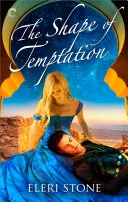
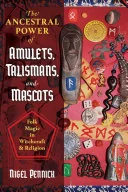
The Ancestral Power of Amulets, Talismans, and Mascots
 82
82

The Ancestral Power of Amulets, Talismans, and Mascots
Nigel Pennick's "The Ancestral Power of Amulets, Talismans, and Mascots" offers a comprehensive survey of enchanted objects, charting their presence across various cultures and historical epochs. Pennick excels in cataloging the sheer diversity of these items, from ancient hagstones to automotive mascots, and meticulously details the symbolic languages—numbers, colors, sigils—that underpin their construction. A notable strength is the inclusion of numerous photographs, which vividly illustrate the artifacts discussed, grounding the theoretical exploration in tangible reality. However, the book occasionally feels more like an exhaustive inventory than a deeply analytical text; while it presents a vast array of information, the connections between different traditions could be more explicitly drawn. The section discussing Norse directional amulets, for instance, is fascinating but could benefit from a more in-depth exploration of their specific ritualistic use. Pennick presents a valuable compendium for anyone interested in the material aspects of magical belief.
📝 Description
82
Nigel Pennick's 2005 book examines the historical and spiritual principles behind protective objects.
This volume investigates the historical and esoteric dimensions of objects created for protection and good fortune. Pennick moves beyond simple folklore to examine the spiritual principles, symbolic languages, and ritual creation methods that give amulets, talismans, and mascots their perceived power. The book details how elements such as color, number, geometric forms, and specific symbols are used to focus intent and energy into tangible artifacts.
The work situates the creation and use of these objects within broader historical and cultural frameworks, tracing their evolution from ancient practices to their manifestation in more modern forms. It highlights how beliefs surrounding these artifacts have shifted and adapted, reflecting societal changes and the enduring human need for tangible aids. Central to the text is the exploration of how specific symbols, like crosses or pentagrams, and materials, such as bones or plants, are believed to channel protective or beneficial energies. The book also examines artifact types, from hagstones to religious relics, and their associated folklore and esoteric traditions.
This book sits within the tradition of Western esotericism, specifically focusing on the material culture of magic and folk belief. It connects to traditions that imbue everyday objects with supernatural power through intention, symbolism, and ritual. Pennick's work draws on historical grimoires, folk practices, and the symbolic systems that underpin magical thinking, examining how these elements coalesce in the creation and use of amulets and talismans across different eras.
💡 Why Read This Book?
• Learn about the specific spiritual principles and esoteric traditions behind the creation of magical objects, drawing directly from Pennick's examination of centuries-old practices. • Discover the symbolic significance of elements like numbers, colors, and geometric emblems as used in hundreds of artifacts, including hagstones and religious relics, as detailed in the book's extensive catalog. • Gain practical understanding of how ancient peoples and modern individuals have utilized objects for protection and fortune, referencing specific examples like car hood mascots and charms associated with gambling.
⭐ Reader Reviews
Honest opinions from readers who have explored this book.
❓ Frequently Asked Questions
What are the core principles behind the creation of magical objects discussed in the book?
The book explores age-old spiritual principles, folklore, and esoteric traditions. It highlights the use of numbers, colors, sigils, geometric emblems, knots, and crosses to imbue objects with specific energies and intentions.
What types of artifacts are featured in 'The Ancestral Power of Amulets, Talismans, and Mascots'?
The work examines hundreds of artifacts, including hagstones, Norse directional amulets, car hood mascots, objects made from bones and teeth, plant and animal-connected charms, gambling charms, and religious relics.
Who is Nigel Pennick, the author?
Nigel Pennick is an author known for his extensive research and writings on European folklore, mythology, runes, and esoteric traditions. 'The Ancestral Power of Amulets, Talismans, and Mascots' was first published on May 4, 2021.
What is the historical scope of the book?
The book covers a broad historical scope, examining artifacts and traditions from ancient times through to more modern manifestations like car hood mascots, illustrating the continuity and evolution of belief in protective and lucky objects.
Does the book include visual examples of the artifacts?
Yes, the book includes photographs of the artifacts discussed, allowing readers to visually engage with the diverse range of amulets, talismans, and mascots explored within its pages.
What esoteric traditions are referenced in the book?
The book touches upon various esoteric traditions and folk beliefs associated with the creation and use of magical objects, including symbolism related to numbers, colors, sigils, and geometric emblems.
🔮 Key Themes & Symbolism
Symbolic Language of Objects
This theme focuses on how specific elements are encoded into amulets and talismans to harness their perceived power. The work details the esoteric significance of numbers, colors, geometric emblems like pentagrams and crosses, and even knots, explaining how these visual and conceptual tools were employed by creators to focus intent and energy. It demonstrates that these are not mere decorations but deliberate choices rooted in ancient symbolic systems designed to influence reality or provide protection.
Material Culture and Belief
The book investigates the tangible forms these magical objects take, exploring materials such as bones, teeth, plants, and stones (like hagstones). It connects the physical properties and origins of these materials to the beliefs surrounding their efficacy. The inclusion of diverse artifacts, from ancient Norse charms to modern car mascots, illustrates the enduring human impulse to create and utilize physical objects imbued with spiritual or protective qualities across different eras and cultures.
Folklore and Esoteric Traditions
This theme bridges the gap between popular folklore and more formal esoteric traditions concerning magical objects. It examines the stories, legends, and rituals associated with items like gambling charms and religious relics. By analyzing these varied cultural expressions, the book reveals a shared human endeavor to understand and interact with unseen forces through consecrated or specially crafted items, tracing common threads across seemingly disparate practices.
Protection and Fortune
Central to the function of amulets, talismans, and mascots is their perceived ability to offer protection or bring good fortune. The work explores specific examples, such as charms for gamblers or directional amulets used in Norse traditions, illustrating the diverse applications of these objects in mitigating risk and attracting desired outcomes. It highlights the psychological and spiritual comfort these artifacts have provided throughout history.
💬 Memorable Quotes
Direct passages from the work, attributed to the author.
“The use of numbers, colors, sigils, geometric emblems, knots, and crosses.”
— This phrase captures the foundational symbolic language detailed in the book. It points to the deliberate construction of magical objects, where each element is chosen for its specific esoteric meaning and energetic potential to create a desired effect.
“Hundreds of artifacts, such as hagstones, Norse directional amulets, car hood mascots, objects made from bones and teeth.”
— This selection of artifact types demonstrates the vast scope of the book's inquiry. It shows the evolution and adaptation of protective and luck-bringing objects across different cultures and time periods, from ancient natural finds to modern manufactured items.
“Age-old spiritual principles, folklore, and esoteric traditions behind the creation of magical objects.”
— This highlights the book's approach: not just cataloging objects, but exploring the underlying belief systems and historical currents that give them meaning and perceived power within human societies.
“Charms associated with gambling, and religious relics.”
— These examples illustrate the practical and diverse applications of enchanted items. They show how objects were used not only for general protection but also for specific purposes, reflecting deeply ingrained human desires for success and divine favor.
“Geometric emblems, knots, crosses, pentagrams.”
— These specific symbols represent key visual components discussed in the text. Their inclusion underscores the importance of sacred geometry and established symbolic forms in the design and consecration of amulets and talismans.
🌙 Esoteric Significance
Tradition
The work draws heavily from European folk magic and broader esoteric traditions that imbue natural and crafted objects with spiritual or magical properties. It aligns with traditions that view the material world as permeable to unseen forces and emphasizes the power of focused intent and symbolic representation. Pennick's approach often bridges popular animistic beliefs with more structured symbolic systems, exploring how these diverse currents inform the creation and use of protective and luck-bringing items.
Symbolism
Key symbols explored include geometric emblems such as the pentagram and cross, which carry millennia of protective and spiritual associations across various cultures. The book also looks at the symbolism of natural elements like hagstones (stones with natural holes, often used for protection) and objects made from bones and teeth, connecting their perceived properties to ancient beliefs about life, death, and spiritual efficacy. Knots and sigils are also highlighted as deliberate symbolic constructs.
Modern Relevance
Contemporary practitioners of folk magic, talismanic magic, and even those interested in the psychology of belief systems find value in Pennick's work. His detailed exploration of historical practices and symbolic languages offers a foundation for modern interpretations and applications. Thinkers and creators exploring the resurgence of interest in material spirituality, the power of symbols in personal development, and the continuity of ancient magical practices often reference or are influenced by such comprehensive studies.
👥 Who Should Read This Book
• Students of folklore and material culture seeking a comprehensive catalog and analysis of protective and luck-bringing objects across different societies. • Practitioners of folk magic and esoteric arts interested in the historical construction, symbolism, and intended functions of amulets and talismans. • Museum curators, historical researchers, and academics examining the role of enchanted objects in shaping human belief systems and cultural practices throughout history.
📜 Historical Context
Nigel Pennick's "The Ancestral Power of Amulets, Talismans, and Mascots," first published in 2021, arrives in an era where interest in esoteric traditions and material culture has seen a resurgence. While not directly engaging with specific contemporaries in its text, its subject matter places it within a lineage of scholarship that includes authors like Mircea Eliade, who explored the sacred and the profane in belief systems, and more contemporary folklorists examining the persistence of magical thinking. The book's detailed cataloging of artifacts and their associated beliefs can be seen as a counterpoint to purely rationalist or anthropological dismissals of such objects, offering a more sympathetic exploration of their enduring significance. It implicitly engages with the academic field's ongoing re-evaluation of folk practices and their complex relationship with formal religion and occultism, particularly since the mid-20th century.
📔 Journal Prompts
Consider the symbolic language of geometric emblems and knots as presented in the book.
Reflect on the specific materials like bones and teeth used in artifact creation.
Analyze the connection between hagstones and ancient protective practices.
Explore the folklore surrounding charms associated with gambling.
Examine the function of Norse directional amulets within their cultural context.
🗂️ Glossary
Amulet
An object believed to possess the power to protect its wearer from harm, danger, or evil influences. Often worn on the body, its efficacy is typically tied to its material, inscription, or consecration.
Talismans
An object imbued with magical properties, often inscribed with symbols or sigils, intended to attract good fortune, power, or specific desired outcomes rather than solely offering protection.
Mascots
An object or creature believed to bring good luck. In the context of the book, this extends to items like car hood ornaments, which serve a similar function to traditional lucky charms.
Hagstones
A stone with a naturally occurring hole, traditionally believed to have protective powers against witches, evil spirits, or the 'evil eye'. Often hung in homes or worn.
Sigils
A magical symbol or sign, often derived from names or intentions, believed to hold specific power or influence when created and charged through ritualistic means.
Pentagram
A five-pointed star, often enclosed in a circle. In esoteric traditions, it can symbolize various concepts including the five elements, protection, or spiritual dominion over the material world.
Norse Directional Amulets
Artifacts from Norse culture believed to aid in navigation or provide protection during journeys, possibly by indicating cardinal directions or warding off perils associated with travel.
This book appears in 1 collection
🔮 Readers Also Liked
Browse all →








From the “Talismans” Collection
View all →




More Free Occult Philosophy Books
View all →