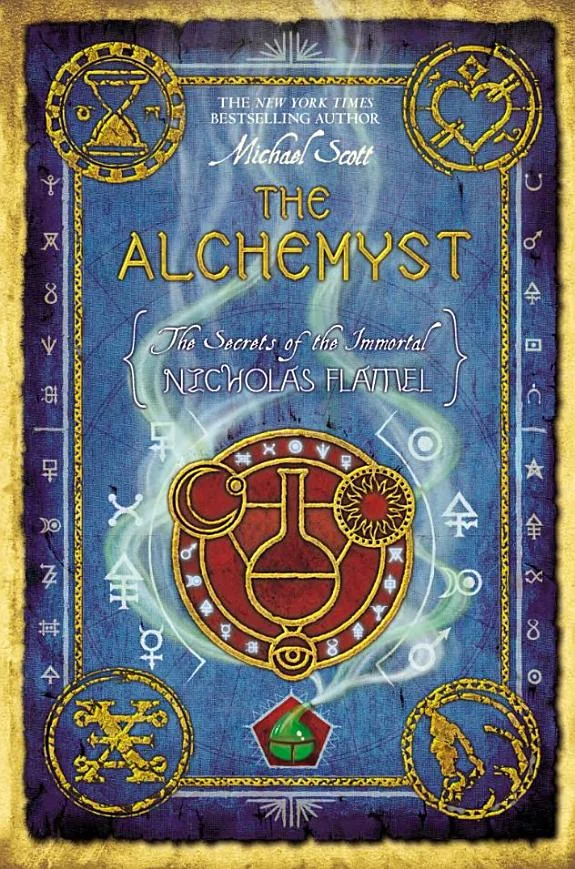
The Alchemyst
 74
74

The Alchemyst
Scott's decision to place the historical Nicholas Flamel at the forefront of a modern YA adventure is a strong hook, though the execution sometimes leans heavily on familiar tropes. The book excels in its world-building, particularly in how it integrates ancient mythology and alchemy into a contemporary setting. The introduction of the Elder race and their apocalyptic ambitions provides a compelling antagonist. However, the pacing can feel rushed, with plot developments sometimes occurring too rapidly for full emotional impact. The dynamic between Sophie and Josh, as they transition from ordinary twins to key players in a magical war, is a central strength, though their individual character arcs could benefit from more nuanced exploration. The portrayal of Flamel as a weary but determined protector is effective. Ultimately, *The Alchemyst* offers an energetic, if occasionally predictable, entry into a fantasy world rich with potential.
📝 Description
74
Michael Scott's 2008 novel, The Alchemyst, begins a series about the legendary alchemist Nicholas Flamel.
The Alchemyst brings mythological figures and magic into a modern setting, where ordinary teenagers Sophie and Josh Newman discover latent magical abilities. Their awakening puts them in direct conflict with immortal beings from occult history. The narrative follows their dangerous path as they encounter figures like Nicholas Flamel and John Dee, who are actively involved in a hidden war. Scott weaves together elements of fantasy, urban fantasy, and historical occultism for a young adult audience.
The book draws on the popular interest in esoteric themes that emerged in the early 21st century. It reimagines Nicholas Flamel, a historical figure associated with the Philosopher's Stone and the Elixir of Life, placing him in a contemporary adventure. The story contrasts the ancient legend of alchemy with the fast-paced demands of a modern fantasy plot. It appeals to readers interested in secret societies, prophecies, and the idea of immortals living among us.
This novel engages with Hermetic traditions through its reimagining of Nicholas Flamel, a historical figure associated with alchemical pursuits. It incorporates concepts like the Philosopher's Stone and the Elixir of Life, central to alchemical lore. The narrative also touches on magical lineages and ancient prophecies, common motifs in esoteric literature. By placing these elements within a contemporary young adult fantasy framework, Scott connects historical occult ideas to a new generation of readers.
💡 Why Read This Book?
• Gain insight into the reinterpretation of historical occult figures, specifically Nicholas Flamel's legendary status, as Scott transforms him into a central character in a modern conflict. • Experience a fast-paced narrative that blends contemporary urban fantasy with classical mythology and alchemical lore, offering a unique take on magic systems. • Understand the narrative function of ancient prophecies and magical artifacts, such as the Codex, in driving a high-stakes plot against powerful, primordial beings.
⭐ Reader Reviews
Honest opinions from readers who have explored this book.
❓ Frequently Asked Questions
What is the significance of Nicholas Flamel in 'The Alchemyst'?
Nicholas Flamel, a real historical alchemist from 14th-century Paris, is reimagined as an immortal being and protector in the book. He is portrayed as the guardian of the magical Codex and a key figure fighting against the Elder race's apocalyptic plans.
Who are the main antagonists in 'The Alchemyst'?
The primary antagonists are John Dee, a powerful sorcerer serving the Elder race, and the Elder race itself. They seek to unleash destruction upon the world and reclaim their ancient dominion.
What is the role of the twins, Sophie and Josh, in the story?
Sophie and Josh Newman are ordinary teenagers who discover they have latent magical abilities. They become central to the prophecy and are tasked with protecting the magical Codex and aiding Nicholas Flamel in his fight.
What is the Codex mentioned in 'The Alchemyst'?
The Codex is a powerful magical book containing ancient spells, prophecies, and secrets, including the recipe for the Elixir of Life. It is a central artifact that Nicholas Flamel protects and that the antagonists seek.
Is 'The Alchemyst' part of a series?
Yes, 'The Alchemyst' is the first book in the 'Secrets of the Immortal Nicholas Flamel' series by Michael Scott, published in 2008. It sets the stage for further adventures involving the main characters and the magical world.
What magical concepts are explored in 'The Alchemyst'?
The book explores various magical concepts including elemental magic, prophecy, immortality, ancient curses, and the creation of magical artifacts. It also introduces mythological figures and creatures from different traditions.
🔮 Key Themes & Symbolism
Immortality and Legacy
The novel posits immortality not just as extended life, but as a burden and a responsibility, embodied by Nicholas Flamel. His legacy is tied to the protection of ancient knowledge and the ongoing battle against forces that threaten humanity. The book explores how different characters perceive and pursue eternal life, contrasting Flamel's protective role with the destructive ambitions of the Elder race. This theme questions the true value of unending existence when faced with the potential for cosmic annihilation.
The Awakening of Hidden Potential
Sophie and Josh Newman represent the trope of ordinary individuals discovering extraordinary abilities. Their latent magical powers, tied to ancient bloodlines, are awakened by proximity to the magical Codex and Nicholas Flamel. This theme highlights the idea that power and destiny can lie dormant within anyone, waiting for the right catalyst. The twins' journey underscores the transformation from mundane existence to active participation in a world of magic and prophecy.
Mythology and Alchemy in a Modern World
Scott masterfully integrates figures and concepts from esoteric traditions, alchemy, and mythology into a contemporary setting. Nicholas Flamel, John Dee, and mythological beings like the Morrigan operate within the narrative's present day. The Philosopher's Stone and the Elixir of Life are presented not just as historical curiosities but as potent magical elements central to the plot. This fusion grounds fantastical elements in historical and occult lore, making the magic feel both ancient and immediate.
Prophecy and Free Will
The existence of the magical Codex and its prophecies creates a tension between predestination and individual choice. The characters grapple with fulfilling ancient predictions versus forging their own paths. While the narrative suggests certain events are foretold, the protagonists' actions and decisions often dictate the outcome. This explores the classic conflict of whether destiny is immutable or can be altered by the will of those involved.
💬 Memorable Quotes
Direct passages from the work, attributed to the author.
“The Codex was the most powerful book in the world.”
— This statement underscores the central importance of the Codex as a magical artifact. It represents not just knowledge, but immense power, making it the ultimate prize for both protagonists and antagonists in the story.
“Nicholas Flamel was the guardian of the greatest secret in the world.”
— This positions Flamel as a figure of immense historical and magical significance, responsible for safeguarding something of profound importance. It immediately establishes his central role in the narrative and the stakes involved.
“The Elder race would return and reclaim the Earth.”
— This declaration sets up the primary conflict of the series, introducing the ancient and powerful antagonists. It establishes the apocalyptic threat that drives the plot and necessitates the intervention of characters like Flamel and the twins.
“Magic is not a toy. It is a force. A power.”
— This interpretation highlights the serious and potentially dangerous nature of magic as depicted in the book. It suggests that wielding such power requires respect, understanding, and responsibility, contrasting with a frivolous or careless approach.
💡 Key Ideas
Editorial paraphrase of the work's core concepts — not direct quotes.
The twins had been trained to be invisible. They were perfect.
This line, referring to Sophie and Josh, hints at their hidden potential and the subtle ways they might already possess qualities that will serve them in the magical world, even before their powers fully manifest.
🌙 Esoteric Significance
Tradition
The work draws loosely from Hermetic and alchemical traditions, reimagining figures and concepts associated with them for a modern YA audience. While not a scholarly treatise, it plays with the popular imagery of alchemy, immortality, and legendary figures like Nicholas Flamel. It departs from strict adherence by framing these elements within a fast-paced, action-oriented fantasy narrative rather than a philosophical or practical magical context.
Symbolism
The Philosopher's Stone and the Elixir of Life are central symbols, representing ultimate transformation, eternal life, and alchemical perfection. The Codex functions as a symbol of ancient, potent knowledge that must be protected from those who would misuse it. Flamel himself symbolizes the enduring power of ancient wisdom and the long, often solitary, path of the alchemist or guardian.
Modern Relevance
Contemporary authors and readers interested in urban fantasy and the popularization of occult history find relevance in Scott's approach. It exemplifies how esoteric symbols and historical figures can be adapted into accessible narratives, influencing current trends in fantasy literature that blend myth, history, and magic for broad appeal.
👥 Who Should Read This Book
• Young adult readers exploring fantasy genres who are drawn to stories featuring mythology, magic, and historical occult figures. • Enthusiasts of urban fantasy seeking narratives that integrate ancient lore and legendary characters into contemporary settings. • Readers interested in accessible introductions to alchemical concepts and historical figures like Nicholas Flamel, presented through an engaging fictional lens.
📜 Historical Context
Michael Scott's *The Alchemyst*, published in 2008, emerged during a period of heightened public fascination with esoteric subjects, fueled by the enduring popularity of fantasy literature and a growing interest in historical occultism. The early 2000s saw numerous popular works reinterpreting figures from alchemical and magical traditions for younger audiences. Scott's novel places Nicholas Flamel, a genuine 14th-century Parisian alchemist known for his reputed discovery of the Philosopher's Stone, at the center of a contemporary fantasy narrative. This approach aligns with a broader trend of bringing historical esoteric figures into modern speculative fiction. The book's reception occurred alongside continued discourse on the pedagogical value and potential dangers of fantasy literature, particularly concerning themes of magic and power. While not directly engaging with a specific school of thought like Hermeticism in an academic sense, it tapped into the popular imagination's embrace of such lore, differentiating itself from purely academic explorations of alchemy.
📔 Journal Prompts
The awakening of Sophie and Josh's powers, and its connection to the Codex.
Nicholas Flamel's perspective on immortality and his role as a guardian.
The function of John Dee as an antagonist serving the Elder race.
Reflections on the concept of the Philosopher's Stone as depicted in the novel.
The significance of the Morrigan's role and her connection to ancient mythology.
🗂️ Glossary
Alchemist
An individual historically associated with the practice of alchemy, a protoscience and philosophical tradition focused on transmutation, the Philosopher's Stone, and the Elixir of Life.
Codex
A magical manuscript central to the plot, containing potent spells, prophecies, and secrets, including the formula for the Elixir of Life. It is fiercely guarded by Nicholas Flamel.
Elder Race
An ancient, powerful race predating humanity, possessing immense magical abilities and seeking to reclaim dominion over the Earth. They serve as the primary antagonists.
Elixir of Life
A legendary alchemical substance reputed to grant immortality and rejuvenation. In the book, its creation is a key secret guarded by Nicholas Flamel.
Morrigan
A figure from Celtic mythology, often associated with fate, war, and sovereignty. In the novel, she appears as a powerful mythological being with significant influence.
Philosopher's Stone
A legendary alchemical substance capable of transmuting base metals into gold and of producing the Elixir of Life. It represents a pinnacle of alchemical achievement.
YA Fantasy
A genre of fiction targeted at young adults, typically featuring elements of magic, adventure, and coming-of-age themes, often with a contemporary setting or world-building.
This book appears in 1 collection
🔮 Readers Also Liked
Browse all →








From the “Immortality” Collection
View all →





More Free Occult Philosophy Books
View all →