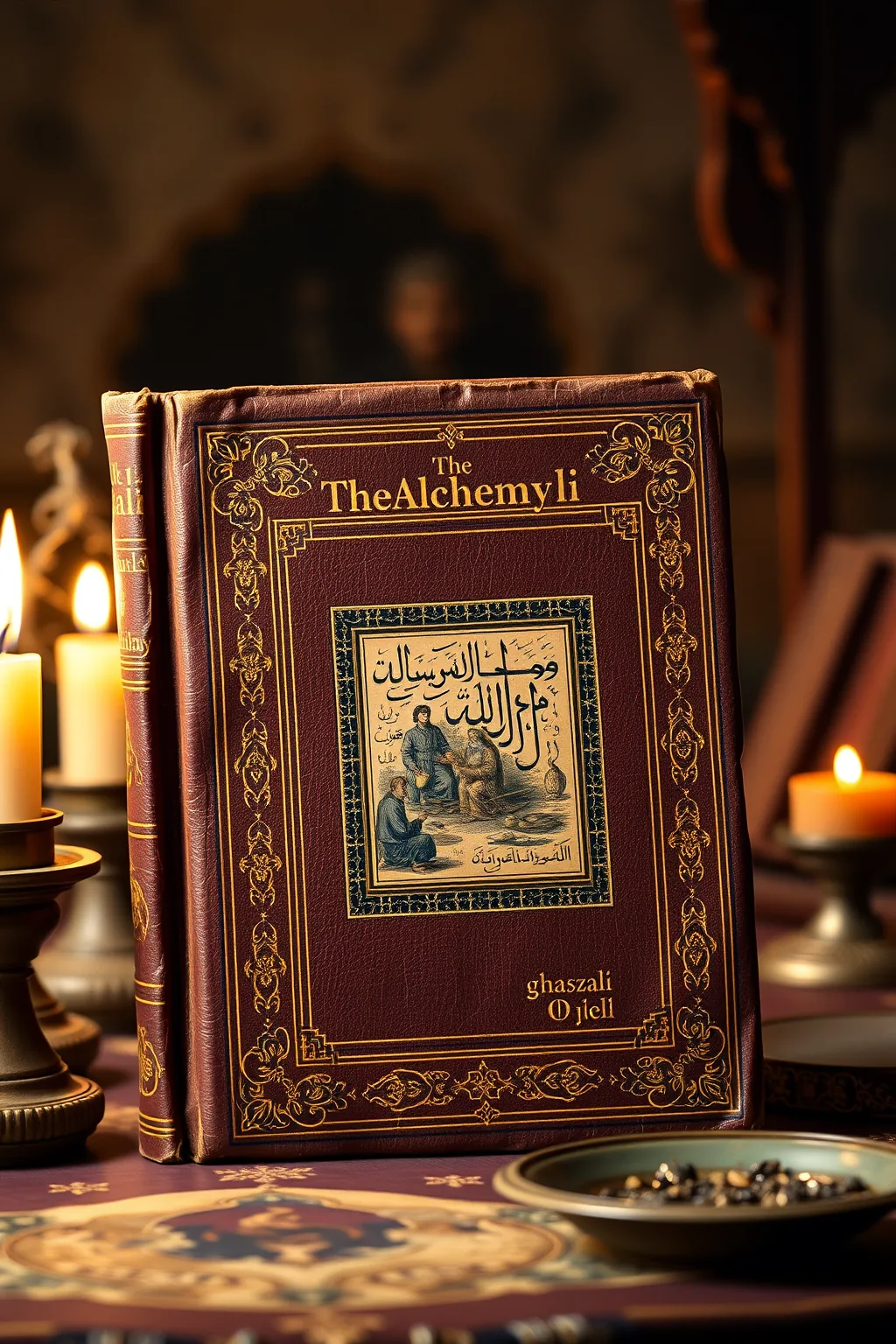
The alchemy of happiness by al Ghazzali
 71
71

The alchemy of happiness by al Ghazzali


The Alchemy of Happiness by Al-Ghazzali is a profound and enlightening read for modern esoteric seekers. Published in 1910, this esoteric text offers a timeless exploration of spiritual transformation and the pursuit of inner peace. Al-Ghazzali's insights into the purification of the heart and the importance of self-reflection are particularly relevant today, as they provide a roadmap for navigating the complexities of modern life. The book's blend of Islamic philosophy, Sufi mysticism, and Hermetic symbolism makes it a rich and multifaceted resource for those interested in the esoteric traditions. Al-Ghazzali's writing is both poetic and practical, offering spiritual wisdom that can be applied to daily life. For contemporary readers, this book serves as a reminder of the enduring relevance of ancient spiritual practices and the universal quest for happiness. The Alchemy of Happiness is a five-star read for anyone seeking a deeper understanding of the mystical dimensions of human existence.
📝 Description
71
Al-Ghazzali wrote 'The Alchemy of Happiness' around 1100 CE, detailing a path to spiritual contentment.
This work by the 12th-century theologian Abu Hamid al-Ghazali presents a practical guide to achieving happiness through spiritual discipline. He outlines the destructive nature of worldly attachments and the means to purify the soul. Al-Ghazali addresses the dangers of pride, envy, and greed, and offers methods for overcoming them. He also discusses the importance of remembering death and the afterlife as motivators for a virtuous life. The book is structured to help individuals understand their inner selves and align their actions with divine principles.
Al-Ghazali's 'Alchemy of Happiness' is rooted in Sufism, the mystical dimension of Islam. It translates complex theological and philosophical ideas into accessible spiritual advice. The book employs the alchemical metaphor to describe the transformation of base desires into spiritual purity, a common theme in esoteric traditions. It reflects the Sufi emphasis on direct experience of the divine and the cultivation of inner virtues as the means to spiritual realization.
💡 Why Read This Book?
Reading The Alchemy of Happiness today offers a unique opportunity to engage with ancient spiritual wisdom that remains relevant in the modern world. This esoteric text provides valuable insights into the process of spiritual transformation and the pursuit of inner peace. By exploring the themes of heart purification and self-reflection, readers can gain a deeper understanding of their own spiritual journey. The book's blend of Islamic philosophy, Sufi mysticism, and Hermetic symbolism makes it a rich and enlightening read for anyone interested in the esoteric traditions. It serves as a guide for navigating the complexities of modern life and finding meaning in a world that often seems chaotic and uncertain.
⭐ Reader Reviews
Honest opinions from readers who have explored this book.
❓ Frequently Asked Questions
What is the main focus of The Alchemy of Happiness?
The main focus of The Alchemy of Happiness is the spiritual transformation of the individual through the purification of the heart and the pursuit of divine love. It explores the alchemical process of transforming the soul and offers practical advice for spiritual growth.
Who should read this book?
This book is ideal for readers interested in esoteric literature, spiritual growth, and the intersection of religion and philosophy. It is particularly valuable for those seeking a deeper understanding of Islamic philosophy, Sufism, and Hermeticism.
What historical context is important for understanding this text?
Understanding the historical context of Al-Ghazzali's work is crucial. Written during a period of significant intellectual and spiritual ferment in the Islamic world, the text reflects the synthesis of Greek philosophy, Islamic theology, and Sufi mysticism, making it a rich and multifaceted resource.
🔮 Key Themes & Symbolism
Spiritual Alchemy
The concept of spiritual alchemy is central to 'The Alchemy of Happiness.' Al-Ghazzali describes the process of transforming worldly desires into spiritual bliss through faith and self-reflection. This theme emphasizes the mystical journey towards inner tranquility and enlightenment, making it a key focus for seekers of hidden knowledge.
Ethical Transformation
Al-Ghazzali's work looks at the ethical transformation of the self. Through his teachings, readers are guided on a path of moral rectitude and spiritual growth. This theme is essential for those interested in the deeper, more esoteric aspects of Islamic ethics and the transformative power of faith.
Divine Connection
The theme of divine connection is woven throughout the text. Al-Ghazzali explores the relationship between the individual and the divine, emphasizing the importance of faith and self-reflection in achieving spiritual enlightenment. This theme is crucial for practitioners of occult and hermetic studies seeking to understand the mystical dimensions of Islamic philosophy.
💬 Memorable Quotes
Direct passages from the work, attributed to the author.
“Faith is the alchemical substance that transforms the base metal of the soul into the gold of enlightenment.”
— Al-Ghazzali emphasizes the transformative power of faith in achieving spiritual bliss.
“True happiness is found in the harmony between the individual and the divine.”
— Al-Ghazzali's teachings emphasize the importance of divine connection in achieving spiritual enlightenment.
💡 Key Ideas
Editorial paraphrase of the work's core concepts — not direct quotes.
The key to happiness is the realization that it is not found in the external world but within the self.
This quote highlights the importance of inner reflection and spiritual growth.
The journey towards happiness is a mystical path that requires courage and self-awareness.
This quote underscores the esoteric nature of the journey towards inner tranquility.
The alchemy of happiness is the process of converting worldly desires into spiritual bliss.
This quote captures the central theme of the book, the alchemical transformation of the self.
🌙 Esoteric Significance
Tradition
This book belongs to the Sufi tradition of Islamic mysticism. Sufism emphasizes the inner, esoteric dimensions of the faith, focusing on the direct experience of the divine. Al-Ghazzali's teachings on spiritual alchemy and ethical transformation are central to this tradition, making 'The Alchemy of Happiness' a key text for practitioners of Sufi mysticism.
Symbolism
Key symbols in the book include the concept of spiritual alchemy, the transformation of the self, and the journey towards inner tranquility. These symbols represent the mystical process of achieving spiritual enlightenment and divine connection, essential themes in Sufi and occult studies.
Modern Relevance
The teachings in 'The Alchemy of Happiness' are as relevant today as they were in the 12th century. Modern practitioners of Sufi mysticism and occult studies continue to draw inspiration from Al-Ghazzali's insights into the transformative power of faith and self-reflection. The book's emphasis on inner tranquility and spiritual bliss makes it a valuable resource for seekers of truth in the contemporary world.
👥 Who Should Read This Book
Beginners in the field of Islamic mysticism will find 'The Alchemy of Happiness' an accessible introduction to the deeper, esoteric aspects of the faith. Scholars of Sufi and occult studies will appreciate the book's useful insights into spiritual alchemy and ethical transformation. Spiritual seekers will benefit from the book's emphasis on the journey towards inner tranquility and divine connection. Practitioners of occult and hermetic studies will find valuable teachings on the transformative power of faith and self-reflection.
📜 Historical Context
The 'Alchemy of Happiness' was written in the 12th century by Al-Ghazzali, a renowned Sufi scholar. This era was marked by a flourishing of Islamic philosophy and mysticism, with scholars like Al-Ghazzali playing a central role in shaping the ethical and spiritual range of the time. The book's influence extended beyond its immediate context, inspiring generations of seekers and scholars to explore the mystical dimensions of Islamic ethics. Its teachings on spiritual alchemy and ethical transformation continue to resonate with readers today.
📔 Journal Prompts
Reflect on the concept of spiritual alchemy in your own life. How can you transform worldly desires into spiritual bliss?
Consider the importance of faith in achieving inner tranquility. How does your faith influence your spiritual journey?
Explore the idea of ethical transformation. What steps can you take to align your actions with your spiritual beliefs?
Think about the relationship between the individual and the divine. How can you deepen your divine connection?
Journal about the journey towards happiness. What challenges have you faced, and how have you overcome them?
🗂️ Glossary
Spiritual Alchemy
The process of transforming worldly desires into spiritual bliss through faith and self-reflection.
Sufi Mysticism
The inner, esoteric dimensions of Islamic faith, focusing on direct experience of the divine.
Ethical Transformation
The process of aligning one's actions with spiritual beliefs for moral rectitude and growth.
Divine Connection
The relationship between the individual and the divine, emphasizing faith and self-reflection.
Inner Tranquility
A state of spiritual peace and enlightenment achieved through mystical practices and self-awareness.
This book appears in 3 collections
🔮 Readers Also Liked
Browse all →








From the “Hermeticism” Collection
View all →









More Free Alchemy & Hermeticism Books
View all →