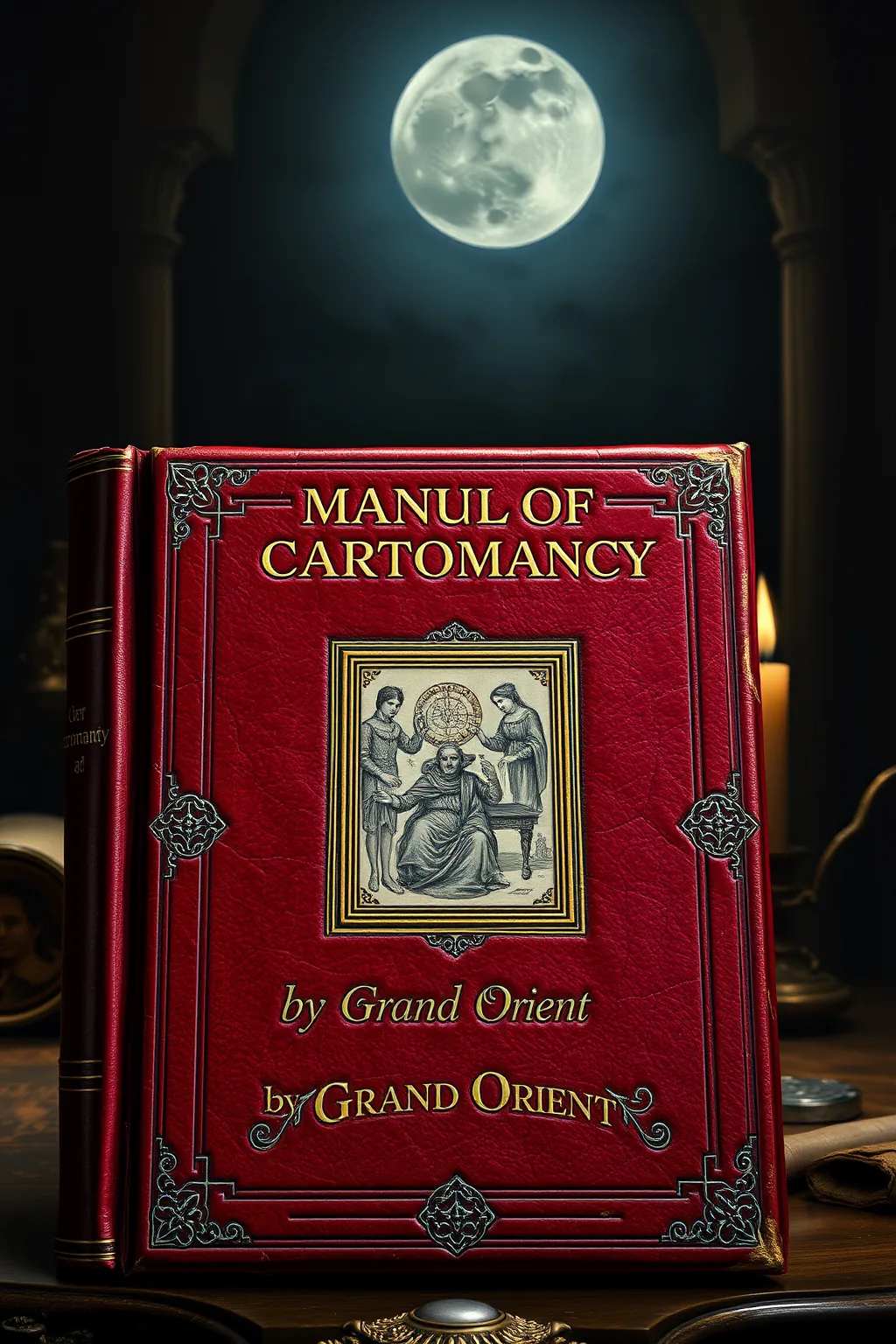
Thank You, Theo
 84
84

Thank You, Theo
Premila James’s Thank You, Theo presents a premise ripe with potential: three distinct twelve-year-olds, each with a peculiar talent or interest, unite against school bullies. The strength of the novel lies in its earnest portrayal of childhood camaraderie and the often-unforeseen ripple effects of planned actions. The chaotic unfolding of the boys' counter-strategy is genuinely amusing, offering moments of slapstick humor. However, the narrative occasionally feels a little too neat in its resolutions, and the development of Toby’s telekinetic belief, while central, could have been explored with more depth beyond its functional role in the plot. The year of publication, 2015, places it in a contemporary YA landscape, yet its core message about solidarity feels universal. Ultimately, Thank You, Theo succeeds as a lighthearted, engaging read about finding courage in unity.
📝 Description
84
Premila James's 2015 novel, Thank You, Theo, follows three twelve-year-olds confronting bullies.
The story centers on Theo, an inventor; Leroy, an energetic boy; and Toby, who claims telekinetic powers. These three friends face torment from schoolmates and devise a plan to fight back. Their scheme, intended to stop the bullying, results in surprising and often funny outcomes.
This book is for young readers aged 10 to 14. It appeals to those who like stories about friendship, overcoming difficult situations, and the unpredictable results of kids trying to solve problems. Readers who enjoy characters with unusual talents and interests, such as science or supposed psychic abilities, will find it engaging. It is a story about underdogs finding their voice and strength.
Published in 2015, Thank You, Theo touches on themes that resonate with certain esoteric ideas, particularly the concept of latent abilities and collective action for empowerment. While not explicitly tied to a specific historical esoteric movement, the narrative of Toby's perceived telekinesis and the boys' united front against adversity echoes traditions that explore the power of the mind and the strength found in community. These elements align with broader fictional and philosophical traditions that examine how individuals, especially the marginalized, can harness inner or shared strengths to overcome external pressures.
💡 Why Read This Book?
• You will gain an appreciation for the unexpected outcomes of scientific thought experiments, particularly through Theo's inventions, and how they can be applied in social situations, mirroring the playful exploration of cause-and-effect often found in early 20th-century scientific thought. • You will experience the humor derived from a group of twelve-year-olds attempting to outsmart their tormentors, understanding how their unique skills, like Toby's belief in telekinesis, create comedic tension and surprising plot twists. • You will feel the power of collective action as Leroy, Theo, and Toby join forces, demonstrating how solidarity can transform perceived weaknesses into a source of strength against peer pressure, a theme reminiscent of early collectivist philosophies.
⭐ Reader Reviews
Honest opinions from readers who have explored this book.
❓ Frequently Asked Questions
What is the primary conflict in Thank You, Theo?
The primary conflict revolves around three twelve-year-old boys—Theo, Leroy, and Toby—who are being bullied at school and decide to join forces to combat their tormentors. Their plan, however, leads to humorous and unexpected results.
What unique abilities do the main characters possess?
Theo is a budding scientist who invents various gadgets. Leroy is characterized as an 'action man.' Toby is convinced he has telekinetic abilities, adding a speculative element to the group's dynamic.
When was Thank You, Theo first published?
Thank You, Theo was first published on April 10, 2015, placing it within the contemporary young adult literature landscape.
What is the overall tone of the book?
The book's tone is generally lighthearted and humorous, focusing on the comedic outcomes of the boys' attempts to deal with bullying. It emphasizes friendship and finding solutions, albeit chaotic ones.
Who is the author of Thank You, Theo?
The author of Thank You, Theo is Premila James. The book was initially published in 2015.
Does the book offer serious advice on dealing with bullying?
While the book highlights the importance of solidarity and finding ways to stand up to bullies, its approach is primarily through humor and the chaotic consequences of the boys' plan, rather than direct advice.
🔮 Key Themes & Symbolism
The Power of Unconventional Ingenuity
Theo's character embodies the spirit of scientific exploration and invention. His creations, ranging from the useful to the absurd, serve as the catalyst for much of the plot's humor and conflict resolution. This theme touches upon the idea that intellectual curiosity and the application of scientific principles, even in a child's world, can lead to unexpected and transformative outcomes, echoing early 20th-century futurist ideals of technological advancement.
Belief in the Unseen
Toby's conviction that he possesses telekinesis introduces an element of the speculative and potentially paranormal into the narrative. This theme explores how belief in extraordinary abilities, whether real or imagined, can empower individuals and influence their actions. It contrasts with Theo's scientific rationalism, suggesting that different ways of understanding the world can coexist and contribute to a collective effort, reminiscent of early psychic research movements.
Solidarity Against Adversity
The core of the story lies in the three boys—Theo, Leroy, and Toby—uniting to face their tormentors. This theme underscores the strength found in unity and mutual support when confronting challenges like bullying. Their combined efforts, driven by a shared goal, demonstrate how individuals can overcome difficult circumstances by pooling their unique talents and perspectives, a concept central to many philosophical and social movements advocating for collective well-being.
Humor in Chaos
The narrative consistently emphasizes the hilarious and often chaotic results of the boys' plans. This theme suggests that even serious issues like bullying can be approached with levity, and that unexpected outcomes can be a source of amusement and learning. The book finds comedic value in the unpredictable nature of childhood schemes, mirroring the absurdist traditions found in some literary and theatrical movements.
💬 Memorable Quotes
Direct passages from the work, attributed to the author.
“Some inventions are useful, some are useless, and some are downright appalling.”
— This statement, likely referring to Theo's creations, sets a humorous tone and establishes the unpredictable nature of invention and problem-solving within the story's context.
“Toby is convinced he has telekinesis.”
— This highlights the speculative element of the story, introducing a character who believes in psychic abilities and suggesting that such beliefs play a role in the boys' collective strategy.
“All are twelve years old and are being bullied at school.”
— This clearly defines the central predicament of the main characters, establishing the shared adversity that motivates their alliance and the story's primary conflict.
“Things don't run to plan, however, and events unfold with hilarious results.”
— This captures the essence of the novel's plot development, promising a narrative filled with comedic mishaps and unexpected twists as the boys' efforts to combat bullying take an unforeseen turn.
“Leroy is an action man.”
— This brief description of Leroy suggests a character with a more physical or direct approach to challenges, contrasting with Theo's scientific methods and Toby's psychic inclinations.
🌙 Esoteric Significance
Tradition
While 'Thank You, Theo' is not explicitly rooted in a specific esoteric tradition like Hermeticism or Kabbalah, its themes of latent abilities and unconventional problem-solving can be seen as a modern, secular interpretation of empowering narratives found in esoteric thought. The belief in Toby's telekinesis, for instance, touches upon parapsychology, a field that gained traction in the late 19th and early 20th centuries alongside theosophy and spiritualism, exploring the potential of the human mind beyond conventional understanding.
Symbolism
Theo's inventions, though often whimsical, can symbolize the alchemical process of transformation—taking raw materials or ideas and reshaping them into something new, often with unpredictable results. Toby's belief in telekinesis represents the power of focused intention and the potential of the mind to influence reality, a concept central to many esoteric practices that emphasize mental discipline and visualization as tools for manifestation.
Modern Relevance
In contemporary discussions surrounding STEM education and the exploration of psychological phenomena, 'Thank You, Theo' offers a relatable entry point. Its depiction of young minds engaging with science and parapsychology, even in a fictionalized context, appeals to modern interest in critical thinking, the placebo effect, and the burgeoning field of consciousness studies. The book's emphasis on collective action also mirrors contemporary discussions on social dynamics and peer influence.
👥 Who Should Read This Book
• Young readers aged 10-14 who enjoy stories about friendship, overcoming adversity, and humorous situations arising from creative problem-solving. • Educators and parents looking for engaging narratives that touch upon themes of bullying, solidarity, and the diverse ways young people express their talents and beliefs. • Fans of lighthearted fiction that blends elements of science, speculative abilities, and relatable schoolyard dynamics.
📜 Historical Context
Published in 2015, Premila James's 'Thank You, Theo' entered a literary landscape where young adult fiction was increasingly grappling with themes of social justice, peer dynamics, and resilience. The early 21st century saw a continued interest in stories that empowered young protagonists, often through unique skill sets or collective action, a trend that had roots in earlier children's literature but gained new traction with contemporary issues. While the book doesn't directly engage with specific esoteric movements, its premise of unique abilities and coordinated resistance can be seen as a modern echo of fictional narratives exploring hidden potentials, a concept explored in various forms from H.G. Wells's early science fiction to later works influenced by New Thought or occult traditions. The reception of such books typically focused on their relatability and messages of empowerment, rather than direct engagement with esoteric scholarship, differentiating them from earlier periods where occult literature might have been debated more overtly among intellectuals.
📔 Journal Prompts
Theo's inventions and Toby's telekinesis as tools for navigating schoolyard challenges.
The dynamics of solidarity between Leroy, Theo, and Toby against their tormentors.
Reflecting on the humorous consequences of plans that don't go as expected.
Examining how belief in extraordinary abilities can influence actions and outcomes.
The balance between scientific ingenuity and speculative belief in problem-solving.
🗂️ Glossary
Telekinesis
The purported ability to move or influence objects by mental effort alone, without physical contact. In the book, Toby believes he possesses this ability.
Invention
A new device, method, or process developed through study and experimentation. Theo, a budding scientist, creates various inventions throughout the story.
Bullying
The use of intimidation or coercion to abuse or oppress someone, especially repeatedly or habitually. This is the central conflict faced by the main characters.
Action Man
A colloquial term suggesting someone who is physically active, decisive, and perhaps impulsive in their approach to situations. Leroy is described this way.
Solidarity
Unity or agreement of feeling or action, especially among individuals with a common interest; mutual support within a group. The boys achieve this to face their bullies.
Esoteric
Intended for or likely to be understood by only a small number of people with a specialized knowledge or interest. Refers to the genre of literature and related concepts.
Parapsychology
A field of study that investigates paranormal and psychic phenomena, including telekinesis and other purported extensions of the mind. Toby's belief falls under this umbrella.
This book appears in 1 collection
🔮 Readers Also Liked
Browse all →








From the “Telekinesis” Collection
View all →



More Free Occult Philosophy Books
View all →