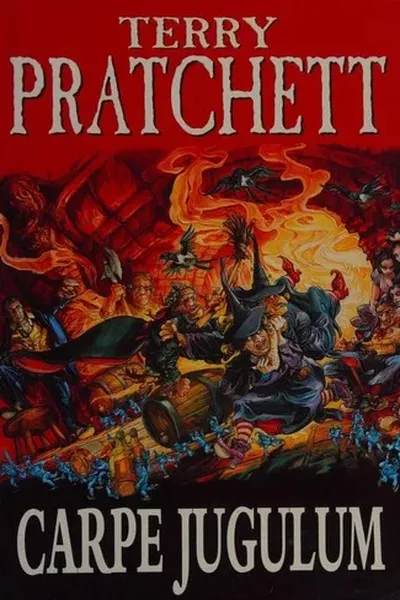
Tendon Nei Kung
 72
72

Tendon Nei Kung
Mantak Chia's Tendon Nei Kung presents a compelling argument for the often-overlooked importance of tendon health, framing it as a cornerstone of vitality and longevity. The "Mung Beans hitting practice," described with specific instructions, stands out as a unique and potentially effective method for joint repair and detoxification, moving beyond generic advice. However, the book's explanations, while detailed, could benefit from more rigorous scientific context to bridge the gap for readers less familiar with Taoist energetic principles. The emphasis on partner exercises, while valuable for certain applications, might limit accessibility for solo practitioners without guidance. Despite these points, Tendon Nei Kung offers a specialized and actionable system for those seeking to enhance their physical resilience at a foundational level, providing a specific pathway to improved health and energy.
📝 Description
72
Mantak Chia's 2009 book, Tendon Nei Kung, details exercises for strengthening and repairing body tendons.
Tendon Nei Kung presents a method for building physical vitality by focusing on the health of the body's tendons. The exercises described aim to improve tendon resilience and function, recognizing their importance in overall bodily structure and movement. The book moves beyond superficial ideas of strength to emphasize the structural power that comes from well-maintained connective tissues.
This manual is suitable for anyone wanting to enhance their physical condition, especially those dealing with age-related issues or seeking to prevent them. It will appeal to martial artists, practitioners of Taoist internal arts, and others who understand how crucial tendons are for power generation, flexibility, and supporting organ health. The text includes routines for both individual practice and training with a partner.
The practices in Tendon Nei Kung draw from ancient Taoist traditions focused on cultivating internal energy and physical resilience, practices refined over centuries. This work fits within a contemporary interest in holistic health and mind-body integration. Chia connects these specific tendon exercises to a lineage of internal alchemy and qigong, positioning them as a method for enhancing longevity and energetic well-being through structural integrity.
💡 Why Read This Book?
• Learn the "Mung Beans hitting practice" as detailed by Mantak Chia to actively repair damaged tendons and joints, a unique technique not found in general fitness literature. • Understand the direct link Chia establishes between tendon strength and internal organ health, offering a novel perspective on holistic well-being beyond typical anatomical focus. • Discover partner exercises designed to increase kinetic chain efficiency and tendon resilience, providing a specific method for shared physical development rooted in Taoist principles.
⭐ Reader Reviews
Honest opinions from readers who have explored this book.
❓ Frequently Asked Questions
What is the primary benefit of the Mung Beans hitting practice described in Tendon Nei Kung?
The Mung Beans hitting practice is designed to stimulate circulation, promote detoxification, and actively repair damaged tendons and joints. It is presented as a method to alleviate issues like constipation, stomach cramps, and headaches, contributing to overall physical restoration.
Can Tendon Nei Kung help prevent arthritis?
Yes, according to Mantak Chia's Tendon Nei Kung, strengthening tendons is presented as a key strategy for preventing arthritis. Healthy tendons provide better support and lubrication for joints, reducing wear and tear associated with degenerative conditions.
Is Tendon Nei Kung suitable for solo practice?
Yes, the book explains how to practice the postures and exercises alone. While partner practice is also detailed for enhanced benefit, the core techniques are designed to be accessible for individual training sessions.
What is the connection between tendons and organ health in Tendon Nei Kung?
The work explores the concept that strong tendons contribute to better energy flow and structural integrity throughout the body, which in turn supports the healthy functioning of internal organs. This connection is a central tenet of the Taoist practices discussed.
When was Tendon Nei Kung first published?
Tendon Nei Kung by Mantak Chia was first published on August 11, 2009. This edition brought his specific methods for tendon strengthening to a wider audience interested in internal martial arts and Taoist health practices.
Does the book require prior knowledge of Qigong?
While prior familiarity with Qigong or Taoist internal arts can be beneficial, Tendon Nei Kung is structured to guide readers through its specific exercises. The detailed instructions aim to make the practices accessible even to those new to these disciplines.
🔮 Key Themes & Symbolism
Tendon Integrity and Longevity
The central thesis of Tendon Nei Kung is that the health and strength of tendons are directly correlated with physical vitality and the prevention of age-related decline. Mantak Chia posits that robust tendons are the foundation for true bodily power, influencing everything from joint mobility to organ function. The book details specific exercises, including the unique Mung Beans hitting practice, aimed at not just strengthening but actively repairing damaged connective tissues. This focus moves beyond superficial muscle building to address a deeper, structural aspect of health critical for sustained well-being and energetic capacity.
Taoist Internal Arts and Energetics
Tendon Nei Kung is firmly rooted in the Taoist tradition of internal arts, specifically Qigong and the cultivation of Qi (vital energy). The work explains how the physical conditioning of tendons is intrinsically linked to the flow of energy within the body's meridians. By strengthening tendons, practitioners can enhance their energetic reserves, improve circulation, and support the harmonious functioning of internal organs. This perspective offers a holistic view where physical structure and energetic vitality are inseparable components of health and longevity.
Holistic Health and Organ Support
Beyond mere physical fitness, Tendon Nei Kung presents a framework where tendon health is crucial for the well-being of internal organs. Mantak Chia illustrates how the kinetic chains originating from strong tendons can positively influence the energetic and physical state of organs such as the stomach and intestines. The book's practices, including specific postures and the Mung Beans hitting method, are presented as tools for detoxification, relieving discomforts like constipation and headaches, and ultimately promoting a more integrated and resilient state of overall health.
Restorative Practices for Joint Health
A significant aspect of Tendon Nei Kung is its emphasis on restorative practices for damaged tendons and joints. The Mung Beans hitting practice, a key component, is described as a method for stimulating cellular repair and rejuvenation in these areas. The book offers practical, actionable techniques designed to address common issues like stiffness, pain, and reduced mobility, aiming to reverse the effects of aging and injury. This focus on repair and regeneration makes the work valuable for those seeking to overcome physical limitations and regain functional capacity.
💬 Memorable Quotes
Direct passages from the work, attributed to the author.
“Healthy tendons are the foundation of true strength in the body.”
— This statement captures the core philosophy of the book, emphasizing that robust tendons, rather than just muscles, are the ultimate source of physical power and resilience. It suggests a deeper, structural approach to strength training.
“The Mung Beans hitting practice, which repairs damaged tendons and joints; relieves constipation, stomach cramps, and headaches; and aids in detoxification.”
— This detailed blurb highlights a specific, innovative practice within the book. It showcases the multi-faceted benefits, connecting tendon repair directly to digestive health and systemic detoxification, underscoring the holistic nature of Chia's approach.
“Explains how to practice the postures alone or with a partner.”
— This practical detail indicates the book's adaptability for different training environments. It suggests that the exercises are versatile, catering to individuals seeking self-improvement as well as those who train in groups or with a coach.
“A guide to strengthening and repairing the tendons to reverse the effects of aging.”
— This concise summary frames the book's primary objective. It positions Tendon Nei Kung as an anti-aging resource, offering tangible methods to counteract physical degradation and restore youthful vitality through targeted tendon conditioning.
💡 Key Ideas
Editorial paraphrase of the work's core concepts — not direct quotes.
Shows how strengthening the tendons can lead to more energy, healthier organs, and prevention of arthritis.
This paraphrase outlines the direct outcomes promised by the book's methods. It bridges the gap between a specific physical focus (tendons) and broader health benefits, including vital energy, internal organ function, and disease prevention.
🌙 Esoteric Significance
Tradition
Tendon Nei Kung draws heavily from the Taoist tradition, specifically its focus on cultivating internal energy (Qi) and enhancing physical resilience through specific somatic practices. It aligns with lineages that emphasize the body as a vessel for spiritual development and longevity. While not overtly mystical, the work's emphasis on the energetic function of tendons and their connection to organ health situates it within a system that views the physical and energetic bodies as deeply interconnected, a hallmark of esoteric Taoist internal alchemy.
Symbolism
Within the context of Tendon Nei Kung, the tendons themselves can be seen as symbolic of connective strength and the underlying structure that supports dynamic movement and vitality. The 'Mung Beans hitting practice' uses a simple, natural element (beans) to stimulate profound physical change, symbolizing how humble means can yield significant transformative results when applied with specific intent and technique. The concept of 'energy flow' through the tendons and their associated meridians is also a symbolic representation of the body's vital energetic network, crucial for health and spiritual cultivation.
Modern Relevance
Mantak Chia's work, including Tendon Nei Kung, continues to be highly relevant for contemporary practitioners of Qigong, Tai Chi, and various martial arts seeking to deepen their understanding of internal power generation and body mechanics. Modern somatic practitioners and physical therapists interested in connective tissue health and injury rehabilitation often find value in Chia's specific exercises. His methods are also frequently referenced within circles exploring holistic health, longevity, and the integration of ancient wisdom with modern wellness approaches.
👥 Who Should Read This Book
• Individuals aged 40+ experiencing joint stiffness or seeking preventative measures against arthritis, looking for practical exercises to improve tendon elasticity and joint health. • Martial artists and movement practitioners aiming to enhance their power generation, flexibility, and resilience by focusing on the often-neglected foundation of tendon strength. • Holistic health enthusiasts interested in Taoist internal arts and Qigong, who wish to explore the intricate connection between physical structure, vital energy, and organ well-being as presented in ancient Chinese traditions.
📜 Historical Context
Mantak Chia's Tendon Nei Kung, published in 2009, arrives at a time when interest in mind-body practices and traditional healing systems, particularly from East Asia, had significantly permeated Western wellness culture. The late 20th and early 21st centuries saw a surge in the popularity of Qigong, Tai Chi, and other Taoist arts, often presented through Western practitioners and authors like Chia himself. This period also witnessed a growing scientific curiosity, albeit often met with skepticism, into the energetic and physiological claims of these traditions. Chia's work fits within this milieu, offering specific, actionable techniques derived from centuries-old Taoist lineages, distinct from the more generalized wellness advice prevalent at the time. While not directly engaging with contemporary academic discourse on somatic practices, his teachings offered a practical system that resonated with individuals seeking deeper, more foundational approaches to health, contrasting with more superficial fitness trends. His work builds upon the foundation laid by earlier Taoist masters and contemporary figures who brought these practices to a global audience.
📔 Journal Prompts
The Mung Beans hitting practice and its restorative effects on tendons.
Tendon strength as a foundation for organ vitality.
Partner exercises for kinetic chain enhancement.
Reversing the effects of aging through connective tissue conditioning.
The role of tendons in overall physical power generation.
🗂️ Glossary
Nei Kung
A Taoist term referring to internal cultivation practices, often focused on developing internal energy (Qi), strength, and spiritual awareness through specific exercises, meditation, and breathing techniques.
Tendons
Tough, fibrous bands of connective tissue that connect muscles to bones, enabling movement and providing structural support. In this context, their health is paramount for overall bodily strength and vitality.
Qi (Chi)
The fundamental concept in Taoism representing vital life force or energy that flows through all living things and the universe, influencing health, vitality, and spiritual development.
Mung Beans hitting practice
A specific exercise detailed in the book, involving striking the body with mung beans, designed to stimulate circulation, repair tendons and joints, and aid in detoxification.
Kinetic Chain
A concept referring to the interconnected series of joints and muscles that work together to produce movement. Strong tendons are crucial for the efficient functioning of these chains.
Arthritis
Inflammation of one or more joints, causing pain and stiffness. The book suggests strengthening tendons as a means of prevention and management.
Detoxification
The process of neutralizing or eliminating toxins from the body. The Mung Beans hitting practice is presented as a method to aid this process.
This book appears in 1 collection
🔮 Readers Also Liked
Browse all →








From the “Chi Energy” Collection
View all →







More Free Occult Philosophy Books
View all →