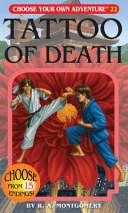
Tattoo of Death
 73
73

Tattoo of Death
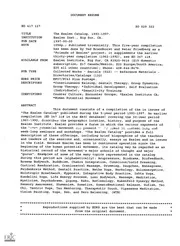
R. A. Montgomery’s "Tattoo of Death" attempts to imbue a middle-grade martial arts narrative with the philosophical weight of tai chi. The premise is strong: a young practitioner of a peaceful art forced to confront a violent gang. The work effectively contrasts the disciplined, internal focus of tai chi with the external, aggressive nature of the Red Flower gang. A particularly effective passage describes the protagonist’s internal struggle to maintain calm when directly threatened, showcasing the practical application of their training. However, the narrative occasionally falters in its pacing, with certain plot developments feeling somewhat abrupt. The characterization of the gang members, while serving the plot, could benefit from more nuanced portrayal beyond simple antagonism. Despite these minor shortcomings, the book offers a valuable exploration of ethical resilience for young readers. It’s a solid contribution to genre fiction that prioritizes inner strength.
📝 Description
73
R. A. Montgomery's 2007 novel "Tattoo of Death" centers on a young tai chi practitioner facing conflict.
Published in 2007, "Tattoo of Death" by R. A. Montgomery follows a young protagonist dedicated to tai chi's peaceful principles. Their life is disrupted by outside threats, forcing them to confront external aggression while upholding their philosophy. The book depicts martial arts not solely as physical technique but as a practice in ethical development and inner strength. It introduces concepts of discipline and moral choice through the protagonist's internal struggles.
This novel is suitable for middle-grade readers, ages 9-12, interested in martial arts or East Asian philosophies. It appeals to those who appreciate stories where characters rely on inner resolve over brute force. Readers seeking narratives that touch on mindfulness, loyalty, and the pressures of coercion will find "Tattoo of Death" to be a thoughtful read. It offers an accessible way to discuss maintaining personal beliefs under duress.
Published in the early 2000s, "Tattoo of Death" reflects a growing Western interest in Eastern philosophies like tai chi and martial arts, often presented through fiction for younger audiences. The book frames martial arts as a discipline cultivating both physical capability and mental fortitude. This approach aligns with esoteric traditions that view physical practices as paths to inner development and ethical understanding, rather than mere combat skills. It taps into a cultural moment where concepts of mindfulness and disciplined self-control were gaining broader recognition.
💡 Why Read This Book?
• Learn how the principles of tai chi, as depicted in the 2007 publication, can be applied to real-life moral dilemmas, offering a unique perspective on conflict resolution beyond physical confrontation. • Understand the symbolic significance of a 'tattoo' within the narrative's context, exploring how it represents commitment, identity, and potential coercion in the face of external pressure. • Experience a story that contrasts the Red Flower gang's aggressive tactics with the protagonist's disciplined adherence to tai chi, illustrating the power of inner balance against external threat.
⭐ Reader Reviews
Honest opinions from readers who have explored this book.
❓ Frequently Asked Questions
What is the primary age range for "Tattoo of Death"?
The book is specifically designed for readers aged 9-12. It addresses themes and complexity suitable for this middle-grade demographic, focusing on a young protagonist's challenges.
What martial art is central to the story?
Tai Chi is the core martial art explored in "Tattoo of Death." The narrative emphasizes its principles of peace, balance, and inner strength as opposed to aggression.
Who are the antagonists in "Tattoo of Death"?
The primary antagonists are the members of the notorious Red Flower gang. They represent the external threat that challenges the protagonist's peaceful way of life.
When was "Tattoo of Death" first published?
The book was first published in October 2007 by R. A. Montgomery.
Does the book explore Eastern philosophical concepts?
Yes, the book delves into concepts associated with tai chi, such as the cultivation of inner strength, balance, and the concept of 'chi' or vital life force.
What kind of conflict does the protagonist face?
The protagonist faces a conflict between their commitment to the peaceful philosophy of tai chi and the violent coercion and recruitment attempts by the Red Flower gang.
🔮 Key Themes & Symbolism
Discipline and Inner Strength
The narrative extensively explores the concept of discipline, not merely as adherence to rules, but as a profound cultivation of inner strength derived from tai chi practice. The protagonist’s ability to resist the Red Flower gang’s intimidation hinges on their mental fortitude and commitment to their training, which emphasizes balance and controlled energy (qi). This theme highlights how internal discipline can serve as a powerful defense against external coercion, presenting a different model of power than brute force.
Peace vs. Aggression
A central tension in "Tattoo of Death" is the stark contrast between the protagonist's peaceful beliefs, rooted in tai chi, and the aggressive, violent methods of the Red Flower gang. The book examines the ethical challenges of maintaining one's pacifist stance when confronted with direct threats and violence. It questions how one can defend oneself and one's principles without compromising the very ideals they uphold, presenting a nuanced view of conflict for young readers.
Symbolism of the Tattoo
The title itself, "Tattoo of Death," points to a significant symbolic motif. In various cultural contexts, tattoos can represent identity, commitment, or spiritual markings. Here, the 'tattoo' appears to be a symbol that marks the protagonist as a target for the Red Flower gang's recruitment. This concept can be interpreted as the gang attempting to impose their identity and agenda onto others, turning a potential mark of individuality or commitment into a sign of forced affiliation and impending danger.
Moral Choice Under Duress
The book centers on the difficult moral choices faced by the protagonist when under extreme pressure. The Red Flower gang’s actions force the young martial artist into situations where they must decide how to respond to threats, coercion, and the potential for violence. The narrative explores the internal conflict that arises from these choices, emphasizing that adhering to one's ethical code, even when difficult, is a form of profound courage. This theme is crucial for developing readers' understanding of ethical decision-making.
💬 Memorable Quotes
Direct passages from the work, attributed to the author.
“The Red Flower gang has targeted you.”
— This statement expresses the central conflict of the book, highlighting the protagonist's sudden immersion into a dangerous external world that disrupts their peaceful practice of tai chi.
“Your tai chi studio is under watch.”
— This phrase establishes the immediate threat to the protagonist's sanctuary and community, indicating that their disciplined and peaceful environment is no longer safe from external danger.
“Not everyone embraces the peaceful belief system.”
— This observation points to internal discord or differing philosophies within the martial arts community, suggesting that conflict can arise not just from external enemies but also from within.
“They have targeted you as a new recruit!”
— This conveys the direct, personal threat to the protagonist, framing the conflict as an attempt at forced assimilation into a hostile group, challenging their individual identity and beliefs.
“Your lifelong practice of tai chi.”
— This phrase underscores the protagonist's deep dedication and the importance of tai chi in their life, setting the stage for how this practice will be tested and potentially used to navigate danger.
🌙 Esoteric Significance
Tradition
While "Tattoo of Death" is aimed at a young audience, its core concepts align with Taoist philosophy, which underpins practices like tai chi. Taoism emphasizes living in harmony with the Tao (the natural order of the universe), promoting balance, non-resistance, and the cultivation of internal energy (qi). The novel translates these principles into a narrative about maintaining inner peace and ethical integrity when confronted by external chaos and aggression, presenting a simplified yet accessible interpretation of these ancient ideas.
Symbolism
The primary symbolism revolves around tai chi itself, representing not just a martial art but a way of life rooted in balance and yielding. The 'Red Flower' can symbolize passion, danger, or an aggressive, perhaps even corrupt, force. The 'tattoo' mentioned in the title likely symbolizes an imposed identity or a mark of coercion, contrasting with the self-cultivated identity of the tai chi practitioner. It signifies the gang's attempt to claim or control individuals.
Modern Relevance
The work's focus on cultivating inner resilience and ethical fortitude in the face of external pressures remains highly relevant today. In an era of pervasive online conflict and social pressures, the novel's portrayal of using disciplined practice (tai chi) to maintain mental and emotional balance offers a valuable lesson. Contemporary mindfulness and self-help practices often echo these themes, making the book a relatable entry point for discussions on emotional regulation and ethical conduct for young people.
👥 Who Should Read This Book
• Young readers (ages 9-12) interested in martial arts or East Asian philosophies, seeking stories that go beyond simple action to explore deeper ethical questions. • Parents and educators looking for literature that subtly introduces concepts of discipline, inner strength, and moral courage in a relatable narrative context. • Fans of adventure stories who appreciate protagonists who rely on wisdom and internal resolve rather than solely physical might to overcome challenges.
📜 Historical Context
Published in 2007, R. A. Montgomery's "Tattoo of Death" emerged in a literary landscape increasingly open to cross-cultural themes and philosophical explorations for young readers. The early 2000s saw a significant rise in the popularity of martial arts and Eastern philosophies within Western popular culture, moving beyond niche interests into mainstream awareness. Books like this reflected a growing curiosity about practices such as tai chi, often presented as avenues for self-improvement, discipline, and inner peace. While not directly engaging with academic discourse, the novel taps into the broader cultural zeitgeist that viewed these practices as valuable tools for character development. It offered an alternative to more conflict-driven narratives by centering on the ethical application of martial arts principles. Contemporaries in the children's literature sphere were also beginning to explore more complex moral quandaries and diverse cultural backgrounds, making "Tattoo of Death" part of a developing trend.
📔 Journal Prompts
The protagonist's lifelong practice of tai chi.
The Red Flower gang's methods of recruitment.
The symbolic meaning of a 'tattoo' in this context.
Maintaining a peaceful belief system under threat.
The contrast between internal balance and external aggression.
🗂️ Glossary
Tai Chi
A traditional Chinese martial art practiced for both its defense training and its health benefits. It involves slow, flowing movements, deep breathing, and meditation, emphasizing balance, flexibility, and the cultivation of vital energy (qi).
Chi (Qi)
In traditional Chinese culture and medicine, chi is the vital life force or energy believed to flow through all living things. Tai chi practice aims to cultivate and balance this energy for health and vitality.
Red Flower gang
The antagonistic group in "Tattoo of Death." They represent external aggression and coercion, contrasting with the protagonist's peaceful philosophy and martial arts practice.
Martial Arts Studio
The place where the protagonist practices tai chi. It serves as a sanctuary of discipline and peace, which becomes a target for the antagonistic gang.
Recruit
To enlist someone into a group or organization, often through persuasion or coercion. In the book, the Red Flower gang targets the protagonist for recruitment.
Belief System
A set of principles or tenets that an individual or group holds as true and guides their behavior. The protagonist's belief system is rooted in the peaceful tenets of tai chi.
Lifelong Practice
An activity or discipline that someone has engaged in consistently over a significant portion of their life. The protagonist's tai chi practice is described as such.
This book appears in 1 collection
🔮 Readers Also Liked
Browse all →






From the “Tai Chi” Collection
View all →






More Free Occult Philosophy Books
View all →