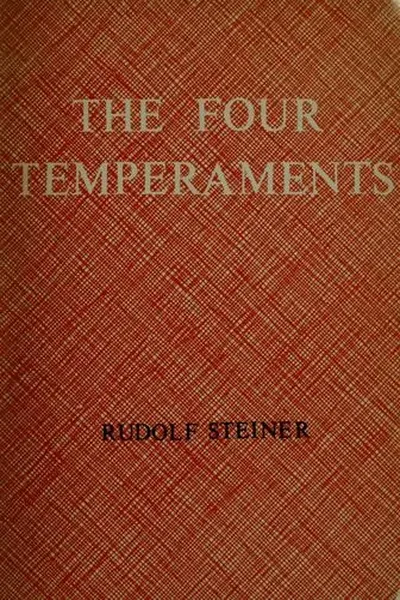
Tarot Talismans
 76
76

Tarot Talismans
The Ciceros’ "Tarot Talismans" offers a compelling argument for the tarot as more than a divinatory tool, framing it as a dynamic system of magical energies. Their exploration of how each card can function as a potent talisman or amulet is meticulously laid out, drawing from established magical principles. A notable strength lies in the detailed examination of magical ethics and the role of the divine, providing a robust theoretical foundation before delving into practical applications. However, the sheer depth of esoteric theory presented might prove dense for absolute beginners to occultism, requiring a certain level of prior knowledge to fully appreciate the nuances. The section on the specific energies and talismanic uses of the Minor Arcana, for instance, demands careful study. Ultimately, "Tarot Talismans" is an essential text for those seeking to bridge the gap between tarot symbolism and active magical practice.
📝 Description
76
Published in 2006, Tarot Talismans proposes the tarot deck as a system for magical creation, not just divination.
Tarot Talismans by Sandra Tabatha Cicero and Chic Cicero presents the 78 tarot cards as potent energetic constructs, usable as talismans and amulets. The authors detail the theoretical basis for this application, including the nature of magic itself and the role of divine forces. The book guides serious students of Western Esotericism who have a basic understanding of tarot and want to use it practically in their magic. It is for practitioners who wish to integrate symbolic systems into ritual work and researchers interested in the history and theory of talismanic magic. Those who see the tarot as a living power system, beyond simple fortune telling, will find this text valuable.
The core idea is transforming tarot cards into magical talismans and amulets. This requires understanding each card's specific energetic signature and the principles of magical operation. The book explains how to imbue cards with intention, activate them for particular aims, and use them for protection or manifestation.
Released in 2006, Tarot Talismans appeared during a period of renewed interest in ceremonial magic, with influences from figures like Aleister Crowley and the Hermetic Order of the Golden Dawn. The Ciceros offer a unique perspective by focusing on the tarot as a direct power source for talismans, differing from traditional Golden Dawn or Crowleyan systems that incorporated tarot imagery into broader rituals. Their work connects with a lineage of magical theory that views symbolic systems as tangible energetic matrices.
💡 Why Read This Book?
• Learn to view the tarot not just for divination, but as a system for crafting magical talismans, a concept explored in detail by the Ciceros. • Understand the fundamental principles of talismanic magic, including the role of divine forces and magical ethics, as outlined in Part One of the book. • Discover the specific energetic signatures and amuletic uses of individual tarot cards, a core practical element detailed throughout the text.
⭐ Reader Reviews
Honest opinions from readers who have explored this book.
❓ Frequently Asked Questions
What is the primary difference between this book's approach to tarot and traditional divination methods?
Tarot Talismans recontextualizes the tarot deck as a source of magical energies for creating talismans and amulets, moving beyond its common use as a tool solely for fortune-telling or self-reflection.
What foundational knowledge is recommended before reading Tarot Talismans?
A basic understanding of tarot symbolism and some familiarity with occult or esoteric concepts is beneficial. The book itself covers magical theory but assumes a reader willing to engage with complex esoteric ideas.
Can the methods described in Tarot Talismans be applied without prior magical experience?
While the book provides theoretical groundwork, practical application of talismanic magic requires dedicated study and practice. It is designed for those serious about integrating tarot into magical work.
What ethical considerations are discussed regarding the use of tarot as talismans?
The book dedicates significant attention to magical ethics, exploring responsible use, the intent behind creating talismans, and the potential impact of such magical workings.
Does the book focus on specific types of talismans or amulets?
Yes, the authors detail how to transform tarot cards into talismans and amulets for various purposes, exploring the specific energies associated with each card for magical application.
When was Tarot Talismans first published?
Tarot Talismans was first published in 2006, offering a modern perspective on an ancient system of symbolism and magic.
🔮 Key Themes & Symbolism
Tarot as Energetic System
The book posits the tarot deck as a vibrant ecosystem of interconnected energies and entities, far exceeding its traditional role in divination. Each card is presented not as a static image but as a dynamic construct holding specific magical potential. This perspective invites practitioners to engage with the cards as active forces that can be harnessed for magical operations, imbuing them with intent and purpose.
Talismanic and Amuletic Magic
A core focus is the transformation of tarot cards into potent talismans and amulets. The Ciceros detail the theoretical underpinnings of this practice, explaining how to imbue cards with specific energies and intentions. This section moves beyond symbolic interpretation to practical application, guiding readers on how to create and utilize these personalized magical objects for various aims.
Magical Theory and Ethics
Before detailing practical applications, the authors establish a robust theoretical framework. This includes discussions on the nature of magic, how magical operations function, the essential role of divine forces in spellwork, and critically, a comprehensive examination of magical ethics. This ensures that the practical techniques presented are grounded in a responsible and informed approach to esoteric practice.
Interconnectedness of the Deck
Tarot Talismans emphasizes that the Major and Minor Arcana are not separate entities but form a unified magical system. The book explores how these different energies interact and can be synergistically employed. Understanding this interconnectedness is presented as key to unlocking the full potential of the tarot for creating powerful and effective talismans and amulets.
💬 Memorable Quotes
Direct passages from the work, attributed to the author.
“The tarot is much more than a collection of symbolic images--it's a vibrant ecosystem of interconnected energies and entities.”
— This statement reframes the tarot from a passive divinatory tool to an active, living system of magical forces, setting the stage for its application as talismans.
“These powerful cards can be magically transformed into talismans and amulets.”
— This is the central thesis of the book, highlighting the practical, creative potential of the tarot for practitioners of Western Esotericism.
“Part one of this book explores the nature of talismans and amulets, how magic works, the role of the divine in magic, and magical ethics.”
— This outlines the foundational theoretical work presented, emphasizing the importance of understanding principles before engaging in practical magical creation.
“The specific energies and talismanic/amuletic uses of [cards]”
— This indicates the book's progression into the detailed, card-by-card analysis of their magical applications, moving from theory to specific practice.
“The Ciceros' approach transforms the tarot into a direct source of magical power.”
— This interpretation emphasizes the book's unique contribution by viewing the tarot not just as a symbolic map but as a tangible reservoir of magical energy for active use.
🌙 Esoteric Significance
Tradition
This work falls squarely within the Western Esoteric tradition, particularly Hermeticism and ceremonial magic. It draws upon the principle of 'as above, so below,' viewing the tarot as a microcosm of universal forces that can be manipulated for practical effect. The Ciceros' approach extends the symbolic interpretation of the tarot, as seen in systems like the Golden Dawn, into a tangible practice of talismanic creation, aligning with magical traditions that see symbols as conduits of power.
Symbolism
The primary symbols are the 78 tarot cards themselves, each viewed as a distinct energetic matrix. The Fool (0) might represent pure potential and the beginning of a magical operation, while The World (XXI) could symbolize completion and manifestation. The Ciceros likely explore how specific imagery, numbers, and suits within the Minor Arcana (Wands, Cups, Swords, Pentacles) correspond to elemental forces and specific intentions for talismans.
Modern Relevance
Contemporary practitioners of ritual magic, chaos magic, and those exploring modern witchcraft often draw upon established symbolic systems like the tarot for spellcraft. The Ciceros' method of creating talismans from cards provides a concrete, accessible technique that appeals to modern seekers looking for practical applications of esoteric knowledge. Their work is referenced in discussions about magical correspondences and the energetic potential of everyday objects imbued with intent.
👥 Who Should Read This Book
• Tarot enthusiasts seeking to deepen their practice beyond divination, particularly those interested in Western Esotericism and practical magic. • Students of ceremonial magic and talismanic arts looking for a unique system to integrate symbolic correspondences into their workings. • Occult researchers and historians interested in the evolution of tarot usage and its application within contemporary magical theory and practice.
📜 Historical Context
Published in 2006, "Tarot Talismans" emerged during a period of renewed interest in practical occultism and magical theory, building upon foundations laid by earlier esoteric movements. The Ciceros' work engages with a lineage tracing back to the Hermetic Order of the Golden Dawn and later figures like Aleister Crowley, who integrated tarot symbolism into their magical systems. However, their specific focus on transforming cards into talismans offers a distinct methodology. This approach stands apart from purely divinatory or psychological interpretations of the tarot prevalent in some New Age circles. While contemporary authors like Lon Milo DuQuette explored magical applications of various systems, the Ciceros’ detailed, systematic approach to tarot as a source for talismans provided a specific niche, contributing to the ongoing discourse on practical magic and symbolic systems.
📔 Journal Prompts
The energetic transformation of a tarot card into a talisman.
Reflecting on the divine role in magical operations as presented by the Ciceros.
Analyzing the ethical considerations of creating a tarot talisman for personal gain.
Personal interpretation of the interconnected energies within the Major Arcana.
The application of specific Minor Arcana energies to create an amulet.
🗂️ Glossary
Talisman
An object inscribed with symbols or energies, consecrated and charged to produce a specific magical effect or attract certain influences.
Amulet
An object worn for protection against evil, danger, or disease; often imbued with magical properties to ward off negative influences.
Esotericism
Systems of thought and practice concerned with hidden knowledge, spiritual illumination, and direct experience of the divine, often involving symbolic interpretation and ritual.
Magical Ethics
Principles governing the responsible and moral use of magical powers, focusing on intent, consequence, and the avoidance of harm.
Energetic Signature
The unique vibrational quality or essence of a person, object, or concept, which can be understood and manipulated in magical practice.
Ceremonial Magic
A structured form of magic involving elaborate rituals, specific tools, invocations, and often drawing upon Kabbalistic and Hermetic principles.
Hermeticism
A philosophical and religious tradition based on the purported teachings of Hermes Trismegistus, emphasizing divine knowledge, the interconnectedness of all things, and spiritual ascent.
This book appears in 1 collection
🔮 Readers Also Liked
Browse all →









From the “Talismans” Collection
View all →



More Free Occult Philosophy Books
View all →