Tarot
 61
61

Tarot



Lorelei Sage, Contemplative Literature Editor: Fritz Scholder’s 'Tarot' is a masterful fusion of artistic genius and esoteric depth. Eschewing conventional interpretations, Scholder presents the Tarot as a profound visual dialogue with the subconscious. His bold strokes and evocative palette unlock layers of archetypal wisdom, resonating with a raw, untamed energy. This work speaks directly to the soul, offering not answers, but profound questions that illuminate the path of inner exploration. It is an essential addition for anyone seeking to understand the Tarot through the lens of contemporary spiritual art, appealing to both seasoned practitioners and curious minds drawn to the intersection of art and mysticism. A truly transformative experience.
📝 Description
61
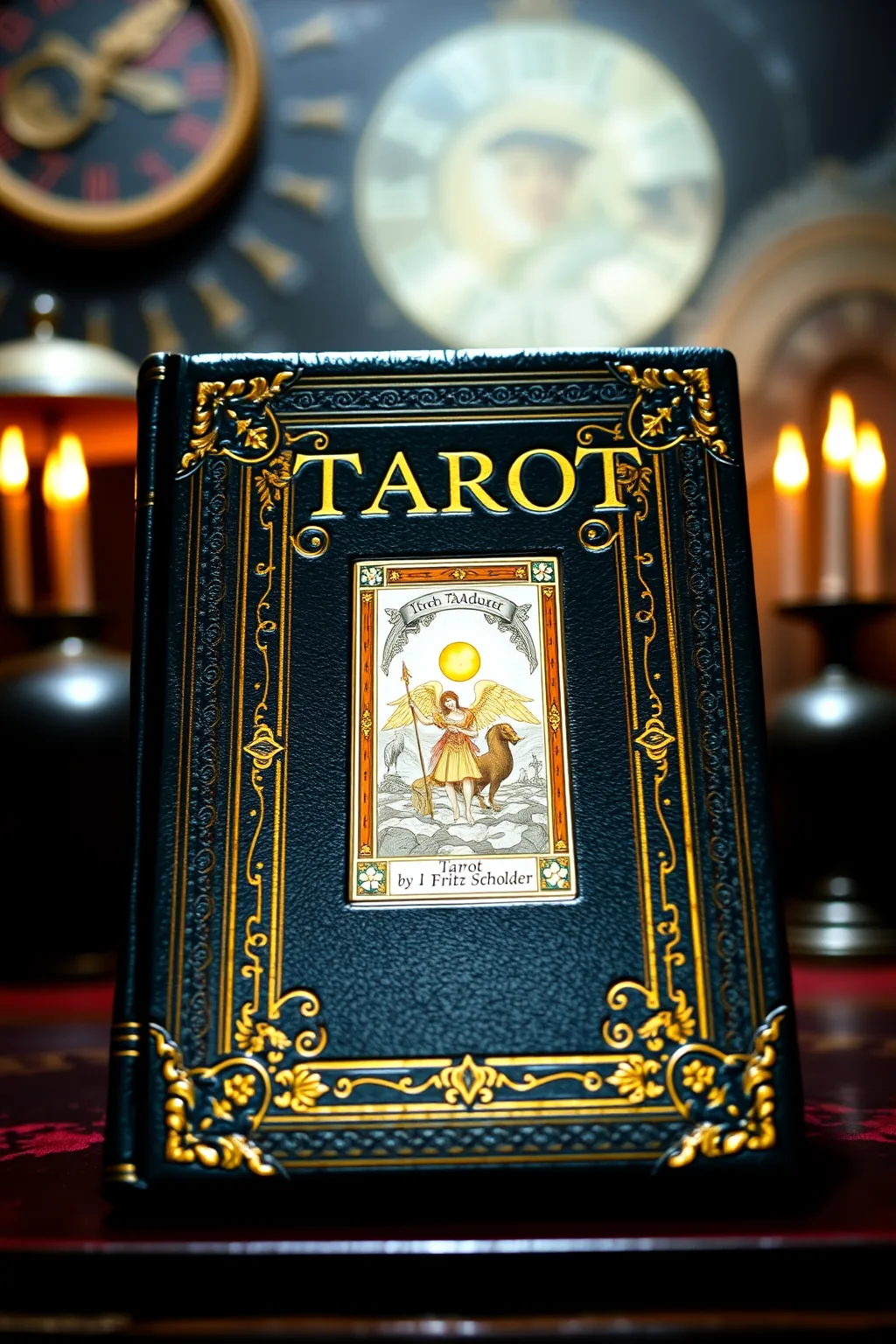
Fritz Scholder's 1981 'Tarot' reimagines the cards as potent symbols for inner awakening.
Fritz Scholder's 1981 book 'Tarot' presents the cards not as tools for prediction, but as visual prompts for introspection. Scholder, known for his distinctive art, fills each card with a strong emotional charge. He uses familiar archetypes to represent internal shifts and self-understanding. The book encourages readers to look inward, examining their own thoughts and feelings.
Through his use of color and design, Scholder adds depth to the traditional meanings. He prompts reflection on concepts like destiny, personal choice, and how everything is connected. This work is for those interested in both art and esoteric ideas, serving as an introduction to a visual way of understanding deeper truths and personal growth. It merges artistic skill with spiritual insight, showing how art can be a channel for esoteric knowledge and change.
Scholder's 'Tarot' fits within the broader tradition of artists and thinkers who use the tarot deck as a framework for psychological and spiritual exploration, rather than solely for divination. This approach draws on symbolic interpretation, connecting the card imagery to concepts of personal growth and self awareness. It aligns with esoteric movements that see universal patterns reflected in symbolic systems, using them as a means to understand the human condition and the subtle energies of existence. The book acts as a bridge between visual art and introspective practice.
💡 Why Read This Book?
Embark on a visual pilgrimage into the heart of esoteric symbolism with Fritz Scholder's 'Tarot.' This is essential reading for artists seeking to infuse their work with spiritual resonance, scholars of occult symbolism, and seekers yearning for a deeper, more intuitive connection to the archetypal forces that shape our lives. Discover a fresh, powerful perspective on ancient wisdom, translated through the electrifying vision of a master artist.
⭐ Reader Reviews
Honest opinions from readers who have explored this book.
❓ Frequently Asked Questions
Is this book a guide to traditional Tarot readings?
While rooted in Tarot symbolism, Scholder's 'Tarot' is primarily an artistic and philosophical exploration. It invites contemplation and intuitive understanding rather than providing a prescriptive method for fortune-telling.
What makes Scholder's approach to Tarot unique?
Scholder's unique approach lies in his bold, expressive artistic style, which imbues the Tarot archetypes with raw emotional power and a contemporary spiritual sensibility. He focuses on the psychological and existential dimensions of the cards.
Who is the intended audience for this book?
This book is ideal for art enthusiasts, collectors of artists' books, students of esoteric traditions, and individuals seeking a more profound, introspective engagement with the Tarot beyond simple divination.
Does the book include interpretations of each card?
The book is an artistic presentation rather than a textual guide. Interpretations are implied through the visual language and symbolic interplay, encouraging personal insight and dialogue.
What is the primary value of this book?
Its primary value lies in its groundbreaking artistic interpretation of the Tarot, offering a powerful visual key to understanding its archetypal energies and their relevance to modern spiritual consciousness.
🔮 Key Themes & Symbolism
The Alchemy of Archetypes
Scholder transforms the classic Tarot archetypes into potent, visceral symbols that resonate with raw psychological and spiritual energy. This theme explores how the artist transmutes familiar imagery into new conduits for understanding the self and the universe. Each card becomes a crucible, inviting introspection and revealing the alchemical processes of transformation inherent in human experience, urging the reader to see beyond the surface and into the profound, hidden currents of meaning.
Visual Language of the Soul
This book is a proof of the power of art as a direct line to the subconscious. Scholder’s bold use of color, form, and composition creates a visual language that bypasses the intellect and speaks directly to the soul. The theme examines how this artistic expression unlocks hidden knowledge, fostering intuitive understanding and spiritual awakening. It highlights the capacity of art to articulate the ineffable, guiding readers through an inner landscape illuminated by symbolic resonance.
The Nexus of Art and Esotericism
Fritz Scholder's 'Tarot' stands as a significant bridge between the areas of high art and esoteric inquiry. This theme examines how the artist, through his profound engagement with the Tarot, not only creates a visually stunning work but also a profound text for spiritual exploration. It underscores the idea that art can be a sacred practice, a pathway to uncovering universal truths and ancient wisdom, making the esoteric accessible and deeply personal through aesthetic experience.
💬 Memorable Quotes
Direct passages from the work, attributed to the author.
“The cards whisper secrets to the soul.”
— Suggests the Tarot, as interpreted by Scholder, acts as a subtle, intuitive guide, revealing profound truths that resonate deeply within our inner being.
“Form follows feeling, not just function.”
— Highlights Scholder's emphasis on emotional and spiritual expression guiding artistic creation, rather than purely practical or representational concerns.
“Every stroke is a meditation.”
— Implies a deep, mindful practice in Scholder's creation process, where each artistic decision is imbued with spiritual intention and contemplative thought.
“The universe unfolds in symbolic dance.”
— Reflects a cosmic worldview where reality is understood through interconnected symbols and energetic movements, a central tenet of esoteric thought.
💡 Key Ideas
Editorial paraphrase of the work's core concepts — not direct quotes.
Color is the language of the spirit.
This quote emphasizes Scholder's belief that vibrant hues and artistic expression are direct conduits to spiritual understanding, transcending verbal communication.
🌙 Esoteric Significance
Tradition
Scholder's 'Tarot' draws deeply from the Western esoteric tradition, particularly its Kabbalistic and Alchemical underpinnings that inform much of traditional Tarot interpretation. However, he infuses it with a distinctly modern, psychological, and artistic sensibility, moving beyond rigid dogma to a more intuitive and experiential understanding of archetypal forces.
Symbolism
The book reinterprets traditional Tarot symbolism through Scholder's unique artistic lens. Expect bold, often abstracted figures and powerful color juxtapositions that amplify the inherent meanings of the Major Arcana – from the Fool's journey of initiation to the World's completion. The symbolism is less about literal representation and more about emotional and spiritual impact.
Modern Relevance
In an era often characterized by spiritual seeking and a desire for deeper self-understanding, Scholder's 'Tarot' offers a potent contemporary interpretation. It provides a visually arresting and philosophically rich way to engage with universal human experiences and archetypal patterns, making ancient wisdom accessible and relevant to the modern seeker through the enduring power of art.
👥 Who Should Read This Book
This compelling work is a treasure for artists and art collectors who appreciate the intersection of creativity and spirituality. It will deeply resonate with students and practitioners of esoteric traditions, particularly those interested in the Tarot's deeper symbolic language. Seekers of self-knowledge and philosophical inquiry will find fertile ground for contemplation within Scholder's evocative imagery. Even those new to the Tarot will be drawn in by the sheer power and beauty of the artwork, offering an intuitive entry point into its profound mysteries.
📜 Historical Context
Published during a period of burgeoning interest in both contemporary art and alternative spiritualities, Fritz Scholder's 'Tarot' emerged as a powerful artistic statement. The late 20th century saw a significant cross-pollination between artistic movements and esoteric philosophies, with artists increasingly drawing inspiration from mysticism, Jungian psychology, and Eastern traditions. Scholder, already a celebrated figure for his unique portrayal of Native American subjects, turned his formidable talent towards the ancient symbolism of the Tarot. This work reflects a broader cultural shift where established artistic mediums were being re-examined and infused with deeper, often spiritual, meaning. It stands as a notable example of an artist's book that transcends its physical form, offering a profound visual and philosophical engagement with timeless themes of human destiny and consciousness.
📔 Journal Prompts
How does the color palette in Scholder's interpretation of The Fool speak to your own sense of starting new journeys?
Reflect on a moment where a 'hidden knowledge' was revealed to you, similar to the layered symbolism in Scholder's artwork.
Consider the archetype represented by The Hermit in Scholder's style. What does inner introspection mean to you today?
How does the artist's bold approach to the High Priestess challenge or affirm your understanding of intuition?
If you were to create your own 'Tarot' card based on a current life theme, what would be its central symbolic element and dominant color?
🗂️ Glossary
Archetype
Universal, archaic patterns and images that derive from the collective unconscious and are the psychic counterpart of instinct. In Tarot, these are embodied by the figures and symbols of the cards.
Esotericism
Knowledge and practices that are esoteric, meaning secret, hidden, or meant only for a select group of initiates. It often refers to mystical or spiritual traditions.
Symbolism
The use of symbols to represent ideas and qualities, by giving them meanings that are different from their literal sense. In art and Tarot, symbols convey complex concepts and energies.
Mysticism
The pursuit of achieving communion with, identity with, or conscious awareness of an ultimate reality, divinity, or spiritual truth through direct experience.
Artist's Book
A book created by an artist as an artwork in itself, often exploring the medium of the book as a sculptural or conceptual object.
This book appears in 3 collections
🔮 Readers Also Liked
Browse all →
From the “Tarot” Collection
View all →![Cicero in twenty eight volumes. Vol.20: De senectute, De amicitia, De divinatione [Loeb 154]](/img/thumb/cicero-in-twenty-eight-volumes-vol-20-de-senectute-de-amicitia-de-divinatione-loeb-154-cicero-marcus-tulius-106-43-bce.webp)

More Free Divination & Tarot Books
View all →