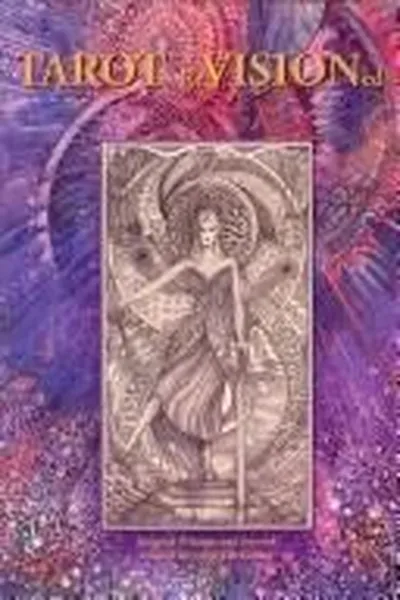
Tarot for Beginners
 61
61

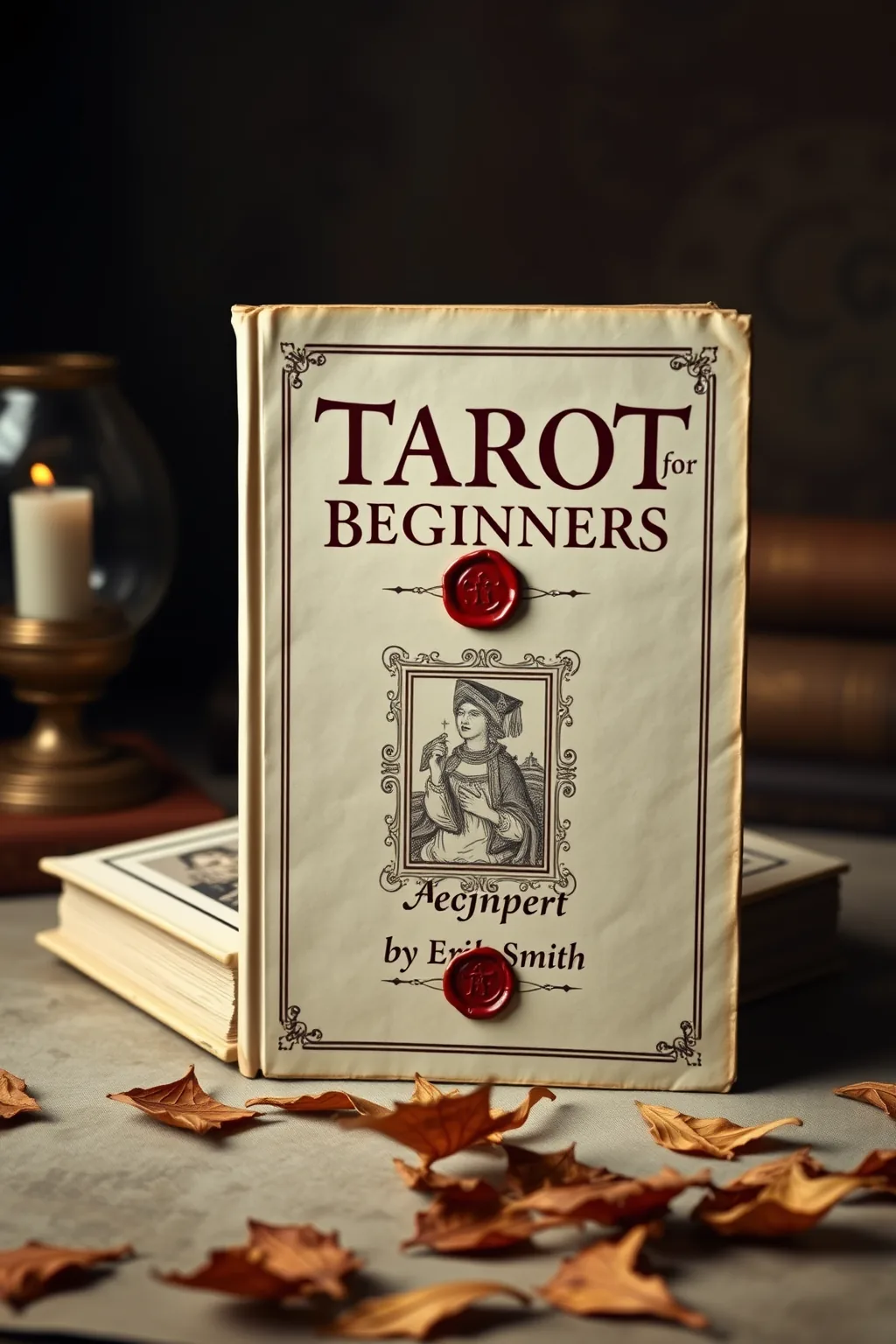
Tarot for Beginners



Erik Smith's "Tarot for Beginners" is a rare gem, offering a genuinely esoteric introduction to this profound divinatory art. Eschewing superficial interpretations, Smith delves into the philosophical underpinnings of the Tarot, connecting its imagery to ancient wisdom traditions. His prose is both accessible and evocative, making complex concepts digestible for the uninitiated while resonating with seasoned practitioners. This work is a testament to the Tarot's power as a mirror to the soul and a map of the spiritual journey. It is an essential starting point for anyone seeking to engage with the Tarot not just as a tool for prediction, but as a path to self-knowledge and esoteric understanding.
📝 Description
61
Erik Smith's 'Tarot for Beginners' was published to demystify the Tarot for newcomers.
This book presents the Tarot not just as a divination tool, but as a symbolic language. Erik Smith guides readers through the Major and Minor Arcana, explaining the meanings and connections between the cards. The text connects Tarot imagery to Hermetic philosophy and Kabbalistic principles, offering a framework for understanding its esoteric roots. It aims to provide a foundation for personal insight and self-reflection through the cards. The author's approach encourages a contemplative engagement with the Tarot, moving beyond simple memorization of meanings.
Smith structures the book for those new to Tarot study. It aims to equip beginners with the knowledge to interpret card spreads and understand the underlying philosophical concepts. The goal is to make the Tarot accessible, enabling readers to use it as a tool for exploring life's patterns and personal growth. The book serves as an introduction to the symbolic system, fostering a deeper understanding of its potential applications.
Erik Smith's 'Tarot for Beginners' situates the Tarot within a tradition that links its symbolism to Hermeticism and Kabbalah. These esoteric systems, which flourished in Renaissance Europe and beyond, offer frameworks for understanding the cosmos and human consciousness. Hermetic philosophy, often associated with Hermes Trismegistus, emphasizes principles like correspondence and vibration. Kabbalah, a Jewish mystical tradition, uses a tree of life diagram and numbered paths to represent divine emanation and spiritual ascent. The book suggests that the Tarot's structure and imagery reflect these complex philosophical and mystical ideas, providing a symbolic map of spiritual and psychological processes.
💡 Why Read This Book?
Discover the hidden language of the soul and the cosmos. "Tarot for Beginners" offers a profound connection to ancient wisdom, demystifying complex symbolism for the eager seeker. Ideal for those beginning their divinatory path, students of esoteric philosophy, and anyone yearning for deeper self-understanding, this book provides a sacred framework for personal growth and spiritual exploration.
⭐ Reader Reviews
Honest opinions from readers who have explored this book.
❓ Frequently Asked Questions
What are the origins of the Tarot?
While its exact origins are debated, the Tarot emerged in 15th-century Europe, initially as playing cards, but its mystical and divinatory significance developed over centuries, drawing heavily from esoteric traditions like Hermeticism and Kabbalah.
Do I need a specific Tarot deck to start?
While some decks have unique artistic interpretations, "Tarot for Beginners" focuses on the core symbolism and archetypes that are present in most Rider-Waite-Smith-based decks, making it adaptable to many popular choices.
How often should I practice Tarot?
Consistency is key for developing intuition. Many practitioners find daily readings, even for simple questions, help build familiarity and deepen their connection to the cards and their inner wisdom.
Can Tarot predict the future?
The Tarot is less about fixed predictions and more about illuminating potential paths, current energies, and underlying influences. It serves as a guide for introspection and empowerment, helping you navigate your choices.
What is the difference between Major and Minor Arcana?
The Major Arcana represent significant life lessons, spiritual journeys, and archetypal forces, while the Minor Arcana detail the more mundane, day-to-day experiences and challenges we encounter.
🔮 Key Themes & Symbolism
The Archetypal Journey of the Fool
This theme studies the transformative narrative of the Major Arcana, charting the Fool's perilous yet useful path through the stages of human consciousness and spiritual awakening. It explores how these archetypal figures mirror our own inner landscapes, offering profound lessons on courage, transformation, and the divine spark within each seeker. Understanding this journey provides a foundational blueprint for interpreting the deeper meanings embedded within each card, revealing the Tarot as a symbolic representation of the soul's evolution.
Hermetic Principles and Tarot Symbolism
Erik Smith masterfully combines the core tenets of Hermeticism into the fabric of Tarot interpretation. This theme examines how principles like 'As Above, So Below' and the correspondence between the macrocosm and microcosm are reflected in the Tarot's intricate visual language. Readers will discover how the suits and numbers, the celestial bodies, and the very structure of the deck are imbued with ancient philosophical concepts, offering a profound lens through which to understand the interconnectedness of all things and the hidden order of the universe.
Divination as a Tool for Self-Mastery
Beyond mere fortune-telling, this theme positions Tarot as a potent instrument for introspection and personal empowerment. Smith guides the reader to view card readings not as immutable prophecies, but as dialogues with the subconscious and the higher self. The focus is on utilizing the Tarot's symbolism to gain clarity on challenges, identify opportunities for growth, and make conscious choices aligned with one's deepest aspirations. It emphasizes the development of intuition and the cultivation of wisdom for navigating life's complexities with grace and purpose.
💬 Memorable Quotes
Direct passages from the work, attributed to the author.
“Each card whispers an ancient truth.”
— This evocative phrase emphasizes the profound, timeless wisdom contained within each Tarot card, inviting the reader to listen deeply to its symbolic messages.
“Unlock the universe within your hands.”
— This phrase conveys the immense potential and power that the Tarot holds, positioning it as a key to understanding both the external world and one's inner cosmos.
“Symbolism is the language of the divine.”
— This statement posits that symbols, like those found in the Tarot, are the primary means through which spiritual or universal truths are communicated to humanity.
💡 Key Ideas
Editorial paraphrase of the work's core concepts — not direct quotes.
The Tarot is a mirror to the soul.
This quote highlights the Tarot's introspective power, suggesting it reflects our inner states, desires, and hidden truths, facilitating self-awareness and personal growth.
The journey of the Fool is our journey.
This quote connects the archetypal narrative of the Fool's journey in the Major Arcana to the reader's own life path, suggesting universal themes of initiation and transformation.
🌙 Esoteric Significance
Tradition
This work is deeply rooted in the Western Esoteric Tradition, drawing heavily from Hermetic philosophy, Kabbalistic symbolism, and Jungian archetypal psychology. It views the Tarot not merely as a divinatory tool but as a sacred text, a microcosm of the universe, and a map of the soul's journey, aligning with traditions that seek hidden knowledge and spiritual enlightenment through symbolic systems.
Symbolism
The Tarot's esoteric power lies in its rich, multi-layered symbolism. Each card, from the enigmatic Fool to the triumphant World, is imbued with archetypal imagery, numerological significance, and astrological correspondences. Smith guides readers to decipher these visual keys, understanding how they represent universal forces, psychological states, and stages of spiritual development, revealing a profound interconnectedness between the seen and unseen realms.
Modern Relevance
In our fast-paced, often disconnected world, the Tarot offers a vital anchor to introspection and inner wisdom. Erik Smith's approach emphasizes the Tarot's capacity to illuminate our present circumstances, guide our decisions, and foster a deeper understanding of ourselves and our place in the cosmos. It provides a timeless framework for navigating modern challenges with greater clarity, intuition, and a sense of spiritual purpose, making it an invaluable tool for contemporary seekers.
👥 Who Should Read This Book
This book is an indispensable companion for the nascent seeker, the curious student of mysticism, and the seasoned practitioner alike. Beginners will find a clear, encouraging entry point into the profound world of Tarot, clarifying its symbolic language. Scholars of esoteric traditions will appreciate the book's grounding in historical and philosophical context. Those on a spiritual journey will discover the Tarot as a powerful tool for self-reflection and guidance. Practitioners seeking to deepen their understanding will find new layers of meaning and practical application within its pages.
📜 Historical Context
Emerging in 15th-century Italy as an aristocratic game, the Tarot underwent a profound metamorphosis, evolving from a mere deck of cards into a wide range of symbolic imagery. By the 18th century, occultists and mystics began to attribute deeper, esoteric meanings to its cards, drawing inspiration from Hermeticism, Kabbalah, and ancient Egyptian mysteries. Figures like Antoine Court de Gébelin and Eliphas Lévi were instrumental in shaping this occult interpretation, linking the Tarot to divine knowledge and spiritual paths. This period saw the Tarot transform into a tool for divination, self-exploration, and a visual representation of the universe's hidden order, a legacy that Erik Smith's work continues to honor.
📔 Journal Prompts
Reflect on the journey of the Fool. Where are you currently on your own Fool's journey?
Consider the element associated with the suit of your birth date. How does this element influence your daily life?
Which Major Arcana card currently resonates most strongly with your life's challenges or aspirations?
How can the principle of 'As Above, So Below' be applied to a current situation in your life?
Explore the symbolism of a Minor Arcana card that has appeared repeatedly in your recent readings.
🗂️ Glossary
Arcana
Latin for 'secrets' or 'mysteries,' referring to the two divisions of the Tarot deck: the Major Arcana (22 cards) and the Minor Arcana (56 cards).
Divination
The practice of seeking knowledge of the future or the unknown by supernatural means, often through symbolic tools like the Tarot.
Esoteric
Intended for or likely to be understood by only a small number of people with a specialized knowledge or interest; mystical or occult.
Archetype
A universal, inherited pattern of thought or imagery derived from the experience of the human race, present in the collective unconscious (as defined by Carl Jung).
Hermeticism
A religious, philosophical, and esoteric tradition based on the purported teachings of Hermes Trismegistus, emphasizing divine knowledge, spiritual ascent, and the interconnectedness of the cosmos.
This book appears in 3 collections
🔮 Readers Also Liked
Browse all →![CIA Reading Room cia-rdp84-00022r000200150084-5: ORIENTATION COURSE LECTURE ON 'SERVICES OF [ ] [ ]'](/img/thumb/cia-reading-room-cia-rdp84-00022r000200150084-5-orientation-course-lecture-on-services-of-cia-reading-room.webp)
More by Erik Smith
All books →
From the “Tarot” Collection
View all →
More Free Divination & Tarot Books
View all →