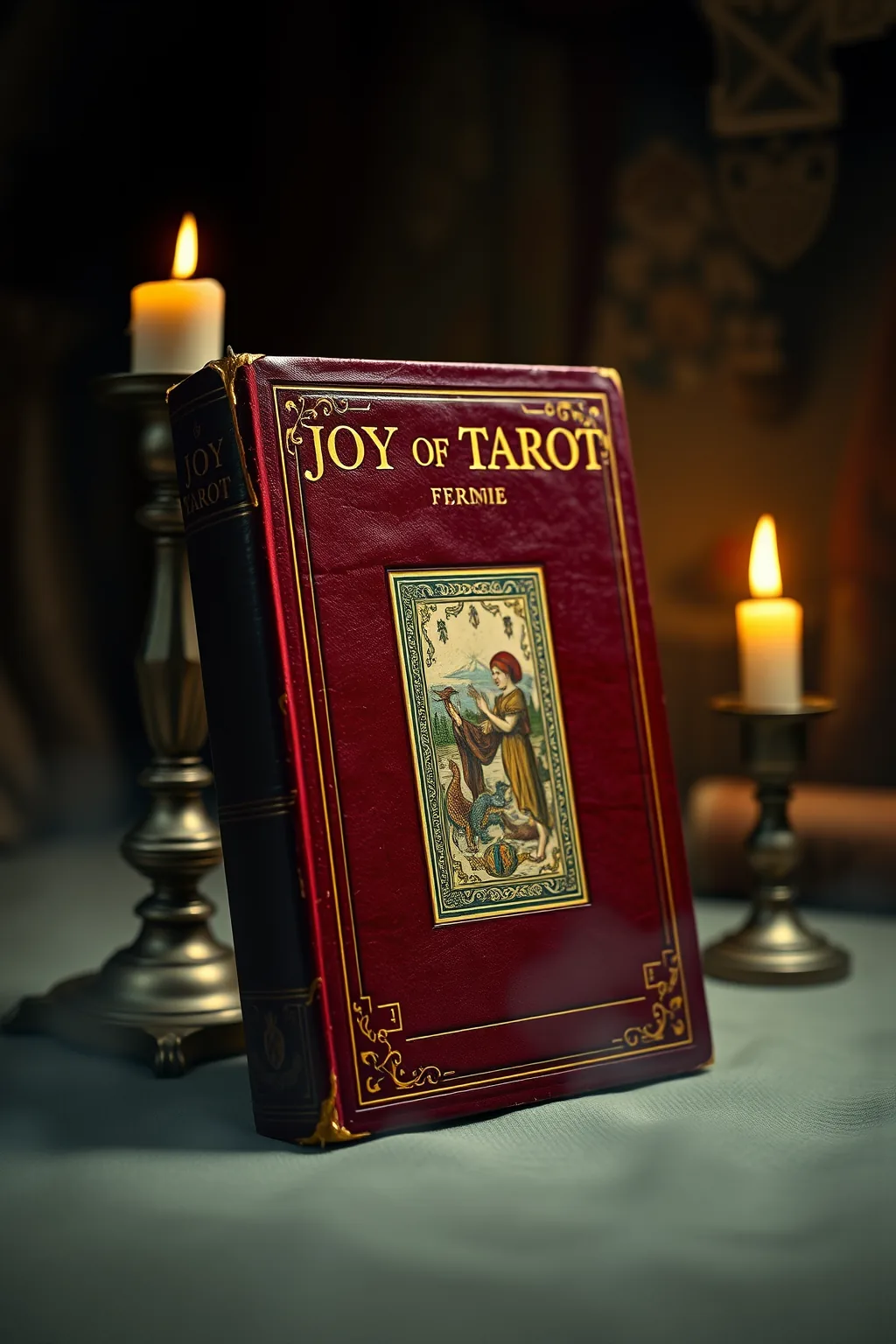
Joy of Tarot
 61
61

Joy of Tarot



Aurelia Blackwood (Occult Philosophy Critic) — Fernie's "Joy of Tarot" is a luminous beacon in the often-murky waters of divinatory literature. It eschews simplistic pronouncements for a deep, resonant exploration of the archetypal language of the Tarot. Blackwood masterfully weaves together threads of Hermeticism, Kabbalah, and Jungian psychology, presenting the cards not as mere prediction tools, but as potent keys to unlocking the subconscious and navigating the soul's journey. The esoteric insights offered are both profound and practical, empowering readers to engage with the Tarot on a deeply personal and transformative level. This work is an indispensable companion for any serious student of occult philosophy or those seeking authentic spiritual growth through symbolic wisdom.
📝 Description
61
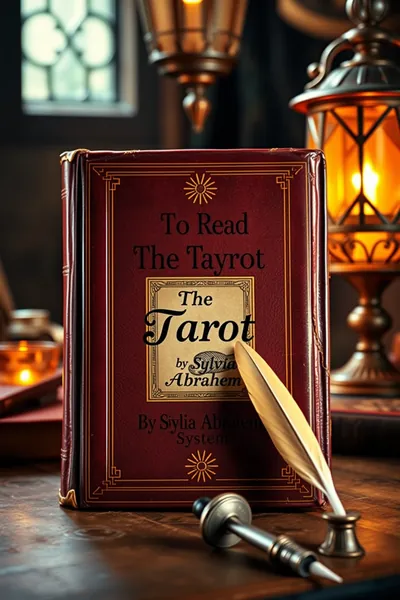
Fernie's 'Joy of Tarot' was published in 1977, presenting a unique approach to card interpretation.
Fernie's "Joy of Tarot" moves beyond simple meanings for the Major and Minor Arcana. The book connects card imagery to deeper metaphysical ideas and symbolic language. Fernie guides readers to see the Tarot not just as a divination tool, but as a way to understand consciousness and personal growth. The text emphasizes the living energy within the archetypes and encourages the cultivation of intuition. It aims to help readers engage with the Tarot as a means of self-discovery and a lens for viewing the world with greater awareness. The writing style creates a contemplative atmosphere, suitable for serious study of the cards.
This volume is structured for individuals at various stages of their Tarot practice, from beginners to experienced practitioners. It focuses on the philosophical foundations of Tarot, urging readers to develop their inner knowing and embrace the transformative potential of symbolic systems. The book invites a perspective where each card can offer guidance toward personal clarity and internal balance. Fernie's work encourages a perception of interconnectedness through the Tarot's symbolism.
Published in the late 1970s, 'Joy of Tarot' emerged during a period of renewed interest in esoteric traditions and personal development. It aligns with the broader Western esotericism movement that sought to integrate psychological understanding with spiritual practices. Fernie's work can be seen as part of a lineage that views Tarot not merely as fortune telling, but as a symbolic map of the psyche and a path toward self-realization, drawing parallels with Jungian psychology and earlier occult traditions.
💡 Why Read This Book?
Uncover the hidden language of the soul and the universe. 'Joy of Tarot' offers a deeply spiritual and philosophical approach to card reading, transforming it into a powerful tool for self-awareness and transformation. Ideal for seekers yearning for deeper meaning, scholars of esoteric traditions, and practitioners aiming to enrich their divinatory practice with profound insights.
⭐ Reader Reviews
Honest opinions from readers who have explored this book.
❓ Frequently Asked Questions
What makes 'Joy of Tarot' different from other Tarot books?
This book delves beyond surface-level interpretations, focusing on the profound metaphysical and symbolic underpinnings of the Tarot as a spiritual and psychological map for the soul's journey.
Is this book suitable for beginners?
Absolutely. Fernie's eloquent prose and structured approach make complex esoteric concepts accessible, guiding newcomers with clarity and inspiration into the rich world of Tarot.
What esoteric traditions are referenced in the book?
The book draws upon a rich tapestry of esoteric thought, including Hermeticism, Kabbalah, Jungian archetypes, and universal spiritual symbolism, offering a holistic perspective.
Can 'Joy of Tarot' help with personal growth?
Indeed. By understanding the archetypal energies and symbolic narratives of the Tarot, readers can gain profound self-awareness, identify inner patterns, and navigate life's challenges with greater wisdom and intuition.
Does the book offer practical exercises for readers?
Yes, the book encourages active engagement through contemplative exercises and journaling prompts, fostering a dynamic relationship with the Tarot and its transformative potential.
🔮 Key Themes & Symbolism
The Tarot as a Sacred Mirror of the Soul
This theme posits the Tarot not merely as a tool for prediction, but as a profound symbolic system that reflects the inner range of the human psyche. Each card becomes a facet of this mirror, revealing hidden desires, subconscious patterns, and the archetypal forces that shape our existence. Fernie guides readers to perceive the interconnectedness between the external spread of cards and the internal journey of self-discovery, fostering introspection and spiritual growth through this unique lens.
Archetypal Wisdom and Universal Symbolism
Central to 'Joy of Tarot' is the exploration of the universal archetypes that resonate across cultures and epochs, embodied within the Tarot's imagery. From the Fool's innocent leap into the unknown to the Empress's nurturing abundance, these archetypes offer timeless wisdom about the human condition and the cycles of life. Fernie illuminates how understanding these potent symbols can unlock deeper layers of meaning, connect us to collective consciousness, and provide useful insights into our personal narratives and cosmic roles.
The Alchemical Transformation Through Divination
This theme frames the practice of Tarot reading as an alchemical process, a sacred art of transmutation. By engaging with the Tarot's energies and narratives, readers are invited to undergo internal transformation, turning leaden anxieties into golden wisdom. Fernie emphasizes how the symbolic dialogue with the cards facilitates the integration of shadow aspects, the awakening of latent potential, and the evolution of consciousness, ultimately leading to a more harmonious and enlightened existence.
💬 Memorable Quotes
Direct passages from the work, attributed to the author.
“Each card is a whisper from the cosmos, waiting to be heard.”
— This evocative statement underscores the book's mystical perspective, suggesting that the Tarot's messages are subtle yet profound, requiring attentive listening and intuitive understanding.
“The Fool's innocence is the seed of all wisdom.”
— This interpretation focuses on the paradox of the Fool's journey, suggesting that true understanding begins with a willingness to embrace the unknown and approach life with openhearted curiosity.
💡 Key Ideas
Editorial paraphrase of the work's core concepts — not direct quotes.
The Tarot is not a map of destiny, but a compass for the soul.
This quote highlights the book's emphasis on free will and self-guidance, positioning the Tarot as a tool for informed navigation rather than predetermined fate.
In the dance of the Arcana, we find the rhythm of our own becoming.
This quote poetically links the unfolding narrative of the Tarot cards to the personal journey of growth and self-realization, emphasizing the dynamic nature of spiritual development.
Through symbolism, the universe speaks in a language we can feel.
This quote emphasizes the intuitive and emotional connection fostered by Tarot, suggesting that its symbolic language bypasses the intellect to resonate directly with the inner self.
🌙 Esoteric Significance
Tradition
This work is deeply rooted in the Western esoteric tradition, drawing heavily from Hermetic philosophy, Kabbalistic numerology, and Jungian archetypal psychology. It views the Tarot as a microcosm of the universe and a map of consciousness, aligning with the Hermetic principle of 'As Above, So Below.' The book's approach carries the Golden Dawn's method of integrating Tarot with other esoteric disciplines, positioning it as a sacred tool for spiritual initiation and self-realization.
Symbolism
The book meticulously unpacks the strong symbolism inherent in each Tarot card, interpreting them as potent archetypes and cosmic principles. From the alchemical imagery of the Minor Arcana to the profound spiritual journeys depicted in the Major Arcana, Fernie reveals how these visual metaphors serve as keys to unlocking universal truths. The emphasis is on understanding the energetic and psychological resonance of symbols, allowing for a deeper, intuitive connection with the cards' messages.
Modern Relevance
In an age often characterized by rapid change and existential searching, "Joy of Tarot" offers a grounding and useful perspective. Its focus on self-awareness, intuition, and the profound wisdom embedded in symbolic language provides essential tools for navigating modern life. The book empowers individuals to connect with their inner guidance, foster resilience, and find deeper meaning, making the ancient art of Tarot a vital resource for contemporary spiritual practice and personal transformation.
👥 Who Should Read This Book
This useful volume is a treasure for a diverse array of seekers. For the **beginner** starting their Tarot journey, Fernie provides a gentle yet profound introduction, clarifying the cards with clarity and inspiration. **Scholars** of esoteric traditions will appreciate the book's rigorous exploration of symbolism and its connections to Hermetic and Kabbalistic thought. **Spiritual seekers** yearning for deeper self-understanding and connection to the cosmos will find a profound guide in its pages. **Practitioners** seeking to enrich their existing knowledge and deepen their intuitive practice will discover invaluable insights and new perspectives.
📜 Historical Context
Fernie's "Joy of Tarot" emerges from a rich lineage of esoteric thought that flourished particularly from the late 19th century onwards, a period marked by a resurgence of interest in mysticism, occultism, and ancient wisdom traditions. Influenced by figures like Eliphas Levi and the Hermetic Order of the Golden Dawn, which sought to synthesize Western esotericism, the book reflects a desire to understand the Tarot not just as a card game, but as a profound symbolic system connected to Kabbalah, astrology, and ancient mystery schools. This era saw a proliferation of texts aiming to explain these ancient arts for a modern audience, seeking spiritual solace and meaning beyond the rationalism of the age. "Joy of Tarot" stands as a evidence of this enduring fascination, continuing to offer a bridge to timeless knowledge.
📔 Journal Prompts
Reflect on a time you felt like the Fool. What did you learn from that leap of faith?
Meditate on the symbol of The High Priestess. What hidden truths are she revealing to you today?
How does the energy of The Emperor manifest in your life? Where can you cultivate more structure and authority?
Consider the symbolism of water in the Minor Arcana's suit of Cups. What emotions are rising to the surface for you?
Choose a card that speaks to a current challenge. What archetypal energy can you draw upon to navigate it?
🗂️ Glossary
Archetype
Universal, archaic patterns and images that derive from the collective unconscious and are the psychic counterpart of instinct. In Tarot, they represent fundamental human experiences and cosmic forces.
Hermeticism
A philosophical and religious tradition based on the purported teachings of Hermes Trismegistus, emphasizing esoteric knowledge, spiritual transformation, and the interconnectedness of all things.
Kabbalah
A system of Jewish mysticism that explores the divine nature and the relationship between God and the created universe, often represented through the Tree of Life diagram.
Major Arcana
The 22 trump cards of the Tarot deck, representing significant life lessons, spiritual journeys, and archetypal forces that shape human destiny and consciousness.
Minor Arcana
The 56 cards of the Tarot deck, divided into four suits (Wands, Cups, Swords, Pentacles), which represent the everyday events, challenges, and experiences of life.
This book appears in 3 collections
🔮 Readers Also Liked
Browse all →








From the “Tarot” Collection
View all →






More Free Divination & Tarot Books
View all →