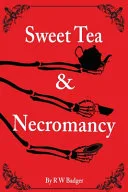
Sweet Tea & Necromancy
 81
81

Sweet Tea & Necromancy
R. W. Badger's "Sweet Tea & Necromancy" sidesteps the bombast often associated with necromantic tales, opting instead for a remarkably grounded, almost domestic, approach to the craft. The premise – a necromancer in training as a teashop employee – is inspired, offering a fresh angle on magical integration. Nika's social ineptitude, juxtaposed with his burgeoning necromantic talent, forms the narrative's compelling core. The Pale Garden Teashop itself, with its 'mismatched little family' of employees, provides a surprisingly poignant setting for exploring themes of acceptance and belonging. However, the narrative's focus on the mundane sometimes overshadows the potential for grander magical exploration. The rules governing undead employees, while amusing, feel underdeveloped and could have served as a richer source of conflict or world-building. Despite this, the work offers a unique, character-focused perspective on magic that feels both gentle and subtly profound. It is a quiet exploration of finding one's place, even when that place involves the management of the undead.
📝 Description
81
R. W. Badger's 2021 novel, Sweet Tea & Necromancy, reimagines necromancy within an urban fantasy setting.
Published in 2021, Sweet Tea & Necromancy by R. W. Badger is a supernatural fiction novel set in Eldes, a city where the magical and mundane coexist. The story follows Nika, a novice necromancer who finds herself working at the Pale Garden Teashop. Nika struggles with both social interactions and her burgeoning magical abilities. The narrative focuses on her experiences within this peculiar establishment, where the practice of necromancy is integrated into a service industry.
The book appeals to readers who favor character-focused speculative fiction. It is particularly suited for those interested in how magical practitioners manage their powers in everyday life, and how they find acceptance. The novel offers a perspective on occult themes that blends a touch of darkness with a cozy, slice-of-life atmosphere, diverging from more common genre portrayals of necromancy. It explores the difficulties faced by individuals with uncommon gifts as they seek to establish themselves and find a sense of belonging.
Sweet Tea & Necromancy taps into a contemporary interest in occult philosophies, presenting magic through a fictional, personal lens. While it does not align with specific historical magical orders like the Golden Dawn, the novel reflects a modern trend of viewing magic as a path for self-discovery and community building, separate from strict historical doctrine. Its 2021 release situates it within a time when esoteric subjects are widely discussed and explored online.
💡 Why Read This Book?
• Gain insight into the practical, day-to-day challenges of managing necromantic abilities within a service industry, as depicted in the Pale Garden Teashop, offering a unique perspective on magical integration. • Experience a narrative that reframes typically dark magic through themes of found family and social awkwardness, particularly through the character of Nika, a necromancer in training. • Explore a fictional city, Eldes, where the integration of magical practitioners into mundane society is a quiet, ongoing negotiation, providing a distinct urban fantasy setting.
⭐ Reader Reviews
Honest opinions from readers who have explored this book.
❓ Frequently Asked Questions
What is the primary focus of "Sweet Tea & Necromancy"?
The book focuses on Nika, a young, socially awkward necromancer in training, who works at the Pale Garden Teashop. It explores his journey of learning magic and integrating into a found family within the city of Eldes.
What makes the portrayal of necromancy unique in this book?
Unlike typical dark fantasy, "Sweet Tea & Necromancy" presents necromancy as a manageable skill within a mundane setting, the teashop. The narrative highlights the everyday challenges and social dynamics involved.
Who is the author, R. W. Badger, and when was the book first published?
R. W. Badger is the author of "Sweet Tea & Necromancy." The book was first published on April 7, 2021.
What kind of setting does the story take place in?
The story is set in the city of Eldes, a place where magical elements are subtly woven into the fabric of everyday life, particularly within the unique environment of the Pale Garden Teashop.
Are there any specific magical traditions referenced in the book?
While the book features necromancy, it does not explicitly tie itself to a specific historical magical tradition. Instead, it focuses on a more personal and integrated approach to magic within a contemporary fantasy context.
What are the main themes explored in "Sweet Tea & Necromancy"?
Key themes include found family, social integration for those with unusual abilities, the challenges of learning and applying magic, and finding one's place in the world, magic or otherwise.
🔮 Key Themes & Symbolism
Found Family Dynamics
The narrative centers on the unconventional "little family" assembled by the owner of the Pale Garden Teashop. This theme explores how individuals, particularly those who are 'misplaced' or possess unusual talents like Nika, can find belonging and support outside traditional familial structures. It highlights the bonds formed through shared experience and mutual acceptance within the teashop's unique environment.
Everyday Necromancy
Contrary to typical portrayals, necromancy in "Sweet Tea & Necromancy" is presented as a skill that can be integrated into mundane life. The book examines the practicalities and regulations, however lax, of employing undead individuals in food service. This approach reframes necromancy not as inherently evil, but as a craft with its own set of rules and challenges.
Social Integration and Magic
Nika's character embodies the struggle of integrating unusual abilities with social norms. As a necromancer in training who was previously forbidden from magic, his journey is about learning to navigate both the magical and social worlds. The book explores how his gift in magic contrasts with his incapability in social settings, underscoring the difficulties of acceptance.
Urban Fantasy Setting
The city of Eldes serves as a backdrop where magic and the mundane coexist, albeit sometimes uneasily. The Pale Garden Teashop acts as a microcosm of this integration, showcasing how magical elements can exist within everyday establishments. This setting allows for a grounded exploration of fantastical concepts within a recognizable urban environment.
💬 Memorable Quotes
Direct passages from the work, attributed to the author.
“Nika is a young and misplaced necromancer in training - as gifted in under magic as he is incapable in a social setting.”
— This highlights the central character's dichotomy: immense magical talent overshadowed by profound social awkwardness, a common trope but rendered fresh by the necromantic context.
“The staff at the Pale Garden Teashop hope to keep it that way.”
— This implies a delicate balance or a quiet effort to maintain the status quo regarding magical employment, hinting at potential underlying tensions or unspoken agreements within the teashop's community.
“Before being found and brought to the strange city of Eldes, he was forbidden from practicing any kind of magic at all.”
— This backstory reveals a past of suppression and prohibition, making Nika's current environment and his tentative steps into magic all the more significant for his personal development.
“the shop owner's mismatched little family”
— This phrase expresses the theme of found family, suggesting a group of disparate individuals who have come together to form a unique and supportive unit, bound by circumstances rather than blood.
💡 Key Ideas
Editorial paraphrase of the work's core concepts — not direct quotes.
The rules about undead employees in food service are not super strict.
This line immediately sets the unique, slightly absurd tone of the book, suggesting a world where even the most macabre magical practices have been, to some extent, normalized or at least pragmatically addressed.
🌙 Esoteric Significance
Tradition
The work draws loosely from the necromantic aspects found within various occult traditions but recontextualizes them within a modern, secular framework. It departs from historical necromancy, which often involved complex rituals, pacts, or specific invocations for divination or power, by presenting it as a more accessible, albeit still unusual, craft tied to personal development and employment.
Symbolism
The teashop itself can be seen as a symbol of sanctuary and the mundane masking the mystical. Nika's necromancy, often depicted with subtle visual cues rather than overt displays, symbolizes the hidden potential and often misunderstood nature of certain magical arts. The 'mismatched little family' symbolizes the modern ideal of chosen kinship, found through shared circumstances and mutual support.
Modern Relevance
Contemporary thinkers and practitioners exploring the intersection of magic and everyday life, particularly within urban fantasy and cozy fantasy subgenres, find resonance in Badger's work. It speaks to modern audiences interested in clarifying occult practices and exploring themes of identity and belonging for those who feel 'different' or possess unusual talents.
👥 Who Should Read This Book
• Readers interested in urban fantasy that subverts common tropes, particularly those seeking a gentler, character-focused narrative about magic users. • Individuals who appreciate stories exploring themes of found family and social integration, especially for characters who struggle with conventional social interaction. • Fans of speculative fiction that examines the practical and mundane aspects of magical abilities, offering a unique slice-of-life perspective on necromancy.
📜 Historical Context
Published in 2021, "Sweet Tea & Necromancy" emerged during a period of renewed popular interest in esoteric subjects, often filtered through contemporary fiction. While not directly aligned with specific historical occult movements like the Hermetic Order of the Golden Dawn or the Theosophical Society, it taps into a broader cultural fascination with magic as a personal journey. The narrative implicitly engages with modern trends of urban fantasy, where magical elements are integrated into everyday settings, moving away from more traditional fantasy realms. Unlike the explicit philosophical or ritualistic focus of figures like Aleister Crowley or Helena Blavatsky, Badger's work prioritizes character and the social dynamics of magic users. The book's serialization or initial digital release would have placed it within a range of readily accessible online content exploring niche interests, contrasting with the more curated and often censored publications of earlier esoteric movements.
📔 Journal Prompts
Nika's struggle with social settings versus his necromantic aptitude.
The concept of 'mismatched little family' within the Pale Garden Teashop.
The rules governing undead employees and their implications.
Finding a place in Eldes as a magically gifted individual.
The initial prohibition of magic in Nika's past.
🗂️ Glossary
Necromancer
An individual with the ability to practice necromancy, a form of magic often associated with communicating with or controlling the dead. In this context, it is presented as a skill that can be trained and integrated into daily life.
Pale Garden Teashop
The primary setting for much of the narrative, this establishment serves as both a place of employment and a sanctuary for its unique staff, including Nika.
Eldes
The city where the story takes place, characterized by a subtle integration of magical elements into its urban landscape and society.
Under magic
A colloquial or specific term used within the book to refer to Nika's proficiency in necromantic arts, contrasting with his social deficiencies.
Undead employees
Refers to non-living beings, likely animated through necromancy, who are employed at the Pale Garden Teashop. The book touches upon the unique employment regulations surrounding them.
Misplaced necromancer
Describes Nika's status as a necromancer who feels out of place, both in society and perhaps within his own magical abilities, highlighting themes of belonging and identity.
Found family
A group of individuals not related by blood who form strong bonds and provide mutual support, often depicted as the staff of the Pale Garden Teashop.