Summer of fear

 71
71

Summer of fear
Lois Duncan’s *Summer of Fear* is a masterclass in building dread, a skill she honed throughout her career. The novel’s strength lies in its insidious portrayal of Jamie’s growing paranoia; the reader is made to question whether the perceived threat from Mrs. Gray and her associates is real or a product of adolescent anxiety. Duncan excels at making the mundane unsettling, a particularly effective tactic in a story aimed at young adults. The tension builds steadily, drawing the reader into Jamie’s isolated struggle. However, the resolution, while satisfying in its own right, feels somewhat abrupt after the meticulously constructed suspense. A passage where Jamie overhears Mrs. Gray’s chillingly calm pronouncements about control exemplifies Duncan’s ability to create unnerving moments without overt sensationalism. Ultimately, *Summer of Fear* is a potent exploration of psychological vulnerability wrapped in a suspenseful narrative.
📝 Description
71
Lois Duncan's 1987 novel *Summer of Fear* centers on a teenage girl's suspicion of her new stepmother.
Jamie, the protagonist of Lois Duncan's *Summer of Fear*, begins to doubt her new stepmother, Mrs. Gray. Jamie suspects that Mrs. Gray and her friends are engaged in something more sinister than simple social maneuvering. The novel builds a sense of paranoia and unease as Jamie grapples with the possibility that those closest to her harbor dark secrets.
This young adult story appeals to readers who enjoy mysteries and psychological thrillers with a supernatural undercurrent. It focuses on character development and the slow build of dread. Those interested in themes of social exclusion and family anxieties will find the narrative resonant. Fans of Duncan's signature suspenseful storytelling will recognize her style.
Published in 1987, *Summer of Fear* touches upon occult undertones within a suburban setting. This reflects a broader cultural interest in the paranormal that surfaced periodically. The novel grounds its suspense in interpersonal fears rather than a digital age context, aligning with a tradition of exploring hidden dangers within seemingly normal environments. It uses the idea of covens and secret groups metaphorically, suggesting hidden influences and social control.
💡 Why Read This Book?
• Gain insight into the subtle art of psychological manipulation as depicted through Mrs. Gray's actions, demonstrating how external influence can erode an individual's sense of reality. • Experience the palpable atmosphere of suburban unease that Lois Duncan cultivates, highlighting how ordinary settings can harbor extraordinary dread, a hallmark of her 1987 work. • Understand the narrative technique of building suspense through an unreliable or subjective perspective, as Jamie’s internal struggle mirrors the reader’s own uncertainty about the unfolding events.
⭐ Reader Reviews
Honest opinions from readers who have explored this book.
❓ Frequently Asked Questions
Is Summer of Fear a supernatural thriller or a psychological one?
Summer of Fear leans heavily into psychological suspense, making the reader question the reality of the threats Jamie faces. While occult undertones are present, the primary focus is on manipulation and paranoia rather than overt supernatural events.
Who is the main character in Summer of Fear?
The main character is Jamie, a teenage girl who becomes increasingly suspicious of her new stepmother, Mrs. Gray, and her circle of friends, believing they pose a sinister threat.
What are the main themes explored in Summer of Fear?
The novel explores themes of psychological manipulation, paranoia, social exclusion, the fear of the unknown, and the vulnerability of individuals to external pressures within a seemingly normal environment.
When was Summer of Fear first published?
Summer of Fear was first published in 1987, a period when young adult fiction began to tackle more complex and darker themes.
Is Summer of Fear part of a series?
No, Summer of Fear is a standalone novel and is not part of a series. It is one of Lois Duncan's many popular young adult suspense novels.
What makes Lois Duncan's writing in Summer of Fear unique?
Duncan's writing in Summer of Fear is characterized by its ability to create a pervasive sense of unease and suspense from everyday situations, making the familiar seem threatening.
🔮 Key Themes & Symbolism
Psychological Manipulation
The novel masterfully depicts how characters, particularly Mrs. Gray and her associates, employ subtle tactics to influence Jamie’s perception of reality. This manipulation isn't overt; instead, it's a gradual erosion of Jamie's confidence and trust in her own judgment. The narrative explores how such insidious control can lead to intense paranoia and isolation, making the protagonist question her sanity. This theme is central to the book's suspense, as the reader is often left to wonder, along with Jamie, what is real and what is manufactured by those seeking to exert power.
The Unsettling Nature of the Familiar
Duncan excels at transforming ordinary settings and relationships into sources of dread. The suburban neighborhood, a symbol of safety and normalcy, becomes a backdrop for sinister undercurrents. Jamie's new stepmother and her friends, figures who should represent comfort and stability, are instead portrayed as sources of deep anxiety. This subversion of the familiar creates a powerful sense of unease, suggesting that danger can manifest in the most unexpected places and from the most seemingly benign individuals.
Hidden Societies and Influence
While not explicitly detailing occult rituals, the book hints at a clandestine network or clique of individuals—Mrs. Gray and her friends—who operate with a shared, unsettling agenda. Their interactions suggest a level of coordination and shared belief that isolates Jamie. This concept of a hidden society, even if metaphorical, represents the fear of exclusive groups wielding power and influence from the shadows, dictating social dynamics and fostering a climate of suspicion for outsiders.
💬 Memorable Quotes
Direct passages from the work, attributed to the author.
“It was the way they looked at her, like she was something they had to tolerate.”
— This observation highlights Jamie's feeling of alienation and the subtle social exclusion she experiences from her stepmother and her clique, fueling her suspicion and paranoia.
“She knew, with a certainty that frightened her, that something was wrong.”
— This internal realization underscores Jamie's growing intuition and her struggle to reconcile her gut feelings with the outward normalcy of her surroundings, a key driver of the suspense.
“They spoke in hushed tones, their smiles never quite reaching their eyes.”
— This description paints a vivid picture of the unsettling nature of Mrs. Gray's circle, implying hidden motives and insincerity behind their pleasant facades, contributing to the pervasive sense of threat.
“The house felt different now, as if holding its breath.”
— This personification of the house creates a palpable sense of tension and anticipation, mirroring Jamie's own heightened awareness and the feeling that something ominous is about to occur.
💡 Key Ideas
Editorial paraphrase of the work's core concepts — not direct quotes.
Jamie felt a chill that had nothing to do with the weather.
This line expresses the novel's core atmosphere, suggesting an internal, psychological dread that permeates Jamie’s experience, transforming normal situations into sources of fear and unease.
🌙 Esoteric Significance
Tradition
While *Summer of Fear* does not explicitly align with a specific esoteric tradition like Hermeticism or Gnosticism, it taps into a broader folkloric and psychological undercurrent found in many belief systems. The novel echoes themes present in witchcraft lore concerning covens and hidden influence, albeit secularized. It explores the psychological manifestation of what might be termed 'energetic' intrusion or manipulation, where individuals' mental states are affected by external, unseen forces or concentrated negative intent, a concept explored in various folk magic and psychological occultism circles.
Symbolism
The suburban house itself functions as a symbol; initially representing safety and domesticity, it becomes a prison and a site of psychological warfare. Mrs. Gray and her clique can be interpreted as symbols of corrupted matriarchal energy or a predatory 'coven' figure, representing hidden societal structures that seek to control or consume individual autonomy. The recurring motif of Jamie feeling watched or judged symbolizes the pervasive anxiety and paranoia that can arise when one feels alienated or targeted by unseen forces.
Modern Relevance
Contemporary discussions around gaslighting, subtle manipulation in social groups, and the psychological impact of perceived social exclusion resonate strongly with the themes in *Summer of Fear*. Modern self-help and psychological literature often address the dynamics of toxic relationships and manipulative personalities, concepts Duncan explored implicitly in 1987. Furthermore, the novel's portrayal of navigating suspicion and seeking truth in an environment where trusted figures may be deceptive remains relevant in an era of widespread misinformation and social complexity.
👥 Who Should Read This Book
• Young adult readers seeking suspenseful mysteries that explore psychological depth beyond simple whodunits. • Fans of Lois Duncan's established repertoire of thrilling narratives who appreciate her skill in building atmospheric tension. • Individuals interested in exploring themes of paranoia, social manipulation, and the unsettling transformation of familiar environments into sources of dread.
📜 Historical Context
Published in 1987, Lois Duncan's *Summer of Fear* arrived during a flourishing period for young adult suspense. The cultural field of the late 1980s, while not overtly dominated by occult panics, saw a continued interest in the uncanny and hidden threats, often explored in popular media. Duncan's work distinguished itself by focusing on psychological dread rather than explicit supernatural horror, aligning with a trend in YA fiction to explore more nuanced anxieties. While authors like R.L. Stine would later achieve massive success with similar themes, Duncan was a pioneer in making suspenseful, often unsettling, narratives accessible to younger readers. The novel’s focus on suburban unease and manipulative social dynamics reflected contemporary anxieties about conformity and hidden dangers beneath a polished surface, predating the pervasive digital surveillance concerns of later decades.
📔 Journal Prompts
Jamie's growing suspicion of Mrs. Gray and her friends.
The transformation of the suburban house from safe haven to site of unease.
Moments where Jamie questions her own perceptions versus external influences.
The social dynamics and perceived 'rules' of Mrs. Gray's clique.
The feeling of being an outsider within one's own home or community.
🗂️ Glossary
Paranoia
An unreasonable suspicion or mistrust of others, often characterized by feelings of persecution and the belief that others are plotting against oneself. In the novel, Jamie experiences escalating paranoia regarding her stepmother.
Manipulation
The skillful handling, controlling, or using of something or someone for a specific purpose, often in an unfair or unscrupulous way. Mrs. Gray's actions exemplify manipulative behavior.
Suburban Setting
A residential area located on the outskirts of a city or large town. In the novel, this setting is used to create a contrast between outward normalcy and underlying sinister events.
Clique
A small, exclusive group of people who share interests and often exclude others. Mrs. Gray's group of friends forms a clique that isolates Jamie.
Psychological Suspense
A genre of fiction that relies on creating tension and apprehension through the characters' mental states and perceptions, rather than overt action or supernatural elements.
Intuition
The ability to understand something immediately, without the need for conscious reasoning. Jamie's intuition plays a key role in her growing unease.
Alienation
The state or experience of being isolated from a group or an activity to which one should belong or in which one should be involved. Jamie feels increasingly alienated.
🔮 Readers Also Liked
Browse all →








More by Lois Duncan
All books →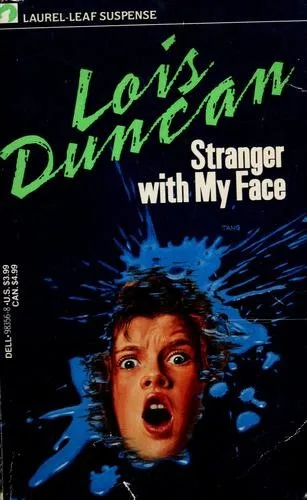





More Free Witchcraft & Paganism Books
View all →