Spells, charms, amulets and talismans

 83
83

Spells, charms, amulets and talismans
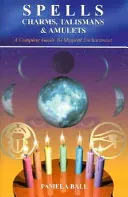
Pamela Ball's "Spells, Charms, Amulets, and Talismans" presents a refreshingly direct approach to a subject often shrouded in mystery. Unlike many contemporary grimoires that favor abstract theory, Ball prioritizes tangible creation. Her section on preparing a protective amulet, detailing the specific incantations and material choices, is particularly effective. However, the work occasionally feels a touch sparse in its exploration of the deeper philosophical underpinnings of such practices; readers seeking extensive historical or psychological analysis might find it wanting. The emphasis remains firmly on the 'how-to.' It's a functional manual for the magically inclined craftsman, offering clear steps for tangible results.
📝 Description
83
Pamela Ball's 2001 book details the creation and use of enchanted objects.
Spells, Charms, Amulets, and Talismans is a practical manual on making and employing magical items. It moves past theory to offer clear instructions for crafting objects meant to affect outcomes or give protection. The book explains specific techniques for imbuing items with purpose.
This work is intended for people interested in the practical side of folk magic and building their own magical tools. It will appeal to those wanting to learn the methods of making charms, crafting amulets, and performing talismanic workings. The content is suitable for beginners and those with some prior practice.
Ball draws from centuries old traditions, particularly folk beliefs and practices often passed down orally. The book emerged during a time when interest in practical occultism and witchcraft was growing. It connects with a history of magical practice that existed before formal groups.
Published in 2001, this book taps into a lineage of folk magic. It reflects a resurgence of interest in practical occultism by detailing methods for creating enchanted objects. Ball engages with traditions that predate formal esoteric organizations, focusing on common beliefs and practices often transmitted orally. The work is situated within a broader current of modern witchcraft and folk magical revival.
💡 Why Read This Book?
• Learn specific methods for consecrating and charging amulets, such as the detailed process for a 'protection amulet' described in the text, allowing for personal magical defense. • Gain practical skills in crafting talismans for specific purposes, understanding the symbolic resonance of materials like lodestones and specific herbs, as discussed in the chapter on talismans. • Discover the foundational principles of sympathetic magic as applied to object creation, as demonstrated through the construction of various charms for luck or binding, offering a tangible connection to ancient magical theory.
⭐ Reader Reviews
Honest opinions from readers who have explored this book.
❓ Frequently Asked Questions
What is the primary difference between an amulet and a talisman according to Pamela Ball?
Pamela Ball distinguishes amulets primarily by their function of protection against harm, often acting as a shield. Talismans, conversely, are designed to attract specific energies or influences, such as good fortune or love, by embodying a desired outcome.
When was "Spells, Charms, Amulets and Talismans" first published?
The book "Spells, Charms, Amulets and Talismans" by Pamela Ball was first published in 2001, reflecting a renewed interest in practical magical arts at the turn of the millennium.
Does the book provide instructions for creating items for baneful magic?
While the book focuses on constructive and protective magic, the principles of intent and sympathetic connection can be applied broadly. Readers might infer potential applications, though Ball's emphasis is on beneficial or defensive workings.
What kind of materials are typically recommended in the book for crafting magical objects?
The book suggests a range of materials, often emphasizing natural and accessible items. Examples include specific herbs, stones like lodestones, metals, and personal items, chosen for their inherent symbolic or energetic properties.
Is Pamela Ball a recognized figure in modern esoteric scholarship?
Pamela Ball is known for her practical contributions to modern witchcraft and folk magic literature. While not typically cited in academic esoteric scholarship, her work is influential among practitioners of the craft.
Are the spells and charms in the book complex or beginner-friendly?
The book is designed to be accessible, offering clear, step-by-step instructions suitable for beginners. The focus is on practical application rather than intricate theoretical frameworks, making the methods relatively easy to follow.
🔮 Key Themes & Symbolism
Intent and Consecration
The work emphasizes that the efficacy of any charm or amulet lies in the focused intent of the creator and the ritualistic consecration process. Ball details how to imbue objects with purpose, transforming mundane items into potent tools. This involves specific prayers, visualizations, and the use of consecrated space and tools, aligning with the principle that magic requires directed will and spiritual alignment.
Sympathetic Magic Principles
Ball illustrates the core tenet of sympathetic magic: like affects like, and the like produces the like. This is demonstrated through the selection of materials that symbolically resonate with the desired outcome. For instance, using certain herbs for love charms or specific stones for protection leverages their inherent qualities and associations within magical traditions.
Object as Conduit
A central theme is the object's role as a conduit for magical energy and intention. Whether an amulet worn for protection or a charm placed in a home, the book explores how these crafted items act as focal points, drawing upon and radiating the energy imbued within them. This requires understanding the energetic signatures of various components.
Folk Magic Practices
The book draws heavily from enduring folk magic traditions, presenting methods that are often accessible and grounded in everyday life. It bridges the gap between ancient practices and contemporary application, showing how simple, readily available items can be utilized for significant magical effect, reflecting a lineage of practical, non-dogmatic magic.
💬 Memorable Quotes
Direct passages from the work, attributed to the author.
“Consecration purifies and dedicates an object for its intended magical purpose.”
— This statement underscores the ritualistic aspect of magic. Consecration is presented not merely as a symbolic act but as a functional necessity for preparing an object to channel specific energies effectively and safely.
“Amulets are shields against misfortune; talismans are magnets for desired outcomes.”
— This interpretation clarifies the functional distinction between two key types of magical objects. It provides a clear mnemonic for understanding their primary roles within the practice of charm-making.
“The choice of materials is guided by their natural virtues and symbolic associations.”
— This emphasizes the importance of material correspondences in magical craft. Ball implies that understanding the inherent qualities and traditional meanings of elements like herbs and stones is fundamental to effective spellcraft.
“Focus your will; let the object carry the energy.”
— This concise directive captures the essence of directing magical energy. It instructs the practitioner to be the source of power and intention, with the crafted object serving as the vehicle for that energy's expression.
💡 Key Ideas
Editorial paraphrase of the work's core concepts — not direct quotes.
The power of a charm lies in the belief and intent poured into it.
This paraphrased concept highlights the crucial role of the practitioner's psychological and spiritual state. Ball suggests that material components are secondary to the focused will and conviction that animate the magical object.
🌙 Esoteric Significance
Tradition
This work fits within the broad umbrella of Western Esotericism, specifically drawing from folk magic and practical occultism. It aligns with traditions that emphasize immanent divinity and the power of the individual practitioner to effect change through ritual and symbolic action. It departs from more complex, structured systems like ceremonial magic or Kabbalah by focusing on accessible, tangible object-based workings.
Symbolism
Key symbols often involve natural elements: herbs (e.g., rosemary for protection, lavender for peace), stones (e.g., lodestones for attraction, quartz for amplification), and metals. The act of binding with thread or cord symbolizes connection and containment, while inscribed symbols, often sigils or runes, represent condensed magical intent, acting as potent visual anchors for the object's purpose.
Modern Relevance
Ball's emphasis on accessible, DIY magical crafting remains highly relevant for contemporary practitioners, particularly within the witchcraft and pagan communities. Modern online forums, social media groups, and even physical craft circles often discuss and share methods derived from such practical guides, fostering a continued interest in personal talismanic and amuletic work.
👥 Who Should Read This Book
['• Beginning practitioners of witchcraft and folk magic seeking clear, actionable instructions for creating protective amulets and charms.', '• Individuals interested in the history and application of sympathetic magic who want to move from theory to practical object creation.', '• Craft enthusiasts looking to infuse their handmade items with personal intention and energetic purpose beyond simple decoration.']
📜 Historical Context
Pamela Ball's "Spells, Charms, Amulets, and Talismans," published in 2001, emerged during a vibrant period for contemporary paganism and witchcraft. This era saw a significant increase in the availability of practical magical texts, moving beyond the more theoretical works of earlier decades. The book can be seen as a successor to mid-20th-century works like those by Doreen Valiente or Raymond Buckland, who helped codify traditions of modern witchcraft. Ball's approach, however, leans more towards folk magic and personal practice, less tied to specific coven structures or formalized initiatory orders. While influential figures like Scott Cunningham were popularizing a gentler, nature-based approach to magic around the same time, Ball's work offered a more direct, hands-on methodology for crafting magical tools, reflecting a broader trend of DIY spirituality and a renewed interest in older, less institutionalized forms of magic.
📔 Journal Prompts
Your personal definition of a consecrated object.
Reflect on the symbolic meaning of a common object in your life.
Design a simple amulet for a specific, mundane need.
Consider the materials you have available for creating a charm.
How does intent differ from mere wishful thinking in magical practice?
🗂️ Glossary
Amulet
An object believed to possess the power to ward off evil, danger, or misfortune. Typically worn on the body for personal protection.
Talisman
An object inscribed with symbols or made from specific materials, believed to attract good fortune, specific influences, or provide magical power.
Consecration
The ritual act of dedicating an object or space for sacred or magical purposes, often involving purification and invocation.
Sympathetic Magic
A form of magic based on the principle that like affects like, and that a connection can be established between two objects or persons through their resemblance or association.
Intent
The focused mental energy and will directed towards a specific outcome, considered a crucial component in magical workings.
Sigil
A symbol created to represent a specific magical intention or concept, often formed from letters or abstract designs.
Folk Magic
A broad category of magical practices rooted in the traditions, beliefs, and customs of ordinary people within a specific culture or region.
🔮 Readers Also Liked
Browse all →








More by Pamela Ball
All books →




More Free Occult Philosophy Books
View all →