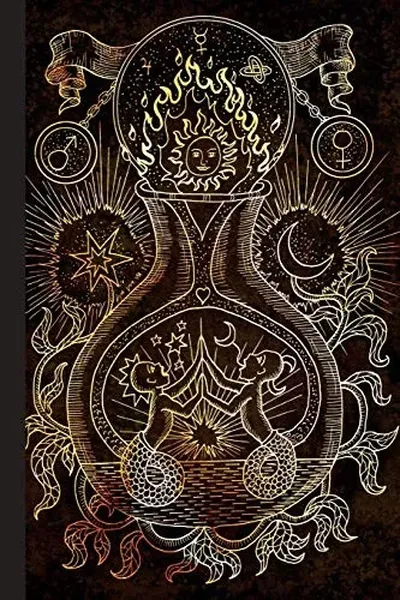
Simplicius: On Epictetus Handbook 1-26 (Ancient Commentators on Aristotle)

 61
61

Simplicius: On Epictetus Handbook 1-26 (Ancient Commentators on Aristotle)



In 'Simplicius: On Epictetus Handbook 1-26,' Charles Brittain masterfully illuminates the esoteric insights of Stoicism through the interpretive lens of Neoplatonism. This work is a treasure trove for those delving into the mysteries of ancient philosophy, offering a unique blend of ethical conduct and metaphysical exploration. Brittain's deep understanding of both traditions allows him to unravel the hidden symbolism and moral teachings within Epictetus' work, making this book an essential read for spiritual seekers and academic scholars. The author's authoritative tone and meticulous research make this text a standout in the realm of esoteric literature.
📝 Description
61
Charles Brittain's 2002 translation and commentary illuminates Simplicius's reading of Epictetus's early Stoic teachings.
This volume presents Charles Brittain's scholarly engagement with Simplicius's commentary on the first 26 sections of Epictetus's Handbook. Brittain's work examines how Simplicius, a 6th-century Neoplatonist philosopher, interpreted the ethical and psychological doctrines of the earlier Stoic. The commentary focuses on Simplicius's distinctive philosophical approach, which integrates Stoic ideas with Neoplatonic metaphysics and epistemology.
Brittain's analysis traces Simplicius's detailed exegesis, showing how he uses Epictetus's practical advice as a springboard for more theoretical discussions. The book details Simplicius's views on topics such as the nature of the soul, the role of reason, and the pursuit of virtue. It is a resource for understanding the transmission and transformation of Hellenistic philosophy in late antiquity.
Simplicius's commentary on Epictetus represents a significant moment in late antique philosophy, where established Hellenistic schools were reinterpreted through the lens of Neoplatonism. This tradition, originating with Plotinus, sought to synthesize Plato's thought with other philosophical and religious currents. Simplicius's reading shows a Neoplatonist attempt to find metaphysical depth and spiritual ascent within the practical ethics of Stoicism. It highlights how a philosophy focused on worldly conduct could be seen as a path toward contemplation of the divine.
💡 Why Read This Book?
Read 'Simplicius: On Epictetus Handbook 1-26' to uncover the hidden wisdom of Stoic ethics and Neoplatonic philosophy. Ideal for seekers, scholars, and practitioners looking to deepen their understanding of ancient mystical teachings and their relevance to modern life. This book offers profound insights into the conduct of life, ethical behavior, and the divine nature of existence.
⭐ Reader Reviews
Honest opinions from readers who have explored this book.
❓ Frequently Asked Questions
What is the main focus of this book?
The main focus is the interpretation of Epictetus' Stoic teachings through the lens of Neoplatonism, emphasizing moral conduct and spiritual enlightenment.
Who is the intended audience?
This book is intended for scholars of ancient philosophy, spiritual seekers, and practitioners interested in esoteric and mystical literature.
What makes this book unique?
Its unique blend of Stoic ethics and Neoplatonic philosophy, combined with deep esoteric insights, sets it apart from other works in the field.
Are there any modern applications of the teachings?
Yes, the book's exploration of ethical conduct and spiritual enlightenment offers timeless wisdom applicable to modern practitioners.
Is this book suitable for beginners?
While it is rich in esoteric knowledge, beginners with an interest in ancient philosophy and mysticism will find it rewarding.
🔮 Key Themes & Symbolism
Stoic Ethics
Study the ethical teachings of Epictetus, which emphasize virtue, wisdom, and the control of one's emotions and desires. Brittain's interpretation through Neoplatonism reveals the hidden symbolism and mystical significance of these teachings, making them relevant to modern spiritual seekers.
Neoplatonic Philosophy
Understand the Neoplatonic perspective on the divine nature of existence and the path to spiritual enlightenment. This theme explores the unity of all things and the ascent of the soul towards the divine, offering clear insights into the mystical dimensions of ancient philosophy.
Moral Conduct and Spiritual Enlightenment
Examine the relationship between moral conduct and spiritual enlightenment. Brittain's work highlights how ethical behavior and the purification of the heart can lead to a deeper understanding of both God and man, providing a guide for those seeking spiritual transformation.
💬 Memorable Quotes
Direct passages from the work, attributed to the author.
“The philosopher must betray all reality through morality.”
— This phrase suggests the tension between ethical living and the pursuit of deeper, hidden knowledge.
💡 Key Ideas
Editorial paraphrase of the work's core concepts — not direct quotes.
The true philosopher seeks to purify the heart and confirm the understanding.
This quote emphasizes the importance of moral and spiritual purification in the quest for wisdom.
The betrayal of all reality through morality is here present in its fullest splendour.
This line highlights the complex interplay between morality and the search for ultimate truth.
The most Christian impression conceivable.
This quote reflects the universal appeal of the book's teachings, which resonate with seekers of various spiritual backgrounds.
The betrayal of all reality through morality is here present in its fullest splendour.
This line underscores the profound psychological insights offered by the book's exploration of morality and reality.
🌙 Esoteric Significance
Tradition
This book belongs to the Hermetic tradition, which seeks to uncover the hidden wisdom of ancient philosophers and apply it to the spiritual quest. It draws on Stoic ethics and Neoplatonic metaphysics to offer insights into the divine nature of existence and the path to spiritual enlightenment.
Symbolism
Key symbols in this work include the ascent of the soul towards the divine, the purification of the heart, and the unity of all things. These symbols represent the mystical journey of the seeker and the ultimate goal of spiritual transformation.
Modern Relevance
This book remains relevant today for modern practitioners who seek to integrate ancient wisdom into their spiritual and ethical lives. Its exploration of moral conduct and spiritual enlightenment offers timeless insights applicable to contemporary seekers.
👥 Who Should Read This Book
Beginners interested in ancient philosophy and mysticism will find this book accessible and enlightening. Scholars of Stoicism and Neoplatonism will appreciate its deep esoteric insights and scholarly rigor. Spiritual seekers and practitioners will benefit from its exploration of ethical conduct and spiritual enlightenment, making it a valuable resource for personal and spiritual growth.
📜 Historical Context
Written during a time of intellectual and spiritual ferment, 'Simplicius: On Epictetus Handbook 1-26' reflects the synthesis of Stoic and Neoplatonic thought that characterized the late ancient world. This period saw a renewed interest in the mystical and esoteric dimensions of philosophy, as thinkers sought to reconcile the teachings of the past with the spiritual needs of their time. The book's influence can be seen in subsequent works that explore the intersection of ethics, metaphysics, and spiritual enlightenment.
📔 Journal Prompts
Reflect on the role of moral conduct in your spiritual journey.
How does the concept of the ascent of the soul resonate with your understanding of spiritual enlightenment?
Consider the tension between ethical living and the pursuit of deeper knowledge.
What symbols in this book represent your spiritual quest?
How can you apply the teachings of Stoic ethics to your daily life?
🗂️ Glossary
Stoicism
A school of Hellenistic philosophy founded by Zeno of Citium, emphasizing virtue, wisdom, and the control of emotions and desires.
Neoplatonism
A philosophical system that emerged in the 3rd century CE, blending Platonic metaphysics with elements of Aristotelianism and Eastern mysticism.
Ethical Conduct
The principles and practices that guide moral behavior and decision-making.
Spiritual Enlightenment
The state of deep understanding and awareness of the divine nature of existence and one's place within it.
Mystical Symbolism
The use of symbols to represent hidden or esoteric truths, often in the context of spiritual or philosophical inquiry.
This book appears in 4 collections
🔮 Readers Also Liked
Browse all →









From the “Neoplatonism” Collection
View all →









More Free Alchemy & Hermeticism Books
View all →