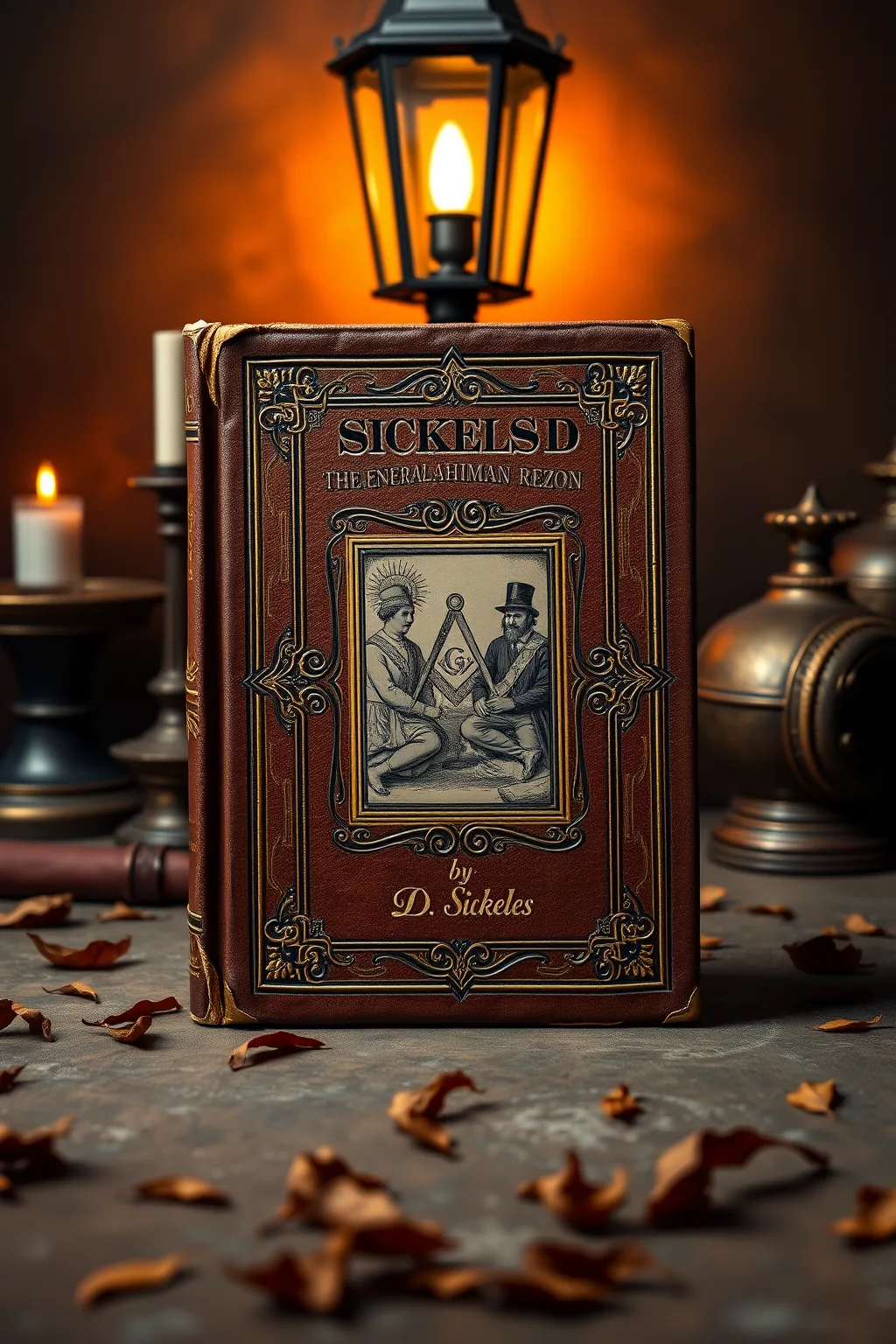
Sickels D The General Ahiman Rezon & Freemasons Guide 1868
 84
84

Sickels D The General Ahiman Rezon & Freemasons Guide 1868


Lorelei Sage (Contemplative Literature Editor) — This 1868 edition of Sickels' 'General Ahiman Rezon & Freemasons Guide' is an indispensable artifact for anyone serious about the esoteric dimensions of Freemasonry. It transcends the superficial, offering profound insights into the symbolic language and spiritual underpinnings that have captivated seekers for generations. The text's strength lies in its comprehensive yet evocative presentation of rituals, moral teachings, and the philosophical bedrock of the Craft. It is a must-have for seasoned practitioners and diligent scholars alike, providing a vital bridge to understanding the historical and mystical evolution of Masonic thought. An essential addition to any discerning occult library.
📝 Description
84
D. Sickels' 1868 'The General Ahiman Rezon & Freemasons Guide' details Masonic rituals and symbolism.
This 1868 edition of 'The General Ahiman Rezon & Freemasons Guide' by D. Sickels presents a detailed account of Masonic rituals and philosophical underpinnings. It functions as more than a simple handbook; it is a guide to the symbolic language and allegories central to Masonic practice. The book aims to illuminate the moral and spiritual lessons embedded within these traditions for those seeking deeper understanding.
The text is structured to assist the dedicated Mason and the interested scholar alike in grasping the philosophical foundations of the fraternity. It covers the moral instruction and spiritual insights derived from Masonic teachings, framed within the context of self-discovery through allegory and ritual. The work invites readers to engage with the deeper significances present in Masonic ceremonies and philosophy.
Published in 1868, this guide sits within a tradition of esoteric literature concerned with the inner meanings of fraternal organizations. Freemasonry, often viewed through its public face of charity and fellowship, also contains a rich layer of symbolic language and philosophical inquiry that appeals to those interested in hermeticism and spiritual development. This book aims to unpack that symbolic dimension, connecting Masonic practices to broader themes of moral philosophy and self-knowledge, which were common pursuits in esoteric circles of the 19th century.
💡 Why Read This Book?
Unearth the profound, hidden meanings behind Masonic rituals and symbolism. This guide offers a gateway to understanding the moral and philosophical teachings integral to the Craft. Ideal for seekers of esoteric knowledge, Masonic scholars, and practitioners looking to deepen their comprehension of ancient wisdom. It provides a historical lens into the evolution of fraternal orders and their enduring quest for enlightenment.
⭐ Reader Reviews
Honest opinions from readers who have explored this book.
❓ Frequently Asked Questions
What is the primary purpose of 'The General Ahiman Rezon & Freemasons Guide'?
Its primary purpose is to serve as a comprehensive guide to Masonic rituals, ceremonies, and the moral and philosophical teachings of Freemasonry. It acts as both a procedural manual and a repository of esoteric wisdom for initiated members.
Who is D. Sickels and what is his significance?
While the authorship of specific sections may be debated, D. Sickels is credited with compiling and editing this seminal work, which became a foundational text for understanding Masonic practices and philosophies during its era.
Is this book suitable for non-Masons?
While written primarily for Masons, its rich historical and symbolic content can be of significant interest to scholars of secret societies, comparative religion, and those fascinated by esoteric traditions. It offers a glimpse into a world of allegory and moral instruction.
What historical period does this edition represent?
This edition originates from 1868, offering a valuable perspective on Freemasonry and its associated literature during the Victorian era, a time of significant development and interest in fraternal organizations.
How does this guide differ from modern Masonic texts?
This 1868 edition reflects the specific customs, language, and philosophical interpretations prevalent in the mid-19th century. It provides a historical benchmark, showcasing the evolution of Masonic teachings and practices over time.
🔮 Key Themes & Symbolism
The Unveiling of Masonic Symbolism
This guide meticulously deciphers the collection of symbols embedded within Masonic rituals and allegories. It studies the deeper meanings of geometric forms, celestial bodies, and common tools, revealing how they serve as keys to unlocking profound moral and spiritual truths. The text emphasizes that these symbols are not mere decorations but potent vehicles for transmitting ancient wisdom, encouraging introspection and personal growth for the initiated.
Ritual as a Path to Enlightenment
Beyond its procedural aspects, the book elucidates how Masonic ritual functions as a transformative journey. Each ceremony is presented as a staged progression, designed to guide the candidate through stages of moral development and spiritual awakening. The carefully orchestrated actions and symbolic elements are intended to impress upon the mind timeless lessons of virtue, brotherhood, and the pursuit of a higher knowledge, making the ritual a living, experiential philosophy.
The Brotherhood of Light
The 'General Ahiman Rezon' underscores the concept of Freemasonry as a fraternity dedicated to mutual support and the collective pursuit of light and truth. It explores the bonds of fellowship forged through shared ritual and moral commitment, highlighting the ethical framework that underpins the order. The book presents Freemasonry not just as a society, but as a moral and spiritual endeavor, aiming to illuminate the path for its members towards personal betterment and societal contribution.
💬 Memorable Quotes
Direct passages from the work, attributed to the author.
“The square teaches us to square our actions.”
— This aphorism highlights the practical application of Masonic symbolism, linking the craftsman's tool to the ethical imperative of upright conduct in everyday life.
“Let the rough ashlar be transformed into the perfect ashlar.”
— This powerful metaphor signifies the Masonic journey of self-improvement, from a raw, unrefined state to one of polished virtue and spiritual perfection.
“We are taught to be true to our obligations.”
— This emphasizes the core Masonic tenet of fidelity and commitment to the vows taken within the fraternity, forming the bedrock of trust and integrity.
“Let brotherly love prevail.”
— A fundamental principle of Freemasonry, this plea underscores the importance of harmony, mutual respect, and genuine affection among all members of the fraternity.
💡 Key Ideas
Editorial paraphrase of the work's core concepts — not direct quotes.
The plumb-line teaches us to walk uprightly before God and man.
This quote illustrates how even simple tools carry profound moral weight, guiding members toward a life of integrity, honesty, and righteous living.
🌙 Esoteric Significance
Tradition
This work is deeply rooted in the Western Esoteric Tradition, specifically within the framework of Hermeticism, Kabbalah, and ancient mystery schools that have influenced Freemasonry. It interprets Masonic symbols and rituals through a lens of allegorical and spiritual progression, aiming to guide the initiate towards inner transformation and the acquisition of hidden knowledge concerning the divine and the human soul.
Symbolism
The book is a rich source of Masonic symbolism, meticulously explaining the esoteric meanings behind tools like the square, compass, and plumb-line, as well as architectural elements and celestial imagery. These symbols are presented not as mere representations, but as potent keys to unlocking profound philosophical and spiritual concepts, encouraging contemplation on morality, virtue, and the interconnectedness of all things.
Modern Relevance
Despite its historical origins, the 'General Ahiman Rezon' remains relevant for modern seekers and practitioners. Its emphasis on moral development, the pursuit of knowledge, and the power of symbolism offers timeless insights applicable to personal growth and ethical living. For those interested in the historical evolution of esoteric thought and the enduring legacy of fraternal orders, this text provides an invaluable window into the foundations of Masonic philosophy.
👥 Who Should Read This Book
This venerable text is essential for Freemasons seeking a deeper understanding of their Craft's historical and symbolic dimensions. It is equally vital for scholars of secret societies, occultism, and comparative religion interested in the philosophical underpinnings of influential fraternal orders. Novice practitioners will find it an useful guide to core tenets, while seasoned individuals can revisit its profound allegories to enrich their personal contemplative practice. It is for the earnest seeker who appreciates the enduring power of ritual and symbolism in the pursuit of wisdom.
📜 Historical Context
Published in 1868, this edition of 'The General Ahiman Rezon & Freemasons Guide' emerges from a period of intense global interest in fraternal organizations, particularly Freemasonry. The Victorian era was marked by a fascination with symbolism, ancient traditions, and the pursuit of self-improvement through structured societies. Masonic lodges were thriving centers of social and intellectual life, attracting men from various strata who sought moral instruction, fellowship, and access to a perceived repository of ancient wisdom. This text reflects the established Masonic jurisprudence and ritualistic practices of the mid-19th century, serving as a crucial document for understanding the Craft's evolution and its philosophical underpinnings during a significant period of its history.
📔 Journal Prompts
Reflect on the transformation from the 'rough ashlar' to the 'perfect ashlar' in your own life. What areas require refinement, and what steps can you take?
How does the symbolism of the square, compass, and plumb-line resonate with your daily ethical decision-making?
Consider the concept of 'brotherly love' as presented in the text. How can you foster stronger bonds of fellowship in your community?
In what ways can Masonic principles of moral instruction be applied to contemporary societal challenges?
Explore the idea of ritual as a pathway to enlightenment. How can structured practices enhance your spiritual journey outside of formal ceremonies?
🗂️ Glossary
Ahiman Rezon
A Masonic term referring to a book of constitutions, rituals, and legal forms. It serves as a guide for the Master and officers of a lodge, containing essential information for the governance and practice of Freemasonry.
Rough Ashlar
A stone in its natural, unhewn state, symbolizing the human being in their natural, uncultivated condition, before being subjected to moral and intellectual improvement through Masonic instruction.
Perfect Ashlar
A stone dressed and polished by the builder's art, ready to be fitted into the edifice. It represents the enlightened Mason, whose character has been refined by education, virtue, and the practice of Masonic principles.
Plumb-line
A symbol of uprightness and integrity. It teaches Masons to walk uprightly in their several stations, to act with justice and impartiality, and to conduct themselves honorably in all their dealings.
Obligation
A solemn promise or vow taken by a Mason upon entering a degree, committing them to certain principles, duties, and the preservation of Masonic secrets. It signifies a profound commitment to the Craft.
This book appears in 2 collections
🔮 Readers Also Liked
Browse all →






From the “Secret Societies” Collection
View all →





More Free Freemasonry & Secret Societies Books
View all →