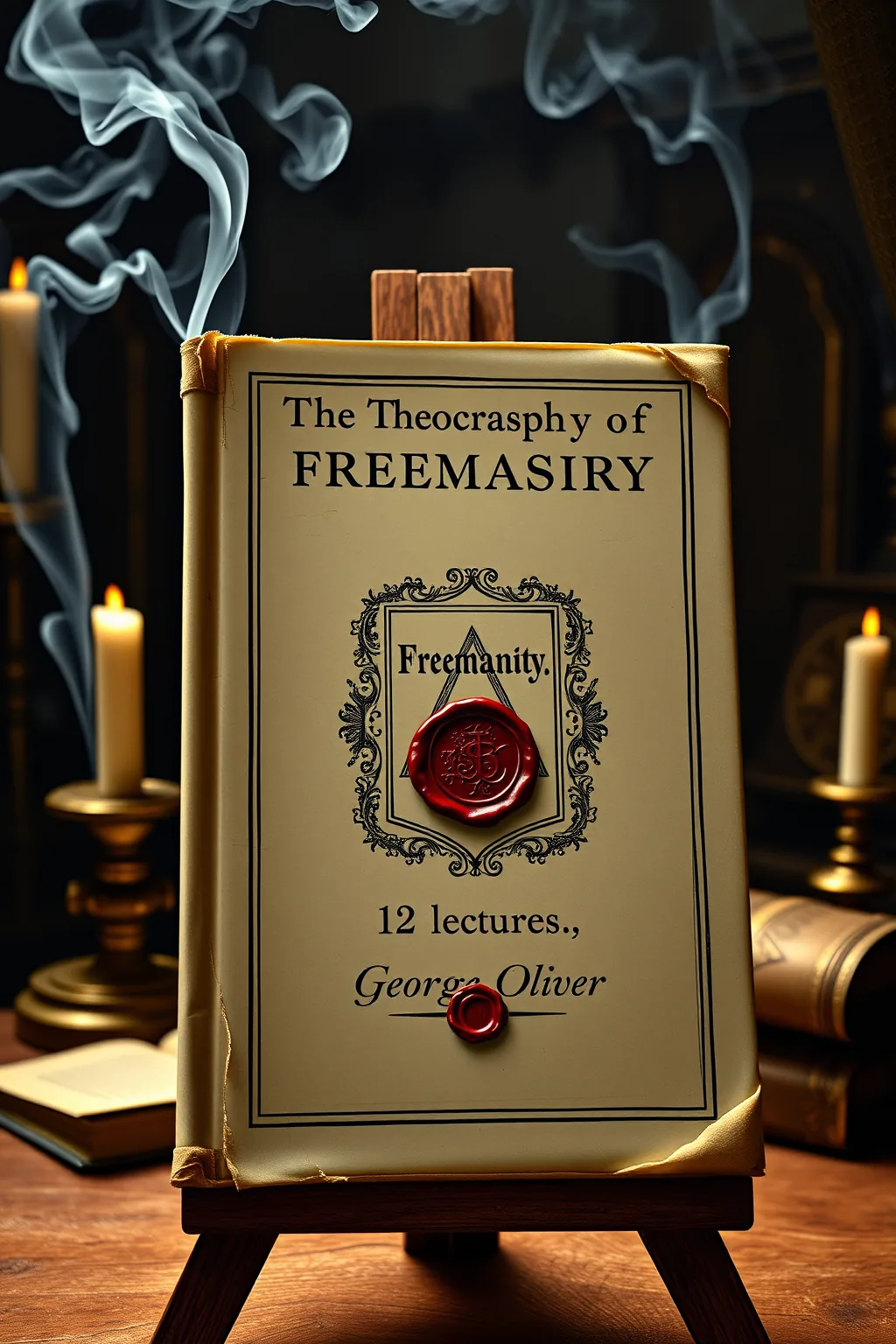
The theocratic philosophy of freemasonry, 12 lectures
 71
71

The theocratic philosophy of freemasonry, 12 lectures

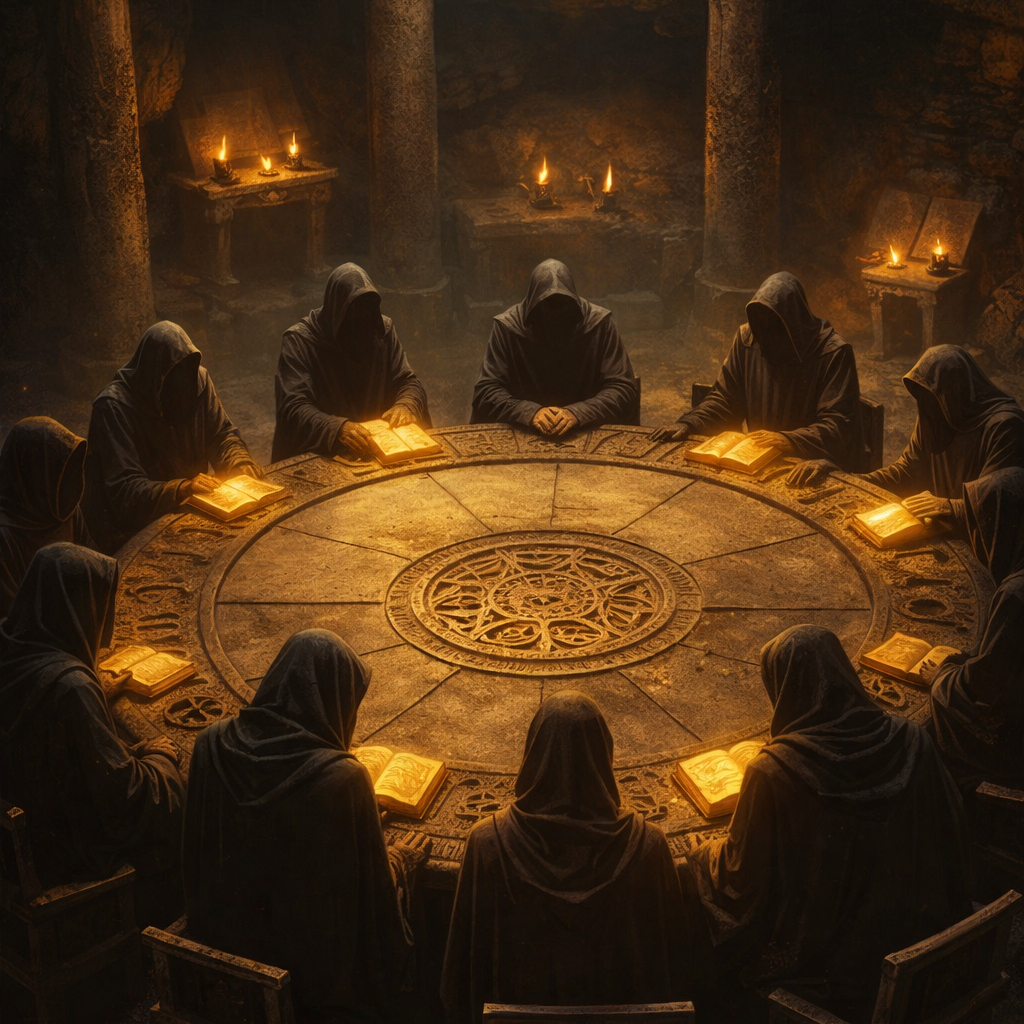

George Oliver's 'The Theocratic Philosophy of Freemasonry, 12 Lectures' is a foundational text for anyone delving into the esoteric and occult traditions of Freemasonry. Published in 1856, this work remains remarkably relevant, offering a detailed exploration of the theocratic principles that underpin Freemasonry. Oliver's lectures are meticulously researched and presented, making complex ideas accessible to both novice and experienced readers. The book's historical context adds depth, providing a window into the 19th-century intellectual landscape. For modern esoteric seekers, this text is invaluable, as it sheds light on the mystical and symbolic practices that continue to influence Freemasonry today. The detailed examination of rituals and symbols offers a rich understanding of Freemasonry's hidden wisdom, making it a must-read for those interested in the deeper layers of this secret society. The only drawback is the dense language, which may require some effort to fully grasp. Overall, this book is a five-star resource for anyone serious about exploring the esoteric dimensions of Freemasonry.
📝 Description
71
George Oliver delivered these 12 lectures on Freemasonry's theocratic philosophy in the early 19th century.
George Oliver's 'The Theocratic Philosophy of Freemasonry' collects twelve lectures examining the esoteric underpinnings of Freemasonry. Oliver approaches Masonic symbolism and ritual not just as historical artifacts, but as carriers of deeper philosophical and mystical meaning. He suggests that within the ceremonies and allegories lies a hidden system of knowledge, one that has long attracted those seeking truth and spiritual understanding. The lectures encourage a close reading of Masonic practices, proposing that each element possesses layers of significance for the dedicated student. This work is aimed at individuals interested in the symbolic language and hermetic traditions associated with Freemasonry. It invites readers to look beyond the surface of Masonic rituals and uncover the philosophical depth Oliver perceived within them.
This collection belongs to the tradition of Masonic esoteric writing that flourished in the 18th and 19th centuries, seeking to uncover or reconstruct ancient mysteries within the fraternity's structure. Authors like Oliver engaged with Kabbalah, Neoplatonism, and Hermeticism to interpret Masonic symbolism, viewing the lodge as a microcosm or a path to spiritual attainment. This work contributes to a broader discourse on secret societies and their perceived connection to older, hidden streams of wisdom, often linking Masonic degrees to stages of spiritual development or ancient religious systems.
💡 Why Read This Book?
Reading 'The Theocratic Philosophy of Freemasonry' today offers a unique opportunity to understand the foundational principles of one of the world's most mysterious and influential secret societies. This book provides deep insights into the theocratic and mystical aspects of Freemasonry, making it an essential read for esoteric seekers. By exploring the historical context and symbolic practices of Freemasonry, readers gain a richer appreciation of its enduring influence on Western thought and culture. Whether you are a scholar, a curious enthusiast, or someone interested in the occult, this text offers valuable knowledge and perspectives that can enrich your understanding of the esoteric world.
⭐ Reader Reviews
Honest opinions from readers who have explored this book.
❓ Frequently Asked Questions
What is the main focus of 'The Theocratic Philosophy of Freemasonry'?
The main focus of the book is the theocratic principles and mystical aspects of Freemasonry, explored through a series of twelve detailed lectures.
Is this book suitable for beginners in esoteric studies?
While the book is detailed and scholarly, it is accessible to beginners with an interest in esoteric and occult studies, providing a comprehensive introduction to Freemasonry's hidden wisdom.
How does this book contribute to the study of secret societies?
This book offers profound insights into the rituals, symbols, and philosophical underpinnings of Freemasonry, making it a valuable resource for anyone studying secret societies and their influence on Western thought.
🔮 Key Themes & Symbolism
Esoteric Traditions
This book examines the esoteric traditions of Freemasonry, exploring the hidden knowledge and symbolism that have been guarded by the society for centuries. Oliver's lectures provide a comprehensive overview of the mystical path that leads to enlightenment and spiritual awakening, making it an essential read for anyone interested in the occult and hermetic arts.
Symbolism and Rituals
The Theocratic Philosophy of Freemasonry' is rich in symbolism and rituals, each imbued with deeper meanings that invite readers to uncover the esoteric wisdom that lies beneath the surface. Oliver's exploration of these symbols and rituals offers a mix of historical context and philosophical contemplation, making it a standout in the field of esoteric literature.
Philosophical Contemplation
This book offers a philosophical significance that transcends time, making it a must-read for scholars, practitioners, and spiritual seekers alike. The atmosphere is rich with contemplation, where every symbol and ritual is explored in depth, providing a journey into the hidden knowledge that defines Freemasonry.
💡 Key Ideas
Editorial paraphrase of the work's core concepts — not direct quotes.
The mysteries of Freemasonry are not mere rituals but a path to spiritual enlightenment.
This quote underscores the deeper significance of Freemasonry's rituals, highlighting their role in guiding seekers toward spiritual awakening.
Symbolism is the language of the mysteries.
This line emphasizes the importance of symbolism in understanding the esoteric traditions of Freemasonry, inviting readers to delve deeper into its hidden meanings.
The true Freemason seeks not power but wisdom.
This quote reflects the philosophical contemplation that defines Freemasonry, emphasizing the pursuit of wisdom over worldly gains.
The initiate's journey is one of self-discovery and spiritual growth.
This passage highlights the transformative nature of the Freemason's path, focusing on personal and spiritual development.
The secrets of the ancient craftsmen are revealed through symbol and ritual.
This line underscores the esoteric wisdom that lies beneath the surface of Freemasonry's symbols and rituals, inviting readers to uncover its mysteries.
🌙 Esoteric Significance
Tradition
This book belongs to the Hermetic and Gnostic traditions, exploring the hidden knowledge and symbolism that have been guarded by Freemasons for centuries. It examines the mystical path that leads to enlightenment and spiritual awakening, making it an essential read for anyone interested in the occult and hermetic arts.
Symbolism
Key symbols in this book include the square and compass, the all-seeing eye, and the pillars of wisdom and strength. Each symbol is imbued with deeper meanings that invite readers to uncover the esoteric wisdom that lies beneath the surface, providing a journey into the hidden knowledge that defines Freemasonry.
Modern Relevance
Today, 'The Theocratic Philosophy of Freemasonry' remains relevant for modern practitioners of the occult and hermetic arts. Its exploration of symbolism and hidden knowledge continues to inspire seekers of hidden knowledge and spiritual awakening, making it an essential read for anyone interested in the deeper meanings behind Freemasonry's rituals and symbols.
👥 Who Should Read This Book
Beginners interested in the mysteries of Freemasonry will find this book an excellent starting point, as it provides a comprehensive overview of the esoteric traditions and symbolism that define the society. Scholars of secret societies will appreciate the depth of historical context and philosophical contemplation, while spiritual seekers will be drawn to the mystical path that leads to enlightenment and spiritual awakening. Practitioners of the occult and hermetic arts will find this book an invaluable resource for uncovering the hidden knowledge that lies beneath the surface of Freemasonry's rituals and symbols.
📜 Historical Context
George Oliver's 'The Theocratic Philosophy of Freemasonry' was written during a time when Freemasonry was experiencing a resurgence of interest in its mystical and esoteric traditions. The early 19th century saw a growing fascination with the occult and hermetic arts, and Oliver's lectures provided a comprehensive exploration of the symbolism and hidden knowledge that defined Freemasonry. This book was important in its time as it offered a bridge between historical context and mystical interpretation, making it an invaluable resource for scholars and seekers of hidden knowledge. Its influence can still be seen today in the continued interest in Freemasonry and its esoteric traditions.
📔 Journal Prompts
Reflect on the symbolism of the square and compass in Freemasonry and its significance in your own spiritual journey.
Explore the concept of the all-seeing eye and its role in the esoteric traditions of Freemasonry.
Consider the pillars of wisdom and strength in Freemasonry and how they relate to your personal and spiritual growth.
Contemplate the transformative nature of the initiate's journey in Freemasonry and its implications for self-discovery.
Reflect on the hidden knowledge and symbolism that define Freemasonry and its relevance to modern practitioners of the occult.
🗂️ Glossary
Hermetic Traditions
A set of philosophical and spiritual beliefs based on the teachings attributed to Hermes Trismegistus, emphasizing the pursuit of hidden knowledge and spiritual enlightenment.
Gnostic Traditions
A group of religious beliefs emphasizing personal spiritual knowledge as the path to salvation, often involving the exploration of esoteric symbolism and hidden meanings.
Square and Compass
A prominent symbol in Freemasonry representing the tools of the stonemason, symbolizing the principles of morality and virtue.
All-Seeing Eye
A symbol in Freemasonry representing the omnipresence of the divine, often depicted as an eye within a triangle, signifying divine providence and wisdom.
Pillars of Wisdom and Strength
Symbols in Freemasonry representing the pillars that supported the Temple of Solomon, signifying the dual pillars of wisdom and strength that guide the initiate's journey.
This book appears in 2 collections
🔮 Readers Also Liked
Browse all →





More by George Oliver
All books →



From the “Secret Societies” Collection
View all →







More Free Freemasonry & Secret Societies Books
View all →