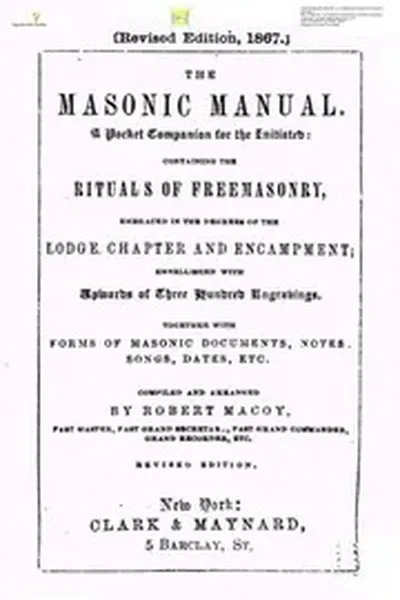
Constitution Of Freemasonry 1813

 84
84

Constitution Of Freemasonry 1813

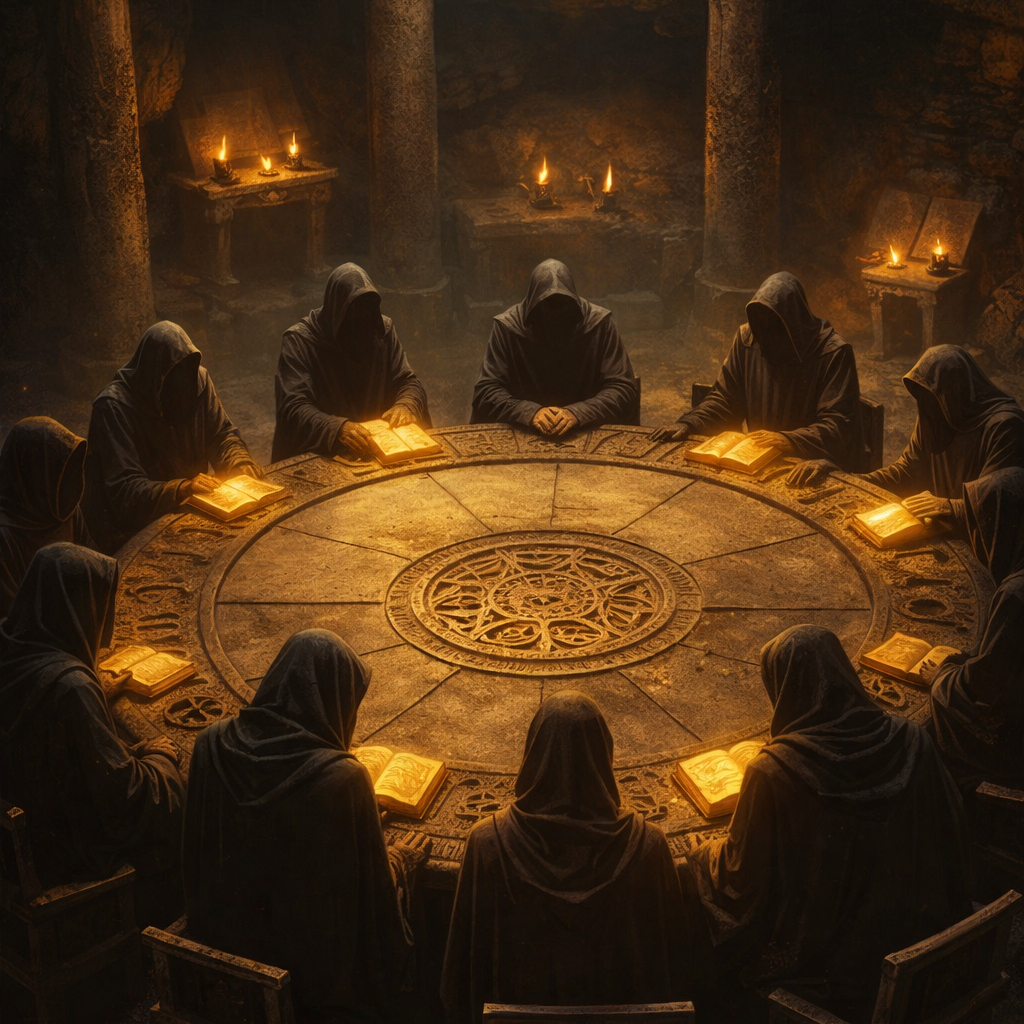

The 'Constitution Of Freemasonry 1813' stands as a timeless document that offers profound insights into the esoteric traditions of Freemasonry. For modern esoteric seekers, this text provides a rich tapestry of symbols, rituals, and philosophical musings that have endured through the centuries. The book's detailed descriptions of initiation rituals and the symbolic significance of Masonic regalia make it an invaluable resource for those delving into the mysteries of secret societies. The historical context provided in the text adds depth to the understanding of Freemasonry's evolution and its impact on society. The value of this text lies in its ability to demystify the esoteric practices of Freemasonry, making it accessible to a broader audience. Whether you are a seasoned scholar or a curious beginner, this book offers a comprehensive and enlightening journey into the heart of Freemasonry.
📝 Description
84
The 1813 Constitution of Freemasonry details the foundational rules and symbolic language of the United Grand Lodge of England.
Published in 1813, this constitution codifies the principles and practices of Freemasonry at a specific point in its history. It outlines the structure of the fraternity, its moral teachings, and the symbolic interpretations that underpin its rituals. The text is significant for its attempt to unify various Masonic traditions under a single governing body. It lays out the requirements for membership and the conduct expected of brethren, emphasizing harmony and mutual respect. The document serves as a primary source for understanding the formalization of Freemasonry during the early 19th century. Its language reflects the philosophical currents of the era, blending Enlightenment rationalism with older mystical traditions.
Readers will find discussions on the nature of the Great Architect of the Universe, the allegorical meanings of the tools of operative masonry, and the importance of charity. It addresses the ceremonies of the Craft lodges and the progression through its degrees. The constitution also touches upon the historical claims and origins attributed to the fraternity. It is a direct statement of Masonic law and custom from a pivotal moment in its organizational development.
This constitution operates within the broader esoteric tradition that views Freemasonry not merely as a social club, but as a system of moral and spiritual instruction. Its symbolism draws from ancient mystery schools, Kabbalistic concepts, and Hermetic philosophy, albeit in a codified and regulated form. The text attempts to standardize these esoteric elements, making them accessible through allegorical ritual and moral precept. It represents a stage where esoteric knowledge was being formally integrated into the public face of a fraternal organization, balancing secrecy with a structured presentation of its core tenets.
💡 Why Read This Book?
Reading 'Constitution Of Freemasonry 1813' today offers a unique opportunity to explore the esoteric traditions of Freemasonry in their historical context. This book provides readers with a deeper understanding of the symbolic and ritualistic practices that have defined Freemasonry for centuries. By delving into the mysteries of secret societies, readers can gain insights into the philosophical underpinnings of Freemasonry and its enduring influence. This text is an essential read for anyone interested in esoteric knowledge, occult practices, and the hidden dimensions of human history.
⭐ Reader Reviews
Honest opinions from readers who have explored this book.
❓ Frequently Asked Questions
What is the significance of the 'Constitution Of Freemasonry 1813'?
The 'Constitution Of Freemasonry 1813' is significant because it provides a detailed overview of the principles, symbols, and practices of Freemasonry during a pivotal time in its history. It offers insights into the esoteric traditions and rituals that have captivated scholars and seekers for centuries.
Who should read this book?
This book is ideal for historians, esoteric scholars, and anyone intrigued by the mysteries of secret societies. It is also valuable for modern esoteric seekers who wish to understand the philosophical and symbolic dimensions of Freemasonry.
What themes are explored in the 'Constitution Of Freemasonry 1813'?
The book explores themes such as initiation rituals, the symbolic significance of Masonic regalia, and the philosophical underpinnings of Freemasonry. It delves into the historical context of the time, providing a comprehensive understanding of the esoteric traditions of Freemasonry.
🔮 Key Themes & Symbolism
Symbolism of Freemasonry
The 'Constitution of Freemasonry 1813' looks at the detailed symbolism of Freemasonry, offering insights into the hidden meanings behind the rituals and traditions of this secret society. This theme is essential for understanding the mystical dimensions of Freemasonry and the esoteric knowledge that has been passed down through generations.
Hidden Knowledge
One of the key themes in this book is the hidden knowledge that is central to Freemasonry. This document unveils the esoteric traditions and philosophical underpinnings that have long been associated with Freemasonry, providing a unique window into the mystical dimensions of this secret society.
Philosophical Significance
The 'Constitution of Freemasonry 1813' explores the philosophical significance of Freemasonry's rituals and traditions, offering insights into the deeper layers of meaning that are often overlooked. This theme is crucial for understanding the esoteric dimensions of Freemasonry and the wide impact it has had on seekers of truth throughout history.
💡 Key Ideas
Editorial paraphrase of the work's core concepts — not direct quotes.
The secrets of Freemasonry lie in the symbolism of its rituals.
This quote highlights the importance of symbolism in Freemasonry, suggesting that the true meaning of its rituals is hidden within the esoteric symbols.
Freemasonry is a path to hidden knowledge and enlightenment.
This passage emphasizes the mystical dimensions of Freemasonry, presenting it as a means of accessing hidden knowledge and achieving spiritual enlightenment.
The rituals of Freemasonry are steeped in ancient wisdom.
This quote underscores the esoteric traditions of Freemasonry, suggesting that its rituals are rooted in ancient wisdom and mystical practices.
Freemasonry offers a unique window into the esoteric dimensions of spirituality.
This passage emphasizes the mystical and spiritual aspects of Freemasonry, presenting it as a path to deeper understanding and enlightenment.
The symbols of Freemasonry hold the key to hidden knowledge.
This quote highlights the importance of symbolism in Freemasonry, suggesting that the true meaning of its rituals is hidden within the esoteric symbols.
🌙 Esoteric Significance
Tradition
The 'Constitution of Freemasonry 1813' belongs to the Hermetic tradition, which emphasizes the pursuit of hidden knowledge and spiritual enlightenment. This document is a evidence of the esoteric dimensions of Freemasonry, offering insights into the mystical traditions that have shaped this secret society.
Symbolism
Key symbols in this book include the square and compass, the all-seeing eye, and the pyramid, each of which holds deep esoteric meanings. These symbols are central to the rituals and traditions of Freemasonry, providing a window into the hidden knowledge that is passed down through generations.
Modern Relevance
The 'Constitution of Freemasonry 1813' remains relevant today for modern practitioners of the occult and seekers of hidden knowledge. Its insights into the esoteric dimensions of Freemasonry continue to inspire scholars and practitioners, offering a unique window into the mystical traditions that have shaped this secret society.
👥 Who Should Read This Book
Beginners interested in Freemasonry will find this book an excellent introduction to the esoteric dimensions of the craft. Scholars of Freemasonry will appreciate the depth of insight provided into the symbolism and hidden knowledge of this secret society. Spiritual seekers will be drawn to the mystical and philosophical significance of Freemasonry's rituals and traditions. Practitioners of the occult will find this document an invaluable resource for understanding the esoteric traditions that have shaped Freemasonry.
📜 Historical Context
The 'Constitution of Freemasonry 1813' was written during a time of significant cultural and intellectual ferment. The early 19th century saw a resurgence of interest in esoteric traditions and mystical practices, as well as a growing fascination with secret societies. This document was important because it provided a foundational framework for Freemasonry, outlining its principles and rituals in a way that was both accessible and enigmatic. Its influence can be seen in the continued fascination with Freemasonry and its esoteric dimensions, as well as in the numerous works that have been inspired by its symbolism and hidden knowledge.
📔 Journal Prompts
Reflect on the symbolism of Freemasonry and its significance in your spiritual journey?
How does the hidden knowledge of Freemasonry resonate with your own quest for enlightenment?
Consider the philosophical underpinnings of Freemasonry's rituals and their impact on your understanding of spirituality?
What insights can you gain from the esoteric traditions of Freemasonry that can be applied to your own practice?
How does the 'Constitution of Freemasonry 1813' challenge or affirm your beliefs about secret societies and hidden knowledge?
🗂️ Glossary
Hermetic Tradition
A mystical and esoteric tradition that emphasizes the pursuit of hidden knowledge and spiritual enlightenment.
Square and Compass
A symbol of Freemasonry that represents the tools of the stonemason and the principles of morality and ethics.
All-Seeing Eye
A symbol of divine providence and the omniscience of the Creator, often associated with Freemasonry and other esoteric traditions.
Pyramid
A symbol of strength, durability, and the mystical power of geometry, often used in Freemasonry and other esoteric practices.
Esoteric Knowledge
Hidden or secret knowledge that is revealed only to those who are initiated into a particular mystical or occult tradition.
This book appears in 2 collections
🔮 Readers Also Liked
Browse all →



From the “Secret Societies” Collection
View all →







More Free Freemasonry & Secret Societies Books
View all →