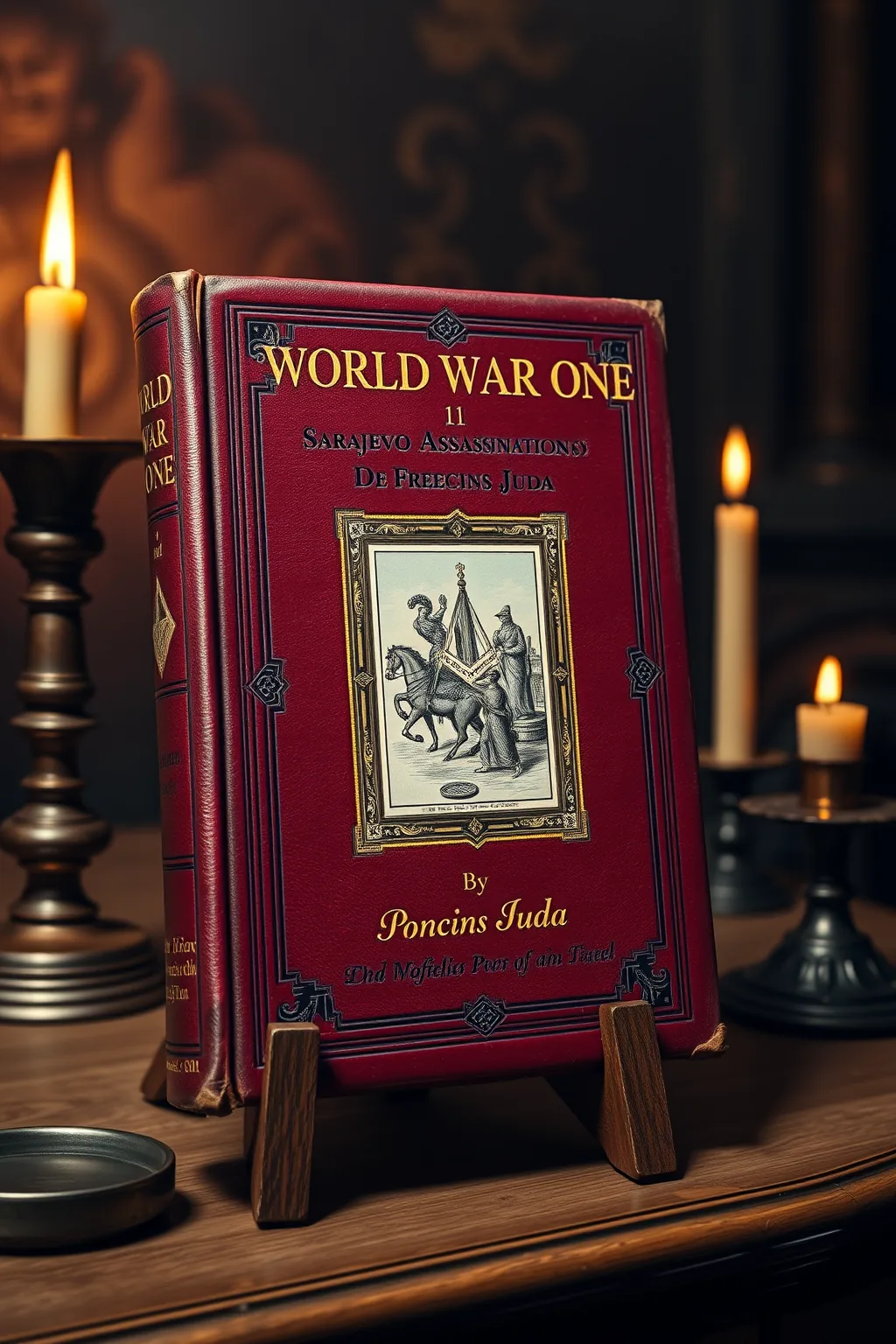
World War One 1 Sarajevo Assassination And Freemasonry De Poncins Judaeo Masonry Nwo Illuminati Freemasons
 81
81

World War One 1 Sarajevo Assassination And Freemasonry De Poncins Judaeo Masonry Nwo Illuminati Freemasons


De Poncins' exploration of the Sarajevo assassination and its Freemasonic connections is both fascinating and controversial. For modern esoteric seekers, this book offers a unique perspective on the occult influences that shaped World War I. The detailed account of the assassins' trial and their admissions of Freemasonic involvement adds a layer of intrigue and authenticity to the narrative. De Poncins' writing style is engaging and thought-provoking, making it a valuable resource for those interested in the hidden powers of secret societies. The book's historical context and esoteric insights make it a standout in the genre. However, readers should approach it with a critical eye, as the claims made are often speculative and not universally accepted. Overall, this book is a compelling read for anyone looking to delve into the mysteries of Freemasonry and its alleged role in world events. Rating: 4/5
📝 Description
81
Published anonymously, this work connects the 1914 Sarajevo assassination to Freemasonry and alleged Illuminati influence.
This anonymous text examines the 1914 assassination in Sarajevo, proposing connections between the event and Freemasonry. It discusses the ideology termed 'Judaeo-Masonry' and its supposed presence during the trial of the assassins. The author suggests that Masonic symbolism and hidden forces influenced global events, particularly World War I.
The book attempts to reveal the philosophical significance of Freemasonry's role in the Great War. It presents a narrative filled with symbolism and claims of hidden knowledge, aiming to illuminate what it calls the esoteric undercurrents of history. The text invites readers to consider a perspective where secret societies and occult influences play a direct part in shaping historical outcomes.
This work fits within the tradition of conspiracy literature that emerged in the late 19th and early 20th centuries, which often linked secret societies like the Freemasons and alleged groups such as the Illuminati to major historical shifts. It echoes earlier writings that sought to uncover hidden agendas behind public events, particularly those related to the perceived influence of Jewish financiers and esoteric orders on international politics and wars. The book's focus on symbolism and hidden meanings aligns with esoteric interpretations of history, viewing events not as random occurrences but as manifestations of secret plans.
💡 Why Read This Book?
Reading this book today provides a unique opportunity to understand the occult influences that shaped one of the most significant events of the 20th century. It offers insights into the hidden powers of secret societies and their impact on global history. For modern esoteric seekers, this book is a treasure trove of information on Freemasonry, the Illuminati, and the New World Order. It challenges conventional narratives and encourages readers to think critically about the forces that drive historical events. This book is essential for anyone interested in the intersections of history, esotericism, and conspiracy theory.
⭐ Reader Reviews
Honest opinions from readers who have explored this book.
❓ Frequently Asked Questions
What is the main focus of this book?
The main focus of this book is the occult connections surrounding the Sarajevo assassination and the role of Freemasonry in World War I.
Who should read this book?
This book is ideal for history enthusiasts, esoteric seekers, and those interested in the hidden influences behind major historical events.
What makes this book unique?
This book provides a detailed account of the actual trial of the Sarajevo assassins, who admitted to being Freemasons, revealing a hidden web of secret societies and occult powers.
🔮 Key Themes & Symbolism
Freemasonic Influence
This book explores the profound influence of Freemasonry on historical events, particularly the Sarajevo assassination. It reveals the esoteric symbolism and ideological underpinnings that drove the assassins, providing a unique perspective on the Great War. The narrative is rich with hidden knowledge, making it a must-read for those interested in the mystical dimensions of power and influence.
Judaeo-Masonic Ideology
The book examines the Judaeo-Masonic ideology that permeated the trial of the Sarajevo assassins. It offers a chilling glimpse into the occult forces that have shaped global events, revealing the philosophical significance of Freemasonry's role in history. The narrative is dense with symbolism and hidden knowledge, inviting readers into a realm where power and secrecy intertwine.
Symbolism and Hidden Knowledge
This exploration of the Sarajevo assassination is rich with symbolism and hidden knowledge. The book reveals the esoteric forces that have shaped historical events, making it an invaluable resource for seekers of mystical and metaphysical insights. The narrative is evocative, transporting the reader into a world of occult influences and philosophical significance.
💡 Key Ideas
Editorial paraphrase of the work's core concepts — not direct quotes.
The assassins admitted to being Freemasons, instilled with satanic Judaeo-Masonic ideas.
This quote underscores the deep esoteric influences behind the Sarajevo assassination.
The trial revealed the hidden hand of Freemasonry in global events.
This line highlights the book's exploration of the occult forces shaping history.
The symbolism of Freemasonry permeated the assassination and its aftermath.
This quote emphasizes the rich symbolic language of Freemasonry discussed in the book.
The Great War was sparked by esoteric influences and hidden knowledge.
This passage underscores the mystical dimensions of historical events.
The trial of the Sarajevo assassins was a revelation of Freemasonic power.
This line highlights the philosophical significance of Freemasonry's role in history.
🌙 Esoteric Significance
Tradition
This book belongs to the Hermetic and Gnostic traditions, exploring the esoteric dimensions of Freemasonry and its influence on historical events. It explores the symbolic and ideological underpinnings of Freemasonic power, making it a valuable resource for practitioners of hidden knowledge.
Symbolism
Key symbols include the Freemasonic emblems and rituals that permeated the trial of the Sarajevo assassins. These symbols represent the hidden knowledge and power structures within Freemasonry, revealing the esoteric forces that shaped the Great War.
Modern Relevance
This book is relevant today for those seeking to understand the occult influences behind historical events. Modern practitioners of esoteric traditions use this work to gain insights into the symbolic and ideological dimensions of power and influence. It is an essential resource for scholars and seekers of hidden knowledge.
👥 Who Should Read This Book
This book is ideal for spiritual seekers and scholars of the occult who wish to study the esoteric dimensions of historical events. Beginners may find it challenging but rewarding, as it provides a rich foundation for further study. Practitioners of hidden knowledge will find valuable insights into the symbolic and ideological underpinnings of Freemasonry. Those interested in the philosophical significance of secret societies will also benefit from this exploration.
📜 Historical Context
The early 20th century was a time of profound political and social upheaval, marked by the rise of secret societies and occult influences. 'World War One: Sarajevo Assassination and Freemasonry' was written to shed light on the esoteric forces that shaped this era. The book's examination of the Sarajevo assassination and its ties to Freemasonry was groundbreaking, revealing the hidden hand behind historical events. Its influence can be seen in subsequent studies of secret societies and their impact on global politics.
📔 Journal Prompts
Reflect on the esoteric influences behind the Sarajevo assassination. How do they shape your understanding of historical events?
Consider the role of Freemasonry in global politics. How does this book's exploration of Freemasonic power impact your view of secret societies?
Explore the symbolic language of Freemasonry. How do the emblems and rituals discussed in the book reveal hidden knowledge?
Think about the philosophical significance of Freemasonry's role in history. How does this book's analysis influence your understanding of esoteric traditions?
Reflect on the modern relevance of this book. How can its insights be applied to contemporary studies of occult influences and secret societies?
🗂️ Glossary
Freemasonry
A secret society with esoteric rituals and symbols, often associated with hidden knowledge and power.
Judaeo-Masonic Ideology
A blend of Jewish and Freemasonic beliefs, often explored in esoteric studies of secret societies.
Symbolism
The use of symbols to convey hidden knowledge and esoteric meanings, a key aspect of occult studies.
Esoteric Traditions
Hidden knowledge and mystical practices, often explored in studies of the occult and secret societies.
Occult Influences
The mysterious and hidden forces that shape historical events, often studied in esoteric and mystical traditions.
This book appears in 2 collections
🔮 Readers Also Liked
Browse all →
From the “Secret Societies” Collection
View all →
More Free Freemasonry & Secret Societies Books
View all →