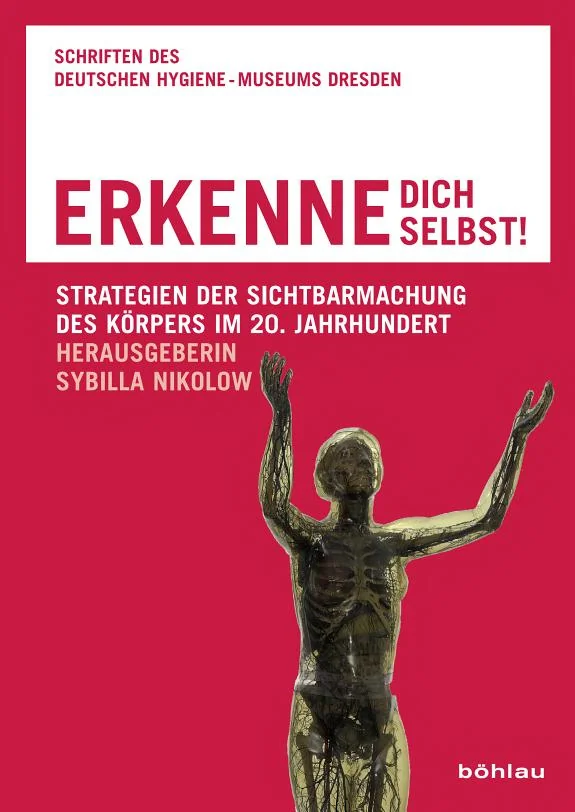
Erkenne Dich selbst!
 76
76

Erkenne Dich selbst!
Sybilla Nikolow’s Erkenne Dich selbst! presents a challenging but rewarding exploration of self-awareness. Nikolow's strength lies in her direct, almost stark, prose, which avoids the common pitfalls of overly sentimental spiritual literature. She meticulously dissects the various layers of the psyche, particularly the pervasive nature of the "inner critic" (innere Kritiker), offering practical, if demanding, exercises for its observation. One particularly striking passage discusses the "energetic body" not as a mystical abstraction, but as a tangible field influencing our perceptions and interactions. However, the book's primary limitation is its density; the conceptual framework, while consistent, can be difficult to penetrate without prior exposure to similar philosophical traditions. It presumes a certain intellectual rigor from the reader that may alienate those new to esoteric thought. Ultimately, Erkenne Dich selbst! is a valuable, no-nonsense guide for the determined seeker of self-knowledge.
📝 Description
76
Sybilla Nikolow's 2015 book, Erkenne Dich selbst!, examines self-knowledge and inner transformation.
Erkenne Dich selbst! presents essays on self-knowledge and inner transformation. The book discusses consciousness, the mind's hidden potentials, and the philosophy behind personal growth. Nikolow frames the self not just as a biological being, but as a complex center of psychic and spiritual energies. This work is for individuals interested in their inner lives and how self-awareness functions. It will appeal to those drawn to esoteric philosophy, psychology, and spiritual development, especially those willing to grapple with abstract ideas and introspective exercises. A basic curiosity about consciousness and life's enduring questions is beneficial for readers.
Nikolow centers the book on "self-recognition" as a main aim for human development. She addresses the "inner critic," suggesting ways to observe and integrate it. The author also speaks about the "energetic body," its part in perception, and how we interact with our surroundings. She proposes that a fuller view of human physiology is needed for genuine self-understanding. The book argues that grasping these internal processes is key to unlocking latent human abilities.
Published in 2015, Erkenne Dich selbst! connects with a period of growing interest in mindfulness and consciousness studies. The book reflects ideas found in 20th-century esoteric movements, particularly those associated with G.I. Gurdjieff and P.D. Ouspensky, especially their concepts of achieving higher states of awareness. It emerged as a counterpoint to a culture increasingly focused on the external, advocating instead for internal exploration.
💡 Why Read This Book?
• Gain a structured approach to understanding the "inner critic" (innere Kritiker) as detailed in Nikolow's specific analytical framework, allowing for practical observation and integration exercises not found in generalized mindfulness texts. • Explore the concept of the "energetic body" as presented in Chapter 4, moving beyond vague spiritual notions to a more concrete, perception-focused understanding of human physiology and its esoteric implications. • Develop a disciplined practice of "self-recognition" (Selbsterkenntnis), a core theme of the book, by engaging with Nikolow's unique exercises designed to foster a more objective and profound awareness of one's own mental and emotional states.
⭐ Reader Reviews
Honest opinions from readers who have explored this book.
❓ Frequently Asked Questions
What is the primary goal of the practices outlined in Erkenne Dich selbst!?
The primary goal is achieving "self-recognition" (Selbsterkenntnis). This involves developing a profound and objective awareness of one's own internal states, thought patterns, and emotional reactions, moving beyond habitual automatic responses.
Who is Sybilla Nikolow and what is her background?
Information about Sybilla Nikolow's specific background is not detailed in the original publication. The work itself focuses on philosophical and psychological concepts rather than the author's biography, suggesting an emphasis on the message over the messenger.
When was Erkenne Dich selbst! first published?
Erkenne Dich selbst! was first published on August 19, 2015. This places it within the contemporary resurgence of interest in consciousness studies and esoteric philosophy.
Does the book offer practical exercises for self-improvement?
Yes, the book includes practical exercises aimed at observing internal states, particularly the "inner critic" (innere Kritiker), and understanding the "energetic body," facilitating a more disciplined approach to self-awareness.
What esoteric tradition does Erkenne Dich selbst! draw from?
While not explicitly tied to a single tradition, the book draws heavily on perennialist philosophical concepts and psychological frameworks reminiscent of 20th-century esoteric thought, particularly regarding consciousness and self-observation.
Is 'Erkenne Dich selbst!' a translation of an English work?
The title 'Erkenne Dich selbst!' is German for 'Know Thyself.' While the book's themes are universal, its original publication and phrasing suggest it is an original work in German.
🔮 Key Themes & Symbolism
The Inner Critic
Nikolow dedicates significant attention to the concept of the "inner critic" (innere Kritiker), portraying it not as an external force but as an internal mechanism of self-judgment and limitation. The work outlines methods for recognizing this critical voice in real-time, distinguishing it from objective observation. This theme is central to achieving "self-recognition" (Selbsterkenntnis), as understanding the critic's function is presented as a crucial step in disarming its influence and fostering a more balanced internal dialogue.
Energetic Body
The "energetic body" is presented as a vital, though often overlooked, aspect of human physiology in Chapter 4. Nikolow suggests that this subtle energetic field influences our perceptions, interactions, and overall well-being. The book encourages readers to develop a sensitivity to this dimension, positing that a holistic understanding of human existence requires acknowledging and working with these energetic currents, bridging the gap between physical and psychic realities.
Self-Recognition (Selbsterkenntnis)
"Self-recognition" (Selbsterkenntnis) is the overarching goal of the book, defined as a deep, objective awareness of one's own being. Nikolow argues that true self-knowledge is not achieved through intellectual accumulation but through direct, disciplined observation of one's inner landscape. This process involves confronting one's own automatic reactions, biases, and the pervasive influence of the "inner critic," leading to a more authentic and integrated sense of self.
Consciousness and Awareness
The work explores the nature of consciousness and the different states of awareness attainable by the individual. Nikolow differentiates between ordinary, waking consciousness and potentially higher states of awareness that can be cultivated through specific practices. The book frames the development of consciousness not as a passive unfolding but as an active, deliberate process requiring rigorous self-observation and a willingness to confront internal limitations.
💬 Memorable Quotes
Direct passages from the work, attributed to the author.
“The "inner critic" is not an enemy to be destroyed, but a pattern to be understood.”
— This statement highlights Nikolow's approach to psychological challenges. Instead of advocating for the forceful suppression of negative self-talk, the work proposes a method of detached observation and analysis, aiming to explain the inner critic's origins and functions.
“The energetic body is the subtle instrument through which we perceive reality beyond the purely physical.”
— This highlights the concept of the "energetic body" as presented in Chapter 4. It positions this subtle aspect of human physiology as crucial for a more complete and nuanced experience of the world, extending beyond conventional sensory input.
“The silence between thoughts is as informative as the thoughts themselves.”
— This concept suggests that periods of mental quietude are not mere voids but offer valuable insights into the nature of consciousness. It encourages a practice of observing the gaps in mental activity for deeper self-awareness.
💡 Key Ideas
Editorial paraphrase of the work's core concepts — not direct quotes.
True self-knowledge begins with the honest observation of what we are, not what we wish to be.
This quote emphasizes the book's commitment to radical self-honesty. It suggests that the path to genuine self-understanding lies in confronting one's current reality, including imperfections and limitations, rather than projecting an idealized self-image.
To know oneself is to become aware of the mechanisms that operate within.
This paraphrase captures the core idea of "self-recognition" (Selbsterkenntnis). It posits that genuine self-knowledge is achieved by understanding the internal processes, both conscious and unconscious, that shape our thoughts, feelings, and actions.
🌙 Esoteric Significance
Tradition
The work aligns with perennial philosophy and the psychological branches of Western esotericism, drawing inspiration from Gnostic and Hermetic ideas about self-knowledge as a path to liberation. It departs from purely mystical traditions by focusing on observable psychological mechanisms and practical exercises for cultivating awareness, rather than solely on ecstatic union or divine communion.
Symbolism
The primary symbol is the "inner critic" (innere Kritiker), representing the ego's self-imposed limitations and judgmental patterns. The "energetic body" acts as a motif for the subtle, non-physical aspects of human existence, symbolizing the bridge between the material and spiritual realms. The concept of "self-recognition" (Selbsterkenntnis) itself functions as a central symbol for the achieved state of integrated consciousness.
Modern Relevance
Nikolow's emphasis on practical self-observation and the deconstruction of the "inner critic" speaks to contemporary mindfulness practices and cognitive behavioral therapy (CBT) techniques. Thinkers and practitioners in fields ranging from transpersonal psychology to secularized spiritual movements find value in her structured approach to internal work and consciousness development.
👥 Who Should Read This Book
• Individuals interested in rigorous self-inquiry: Those seeking a disciplined, non-dogmatic approach to understanding their own minds and motivations will find Nikolow's analytical framework compelling. • Students of esoteric psychology: Readers exploring the intersection of psychology and esoteric traditions, particularly those interested in concepts like the "energetic body," will appreciate the book's unique perspective. • Seekers of deeper self-awareness: Anyone aiming to move beyond superficial self-help to a more profound and objective understanding of their inner landscape will benefit from the book's core theme of "self-recognition" (Selbsterkenntnis).
📜 Historical Context
Published in 2015, Erkenne Dich selbst! emerged during a period of renewed global interest in consciousness studies and esoteric philosophy, amplified by digital communication and a counter-reaction to hyper-materialism. Sybilla Nikolow's work taps into perennialist currents that gained significant traction in the 20th century, particularly the ideas of G.I. Gurdjieff and P.D. Ouspensky concerning self-observation and the potential for higher states of consciousness. It arrived as many contemporary thinkers, such as those in the burgeoning field of contemplative neuroscience, began exploring the practical applications of ancient wisdom traditions. Unlike the more overtly mystical texts of earlier eras, Nikolow's approach is notably grounded, focusing on psychological mechanisms. There is no record of significant public reception events, censorship, or specific scholarly engagement with this work at the time of its publication, suggesting it circulated primarily within dedicated esoteric and philosophical circles, distinct from mainstream intellectual discourse.
📔 Journal Prompts
Observe the "inner critic" during your daily activities.
Map the perceived sensations of your "energetic body" for one hour.
Identify one automatic reaction you wish to transform through "self-recognition".
Reflect on the difference between wishing to be and what you are.
Note the quality of silence between your thoughts today.
🗂️ Glossary
Selbsterkenntnis
German term for "self-knowledge" or "self-recognition." In the context of the book, it refers to a deep, objective, and continuous awareness of one's own internal states, thought processes, and motivations.
Innere Kritiker
German for "inner critic." Refers to the internal voice of judgment, self-doubt, and criticism that can limit one's potential and distort self-perception. The book focuses on observing and understanding this voice.
Energetischer Körper
German for "energetic body." Refers to the subtle, non-physical aspect of human physiology that influences perception and interaction with the environment. It is presented as a vital component of holistic human existence.
Bewusstsein
German for "consciousness" or "awareness." The book explores different states of consciousness and the potential for cultivating higher levels of awareness through dedicated practice.
Automatische Reaktionen
German for "automatic reactions." Refers to habitual, unexamined responses to external stimuli or internal thoughts. The book aims to help readers recognize and gain control over these automatic patterns.
Subtiler Körper
German for "subtle body." Similar to "energetic body," this term refers to the non-physical layers of human existence that are not perceived through ordinary senses but are considered essential for spiritual and psychological well-being.
Wahrnehmung
German for "perception." The book examines how our internal state, including the "energetic body" and the "inner critic," influences our perception of reality.
This book appears in 1 collection
🔮 Readers Also Liked
Browse all →









From the “Visualization” Collection
View all →






More Free Occult Philosophy Books
View all →