Shadow Work Embroidery
 74
74

Shadow Work Embroidery
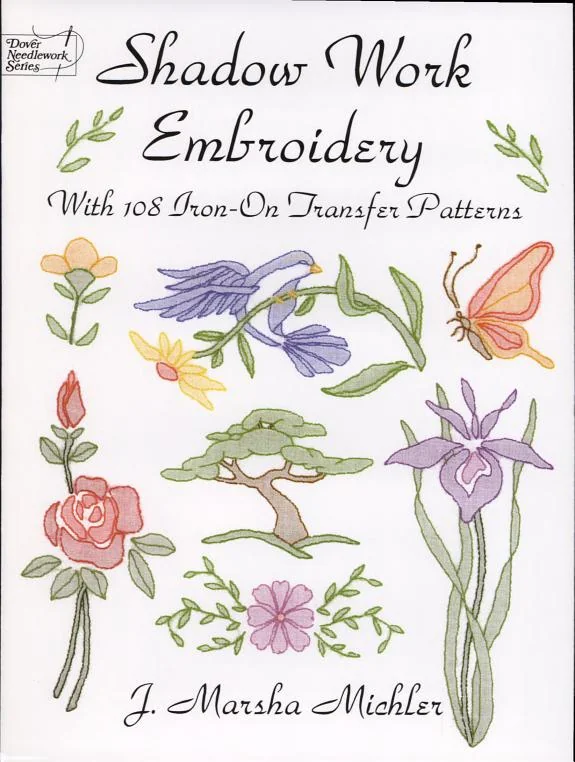
J. Marsha Michler's "Shadow Work Embroidery" offers a focused exploration of a specific, visually striking needlework technique. The strength of the book lies in its direct approach and the sheer volume of practical transfer patterns provided – over 100 designs ranging from floral motifs to figurative elements like angels and birds. This abundance makes it an invaluable resource for anyone wanting to immediately apply the technique. However, while the book excels at demonstrating *how* to execute shadow work, it could benefit from a deeper historical or cultural context for the technique, beyond merely noting its ornamental value. The explanation of the herringbone stitch's reverse effect is clear, but the broader significance or evolution of such 'hidden' stitchwork traditions remains underexplored. The inclusion of specific project ideas for items like curtain panels and lampshades is helpful for visualization. Ultimately, "Shadow Work Embroidery" is a competent, if somewhat narrowly focused, manual for mastering a beautiful and unique embellishment style.
📝 Description
74
J. Marsha Michler's 1998 guide details shadow work embroidery, a technique creating silhouette effects.
Published in 1998, Shadow Work Embroidery is a practical manual for a specific needlework method. The technique earns its name from the distinctive silhouette effect achieved by herringbone stitches on the reverse of the fabric. This process lends an heirloom quality to textiles.
The book demonstrates how to apply this technique to a range of items. These include domestic linens such as towels and curtain panels, alongside personal garments like collars, yokes, and scarves. It is intended for textile artists, embroiderers, and craft enthusiasts who wish to add a unique historical technique to their skills. The volume will attract those interested in heirloom crafts, the reproduction of vintage textiles, and the addition of decorative stitching to functional and wearable items. Individuals seeking specific iron-on transfer patterns will also find its extensive collection valuable.
The central concept is the 'shadow work' stitch itself, a method that produces a visual effect on one side of the fabric by working stitches from the other. This requires specific needlework types, like the close herringbone stitch, to achieve the desired silhouette. The book also emphasizes pattern application, including over 100 iron-on transfers with diverse motifs such as floral wreaths, bouquets, angels, and birds, showcasing the technique's versatility.
While shadow work embroidery is a historical needlework technique, this 1998 guide situates its practice within a late 20th-century revival of traditional crafts. This period saw a renewed appreciation for skills often associated with domestic arts and handcrafted objects, echoing earlier movements like Arts and Crafts. The book's focus on creating decorative, ornamental stitching for both functional and personal items connects it to traditions valuing meticulous, handmade embellishment, often seen as a form of quiet, personal artistry.
💡 Why Read This Book?
• Learn the specific herringbone stitch technique that defines shadow work, enabling you to create unique silhouette effects on textiles, as detailed in the book's instructional sections. • Discover over 100 iron-on transfer patterns for motifs such as wreaths, bouquets, angels, and birds, offering practical design inspiration for personalizing garments and home décor items. • Gain an appreciation for historical textile embellishment practices, understanding how techniques like shadow work were used to add heirloom quality to everyday objects before 1998.
⭐ Reader Reviews
Honest opinions from readers who have explored this book.
❓ Frequently Asked Questions
What is the defining characteristic of shadow work embroidery?
Shadow work embroidery is characterized by the distinctive silhouette effect produced on the right side of the fabric by the close herringbone stitches worked on the reverse. This creates a subtle, often layered, visual depth.
What kind of patterns are included in J. Marsha Michler's book?
The book features over 100 iron-on transfer patterns. These include a variety of motifs such as floral wreaths, bouquets, baskets, angels, and birds, suitable for various embroidery projects.
On what types of items can shadow work embroidery be used?
Shadow work is ideal for adding ornamental stitching to items like curtain panels, table-cloths, towels, lampshades, insets, yokes, collars, pockets, and scarves, enhancing their aesthetic and heirloom quality.
When was Shadow Work Embroidery first published?
The book "Shadow Work Embroidery" by J. Marsha Michler was first published on June 1, 1998.
What stitch is essential for creating the shadow work effect?
The close herringbone stitch is the fundamental stitch used in shadow work embroidery to achieve the characteristic silhouette effect on the reverse side of the fabric.
Does the book explain how to apply the transfer patterns?
Yes, the book provides iron-on transfer patterns, implying it includes guidance on how to transfer these designs onto fabric for embroidery.
🔮 Key Themes & Symbolism
The Silhouette Stitch
The core concept is the creation of a visual 'shadow' or silhouette through specific needlework. The close herringbone stitch, when worked on the reverse of a fine fabric, produces a raised, often dense effect on the right side. This technique transforms simple fabric into a canvas for delicate, ethereal designs. The book details how this seemingly simple stitch achieves a profound visual impact, making it ideal for enhancing garments and domestic textiles with an ornamental, almost ghostly, quality.
Ornamental Application
Beyond the stitch itself, the book emphasizes the application of shadow work for ornamental purposes. It details how the technique can elevate everyday items like towels and curtain panels into pieces with heirloom quality. Specific areas of garments, such as yokes, collars, and pockets, are highlighted as prime locations for embellishment, showcasing the versatility of shadow work in both functional and decorative contexts. The provided transfer patterns underscore this focus on design and aesthetic enhancement.
Pattern and Motif Selection
A significant aspect of the book is its extensive collection of over 100 iron-on transfer patterns. These motifs, ranging from naturalistic elements like wreaths, bouquets, and birds to symbolic figures such as angels, offer a broad palette for practitioners. The selection of these patterns is crucial, as they dictate the final aesthetic and thematic content of the embroidered piece, allowing for personalization and artistic expression within the framework of the shadow work technique.
Heirloom Craftsmanship
Shadow work embroidery is presented as a method for imbuing textiles with lasting value and a sense of tradition. The technique, by its nature, produces durable and aesthetically refined results, contributing to the perception of an item as an 'heirloom.' This connects the practice to a broader appreciation for skilled handwork and the creation of objects intended to be cherished and passed down through generations, aligning with a philosophy of enduring quality in domestic arts.
💬 Memorable Quotes
Direct passages from the work, attributed to the author.
“Shadow work takes its name from the distinctive silhouette effect produced by the close herringbone stitches on the reverse of the embroidered item.”
— This foundational statement defines the technique by its visual outcome and the specific stitch responsible. It highlights the unique characteristic that distinguishes shadow work from other embroidery styles – the emphasis on the reverse stitch's impact on the front.
“Frequently used for decorating curtain panels, table-cloths, towels, and lampshades, shadow work is perfect for adding an heirloom quality to garments.”
— This highlights the dual application of the technique: in domestic textiles where it adds decorative charm, and in garments where it bestows a sense of lasting value and craftsmanship, suggesting its versatility across different textile categories.
“ornamental stitching”
— This phrase succinctly captures the primary purpose of shadow work embroidery as presented in the book – not merely functional repair or construction, but deliberate artistic embellishment to enhance beauty.
“over 100 iron-on transfer patterns of wreaths and bouquets, angels, birds”
— This emphasizes the practical, design-oriented nature of the book, providing a wealth of ready-to-use motifs that cater to various aesthetic preferences and project ideas for the embroiderer.
“close herringbone stitches”
— Identifying the specific stitch is critical for instruction. This points to the technical core of the book, indicating that precise execution of this stitch is key to achieving the desired shadow work effect.
🌙 Esoteric Significance
Tradition
While shadow work embroidery is primarily a craft technique, its esoteric significance can be found in its connection to traditions of symbolic representation and the creation of objects imbued with intention. It aligns with Hermetic principles of manifestation – bringing form into being through focused craft. The technique's emphasis on hidden work (stitches on the reverse creating an effect on the front) can be metaphorically linked to the unseen forces or inner workings that influence the manifest world, a common theme in esoteric thought.
Symbolism
The motifs offered in shadow work, such as wreaths and bouquets, traditionally symbolize cycles of life, nature's bounty, and ephemeral beauty. Angels often represent divine messengers or spiritual guardians, while birds can symbolize freedom, communication, or the soul. The very act of using these symbols in embroidery, particularly with the subtle, layered effect of shadow work, can be seen as a form of sympathetic magic or personal devotion, embedding protective or auspicious energies into the fabric itself.
Modern Relevance
In contemporary practice, shadow work embroidery speaks to a growing interest in slow crafts, mindfulness, and the creation of meaningful, handmade objects. Thinkers and practitioners in fields like textile art therapy or those exploring contemporary interpretations of folk art might draw upon this technique. It fits within a modern esoteric interest in tangible creation as a form of spiritual practice, where the focused, repetitive action of embroidery serves as a meditative tool for manifesting intention and connecting with historical craft lineages.
👥 Who Should Read This Book
• Beginning embroiderers seeking to learn a unique, visually striking technique beyond basic stitches, offering a clear path to creating impressive decorative results. • Textile historians and craft revivalists interested in specific historical needlework methods, providing concrete examples and patterns from the late 20th century. • Individuals focused on heirloom sewing and heirloom-quality crafts who wish to add intricate, ornamental details to garments and linens.
📜 Historical Context
Published in 1998, J. Marsha Michler's "Shadow Work Embroidery" emerged during a period of significant resurgence in historical craft techniques. While needlework has a continuous history, the late 20th century saw a renewed academic and popular interest in textile arts, often spurred by museum exhibitions and the publication of detailed manuals. This era contrasted with earlier modernist dismissals of craft as merely domestic or decorative. Shadow work, with its specific visual effect, found a niche among enthusiasts seeking authentic historical methods. Contemporaries in the broader textile art field included figures like Kaffe Fassett, who championed vibrant color and bold design, representing a different, though equally influential, strand of contemporary textile expression. Michler’s work, by contrast, focused on a more subtle, historically rooted technique, contributing to the diverse field of textile revivalism.
📔 Journal Prompts
The silhouette effect of the close herringbone stitches: How does the unseen work on the reverse create visible beauty?
Reflect on the symbolism of the angels and birds motifs in the context of personal adornment.
Consider the application of shadow work on curtain panels and lampshades: What atmosphere does this create?
Analyze the 'heirloom quality' attributed to shadow work embroidery. What makes a crafted item enduring?
Explore the variety of wreaths and bouquets patterns: How do these natural motifs connect to the technique's subtle presentation?
🗂️ Glossary
Shadow Work Embroidery
A needlework technique characterized by creating a silhouette or raised effect on the right side of the fabric using stitches, typically herringbone, worked on the reverse side.
Herringbone Stitch
A utilitarian and decorative stitch consisting of two straight stitches worked one above the other, forming a V-shape. In shadow work, a close version is used.
Silhouette Effect
The visual outcome of shadow work embroidery, where the pattern appears as a distinct shape or outline on the front of the fabric due to the reverse stitching.
Iron-on Transfer Patterns
Designs printed onto special paper that can be temporarily affixed to fabric using heat (like an iron), allowing the pattern to be traced or stitched directly.
Ornamental Stitching
Embroidery or decorative needlework applied primarily for aesthetic enhancement rather than structural necessity.
Heirloom Quality
A standard of craftsmanship and design that suggests an item is valuable, durable, and suitable for passing down through generations.
Yoke
A shaped piece of fabric, often fitted at the shoulder or upper chest, used to form the upper part of a garment like a shirt or dress.
This book appears in 1 collection
🔮 Readers Also Liked
Browse all →









From the “Shadow Work” Collection
View all →





More Free Occult Philosophy Books
View all →