Sepher Rezial Hemelach
 78
78

Sepher Rezial Hemelach
Steve Savedow's translation of *Sepher Rezial Hemelach* is a significant contribution, finally offering the complete 1701 Amsterdam edition in English. The text itself is a dense, intricate compendium, and its purported origin as the first book gifted to Adam lends it an unparalleled mystique. Savedow’s explanatory text on divine names and angelic hierarchies is particularly lucid, bridging the gap for modern readers confronting ancient Hebrew concepts. However, the sheer volume of names and classifications can be overwhelming; a more extensive introduction contextualizing its place within specific Kabbalistic schools beyond general legend might have enhanced its scholarly utility. Despite this, the work provides direct access to a potent source of Western esoteric lore. It is an indispensable resource for practitioners and historians alike.
📝 Description
78
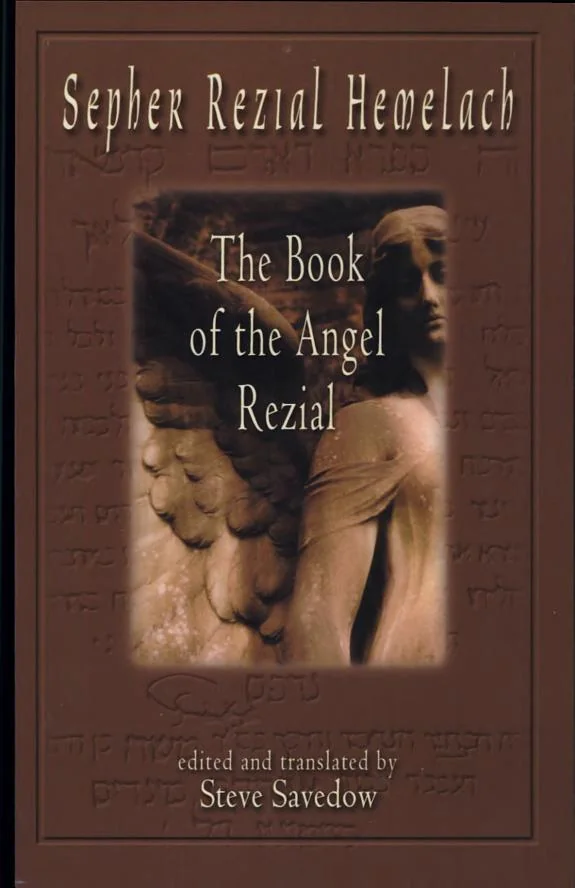
Steve Savedow's 2004 translation presents Sepher Rezial Hemelach, a Hebrew magical text from 1701.
Sepher Rezial Hemelach is a Hebrew magical text, translated here from its 1701 Amsterdam edition. According to legend, it is the first book ever written, a gift to Adam in Eden. The compendium details celestial and infernal hierarchies, divine names, and the organization of angels and spirits. This work is relevant for students of Kabbalah, ceremonial magic, and comparative religious studies. It offers direct engagement with ancient mystical traditions, especially concerning the history of angelic orders and theurgical practices. Scholars of early modern Jewish mysticism will find the complete translation useful for textual analysis and understanding how esoteric knowledge was transmitted.
The 1701 Amsterdam edition places Sepher Rezial Hemelach within the intellectual and mystical circles of early modern European Jewry. Amsterdam was a center for printing Hebrew texts, including those deemed esoteric. The survival of this edition and its translation by Savedow shows continued interest in these works, even when they faced suspicion from religious authorities. The text's supposed origin in Eden situates it at the start of ancient Hebrew lore.
This text belongs to the tradition of Kabbalistic magic, a branch of Jewish mysticism that flourished in the early modern period. It shares common ground with grimoires and magical compendiums that catalogued spiritual beings and divine names for practical application. The emphasis on angelic hierarchies and the correct invocation of God's names for spiritual operations reflects a common practice within ceremonial magic, aiming to influence the cosmos through divine assistance.
💡 Why Read This Book?
• Gain direct access to the complete 1701 Amsterdam edition of *Sepher Rezial Hemelach*, a text reputed in Hebrew legend to be the first book ever written, offering unique insights into ancient Hebrew magical cosmology. • Study the explicit divisions of Heaven and Hell, and the precise names and hierarchies of angels and spirits, providing a structured framework for understanding the celestial architecture central to Kabbalistic and ceremonial magic. • Explore the practical application of holy names of God as detailed in the text, learning how these divine appellations are conceptualized as keys to spiritual power and communication within the esoteric tradition.
⭐ Reader Reviews
Honest opinions from readers who have explored this book.
❓ Frequently Asked Questions
What is the origin story of Sepher Rezial Hemelach?
According to Hebrew legend, the *Sepher Rezial Hemelach* was divinely given to Adam in the Garden of Eden, making it the first book ever written and a foundational text of ancient Hebrew lore.
What does the 1701 Amsterdam edition signify?
The 1701 Amsterdam edition represents a significant, complete printing of the *Sepher Rezial Hemelach*, originating from a major center of Hebrew textual dissemination in early modern Europe.
Who is Steve Savedow in relation to this text?
Steve Savedow is the translator of the *Sepher Rezial Hemelach*, providing the first complete English version of the 1701 Amsterdam edition, along with explanatory material.
What kind of magical practices are associated with Sepher Rezial Hemelach?
The text is associated with Kabbalistic magic, focusing on the invocation of holy names of God, understanding angelic hierarchies, and navigating celestial and infernal realms for spiritual operations.
Is Sepher Rezial Hemelach part of the Kabbalah?
Yes, *Sepher Rezial Hemelach* is deeply embedded within Kabbalistic traditions, detailing angelic systems and divine names central to Jewish mystical practice and esoteric lore.
What are the primary subjects covered in Sepher Rezial Hemelach?
The book covers the holy names of God, the structure of Heaven and Hell, and the names and hierarchy of angels and spirits, functioning as a comprehensive guide to the spiritual cosmos.
🔮 Key Themes & Symbolism
Divine Names and Power
The text posits that the holy names of God are not mere labels but potent keys to spiritual authority and cosmic operation. It details specific names and their associated angelic powers, forming the bedrock of the book's magical system. Understanding and correctly invoking these names is presented as fundamental for any successful spiritual work, reflecting a core Kabbalistic tenet regarding the creative power inherent in divine utterance.
Angelic and Spirit Hierarchies
A significant portion of *Sepher Rezial Hemelach* is dedicated to cataloging the celestial bureaucracy. It meticulously outlines the ranks, orders, and functions of angels and spirits, providing practitioners with a detailed map of the spiritual realms. This comprehensive enumeration serves to systematize interaction with these beings, essential for the practice of ceremonial magic and understanding divine emanations.
Cosmological Structure
The work offers a structured view of the cosmos, delineating the areas of Heaven and Hell. This cosmological framework is not merely descriptive but functional, providing the stage upon which spiritual operations are performed. It illustrates the interconnectedness of different planes of existence and the pathways through which divine influence descends and spiritual forces ascend.
Mythic Origins and Authority
The legend attributing the book's origin to God's direct gift to Adam imbues *Sepher Rezial Hemelach* with immense authority. This narrative positions the text as the primordial source of all occult knowledge, predating other traditions and establishing its unique place in esoteric history. It lends a primal, foundational quality to the lore contained within its pages.
💬 Memorable Quotes
Direct passages from the work, attributed to the author.
“The Sepher Rezial was given to Adam in the Garden of Eden, by the hand of God.”
— This statement establishes the book's ultimate authority and ancient lineage, presenting it not as a human compilation but as a direct divine revelation, the very first book ever written.
“A diverse compendium of ancient Hebrew lore.”
— This describes the text's breadth, highlighting its many-sided nature as a collection of essential knowledge from the earliest Jewish mystical and magical traditions.
“Includes an explanatory text on the holy names of God.”
— This points to the practical, operational aspect of the book, emphasizing the crucial role of divine nomenclature in the magical system it outlines.
“The divisions of Heaven and Hell.”
— This signifies the book's cosmological scope, detailing the structure of the spiritual universe and the different areas of existence within it.
“The names and hierarchy of the angels and spirits.”
— This indicates the text's focus on the inhabitants of the spiritual realms, providing a structured understanding of the angelic orders and their functions.
🌙 Esoteric Significance
Tradition
This work is deeply rooted in the Kabbalistic tradition, specifically drawing from its practical and operative branches. It aligns with the Kabbalistic concept of divine names as potent forces and the structured understanding of the celestial realms. While its legendary origin story places it before the formal development of medieval Kabbalah, its systematic approach to angelic hierarchies and divine names reflects principles elaborated upon in later Kabbalistic texts, making it a vital source for understanding early Jewish mysticism.
Symbolism
Central symbols include the "holy names of God," which function as conduits of divine power and keys to spiritual authority. The "divisions of Heaven and Hell" represent the structured map of the cosmos, delineating areas of divine presence and spiritual opposition. The "hierarchy of angels and spirits" symbolizes the ordered emanations and forces that govern the universe, from the highest celestial beings to infernal entities, each with specific roles and powers.
Modern Relevance
Contemporary practitioners of ceremonial magic and Kabbalah continue to draw upon *Sepher Rezial Hemelach* for its detailed angelic directories and theurgical principles. Its influence can be seen in modern grimoires and magical systems that seek to reconstruct or engage with historical angelic and divine name traditions. Scholars of comparative religion and esoteric history also utilize Savedow's translation to understand the evolution of mystical thought and the transmission of occult knowledge across centuries.
👥 Who Should Read This Book
• Students of Kabbalah seeking to engage with primary source material on divine names and angelic hierarchies, offering a direct look at operative mystical concepts. • Practitioners of ceremonial magic interested in historical grimoires and the foundational texts that inform Western esoteric traditions, providing a rich lexicon of spiritual entities and invocations. • Researchers in comparative religion and esoteric studies who require access to a complete English translation of a significant, albeit legendary, Hebrew magical text from the early modern period.
📜 Historical Context
The 1701 Amsterdam edition of *Sepher Rezial Hemelach* emerged from a period of intense Kabbalistic activity and textual production in Europe. Amsterdam, a hub for Jewish intellectual life, saw the printing of numerous mystical and philosophical works. This era also witnessed the lingering influence of figures like Shabbetai Zevi, whose messianic movement, though officially condemned by rabbinic authorities, underscored the potent spiritual currents of the time. While *Sepher Rezial Hemelach* itself predates this specific movement, its printing in 1701 places it within a milieu where Kabbalistic texts, both mainstream and esoteric, were actively debated and disseminated. The survival and translation of such a text speak to its enduring appeal and its significance within the lineage of Western esotericism, often existing alongside more scholastic theological traditions.
📔 Journal Prompts
The divine names of God as presented in *Sepher Rezial Hemelach* and their perceived efficacy.
Mapping the hierarchies of angels and spirits described in the text.
The concept of the Sepher Rezial as the first book ever written.
Personal reflections on the structure of Heaven and Hell as detailed in the book.
The transmission of ancient Hebrew lore through this specific text.
🗂️ Glossary
Sepher Rezial Hemelach
A significant Hebrew magical text, attributed in legend to Adam, detailing divine names, angelic hierarchies, and cosmological structures. This version is translated from the 1701 Amsterdam edition.
Holy Names of God
Specific appellations or divine titles within Hebrew tradition believed to possess inherent power and act as keys to spiritual forces and divine communication.
Angelic Hierarchy
The systematic ordering of angels into ranks, choirs, or levels of spiritual authority and function, as described in Jewish mystical and theological traditions.
Ceremonial Magic
A form of magic involving rituals, invocations, and the use of symbolic objects and divine names, often drawing from historical grimoires and esoteric traditions like Kabbalah.
Kabbalah
A system of Jewish mysticism that explores the nature of God, the creation of the universe, and the spiritual significance of the Torah, often involving complex symbolic interpretations and meditative practices.
Esoteric
Relating to or accessible only by a small number of people with a specialized knowledge or interest; often pertaining to mystical or occult doctrines.
Theurgical
Relating to theurgy, a system of ritual magic or religious practice aimed at invoking the presence of divine beings or achieving union with the divine.
This book appears in 1 collection
🔮 Readers Also Liked
Browse all →





From the “Angels” Collection
View all →


More Free Occult Philosophy Books
View all →