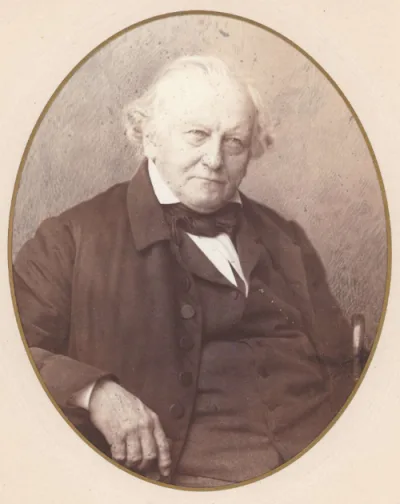
✍️ Author Biography
Anderson, Joseph
📅 1832 – 1916
🌍 British
📚 1 free book
Kenneth Anderson was a Scottish-Indian author, hunter, and conservationist known for his books on Indian wildlife and man-eaters.
Kenneth Douglas Stewart Anderson (1910-1974) was a Scottish-Indian writer, naturalist, and ethical hunter who spent his life in South India. He gained renown for his skillful and principled hunting of dangerous man-eating animals, earning him the moniker "Corbett of the South." Anderson's experiences in the Indian jungles formed the basis of his popular books, which documented his adventures.
As a keen observer of wildlife, Anderson became increasingly concerned about the destruction of natural habitats and advocated for conservation efforts. He transitioned from hunting to promoting wildlife tourism and photography. Despite his professional career in government departments and later as a factory manager, Anderson's passion for the natural world and his writings brought him international recognition. He was also known for his linguistic abilities and academic interests.
Early Life and Education
Born in British India to a Scottish family with deep roots in the country, Kenneth Anderson spent his formative years in Secunderabad and Bangalore. His father, an officer in the British Indian Army, influenced his early interest in the outdoors. Anderson received his education at Bishop Cotton Boys' School and St Joseph's European High School. Although he briefly studied law in Edinburgh, he returned to India and developed a proficiency in several Indian languages, including Kannada, Tamil, Telugu, Hindi, and Urdu. He was known as an intelligent and avid reader throughout his life.
Career and Writing
Anderson worked for fifteen years in the Posts & Telegraphs Department before joining the British Aircraft Factory in Bangalore as Factory Manager for Planning, where he remained until 1972. His writing career took off in the 1950s, leading to international fame and considerable royalties from his books detailing his jungle experiences. While his non-fiction works were highly successful, he found less success with fiction. In the 1960s, he pioneered wildlife tourism in the region, guiding national and international clients on jungle safaris. He also acquired significant land holdings near forest areas.
Outdoorsmanship and Conservation
From a young age, Anderson was fascinated by animals and their behavior, spending much time in the jungles around Bangalore. He became an accomplished hunter, known for his ethical approach and exceptional tracking skills, often referred to as a "Gentleman Shikari." His bravery in confronting and eliminating man-eating leopards and tigers, which posed a threat to local populations, earned him significant respect. Anderson officially accounted for the killing of numerous man-eaters. However, as he grew older and witnessed the escalating destruction of wildlife, he shifted his focus to conservation, advocating for the preservation of India's flora and fauna and encouraging a move towards wildlife photography over hunting.
Key Ideas
- Ethical hunting and the "Gentleman Shikari" ideal
- Pioneering wildlife tourism in South India
- Advocacy for wildlife conservation and habitat preservation
Notable Quotes
“For the sportsmen of the future I strongly recommend the camera, instead of the rifle. It can give you every bit as much fun...”