SATORI CITY 2.0
 75
75

SATORI CITY 2.0
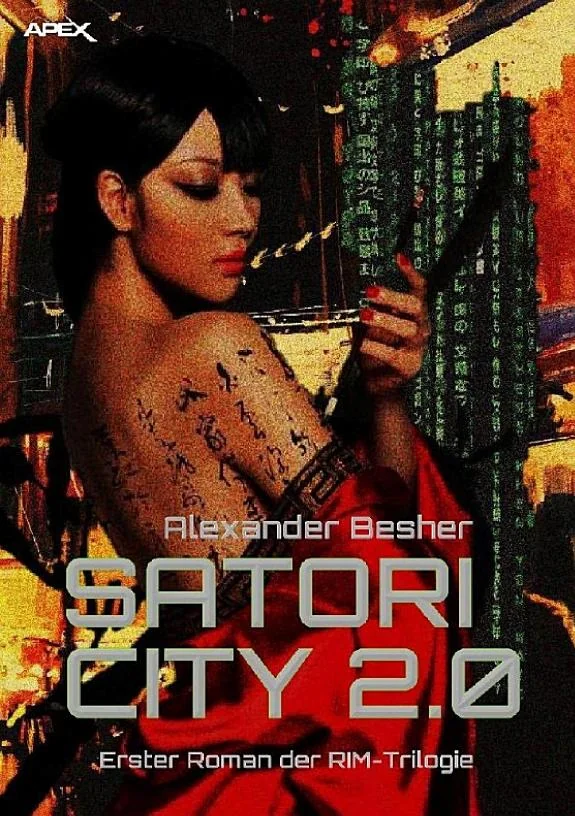
Alexander Besher's SATORI CITY 2.0 presents a compelling vision of a 2027 America under the sway of powerful Keiretsu, a scenario that feels both futuristic and disturbingly plausible. The core premise—a father's desperate mission into a virtual world to save his son—provides a strong emotional anchor. Besher effectively captures the oppressive atmosphere of corporate control and the disorienting nature of advanced virtual reality. The novel's strength lies in its tight plotting and the palpable tension surrounding Trevor's fate. However, the exposition occasionally feels dense, particularly in establishing the complex corporate structures and technological underpinnings. A more streamlined approach to world-building in certain passages might have enhanced the narrative's flow. Despite this, the exploration of identity within Satoris Gametime offers a thought-provoking dimension. The verdict is a solid piece of speculative fiction that delivers a gripping narrative with relevant thematic concerns.
📝 Description
75
Alexander Besher's 2017 novel, SATORI CITY 2.0, imagines a near-future America controlled by Japanese mega-corporations.
In SATORI CITY 2.0, Professor Frank Gobi's quiet life is disrupted when his son, Trevor, becomes lost inside a virtual reality game called Satoris Gametime. Facing the possibility of his son's permanent digital erasure, Gobi embarks on a perilous mission that directly concerns Trevor's fate. The novel combines elements of cyberpunk with a quest structure, examining corporate power, the nature of virtual existence, and a father's desperate actions.
The story is set in a fictional 2027 where Japanese Keiretsu dominate the American economic landscape. This depiction reflects anxieties about international market influence and rapid technological change, themes common in cyberpunk literature. The narrative explores the human condition within oppressive systems, offering a plot driven by a personal crisis and the blurring boundaries between the digital and physical worlds.
While not overtly esoteric, SATORI CITY 2.0 engages with themes that resonate in occult and supernatural fiction. The concept of 'Satoris Gametime' as a digital construct that can trap or consume consciousness touches upon ideas of astral projection, the nature of reality, and the potential for consciousness to exist independently of the physical body. The novel's exploration of corporate control over technology and information can be seen as a modern manifestation of Gnostic concerns about systems that ensnare the spirit, with the virtual world acting as a digital demiurge.
💡 Why Read This Book?
• Understand the implications of unchecked corporate power by exploring the fictional 2027 America dominated by Keiretsu, gaining a perspective on economic futures distinct from standard dystopian tropes. • Experience a unique blend of paternal urgency and virtual reality peril as Professor Gobi navigates Satoris Gametime to rescue his son Trevor, offering a narrative tension not found in typical tech thrillers. • Contemplate the nature of digital existence and identity through Gobi's mission, which probes the consequences of being trapped in a virtual world and the fight for survival beyond physical reality.
⭐ Reader Reviews
Honest opinions from readers who have explored this book.
❓ Frequently Asked Questions
When was SATORI CITY 2.0 originally published?
SATORI CITY 2.0 was first published on November 13, 2017. This places it within a specific period of contemporary science fiction that examines the growing influence of global corporations.
What is a Keiretsu and how is it depicted in the book?
A Keiretsu refers to a type of Japanese business group. In SATORI CITY 2.0, these are portrayed as powerful mega-corporations that have taken control of the USA by the year 2027, reflecting anxieties about corporate dominance.
What is Satoris Gametime?
Satoris Gametime is a virtual reality game within the novel where Professor Frank Gobi's son, Trevor, becomes trapped. It serves as a central setting for the plot's conflict and exploration of digital existence.
Who is the main protagonist of SATORI CITY 2.0?
The main protagonist is Professor Frank Gobi, a character whose meditative life is disrupted by the need to rescue his son from the virtual world of Satoris Gametime.
What genre does SATORI CITY 2.0 belong to?
SATORI CITY 2.0 is primarily a work of speculative fiction, incorporating elements of cyberpunk, science fiction, and a quest narrative, set against a backdrop of corporate control.
What is the central conflict driving the plot?
The central conflict involves Professor Gobi's mission to rescue his son, Trevor, who is trapped in the dangerous virtual world of Satoris Gametime, forcing Gobi to take on a perilous task.
🔮 Key Themes & Symbolism
Corporate Hegemony
The novel powerfully illustrates a future where Japanese Keiretsu have supplanted governmental authority in the United States by 2027. This theme explores the pervasive influence of mega-corporations on daily life, societal structures, and individual freedom. Professor Gobi's quest unfolds within this oppressive corporate landscape, highlighting the personal cost of unchecked economic power and the erosion of traditional national sovereignty. It prompts reflection on the potential trajectory of globalization and corporate control in the 21st century.
Virtual Existence and Identity
At the heart of SATORI CITY 2.0 lies the concept of Satoris Gametime, a virtual realm where characters can become trapped, facing existential peril. The narrative questions the nature of reality and consciousness when life is lived, and potentially lost, within a digital construct. Trevor's predicament forces a confrontation with the boundaries between the physical and virtual self. This theme explores the psychological and philosophical implications of advanced virtual reality, considering what it means to be truly alive or dead in an increasingly simulated world.
The Father-Son Dynamic
The driving force behind Professor Gobi's dangerous undertaking is his paternal love and determination to save his son, Trevor. This deeply human element grounds the futuristic, high-tech narrative. Gobi's journey through the corporate-controlled world and into the virtual dangers of Satoris Gametime is motivated by the primal urge to protect his child. The story uses this relationship to explore themes of sacrifice, courage, and the lengths one will go to for family, providing an emotional core amidst the speculative elements.
Order vs. Chaos
Professor Gobi's initial life is characterized by a meditative order, a stark contrast to the chaotic, high-stakes environment he is forced to enter. This juxtaposition highlights the tension between seeking inner peace and confronting external turmoil. His journey requires him to adapt to unpredictable situations within the virtual world and the complex corporate machinations of the Keiretsu. The narrative examines how individuals maintain their sense of self and purpose when thrust into overwhelming systems of control and digital uncertainty.
💬 Memorable Quotes
Direct passages from the work, attributed to the author.
“The USA is firmly in the grip of the Keiretsu, Japanese mega-corporations that dominate the Western market.”
— This statement sets the geopolitical and economic stage for the novel. It establishes the premise of corporate control by 2027, illustrating a future where traditional power structures have been supplanted by powerful business conglomerates.
“Professor Frank Gobi lives a meditative life.”
— This describes the protagonist's initial state before the inciting incident. It establishes a contrast between his inner peace and the external chaos he will soon confront, suggesting a character arc focused on adapting to extreme circumstances.
“The year is 2027.”
— This simple declaration grounds the narrative in a specific, near-future temporal setting. It allows the author to explore the extrapolated consequences of current trends in technology, economics, and global politics within a defined timeframe.
💡 Key Ideas
Editorial paraphrase of the work's core concepts — not direct quotes.
Trevor is trapped in Satoris Gametime, with only a slim chance of returning as anything but dead.
This paraphrased concept expresses the dire situation Professor Gobi faces. It highlights the extreme danger his son is in, emphasizing that death within the virtual world carries significant, perhaps irreversible, consequences for his existence.
Gobi takes on a mission directly linked to his son's predicament.
This paraphrased concept underscores the central plot driver. Professor Gobi's personal stakes are inextricably tied to the dangerous task he accepts, forcing him to engage directly with the forces that have endangered his son.
🌙 Esoteric Significance
Tradition
While not overtly tied to a single esoteric lineage, SATORI CITY 2.0 engages with themes resonant in Gnostic and Hermetic thought, particularly concerning illusory realities and the search for liberation from oppressive systems. The concept of a virtual world as a potentially false or trapping reality echoes Gnostic ideas of the material world as a prison created by a lesser deity. Professor Gobi's quest for his son can be seen as a modern myth of the soul seeking to overcome a flawed demiurge (the corporate control) and return to a state of true being.
Symbolism
The 'Keiretsu' symbolize a modern, secular form of demiurgic power, controlling the material and digital realms with an iron fist. 'Satoris Gametime' functions as a labyrinth or illusionary world, akin to Plato's cave or Maya in Eastern philosophies, where true reality is obscured. Professor Gobi's 'meditative life' represents the potential for inner awareness and a connection to a higher reality, offering a counterpoint to the external chaos and digital entrapment.
Modern Relevance
The novel's exploration of corporate control and virtual existence finds contemporary relevance in discussions surrounding Big Tech, data privacy, and the metaverse. Thinkers and practitioners in transhumanism and digital ethics may find Besher's vision a provocative case study. The book's themes resonate with contemporary concerns about the blurring lines between online and offline identities and the potential for technological systems to exert profound control over human lives, echoing debates on AI governance and digital consciousness.
👥 Who Should Read This Book
• Readers interested in near-future cyberpunk narratives that critically examine economic structures and corporate influence, offering a detailed vision of a world reshaped by global business entities. • Individuals fascinated by the philosophical and psychological implications of virtual reality, exploring themes of digital identity, consciousness, and the nature of existence within simulated environments. • Fans of plot-driven speculative fiction who appreciate stories centered on personal stakes and heroic quests, particularly those involving parental devotion against overwhelming technological and corporate odds.
📜 Historical Context
Published in 2017, SATORI CITY 2.0 emerged during a period of significant global economic flux and increasing discussion around the power of multinational corporations. The novel's depiction of Japanese Keiretsu dominating the US market in 2027 reflects contemporary anxieties about globalization and economic shifts. This narrative taps into established cyberpunk themes, a genre that gained significant traction with William Gibson's *Neuromancer* (1984), which similarly explored dystopian futures shaped by advanced technology and unchecked capitalism. Besher's work engages with these established tropes but updates them for a post-millennial audience, considering the specific economic and technological trajectories observable in the 2010s. While direct engagement with contemporary authors is not explicitly documented, the novel clearly exists within the lineage of speculative fiction that critically examines corporate power, a discourse active throughout the late 20th and early 21st centuries.
📔 Journal Prompts
Professor Gobi's meditative background offers a contrast to the chaos of Satoris Gametime; explore this tension.
Analyze the depiction of Keiretsu dominance in the USA of 2027.
Consider the concept of digital death within Satoris Gametime.
Reflect on the sacrifices Professor Gobi makes for his son Trevor.
What does the blend of virtual and physical reality suggest about future human experience?
🗂️ Glossary
Keiretsu
A type of Japanese business group consisting of companies with interlocking business relationships and shareholdings. In SATORI CITY 2.0, these are depicted as powerful mega-corporations controlling the USA in 2027.
Satoris Gametime
A virtual reality game featured in the novel where characters can become trapped. It serves as a central setting for the plot and explores themes of digital existence and peril.
Virtual Reality (VR)
A simulated, computer-generated environment that can be experienced and interacted with as if it were real. The book uses VR as a key plot device and thematic element.
Cyberpunk
A subgenre of science fiction characterized by dystopian futures, advanced technology (like AI and cybernetics), and the pervasive influence of corporations or criminal elements.
Meditation
A practice where an individual uses a technique – such as mindfulness, or to train attention and awareness – to achieve a mentally clear and emotionally calm and stable state. Central to Professor Gobi's character.
2027
The specific year in which the novel is set, providing a near-future context for its speculative elements regarding corporate control and technological advancement.
Professor Frank Gobi
The main protagonist of SATORI CITY 2.0, whose son Trevor becomes trapped in Satoris Gametime, forcing him into a dangerous mission.
This book appears in 1 collection
🔮 Readers Also Liked
Browse all →








From the “Satori” Collection
View all →







More Free Occult Philosophy Books
View all →