Witch's Mirror
 80
80

Witch's Mirror
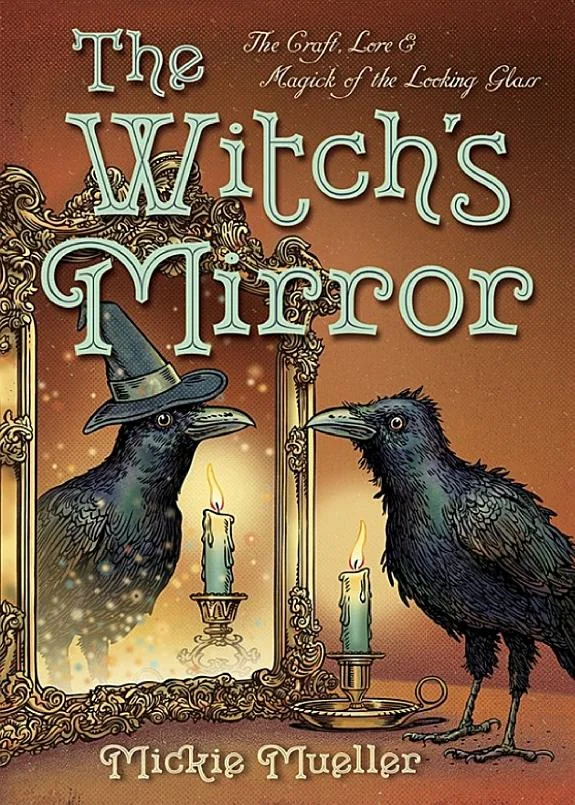
Mickie Mueller's "Witch's Mirror" offers a grounded approach to a tool often shrouded in mystique. Mueller successfully bridges the gap between historical lore and practical application, making the concept of scrying accessible without resorting to overly simplistic explanations. The book's strength lies in its detailed exploration of the mirror's historical journey, from ancient polished metal to contemporary consecrated obsidian. A particular highlight is the section detailing the ritual preparation of the mirror, which feels both authentic and actionable. However, the work occasionally leans towards a more generalized interpretation of witchcraft history, and a deeper dive into specific cultural variations of mirror magic, beyond a Western European focus, could have enriched the text further. Despite this, Mueller’s clear prose and evident respect for the subject matter make "Witch's Mirror" a valuable addition to any practitioner's bookshelf.
📝 Description
80
Mickie Mueller's Witch's Mirror traces the history and practice of reflective divination tools.
This book examines the witch's mirror, a significant tool in various magical traditions. It covers practical applications for scrying and divination, going beyond simple instructions to include the lore, superstitions, and historical background of this reflective artifact. The work functions as both a practical guide and a historical survey.
It is written for those interested in practical witchcraft, divination techniques, and the history of magical tools. The book suits individuals who want to understand and use a scrying mirror in their own practices. It also appeals to students of esoteric history curious about the cultural significance of such instruments across different times and belief systems. The core concept is the mirror as a liminal space, a threshold between the physical and spiritual worlds.
The book discusses how intention, ritual preparation, and focused visualization change a common object into a powerful tool. This allows access to intuition, visions, and connection with the subconscious or spiritual guidance. The practice of using mirrors for divination, known as scrying or catoptromancy, has ancient roots, initially involving polished metal, water, or obsidian.
The witch's mirror falls within the broader tradition of catoptromancy, or mirror divination, which has a long history across cultures. While early forms used natural reflective surfaces like water or polished metals, contemporary witchcraft often focuses on specifically prepared mirrors, typically black or highly polished. These are consecrated for focused magical work, viewed as conduits to intuitive insights and spiritual communication. Mueller's book situates these practices within this historical continuum, detailing how intention and ritual transform ordinary objects into tools for accessing altered states of consciousness and receiving symbolic messages.
💡 Why Read This Book?
• Learn specific techniques for preparing and consecrating a scrying mirror, moving beyond theoretical knowledge to hands-on practice as detailed in the book's ritual sections. • Understand the historical evolution of mirror divination, tracing its lineage from ancient practices to its modern interpretation as explored in the historical context chapters. • Gain insight into the symbolism of the witch's mirror as a liminal space, enhancing your personal understanding of how reflective surfaces can facilitate altered states of consciousness.
⭐ Reader Reviews
Honest opinions from readers who have explored this book.
❓ Frequently Asked Questions
What is the primary purpose of a witch's mirror?
The primary purpose of a witch's mirror, as explored in Mickie Mueller's work, is to serve as a tool for divination and scrying, acting as a reflective surface to access intuitive insights, visions, or spiritual guidance.
When was Mickie Mueller's 'Witch's Mirror' first published?
Mickie Mueller's "Witch's Mirror" was first published on June 8, 2016, making it a relatively contemporary guide to this ancient practice.
Are there specific materials recommended for a witch's mirror?
Yes, the book discusses various materials historically used, including polished metal and obsidian, and explores contemporary preferences for black mirrors or highly reflective surfaces suitable for scrying.
Does the book cover the historical superstitions surrounding witch's mirrors?
Absolutely. The work delves into the lore and superstitions associated with witch's mirrors, providing context for their cultural significance and the beliefs that have developed around them over time.
Is 'Witch's Mirror' suitable for beginners in witchcraft?
Yes, the book is designed to be comprehensive, making it suitable for beginners interested in learning about mirror magic, as well as for more experienced practitioners seeking to deepen their understanding.
What kind of spiritual traditions does 'Witch's Mirror' relate to?
The book touches upon various esoteric traditions that have historically employed mirror divination, primarily within the Western magical and witchcraft lineages.
🔮 Key Themes & Symbolism
Mirror as Liminal Space
The work posits the witch's mirror not merely as an object, but as a threshold – a liminal space between the mundane world and areas of spirit, intuition, or the subconscious. This concept is central to understanding how a simple reflective surface can become a potent magical tool for divination and self-exploration.
Ritual Preparation and Consecration
A significant theme is the importance of ritual preparation. The book details methods for consecrating a mirror, imbuing it with intention and power. This process transforms a common object into a sacred instrument, essential for effective scrying and ensuring the practitioner's energetic alignment with the tool.
Historical Lore and Superstitions
Mueller meticulously examines the historical collection woven around mirrors in magic, including prevalent superstitions and folklore. This exploration provides crucial context, revealing how societal beliefs and historical events shaped the perception and use of mirrors in magical practices across different cultures and eras.
Practical Scrying Techniques
Beyond theory, the book offers practical instruction on how to effectively use the witch's mirror for scrying. It guides readers through the process of focusing intention, interpreting visions, and grounding themselves, making the art of mirror gazing accessible for personal magical work.
💬 Memorable Quotes
Direct passages from the work, attributed to the author.
“The mirror is a doorway, a portal to the unseen.”
— This phrase captures the core mystical function of the witch's mirror, emphasizing its role as a conduit or gateway to spiritual or intuitive realms beyond ordinary perception.
“History reveals a consistent fascination with reflective surfaces for divination.”
— This statement highlights the enduring human interest in using mirrors for foresight and spiritual connection, underscoring the practice's deep roots across various historical periods and cultures.
“Proper preparation imbues the mirror with focused intent.”
— This concept stresses that the efficacy of the witch's mirror is not inherent but cultivated through deliberate ritual and energetic charging, aligning the tool with the practitioner's magical goals.
“Superstitions often reflect a deep, albeit sometimes fearful, understanding of the mirror's power.”
— This suggests that folklore and cautionary tales surrounding mirrors are not merely irrational beliefs, but often contain kernels of truth about the potent psychological and spiritual energies they can channel.
“The obsidian mirror offers a unique depth for scrying.”
— This specific mention points to the particular qualities of obsidian as a scrying medium, suggesting its reflective properties and historical associations lend themselves to distinct forms of magical vision.
🌙 Esoteric Significance
Tradition
This work firmly resides within the Western Esoteric Tradition, particularly its modern manifestations in witchcraft and Neo-Paganism. It draws upon a long history of divination practices found in European folk magic and ceremonial traditions, adapting them for contemporary practitioners. While not strictly Hermetic or Kabbalistic, it shares the broader esoteric principle of using symbolic tools to facilitate altered states of consciousness and spiritual insight.
Symbolism
The primary symbol is the mirror itself, representing the void, the subconscious, or a gateway between worlds. Black mirrors, often discussed, symbolize the womb of creation or the deep night sky, facilitating introspection. The act of gazing into the mirror symbolizes the practitioner turning inward, seeking hidden knowledge or external guidance, mirroring the principle of 'as above, so below'.
Modern Relevance
Contemporary practitioners of witchcraft, divination, and energy work frequently reference and utilize the principles outlined in "Witch's Mirror." Its practical approach makes it relevant for modern covens, solitary practitioners, and those exploring psychological approaches to magic, such as Jungian archetypes as accessed through visionary states facilitated by scrying.
👥 Who Should Read This Book
• Aspiring witches and divination students seeking a practical, historically informed guide to using scrying mirrors for personal insight and magical practice. • Practitioners of modern witchcraft interested in deepening their connection to traditional tools and understanding the ritualistic preparation of magical instruments. • Researchers of esoteric history and comparative religion looking for accessible explanations of mirror divination practices within Western magical traditions.
📜 Historical Context
Published in 2016, Mickie Mueller's "Witch's Mirror" arrives at a time of renewed interest in traditional witchcraft and esoteric practices, a trend amplified by online communities and accessible literature. The work situates itself within the broader Neo-Pagan and Wiccan movements that gained significant traction from the mid-20th century onwards. While not directly engaging with academic discourse, it draws upon a lineage of European folk magic and ceremonial practices that have long utilized reflective surfaces. The practice of catoptromancy, or mirror divination, has historical precedents dating back to antiquity, with polished metal mirrors used by the Romans and later obsidian mirrors in Mesoamerica. In the context of contemporary witchcraft, Mueller’s book follows in the footsteps of authors like Agnes Murgatroyd, whose own writings on divination methods explored similar tools, though perhaps with less emphasis on detailed ritualistic preparation for the modern practitioner. The work implicitly acknowledges a cultural milieu where practices once deemed 'superstitious' are increasingly explored as valid spiritual disciplines.
📔 Journal Prompts
Reflect on the concept of the mirror as a liminal space and its implications for your own perception of reality.
Consider the historical lore surrounding mirrors and how superstitions might inform or obscure the true potential of a witch's mirror.
Detail a personal ritual for preparing a reflective object for focused magical work, drawing inspiration from the book's methods.
Analyze the symbolism of the black mirror and its connection to the subconscious or the void.
Explore the ethical considerations of seeking visions or guidance through a scrying practice.
🗂️ Glossary
Scrying
The practice of gazing into a reflective surface, such as a mirror, crystal ball, or water, to receive visions, insights, or prophecies.
Catoptromancy
A specific form of divination that uses mirrors or other reflective objects to gain knowledge or see the future.
Liminal Space
A threshold or transitional state, often referring to a place or time that is 'in-between' or betwixt and between established states or conditions.
Consecration
The act of dedicating or setting apart an object or space for sacred or magical purposes, often involving ritual purification and blessing.
Divination
The practice of seeking knowledge of the future or the unknown by supernatural means.
Obsidian Mirror
A scrying mirror traditionally made from polished obsidian, a dark volcanic glass valued for its reflective properties in divination.
Lore
A body of traditions and knowledge on a subject or held by a particular group, typically passed from person to person by word of mouth.
This book appears in 1 collection
🔮 Readers Also Liked
Browse all →









From the “Scrying” Collection
View all →





More Free Occult Philosophy Books
View all →