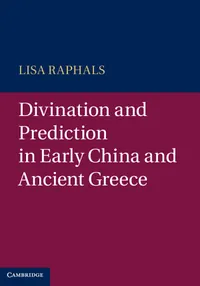
Santeria Ritual Book

 78
78

Santeria Ritual Book
Kuriakos’s Santeria Ritual Book presents a direct, unvarnished look at the practical execution of ceremonies within the Lucumí tradition. Unlike many texts that prioritize historical narrative or philosophical exegesis, this work plunges directly into the *how-to* of ritual. Its strength lies in its procedural clarity; for instance, the detailed steps outlined for performing an *ebó* demonstrate a commitment to practical instruction. However, the book's austerity can be a double-edged sword. By focusing solely on the mechanics, it sometimes overlooks the deeper devotional and communal aspects that are equally vital to Santeria practice. A passage detailing the preparation of *otán* (sacred stones) is technically precise but lacks the spiritual gravitas one might expect. The work serves as a functional handbook, but one that necessitates supplementary understanding of the lived religious experience. It is a tool for practice, not a comprehensive spiritual guide.
📝 Description
78
Kuriakos's Santeria Ritual Book, published in 2008, provides detailed instructions for Afro-Caribbean ceremonies.
This 2008 text by Kuriakos functions as a practical manual for Santeria (Lucumí) ritual. It lays out the specific steps, required materials, and intended outcomes for various ceremonies. The book focuses on the procedural aspects of ritual, detailing how to perform offerings, consecrations, and spiritual workings. It is written for practicing devotees or those seriously studying the religious and magical systems of Santeria. The author aims to give clear, sequential guidance for performing ceremonies correctly and preparing the necessary items. It does not focus on historical background or philosophical discussions. The work emerged during a time when practitioners sought codified texts for traditions traditionally passed down orally. Its publication addressed a need for standardized practice within growing communities, particularly as Afro-Caribbean religions gained more attention in the early 21st century.
Kuriakos's work enters the tradition of documented ritual practice within diasporic religions. While Santeria is primarily an oral tradition, this book addresses the need for written guides that emerged with its spread and formalization in the 21st century. It sits alongside other efforts to codify and explain Afro-Caribbean spiritual systems, acknowledging the intersection of religious practice and magical application.
💡 Why Read This Book?
• Gain a clear, procedural understanding of specific Santeria rituals, such as the correct steps for preparing an *ebó*, offering a practical framework absent in purely theoretical texts. • Learn the proper selection and use of ritual materials like *hierbas* (herbs) and *otán* (sacred stones), crucial for effective practice as detailed in the book's specific sections. • Understand the fundamental role of *consagraciones* (consecrations) in channeling spiritual energy, a concept elaborated upon within the book's ritual sequences.
⭐ Reader Reviews
Honest opinions from readers who have explored this book.
❓ Frequently Asked Questions
What is the primary focus of the Santeria Ritual Book by Kuriakos?
The Santeria Ritual Book primarily focuses on the procedural and practical aspects of performing various ceremonies and rituals within the Santeria (Lucumí) tradition, detailing necessary steps, materials, and intentions for adherents.
Is this book suitable for beginners in Santeria studies?
Yes, for beginners seeking practical, step-by-step instructions on ritual mechanics, the book is suitable. However, it complements rather than replaces foundational knowledge of Santeria's history, philosophy, and community aspects.
Does the book explain the theology behind Santeria?
While the book implicitly references Santeria theology through its ritual instructions, its main focus is on the execution of rites rather than an in-depth theological explanation of *orishas* or cosmology.
What kind of materials are typically discussed in the Santeria Ritual Book?
The book discusses essential ritual materials such as *ebó* (offerings), *hierbas* (herbs), *otán* (sacred stones), candles, and other items necessary for consecrations and spiritual workings.
When was the Santeria Ritual Book first published?
The Santeria Ritual Book was first published in 2008, reflecting a period of increased interest in accessible texts on Afro-Caribbean religious practices.
Can this book be used for solitary practice or does it require a formal initiation?
While the book provides instructions, many Santeria rituals require the guidance of an initiated priest or priestess (*babalawó* or *iyáwó*). The book details processes but does not negate the necessity of proper spiritual lineage and guidance for certain rites.
🔮 Key Themes & Symbolism
Ritual Mechanics
This theme centers on the 'how-to' of Santeria practice. The book meticulously details the sequence of actions, the precise arrangement of materials, and the correct pronunciation or invocation needed for specific rites. It emphasizes that the efficacy of a ritual is often tied to its correct execution, treating ceremony as a craft requiring skill and adherence to established forms. This focus on procedure is crucial for understanding how practitioners engage with the spiritual realm through structured actions and the proper use of consecrated elements.
Energetic Exchange and Intention
A core concept explored is that ritual is fundamentally about energetic exchange. The book illustrates how offerings (*ebó*) are not mere symbolic gestures but acts designed to propitiate or petition spiritual forces (*orishas*). It stresses the practitioner's intention (*idadé*) as a vital component, shaping the direction and outcome of the spiritual work. The text implies that the alignment of focused will, appropriate materials, and correct procedures creates a conduit for this energetic transfer, essential for achieving desired spiritual results.
Sacred Materials and Consecration
The book highlights the significance of specific sacred materials, such as *hierbas* (herbs), *otán* (sacred stones), and various symbolic objects. It explains the process of *consagraciones* (consecrations), wherein these mundane items are ritually purified and imbued with spiritual power. This imbues them with potency, transforming them into vessels or conduits capable of interacting with the divine. Understanding the proper preparation and handling of these elements is presented as fundamental to successful Santeria ritual practice.
The Role of Orishas
While not a theological treatise, the book's rituals are all oriented towards the *orishas*, the Yoruba deities central to Santeria. Each ritual described is designed to honor, appease, or petition specific *orishas* for their intervention or blessings. The precise offerings and ceremonies are dictated by the nature and preferences of the particular *orisha* being addressed. This underscores the polytheistic foundation of Santeria and the practical relationship practitioners seek to establish with these powerful spiritual entities.
💬 Memorable Quotes
Direct passages from the work, attributed to the author.
“The proper arrangement of *ebó* is paramount for its efficacy.”
— This statement underscores the book's emphasis on the procedural aspect of Santeria ritual, suggesting that the physical layout and components of an offering directly influence its spiritual impact.
“Intention must be clear when working with *hierbas*.”
— This highlights the critical role of the practitioner's mental focus and purpose when employing sacred herbs, indicating that the spiritual power of the herbs is activated and directed by the user's will.
“Consecration transforms ordinary objects into spiritual tools.”
— This succinctly explains the concept of *consagraciones*, emphasizing the magical and religious process by which mundane items gain sacred power and utility within ritual contexts.
“Each *orisha* has specific requirements for offerings.”
— This points to the particularity of devotion in Santeria, where understanding and respecting the individual needs and preferences of the deities is essential for successful petition or communion.
“The sequence of actions dictates the flow of spiritual energy.”
— This interpretation emphasizes the book's focus on the practical, step-by-step nature of ritual, suggesting that the correct order of operations is key to managing and directing supernatural forces effectively.
🌙 Esoteric Significance
Tradition
The Santeria Ritual Book is firmly situated within the Lucumí tradition, an Afro-Cuban religion that syncretizes Yoruba religious concepts with elements of Catholicism. While not strictly part of Western Hermeticism or Gnosticism, it shares with these traditions a focus on esoteric knowledge, ritual efficacy, and the practical application of spiritual principles to influence worldly affairs. It represents a distinct lineage of practical magic and devotional practice rooted in African cosmology and adapted through the crucible of the transatlantic slave trade.
Symbolism
Key symbols include *ebó*, representing offerings and the principle of sacrifice or exchange necessary for spiritual balance and petition. *Hierbas* (herbs) symbolize the life force of nature and are imbued with specific spiritual properties, used for purification, healing, and invoking spiritual energies. The *orishas* themselves are profound symbols, representing archetypal forces of nature and human experience, each with unique attributes, colors, and preferred offerings that practitioners must understand and honor.
Modern Relevance
This work remains relevant for contemporary practitioners of Santeria seeking clear procedural guidance, particularly those outside established temple structures or in regions where direct mentorship is scarce. It also appeals to comparative religion scholars and students of magical traditions interested in the practical application of Afro-Caribbean spirituality. Its detailed approach to ritual mechanics can inform modern magical and spiritual practitioners across various disciplines looking for structured methods of energy work and invocation.
👥 Who Should Read This Book
• Practicing Santeria devotees seeking a clear, step-by-step manual for performing common rituals and offerings (*ebó*). • Students of comparative religion or Afro-Caribbean spirituality interested in the practical, ritualistic aspects of the Lucumí tradition beyond theoretical discussions. • Individuals engaged in personal spiritual practice who wish to understand the mechanics of consecration and energetic exchange as applied within a specific, living religious system.
📜 Historical Context
Published in 2008, Kuriakos's Santeria Ritual Book emerged during a period of significant growth and dissemination of Afro-Caribbean religious practices globally. The early 21st century saw increased academic and popular interest in traditions like Santeria, Vodou, and Candomblé, often driven by diaspora communities seeking to codify and share their heritage. While Santeria's roots are in the Yoruba religion of West Africa, transplanted to Cuba and the Americas, its practices have historically been transmitted orally and within initiated circles. Books like Kuriakos's addressed a growing demand for practical, written guides, aiming to provide clarity for practitioners navigating complex ceremonies. This contrasts with earlier, more ethnographic or broadly theoretical works. The book's existence reflects a broader trend of spiritual traditions making their rituals more accessible, sometimes leading to debates about authenticity versus adaptation, especially when compared to the deeply ingrained oral traditions documented by scholars like Lydia Cabrera.
📔 Journal Prompts
Reflection on the correct preparation of *ebó* as described in the text.
The role of *hierbas* in the specific rituals detailed.
How the concept of *consagraciones* applies to your own spiritual practice.
Analyzing the specific requirements for honoring a particular *orisha*.
Consider the relationship between intention and ritual action based on the book's procedures.
🗂️ Glossary
Ebó
An offering made to the *orishas* or spirits, typically consisting of food, animals, or other items, used for appeasement, petition, or spiritual balance.
Orisha
A deity or spirit in the Yoruba religion and its derivatives like Santeria. Each *orisha* governs aspects of nature and human life.
Hierbas
Herbs used in Santeria rituals for purification, healing, consecration, and invoking the spiritual properties associated with specific plants.
Consagración
The process of consecration, where an object or substance is ritually purified and imbued with spiritual power, making it sacred or potent for ritual use.
Idadé
The practitioner's intention or focused will, considered a crucial element in directing spiritual energy and ensuring the efficacy of rituals.
Otán
Sacred stones that serve as a repository for the essence of an *orisha*. They are central to many Santeria altars and rituals, acting as a direct link to the deity.
Lucumí
The term used to refer to the Yoruba people and their descendants in the Americas, particularly those who practice Santeria. It also refers to the language and culture associated with them.
🔮 Readers Also Liked
Browse all →






More by Kuriakos
All books →





More Free Occult Philosophy Books
View all →