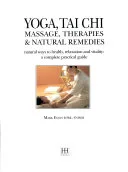
Yoga, Tai Chi, Massage, Therapies & Natural Remedies
 81
81

Yoga, Tai Chi, Massage, Therapies & Natural Remedies
Mark Evans’ *Yoga, Tai Chi, Massage, Therapies & Natural Remedies* offers a wide-ranging, if somewhat generalized, introduction to practices that have become increasingly mainstream since its 2002 publication. Its strength lies in its breadth, providing a single volume that touches upon diverse modalities from Eastern philosophies to Western herbalism. However, this breadth can also be its limitation; depth is sacrificed for coverage. The section on Shiatsu, for instance, describes the concept of energy pathways (meridians) but offers limited practical guidance for application, functioning more as a descriptive overview than a tutorial. While comprehensive for its time, the lack of specific, actionable techniques across all disciplines might leave readers seeking hands-on knowledge wanting more. The work is a useful primer for understanding the landscape of alternative wellness.
📝 Description
81
Mark Evans' 2002 book surveys complementary and alternative health practices.
Published in 2002, Yoga, Tai Chi, Massage, Therapies & Natural Remedies by Mark Evans serves as an introduction to various mind-body disciplines and natural healing methods. The book details techniques and philosophical ideas behind practices often found outside conventional Western medicine. It provides an accessible overview for those curious about holistic health.
This compendium is for individuals interested in wellness and the basics of practices like yoga, Tai Chi, natural remedies, and massage. It acts as a starting point for newcomers, offering foundational knowledge without assuming prior expertise. Practitioners may also find it a useful quick reference to diverse methods.
The book reflects a growing public interest in alternative medicine during the late 20th and early 21st centuries. This period saw increased acceptance of practices like yoga and herbalism. Evans' work catalogs approaches that gained traction as people sought alternatives or complements to standard treatments.
This book emerged as Western societies showed increasing interest in holistic health and alternative practices. During the early 2000s, figures like Andrew Weil helped popularize integrative medicine, creating an audience for guides that compiled various healing traditions. Evans' work sits within this trend, cataloging disciplines that connect mind, body, and spirit, often drawing from Eastern philosophies and traditional Western herbalism.
💡 Why Read This Book?
• Learn the foundational principles of yogic asanas and pranayama, understanding their role in a holistic wellness practice as detailed in the book’s yoga section. • Grasp the concept of 'qi' and its energetic flow within the body, a core tenet of Tai Chi presented in the text, offering a new perspective on vitality. • Discover the traditional uses of common herbs and natural remedies discussed in the book, providing practical knowledge for exploring botanical healing methods.
⭐ Reader Reviews
Honest opinions from readers who have explored this book.
❓ Frequently Asked Questions
When was Yoga, Tai Chi, Massage, Therapies & Natural Remedies first published?
The book was first published in 2002, reflecting the growing interest in alternative health practices at the turn of the millennium.
What is the primary focus of Mark Evans' book?
The book focuses on providing an accessible overview of various complementary and alternative health practices, including yoga, Tai Chi, massage techniques, and natural remedies.
Does the book offer practical step-by-step instructions for the practices it covers?
While it introduces concepts and general approaches, the book primarily serves as an introductory guide and may not offer extensive step-by-step instructions for every practice.
Is this book suitable for beginners in holistic health?
Yes, the book is designed as an introductory text, making it suitable for individuals new to holistic health and wellness who want a broad understanding of different modalities.
What are some key concepts discussed regarding Eastern practices?
Key concepts include pranayama and asanas in yoga, and the flow of 'qi' or vital energy in Tai Chi, as explored in the text.
Does the book cover specific types of massage therapies?
Yes, the book discusses various massage therapies, likely including common modalities like Swedish and potentially Eastern techniques such as Shiatsu, outlining their therapeutic applications.
🔮 Key Themes & Symbolism
Mind-Body Connection
The book emphasizes the integral link between mental states and physical well-being, a central tenet in practices like yoga and Tai Chi. It explores how conscious breathing (pranayama) and mindful movement can influence physiological states, reduce stress, and promote internal balance. This theme highlights the idea that health is not merely the absence of disease but a dynamic state achieved through harmonizing mental and physical energies, often referencing the concept of 'qi' in disciplines like Tai Chi.
Natural Healing Modalities
A significant focus is placed on harnessing the body's innate healing capabilities through natural means. This encompasses the use of herbal remedies, detailing traditional applications and properties of various plants. It also covers manual therapies like massage, explaining how physical manipulation can alleviate tension, improve circulation, and support recovery. The underlying principle is that nature provides effective tools for restoring health, often drawing on centuries of empirical knowledge and practice.
Ancient Practices for Modern Life
The work presents ancient disciplines, such as yoga and Tai Chi, as relevant and beneficial for contemporary lifestyles. It suggests that the wisdom embedded in these traditions offers solutions to modern ailments like stress, fatigue, and imbalance. By introducing these practices, the book aims to bridge the gap between age-old knowledge and the challenges of 21st-century living, promoting a more balanced and centered existence through accessible methods.
Holistic Approach to Wellness
Evans' book advocates for a comprehensive view of health that integrates physical, mental, and emotional aspects. It moves beyond symptom-based treatment to address the whole person, positing that true wellness arises from a state of equilibrium. This holistic perspective is evident across all discussed therapies, from the meditative aspects of Tai Chi to the self-care focus of natural remedies, encouraging readers to cultivate well-being from multiple angles.
💬 Memorable Quotes
Direct passages from the work, attributed to the author.
“Tai Chi emphasizes the cultivation and flow of vital energy, known as 'qi'.”
— This highlights a core concept in Tai Chi, explaining that the practice is not just about slow, deliberate movements but also about understanding and directing the body's internal life force for health and vitality.
“Natural remedies often draw upon the medicinal properties of plants.”
— This statement points to the foundational principle of herbalism, emphasizing that the efficacy of natural remedies frequently stems from the inherent therapeutic qualities found within botanical sources.
“Massage therapies work to release physical tension and improve bodily circulation.”
— This interpretation focuses on the tangible benefits of massage, explaining how the manipulation of soft tissues can lead to both immediate relief from muscular tightness and improved physiological function through better blood flow.
💡 Key Ideas
Editorial paraphrase of the work's core concepts — not direct quotes.
The practice of yoga connects breath and posture to cultivate inner harmony.
This paraphrase captures the essence of yoga's approach, highlighting the dual focus on physical form (asanas) and respiratory control (pranayama) as pathways to achieving a balanced mental and physical state.
Holistic health views the individual as an interconnected system of mind, body, and spirit.
This paraphrased concept underlines the central philosophy of the book, presenting health not as isolated physical function but as a state of overall balance across all dimensions of a person's being.
🌙 Esoteric Significance
Tradition
While not strictly adhering to a single esoteric lineage, the book draws heavily from Eastern philosophical traditions, particularly those underpinning yoga and Tai Chi. These practices often incorporate concepts from Taoism and various schools of Indian philosophy, which explore vital energy ('prana' or 'qi') and the interconnectedness of the physical and energetic bodies. Evans' work presents these elements in a way that appeals to a broader audience interested in self-cultivation and natural well-being, making esoteric concepts more accessible without necessarily studying their deeper metaphysical or ritualistic contexts.
Symbolism
Key symbolism within the book revolves around the concept of energy flow, often represented by 'qi' in Tai Chi or 'prana' in yoga. The practice itself, with its flowing movements and precise postures, becomes a symbolic representation of achieving balance and harmony within the body and with the external environment. Natural remedies often carry symbolic weight tied to their origins in nature – the earth, sun, and water – representing purity, growth, and inherent vitality. The act of healing itself symbolizes a return to a natural, balanced state.
Modern Relevance
This work remains relevant today as interest in holistic health and mindfulness continues to grow. Contemporary practitioners of yoga and Tai Chi, often seeking accessible introductions or refreshers on foundational principles, can find value in its overview. Furthermore, the increasing emphasis on preventative care and self-management of chronic conditions aligns with the book's focus on natural remedies and therapeutic massage. Thinkers and practitioners in fields like wellness coaching, integrative health, and even some branches of psychology that explore somatic therapies can find conceptual grounding in Evans' exploration of mind-body integration.
👥 Who Should Read This Book
• Individuals new to holistic health practices seeking a broad overview of modalities like yoga, Tai Chi, and herbalism. • Those interested in exploring natural approaches to stress reduction and physical well-being who want to understand the basic principles behind various therapies. • Wellness enthusiasts looking for a foundational text that touches upon diverse methods for self-care and achieving a balanced lifestyle.
📜 Historical Context
Published in 2002, Mark Evans' *Yoga, Tai Chi, Massage, Therapies & Natural Remedies* arrived at an important moment for alternative and complementary medicine. The late 20th century had witnessed a surge in public interest, moving these practices from the fringes toward wider acceptance. Dr. Andrew Weil's popularization of 'Integrative Medicine' was a significant cultural force, advocating for a blend of conventional and alternative approaches. Evans' work responded to this demand for accessible information on disciplines like yoga, which had gained considerable traction since the 1960s, and Tai Chi, which was increasingly recognized for its therapeutic benefits. While the book cataloged diverse methods, it operated within a landscape where scientific validation for many alternative therapies was still developing, and some conventional medical practitioners remained skeptical. The reception was generally positive among those already exploring these fields, seeing it as a useful compendium, though critics might have pointed to the lack of rigorous scientific backing for some claims, a common debate surrounding alternative health literature of the era.
📔 Journal Prompts
Reflect on the concept of 'qi' as presented in the Tai Chi section.
Consider the relationship between asanas and pranayama discussed in the yoga chapter.
Explore the potential benefits of natural remedies mentioned in the text for personal well-being.
How might the principles of Shiatsu massage influence your understanding of bodily tension?
Identify one holistic therapy from the book you wish to investigate further.
🗂️ Glossary
Asanas
Physical postures or poses practiced in yoga, intended to align the body, promote flexibility, strength, and balance, and prepare the body for meditation.
Pranayama
The practice of breath control in yoga, involving specific breathing techniques to regulate the flow of vital energy (prana) and calm the mind.
Qi (or Chi)
A fundamental concept in traditional Chinese medicine and Taoism, referring to vital life force or energy that flows through all living things.
Meridians
In traditional Chinese medicine, these are pathways through which vital energy (qi) is believed to flow throughout the body, connecting acupuncture points.
Holistic Health
An approach to health that considers the whole person—mind, body, spirit, and emotions—rather than just focusing on symptoms or specific ailments.
Shiatsu
A Japanese form of bodywork that applies pressure to specific points on the body, similar to acupuncture but without needles, to promote healing and balance.
Herbalism
The study and practice of using plants and plant extracts for medicinal purposes to maintain health and treat illness.