Rites of Pleasure
 75
75

Rites of Pleasure
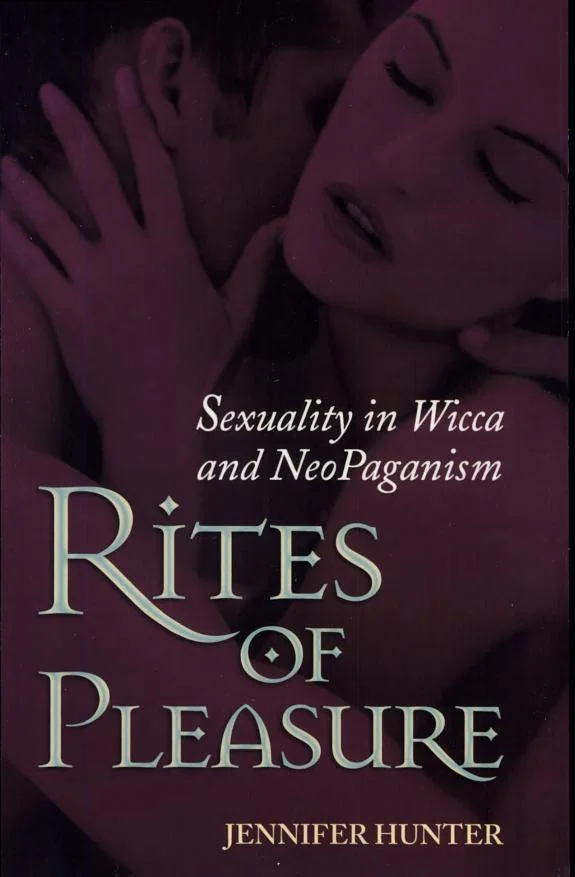
Jennifer Hunter's *Rites of Pleasure* tackles the often-unspoken territory of Pagan sexual ethics with commendable directness. The book’s strength lies in its practical approach, moving beyond abstract philosophy to address concrete scenarios faced by practitioners. Hunter’s candid examination of polyamory, for instance, offers a nuanced perspective that respects both individual autonomy and community well-being. However, the text occasionally feels more like a sociological survey than a deeply mystical exploration, sometimes lacking the transcendent spark one might expect from a work on sacred sexuality. A particularly insightful section discusses the challenges of navigating polyamorous dynamics within established Pagan covens, highlighting potential friction points. Ultimately, *Rites of Pleasure* serves as a valuable, if somewhat clinical, guide for Pagans seeking to align their intimate lives with their spiritual paths.
📝 Description
75
Jennifer Hunter's 2004 book, Rites of Pleasure, connects Paganism with sexual expression.
Published in 2004, Rites of Pleasure examines the intersection of Paganism and sexual expression. Jennifer Hunter wrote this book to help adherents integrate spiritual beliefs with healthy, sacred sexuality. It addresses how society devalues intimacy and explains diverse practices within Pagan communities. Hunter's work directly engages with the challenges and opportunities of conscious sexual exploration in a spiritual context.
The book is intended for Pagans and those interested in Paganism who want to understand sexuality as a sacred practice. It speaks to individuals exploring different relationship forms, such as monogamy, marriage, polyamory, and communal sexual practices. The text is also useful for anyone wanting to remove mental blocks to fulfilling intimacy and to explore the spiritual aspects of human connection beyond common norms.
Rites of Pleasure emerged in 2004 during a time of growing visibility for Pagan and Neopagan movements. The book addressed a perceived gap in literature that linked Pagan philosophy with practical, ethical sexual expression. Hunter's approach draws from earlier feminist and occult explorations of sexuality, including figures like Aleister Crowley and Dion Fortune, but focuses distinctly on contemporary Paganism. It positions itself against conservative viewpoints by emphasizing conscious sexual exploration within a spiritual framework.
💡 Why Read This Book?
• Gain practical strategies for integrating sacred sexuality into your Pagan practice, as detailed in discussions of monogamy and polyamory specific to the 2004 publication context. • Understand diverse relationship models like polyamory and communal sexual gatherings through Hunter's analysis, offering insights beyond typical Western relationship norms. • Dismantle mental blocks to intimacy by exploring how Pagan philosophies can reframe sexual expression as a spiritual act, drawing from concepts presented in the book's sections on sacred sexuality.
⭐ Reader Reviews
Honest opinions from readers who have explored this book.
❓ Frequently Asked Questions
What is the primary focus of Jennifer Hunter's Rites of Pleasure?
The book's primary focus is on exploring sacred sexuality within Pagan belief systems. It examines how Pagans can practice healthy, diverse sexual expression in contemporary society, covering topics from monogamy to polyamory and communal gatherings.
When was Rites of Pleasure first published?
Rites of Pleasure was first published in 2004, a period when discussions around Paganism and alternative lifestyles were gaining traction in mainstream discourse.
Does Rites of Pleasure discuss different types of relationships?
Yes, the book extensively discusses various relationship structures common within or explored by Pagan communities, including monogamy, marriage, polyamory, and group sexual practices.
Who would benefit most from reading Rites of Pleasure?
Pagans, Neopagans, and individuals interested in alternative spiritualities who seek to understand or practice sacred sexuality would benefit most. It's also for those exploring diverse relationship models.
What societal issues does Rites of Pleasure address regarding sexuality?
It addresses how society often devalues intimate relationships and sexual expression, and explores how Paganism offers a framework for more open and sacred approaches to intimacy, contrasting with prevailing norms.
Is Rites of Pleasure a practical guide or a theoretical text?
The book functions as a practical guide, offering insights and frameworks for individuals to apply to their own lives. While grounded in Pagan philosophy, it emphasizes actionable advice for navigating sexual expression.
🔮 Key Themes & Symbolism
Sacred Sexuality in Paganism
This theme centers on the idea that sexual intimacy can be a spiritual practice within Pagan traditions. Hunter explores how acts of physical connection can be imbued with intention, ritual, and a connection to the divine. The book posits that by removing mental obstacles and embracing open communication, practitioners can elevate sexual encounters from mere physical acts to sacred rites, aligning personal desires with spiritual growth and fostering deeper connections within oneself and with partners or community.
Diverse Relationship Structures
Hunter meticulously examines various relationship models that exist within or are compatible with Paganism. This includes not only traditional monogamy and marriage but also looks at polyamory, open relationships, and communal sexual gatherings. The work aims to provide a framework for understanding the ethics, challenges, and rewards associated with these diverse structures, encouraging Pagans to define relationships that best suit their spiritual and personal needs outside conventional societal expectations.
Gender Roles and Intimacy
A significant aspect of *Rites of Pleasure* involves deconstructing traditional gender roles within sexual relationships and spiritual practice. Hunter encourages a fluid and equitable approach, where power dynamics are consciously navigated and consent is paramount. The book champions open dialogue about desires, boundaries, and expectations, facilitating a more authentic and fulfilling intimate life for individuals regardless of gender identity or orientation within the Pagan context.
Overcoming Sexual Repression
The work directly confronts societal conditioning and internal psychological barriers that can inhibit healthy sexual expression. Hunter guides readers in identifying and dismantling these mental obstacles, which often stem from religious or cultural repression. By reframing sexuality as a natural and potentially sacred aspect of human experience, the book empowers individuals to embrace their desires and explore intimacy with greater freedom and self-acceptance within their spiritual framework.
💬 Memorable Quotes
Direct passages from the work, attributed to the author.
“Paganism is remarkably open to diverse sexual expression.”
— This highlights a core tenet of many Pagan paths: the acceptance and integration of sexuality as a natural, often sacred, part of life, contrasting with more restrictive religious doctrines.
“How can Pagans practice healthy, sacred sexuality in a society that often devalues such intimacy?”
— This question frames the central challenge addressed by the book – reconciling spiritual sexual ideals with societal judgment and the need for conscious, ethical practice.
“True erotic inspiration for those who wish to explore.”
— This suggests the book offers not just information but also a source of motivation and encouragement for individuals seeking to deepen their understanding and practice of sexuality.
💡 Key Ideas
Editorial paraphrase of the work's core concepts — not direct quotes.
The book looks at different practices and gender roles within Paganism, from monogamy and marriage to sexual gatherings and polyamory.
This summarizes the scope of Hunter's exploration, emphasizing the breadth of relationship and sexual dynamics covered within the Pagan community.
Remove the mental obstacles that can prevent full and joyful intimacy.
This paraphrased concept points to the book's practical aim: to help readers identify and overcome psychological barriers to experiencing fulfilling and spiritually integrated sexual relationships.
🌙 Esoteric Significance
Tradition
While not strictly adhering to a single esoteric lineage like Hermeticism or Gnosticism, *Rites of Pleasure* engages with the broader currents of modern Pagan and Neopagan spiritualities. These traditions often incorporate elements of nature worship, polytheism, and a holistic view of life that includes sexuality as a sacred force. Hunter's work fits within this by advocating for the spiritualization of everyday life, including sexual intimacy, aligning with the Pagan emphasis on immanence – the divine present within the world and the body.
Symbolism
The book's symbolism is less about specific arcane symbols and more about the symbolic weight given to sexual acts themselves. Within a Pagan framework, the union of individuals can symbolize the divine marriage (hieros gamos), the creative force of the universe, or the connection between the microcosm (human) and macrocosm (divine). Hunter implicitly elevates sexual connection to a symbolic act of spiritual alignment and ecstatic union, representing life, fertility, and the sacred dance of existence.
Modern Relevance
Contemporary Pagans and practitioners of alternative spiritualities continue to draw on Hunter's work for its practical approach to ethical sexual relationships. It remains relevant for those exploring polyamory, non-monogamy, and queer identities within spiritual contexts. Thinkers and communities focused on embodiment, ecstatic practice, and the intersection of spirituality and sexuality often reference or echo the principles discussed in *Rites of Pleasure*, particularly in discussions of consent, communication, and the sacredness of human connection.
👥 Who Should Read This Book
• Pagans and Neopagans seeking to understand and practice sacred sexuality, especially those exploring diverse relationship structures beyond monogamy. • Individuals interested in comparative religion and sociology of spirituality, looking for insights into contemporary Pagan beliefs and practices surrounding intimacy and relationships. • Those grappling with societal taboos around sex and intimacy, who are seeking a spiritual framework to reframe their understanding and experience of sexual expression.
📜 Historical Context
Published in 2004, *Rites of Pleasure* emerged within a growing Neopagan landscape that was increasingly seeking to define its own ethical and spiritual frameworks, distinct from mainstream Western religions. The early 21st century saw a surge in literature exploring Paganism's diverse expressions, with sexuality being a prominent, yet often controversial, topic. Hunter's work arrived in dialogue with the burgeoning field of contemporary Pagan studies and counter-cultural explorations of sexuality. It addressed a need for practical guidance on integrating spiritual beliefs with intimate life, particularly as Paganism moved further from its Wiccan roots and embraced a wider array of traditions. While not directly engaging with figures like Margot Adler or Isaac Bonewits in this specific text, it implicitly responded to the broader cultural conversations they helped shape regarding alternative spirituality and social norms. The book's focus on polyamory and communal practices offered a counterpoint to more conservative societal views on relationships prevalent at the time.
📔 Journal Prompts
Pagan sexual ethics and the concept of sacred sexuality.
Reflect on the societal devaluation of intimacy and its impact on personal relationships.
Examining the dynamics of polyamory and communal sexual gatherings within a spiritual context.
Dismantling personal mental obstacles to full and joyful intimacy.
The integration of diverse gender roles in spiritual sexual practices.
🗂️ Glossary
Paganism
A broad term encompassing various modern polytheistic, animistic, and nature-based spiritual traditions. It emphasizes reverence for nature, cyclical time, and often incorporates pre-Christian European religious practices and beliefs.
Sacred Sexuality
The practice of viewing sexual intimacy as a spiritual act, imbued with intention, ritual, and a connection to the divine or the sacred forces of life. It goes beyond mere physical pleasure to encompass emotional, spiritual, and energetic union.
Monogamy
A relationship structure involving a committed, exclusive sexual and emotional bond between two individuals. In the context of Paganism, it is one of many recognized relationship forms.
Polyamory
The practice of engaging in multiple romantic or sexual relationships simultaneously with the knowledge and consent of all involved parties. It emphasizes open communication and ethical non-monogamy.
Gender Roles
Societal expectations and norms associated with masculinity and femininity. Hunter examines how these roles are perceived and enacted within Pagan sexual practices and relationships.
Mental Obstacles
Psychological barriers, often stemming from societal conditioning, past trauma, or internalized beliefs, that hinder an individual's ability to experience healthy, fulfilling, and authentic intimacy.
Sexual Gatherings
Communal events where individuals may engage in consensual sexual activities together. These can range from informal encounters to more ritualized group dynamics within specific spiritual communities.
This book appears in 1 collection
🔮 Readers Also Liked
Browse all →








From the “Neopaganism” Collection
View all →







More Free Witchcraft & Paganism Books
View all →






![D. [i. e., Doktor] Balthasar Bekkers reformierten Predigers in Amsterdam bezauberte Welt. ... 1781: Vol 2 Iss 81](/img/thumb/d-i-e-doktor-balthasar-bekkers-reformierten-predigers-in-amsterdam-bezauberte-welt-1781-vol-2-iss-81-bekker-balthasar-1634-1698.webp)