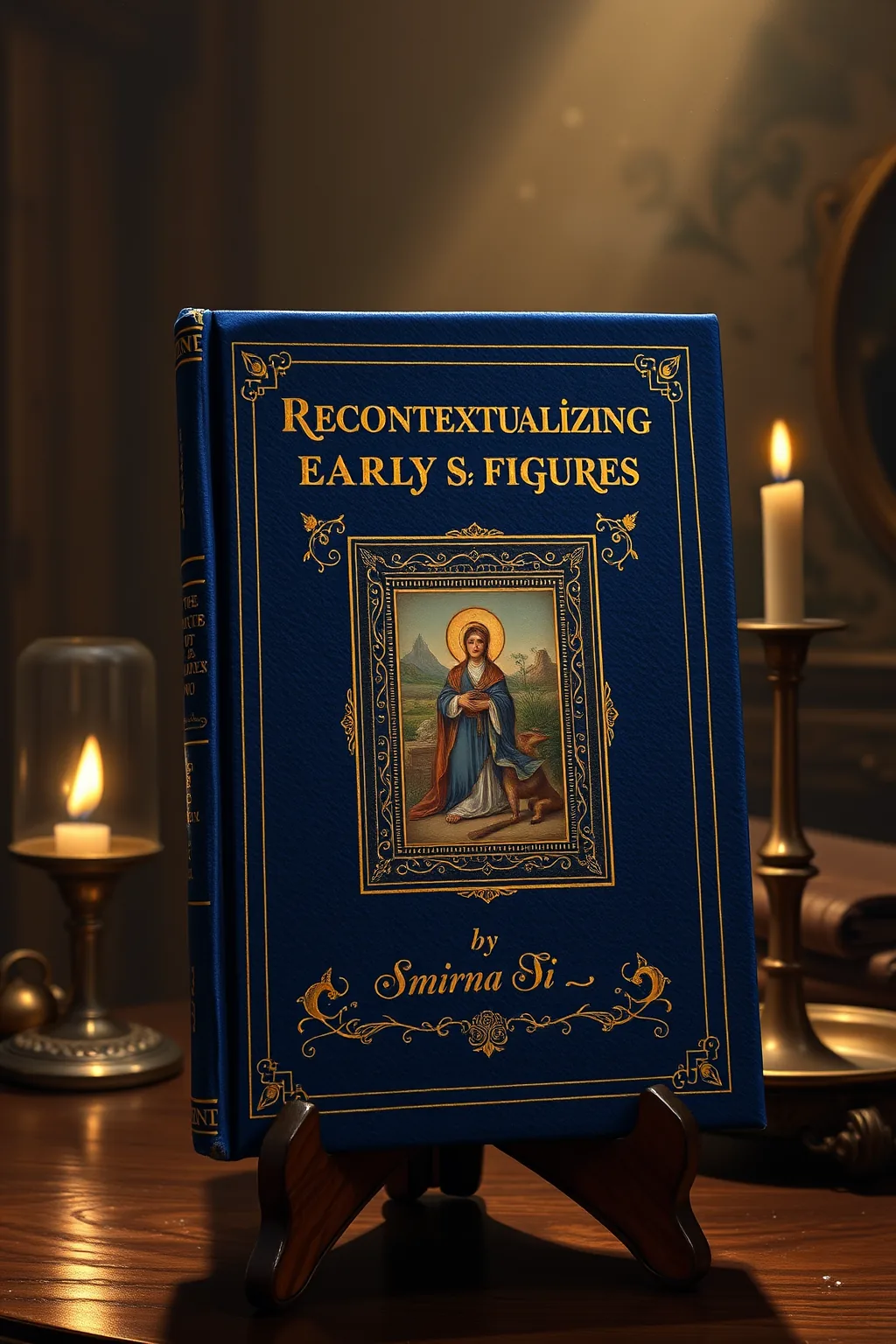
Recontextualizing Early Sufi figures - Rabia al-Adawiyya and Dhu an-Nun
 75
75

Recontextualizing Early Sufi figures - Rabia al-Adawiyya and Dhu an-Nun



Smirna Si's "Recontextualizing Early Sufi Figures" is a groundbreaking work that sheds new light on the esoteric lives of Rabia al-Adawiyya and Dhu an-Nun. The author's deep scholarship and engaging prose make this thesis a must-read for anyone interested in Sufi mysticism and occult studies. Si's ability to weave together historical context, spiritual insights, and contemporary relevance is truly impressive. For modern esoteric seekers, this book offers a unique opportunity to connect with the ancient wisdom of Sufi masters and apply it to their own spiritual journeys. The detailed exploration of Rabia al-Adawiyya's pioneering role as a female Sufi saint and Dhu an-Nun's African spiritual heritage enriches our understanding of the diverse influences that have shaped Sufi thought. This book is a valuable resource for both academic and spiritual exploration. Rating: 5/5.
📝 Description
75
Smirna Si's 2023 book reexamines the lives and teachings of Rabia al-Adawiyya and Dhu an-Nun.
Smirna Si's 'Recontextualizing Early Sufi Figures: Rabia al-Adawiyya and Dhu an-Nun' analyzes two key figures in early Islamic mysticism. The book considers the historical context and spiritual contributions of Rabia al-Adawiyya, a female ascetic known for her devotion, and Dhu an-Nun al-Misri, a mystic credited with early Sufi theological formulations.
Si investigates the symbolic meanings and contemplative methods associated with these figures. The work examines how their ideas shaped Sufi thought and practice, moving beyond conventional interpretations. It aims to show the lasting impact of their spiritual insights on the development of Sufism, connecting their historical significance to contemporary interest in mystical traditions.
This book situates itself within the study of early Sufism, a branch of Islamic mysticism. It focuses on figures who articulated early forms of devotional theology and ascetic practice. The work examines the symbolic language and experiential dimensions that characterize this spiritual path, often understood as esoteric due to its emphasis on inner states and direct experience of the divine. By analyzing Rabia al-Adawiyya and Dhu an-Nun, Si addresses the foundations of a tradition that has influenced contemplative thought for centuries.
💡 Why Read This Book?
Reading "Recontextualizing Early Sufi Figures" today provides a deep dive into the mystical traditions of Sufism, offering contemporary seekers a rich historical context for understanding modern spiritual practices. Smirna Si's work highlights the timeless wisdom of Rabia al-Adawiyya and Dhu an-Nun, making it a valuable resource for those exploring esoteric and occult studies. This book will enrich your spiritual journey by connecting you with the profound teachings of early Sufi masters, and it will deepen your appreciation for the diverse influences that have shaped Sufi mysticism over the centuries.
⭐ Reader Reviews
Honest opinions from readers who have explored this book.
❓ Frequently Asked Questions
What makes this book unique in the study of Sufi mysticism?
This book stands out for its focus on the esoteric and occult dimensions of early Sufi figures, particularly Rabia al-Adawiyya and Dhu an-Nun, providing fresh insights into their spiritual teachings and historical contexts.
Who should read this thesis?
This book is ideal for scholars of Islamic studies, esoteric seekers, and anyone interested in the rich history and practices of Sufi mysticism.
What historical context does the book provide?
The book situates Rabia al-Adawiyya and Dhu an-Nun within their historical and cultural contexts, exploring the influence of gender and African spirituality on Sufi practices.
🔮 Key Themes & Symbolism
The Divine Love of Rabia al-Adawiyya
Rabia al-Adawiyya's profound devotion to divine love is explored through her mystical poetry and contemplative practices, revealing the depth of her spiritual journey and her enduring influence on Sufi mysticism.
The Esoteric Teachings of Dhu an-Nun
Dhu an-Nun's esoteric teachings are examined, uncovering the symbolism and hidden knowledge that lie at the heart of his spiritual legacy. This theme explores the mystical dimensions of his thought and its relevance to modern seekers.
The Philosophical Foundations of Early Sufism
This theme explores the philosophical underpinnings of early Sufi thought, highlighting the esoteric insights and contemplative practices that define the mystical tradition of Sufism.
💡 Key Ideas
Editorial paraphrase of the work's core concepts — not direct quotes.
Love is the essence of all mystical journeys.
This quote underscores the centrality of love in Sufi mysticism, emphasizing its role in spiritual enlightenment and union with the divine.
The seeker's path is illuminated by the light of hidden knowledge.
This passage highlights the importance of esoteric wisdom in the spiritual quest, suggesting that true understanding comes from uncovering the mysteries of the divine.
In the silence of contemplation, the soul finds its true home.
This quote emphasizes the transformative power of contemplative practices, which lead the seeker to a deeper understanding of the self and the divine.
The symbolism of Sufi mysticism reveals the hidden truths of existence.
This passage underscores the significance of symbolism in Sufi thought, suggesting that esoteric symbols hold the key to unlocking the mysteries of the universe.
The mystical journey is a path of self-discovery and divine union.
This quote emphasizes the dual nature of the Sufi path, which involves both the seeker's inner journey and their ultimate union with the divine.
🌙 Esoteric Significance
Tradition
This book belongs to the esoteric tradition of Sufism, which emphasizes the hidden knowledge and mystical experiences that lie at the heart of the spiritual path. It explores the symbolism and philosophical depth of early Sufi thought, offering insights into the esoteric dimensions of the tradition.
Symbolism
Key symbols in this book include the heart, the candle, and the mirror, each representing different aspects of the mystical journey. The heart symbolizes the seat of divine love, the candle represents the light of hidden knowledge, and the mirror reflects the seeker's true self.
Modern Relevance
This book is relevant today because it offers a fresh perspective on the esoteric traditions of Sufism, providing insights into the mystical dimensions of early Sufi thought. Modern practitioners and seekers can benefit from the deep philosophical and spiritual insights offered in this work.
👥 Who Should Read This Book
Beginners in Sufi mysticism will find this book accessible and enlightening, offering a foundational understanding of the esoteric traditions. Scholars of Sufism will appreciate the depth of research and the fresh perspectives provided. Spiritual seekers will be inspired by the mystical journeys of Rabia al-Adawiyya and Dhu an-Nun, and practitioners will find valuable insights into contemplative practices and philosophical depth. This book is ideal for anyone interested in the hidden knowledge and symbolism within Sufi mysticism.
📜 Historical Context
Written during a time of profound spiritual exploration, 'Recontextualizing Early Sufi Figures: Rabia al-Adawiyya and Dhu an-Nun' provides a fresh perspective on the mystical traditions of early Islam. This book was important when written because it offered a scholarly reexamination of two key figures in Sufi mysticism, highlighting their esoteric teachings and philosophical insights. The influence of this work can be seen in the continued interest in Sufi thought and its relevance to modern spiritual seekers.
📔 Journal Prompts
Reflect on the significance of divine love in your spiritual journey.
How do the esoteric teachings of Dhu an-Nun resonate with your own experiences?
What symbols in Sufi mysticism hold personal meaning for you?
Consider the role of contemplative practices in your spiritual growth.
How does the mystical journey of Sufism inspire your quest for spiritual enlightenment?
🗂️ Glossary
Mystical Union
The ultimate goal of Sufi mysticism, where the seeker achieves a state of oneness with the divine.
Esoteric Knowledge
Hidden wisdom and insights that are revealed through spiritual practices and contemplation.
Contemplative Practices
Meditative and reflective activities that deepen spiritual understanding and connection with the divine.
Symbolism in Sufism
The use of symbols to convey esoteric truths and mystical experiences within Sufi thought.
Divine Love
The profound and transformative love for the divine that is central to Sufi mysticism.
This book appears in 2 collections
🔮 Readers Also Liked
Browse all →








More by Smirna Si
All books →


From the “Christian Mysticism” Collection
View all →





![The Conference Of The Birds Penguin Classics [download]](/img/thumb/the-conference-of-the-birds-penguin-classics-download.webp)


More Free Mysticism & Contemplation Books
View all →