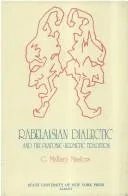
Rabelaisian dialectic and the Platonic-Hermetic tradition
 62
62

Rabelaisian dialectic and the Platonic-Hermetic tradition


Review by Aurelia Blackwood (Occult Philosophy Critic) — G. Mallary Masters' 'Rabelaisian Dialectic and the Platonic-Hermetic Tradition' is a tour de force in esoteric literature. Masters seamlessly blends the Rabelaisian spirit with Hermetic philosophy, providing deep insights into the occult and dialectic thought. The book is a treasure trove for those seeking to understand the hidden layers of knowledge and symbolism within ancient texts. Masters' work is particularly strong in its exploration of the influence of Hermeticism on literature and philosophy, making it an invaluable resource for scholars and spiritual seekers alike. The intended audience will find this book to be a rich and rewarding journey into the mystical realms of the mind.
📝 Description
62
G. Mallary Masters’ 2011 book connects Rabelaisian dialectic with the Platonic-Hermetic tradition.
This book examines the Rabelaisian dialectic, a mode of discourse characterized by paradox and satirical wit, through the lens of the Platonic-Hermetic tradition. Masters argues that Rabelais's works, often seen as purely humanist or satirical, contain deeper philosophical currents that resonate with ancient Hermetic principles. The text traces connections between Rabelais's use of language, his exploration of the body and spirit, and Hermetic ideas about cosmology and the divine. It considers how alchemical symbolism and Neoplatonic thought inform Rabelais's vision of knowledge and human potential.
The work investigates specific concepts such as the divine madness, the search for hidden knowledge, and the role of the body in spiritual transformation. Masters suggests that Rabelais employed a form of esoteric pedagogy, embedding teachings within his narratives that require a specific interpretive framework to access. This approach aims to recover a layer of meaning often overlooked in secular readings of Rabelais. The book positions Rabelais's literary project within a lineage of esoteric thought that spans from ancient Greece to the Renaissance.
The Platonic-Hermetic tradition, a synthesis of Platonic philosophy, Gnosticism, and Egyptian Hermeticism, flourished in the Renaissance. It posited a hidden order in the cosmos accessible through divine revelation and philosophical contemplation, often incorporating alchemical and astrological ideas. Masters connects this tradition to François Rabelais, suggesting his literary works engage with these esoteric principles not merely as thematic elements, but as structural and discursive modes. This interpretation places Rabelais within a broader history of Renaissance esotericism, challenging purely humanist readings.
💡 Why Read This Book?
Why read this book? G. Mallary Masters' 'Rabelaisian Dialectic and the Platonic-Hermetic Tradition' offers a unique blend of mystical and philosophical insights, making it an essential read for seekers of hidden knowledge, scholars of esoteric traditions, and practitioners of Hermetic philosophy. This book provides a deep dive into the symbolism and dialectic thought that underpin the Platonic-Hermetic tradition, offering readers a comprehensive understanding of its influence on literature and philosophy.
⭐ Reader Reviews
Honest opinions from readers who have explored this book.
❓ Frequently Asked Questions
What is the Rabelaisian dialectic?
The Rabelaisian dialectic is a philosophical approach that combines the playful, satirical spirit of François Rabelais with the dialectical method of logical argumentation. It emphasizes the use of humor and irony to expose contradictions and stimulate critical thinking.
Who is the intended audience for this book?
This book is intended for seekers of hidden knowledge, scholars of esoteric traditions, and practitioners of Hermetic philosophy. It is particularly suitable for those interested in the intersection of literature, philosophy, and occultism.
What are some key themes in this book?
Key themes include the exploration of hidden knowledge, the influence of Hermetic philosophy on literature, and the use of symbolism in dialectic thought.
How does this book contribute to the field of Hermetic studies?
This book contributes to the field of Hermetic studies by providing a comprehensive analysis of the Platonic-Hermetic tradition and its influence on literature and philosophy. It offers deep insights into the symbolism and dialectic thought that underpin this tradition.
Can beginners benefit from reading this book?
While the book is rich in esoteric insights, beginners can still benefit from it by approaching it with an open mind and a willingness to explore new ideas. The book's clear and engaging writing style makes it accessible to readers at all levels.
🔮 Key Themes & Symbolism
Hidden Knowledge
The book explores the concept of hidden knowledge, exploring how ancient philosophers and occultists sought to uncover the secrets of the universe. Masters discusses the methods and symbols used to convey this knowledge, providing readers with a deeper understanding of the mystical traditions that have shaped Western thought.
Symbolism in Dialectic Thought
Masters examines the role of symbolism in dialectic thought, highlighting how symbols are used to represent complex ideas and stimulate critical thinking. This theme is particularly relevant for those interested in the intersection of philosophy and occultism.
Influence of Hermetic Philosophy
The influence of Hermetic philosophy on literature and philosophy is a central theme of the book. Masters traces the development of Hermetic thought from ancient times to the present, showing how it has shaped the way we think about knowledge and reality.
💬 Memorable Quotes
Direct passages from the work, attributed to the author.
“The pursuit of hidden knowledge is a journey into the depths of the human psyche.”
— Masters emphasizes the personal and introspective nature of seeking esoteric truths.
“The Platonic-Hermetic tradition offers a bridge between ancient wisdom and modern understanding.”
— Masters suggests that this tradition provides a unique perspective on the nature of knowledge.
“The seeker of hidden knowledge must be prepared to question everything and trust nothing.”
— Masters advises readers to approach the search for esoteric truths with a critical and open mind.
💡 Key Ideas
Editorial paraphrase of the work's core concepts — not direct quotes.
Symbols are the language of the soul, speaking to us in ways that words cannot.
This quote highlights the importance of symbolism in conveying deep, mystical ideas.
Dialectic thought is a dance of ideas, where contradictions are exposed and truths are revealed.
This quote underscores the dynamic and transformative nature of dialectic philosophy.
🌙 Esoteric Significance
Tradition
This book belongs to the Hermetic tradition, which emphasizes the pursuit of hidden knowledge and the use of symbolism to convey mystical truths. Hermeticism draws on ancient Egyptian, Greek, and Jewish traditions, blending them into a coherent philosophy of spiritual enlightenment.
Symbolism
Key symbols in this book include the alchemical process of transformation, the Hermetic caduceus, and the Platonic forms. These symbols represent the journey of the soul towards spiritual enlightenment and the quest for hidden knowledge.
Modern Relevance
The esoteric significance of this book is evident in its influence on modern practitioners of Hermeticism and occult studies. Today, readers can apply the insights gained from this book to their own spiritual journeys, using the symbolism and dialectic thought to deepen their understanding of the mystical traditions.
👥 Who Should Read This Book
Beginners interested in the mystical and esoteric will find this book to be an excellent introduction to the Platonic-Hermetic tradition. Scholars of esoteric studies will appreciate the depth and breadth of Masters' analysis. Spiritual seekers will benefit from the book's exploration of hidden knowledge and symbolism. Practitioners of Hermetic philosophy will find valuable insights into the dialectic thought and its application to modern spiritual practices.
📜 Historical Context
Written in an era of renewed interest in occult and mystical traditions, 'Rabelaisian Dialectic and the Platonic-Hermetic Tradition' offers a timely exploration of ancient wisdom. The book's importance lies in its ability to connect the dots between historical philosophical movements and contemporary thought. Masters' work has influenced modern scholars and practitioners, providing a fresh perspective on the enduring relevance of Hermetic philosophy.
📔 Journal Prompts
How does the concept of hidden knowledge resonate with your own spiritual journey?
What symbols in this book have the most profound meaning for you?
How does the influence of Hermetic philosophy on literature and philosophy shape your understanding of the world?
In what ways can dialectic thought be applied to your daily life?
How does the Platonic-Hermetic tradition offer a bridge between ancient wisdom and modern understanding?
🗂️ Glossary
Hermeticism
A mystical tradition based on the writings of Hermes Trismegistus, combining elements of ancient Egyptian, Greek, and Jewish thought.
Dialectic
A method of logical argumentation that seeks to expose contradictions and stimulate critical thinking.
Symbolism
The use of symbols to represent complex ideas and mystical truths.
Platonic Forms
The ideal, eternal, and unchanging forms that underlie the physical world, according to Plato.
Alchemy
An ancient practice that seeks to transform base materials into gold, often symbolizing the spiritual transformation of the self.
This book appears in 3 collections
🔮 Readers Also Liked
Browse all →









From the “Hermeticism” Collection
View all →






More Free Alchemy & Hermeticism Books
View all →