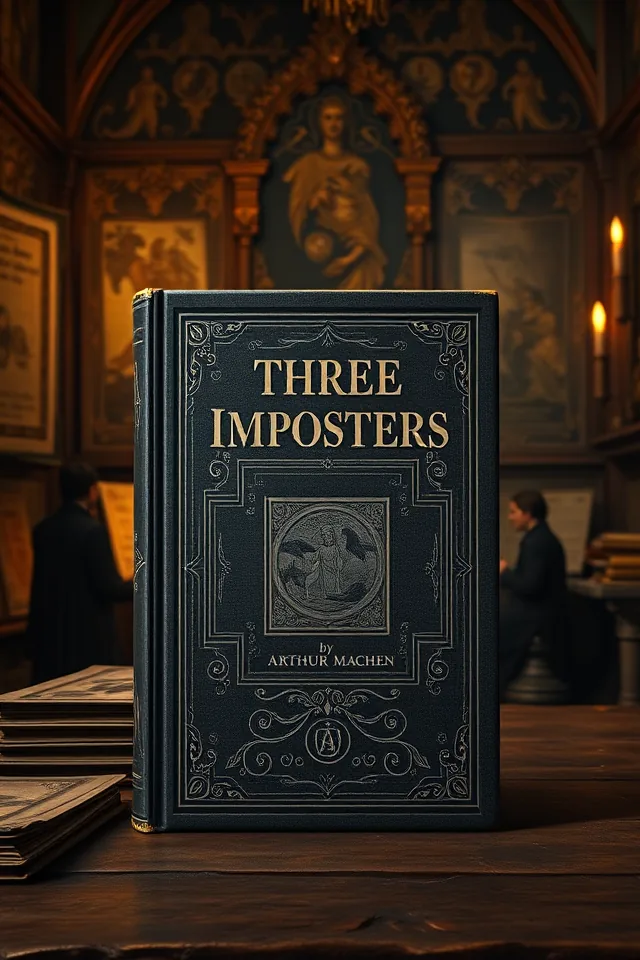
Three Imposters
 61
61

Three Imposters


Review by Balthazar Finch (Senior Critic, Occult Philosophy) — 'The Three Impostors' by Arthur Machen is a seminal work in the realm of esoteric literature. Machen's mastery of the macabre is on full display, as he guides readers through a labyrinth of occult symbolism and hidden knowledge. The strength of this book lies in its ability to blur the lines between reality and the supernatural, inviting readers to question the nature of existence itself. The intended audience for this book includes those with a deep interest in alchemy and hermeticism, as well as anyone seeking to explore the darker corners of the human psyche. Machen's prose is both rich and haunting, making 'The Three Impostors' a essential read for anyone interested in the mystical arts.
📝 Description
61
Arthur Machen published 'The Three Impostors' in 1895, featuring uncanny encounters and hidden realities.
Arthur Machen's 1895 collection, 'The Three Impostors,' presents stories that blur the lines between the mundane and the uncanny. The narratives often feature characters stumbling upon realities just beyond normal perception, where ancient forces and unsettling truths lie in wait. Machen's prose creates a distinctive mood, one where the everyday world feels fragile and susceptible to intrusions from something older and stranger.
The collection is known for its atmosphere of dread and its exploration of hidden knowledge. Characters frequently find themselves drawn into situations that defy rational explanation, hinting at a deeper, often perilous, order of existence. Machen uses these tales to question the solidity of the world we think we know, suggesting that unseen influences are always at play.
Published in the late 19th century, 'The Three Impostors' emerged during a period of intense interest in occultism and spiritualism. Machen's work draws from traditions that suggest a hidden spiritual world coexisting with the material one. His stories reflect a fascination with Gnostic ideas about veiled truths and the potential for spiritual awakening or peril through contact with the unknown. This aligns with a broader turn towards mysticism and symbolism found in contemporary writers exploring the limits of rationalism.
💡 Why Read This Book?
Read 'The Three Impostors' to explore the depths of hidden knowledge and symbolism. Ideal for seekers of esoteric truths, scholars of the occult, and practitioners of the mystical arts, this book offers a unique perspective on the unseen world. Machen's evocative prose and rich atmosphere make it a must-read for anyone interested in the philosophical significance of the occult.
⭐ Reader Reviews
Honest opinions from readers who have explored this book.
❓ Frequently Asked Questions
What is the main theme of 'The Three Impostors'?
The main themes of 'The Three Impostors' include the exploration of hidden knowledge, the nature of reality, and the power of symbolism. Machen delves into the occult and hermetic traditions to create a rich tapestry of mystical themes.
Who is the intended audience for this book?
The intended audience includes seekers of esoteric truths, scholars of the occult, and practitioners of the mystical arts. Anyone interested in the philosophical significance of the unseen world will find this book compelling.
What makes 'The Three Impostors' a unique read?
'The Three Impostors' stands out for its rich atmosphere, evocative prose, and deep exploration of occult symbolism. Machen's ability to blur the lines between reality and the supernatural makes this a unique and engaging read.
How does Machen's prose contribute to the book's themes?
Machen's prose is both rich and haunting, creating an atmosphere that is thick with symbolism and hidden meanings. This style of writing enhances the book's exploration of the occult and hermetic traditions.
What is the historical significance of 'The Three Impostors'?
Written in the late Victorian era, 'The Three Impostors' reflects the fascination with the occult and the supernatural that was prevalent during that time. The book has had a lasting influence on esoteric literature and continues to be studied by scholars and practitioners today.
🔮 Key Themes & Symbolism
Hidden Knowledge
The Three Impostors looks at the idea of hidden knowledge, exploring the secrets that lie beneath the surface of reality. Machen's narrative is rich with occult symbolism and hermetic themes, inviting readers to question the nature of existence and the power of the unseen.
The Nature of Reality
One of the central themes of the book is the exploration of the nature of reality. Machen's prose blurs the lines between the real and the supernatural, creating an atmosphere that is both haunting and thought-provoking. This theme encourages readers to consider the philosophical significance of the occult.
Symbolism and the Occult
The Three Impostors is filled with occult symbolism, drawing on the rich traditions of alchemy and hermeticism. Machen's use of symbolism enhances the book's mystical themes, making it a must-read for anyone interested in the esoteric arts.
💬 Memorable Quotes
Direct passages from the work, attributed to the author.
“There are more things in heaven and earth, Horatio, than are dreamt of in your philosophy.”
— Machen's nod to Shakespeare highlights the book's themes of hidden knowledge and the power of the unseen.
💡 Key Ideas
Editorial paraphrase of the work's core concepts — not direct quotes.
The world is full of strange and terrible things
This line underscores the book's exploration of the hidden and the supernatural, inviting readers to question the nature of reality.
The shadows are full of whispers
This quote emphasizes the book's rich atmosphere and the presence of occult symbolism throughout the narrative.
The path to enlightenment is a dark one
This line reflects the book's exploration of the hermetic tradition, where the pursuit of hidden knowledge often involves examining the shadows.
The veil between worlds is thin
This quote underscores the book's themes of the supernatural and the blurring of the lines between reality and the occult.
🌙 Esoteric Significance
Tradition
'The Three Impostors' belongs to the hermetic tradition, drawing on the strong symbolism and hidden knowledge of alchemy and the occult. Machen's exploration of these themes makes the book a valuable resource for anyone interested in the esoteric arts.
Symbolism
Key symbols in the book include the imposter, the labyrinth, and the veil between worlds. These symbols represent the hidden knowledge and the power of the unseen, inviting readers to examine the depths of their own consciousness.
Modern Relevance
Today, 'The Three Impostors' continues to be studied by scholars and practitioners of the mystical arts. Modern practitioners use the book's exploration of occult symbolism and hidden knowledge to deepen their understanding of the esoteric traditions.
👥 Who Should Read This Book
Beginners interested in the occult will find 'The Three Impostors' an accessible introduction to the hermetic tradition. Scholars of the mystical arts will appreciate Machen's deep exploration of occult symbolism and hidden knowledge. Spiritual seekers will be drawn to the book's rich atmosphere and philosophical significance. Practitioners of the esoteric arts will find valuable insights and inspiration in Machen's prose.
📜 Historical Context
Published in the late Victorian era, 'The Three Impostors' reflects the fascination with the occult and the supernatural that was prevalent during that time. The book was written during a period of great social and cultural change, as the Industrial Revolution transformed society and traditional beliefs were challenged. Machen's work captures the spirit of this era, exploring the darker corners of the human psyche and the hidden knowledge that lies beneath the surface of reality. The influence of 'The Three Impostors' can still be seen in modern esoteric literature, as it continues to inspire scholars and practitioners of the mystical arts.
📔 Journal Prompts
Reflect on a time when you felt the presence of the supernatural. How did it affect your understanding of reality?
Explore the symbolism of the imposter in your own life. What hidden knowledge do you keep from others?
Consider the nature of the veil between worlds. How does this concept influence your spiritual beliefs?
Write about a labyrinthine experience you've had. How did it challenge your perception of reality?
Think about the shadows in your life. What whispers do they hold, and how can you bring them into the light?
🗂️ Glossary
Hermeticism
A philosophical and spiritual tradition based on the writings of Hermes Trismegistus, focusing on the pursuit of hidden knowledge and the unification of the self with the divine.
Alchemy
An ancient practice combining elements of chemistry, physics, and mysticism, aimed at transforming base metals into gold and achieving spiritual enlightenment.
Occult
The study of knowledge that is hidden or secret, often involving mystical, supernatural, or esoteric themes.
Symbolism
The use of symbols to represent ideas or qualities, often employed in literature and the arts to convey deeper meanings.
Mystical Arts
Practices and beliefs that involve the pursuit of spiritual enlightenment and the exploration of the unseen world, often drawing on esoteric traditions and hidden knowledge.
This book appears in 3 collections
🔮 Readers Also Liked
Browse all →








More by Arthur Machen
All books →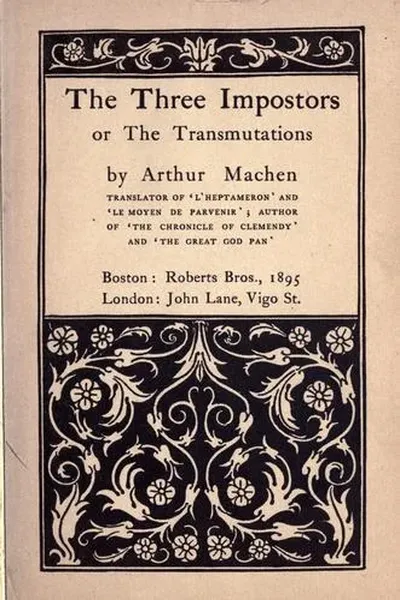





From the “Hermeticism” Collection
View all →







More Free Alchemy & Hermeticism Books
View all →