Psychic Healing Book
 81
81

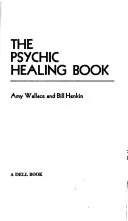
Psychic Healing Book
The Psychic Healing Book offers a surprisingly grounded approach to a subject often shrouded in vagueness. Wallace and Henkin avoid sensationalism, instead presenting a methodical exploration of psychic healing that feels almost like a textbook for an esoteric discipline. The strength lies in its clear articulation of concepts like energetic blockages and their correlation with physical ailments, a perspective that feels ahead of its time for a 1979 publication. However, the book's primary limitation is its dated language and some conceptual frameworks that, while innovative for their era, may require modern interpretation for contemporary readers. A particularly memorable section describes the process of 'energetic attunement,' detailing how a healer can synchronize with a client's energetic field to facilitate release and restoration. Ultimately, this is a valuable, if somewhat period-specific, manual for understanding the energetic underpinnings of wellness.
📝 Description
81
Published in 1979, The Psychic Healing Book addresses the energetic and psychosomatic roots of illness.
This 1979 text presents healing as an active collaboration. Authors Amy Wallace and Bill Henkin detail how healers, individuals seeking wellness, and subtle energies interact to influence physical and mental states. The book moves beyond symptom management, aiming to address the energetic and psychosomatic origins of dis-ease.
It is written for those interested in complementary and alternative healing, especially those exploring mind-body connections and energy work. Aspiring healers will find a theoretical framework and practical guidance. Individuals focused on personal wellness can understand the energetic dimensions of their health. Researchers of 20th-century esoteric thought will also find value here.
Emerging in 1979, The Psychic Healing Book arrived during a period of significant interest in New Age philosophies and alternative health. It tapped into a burgeoning movement that questioned conventional medical approaches, influenced by earlier esoteric traditions. The book's focus on psychic energy and its therapeutic application contributed to discussions on consciousness and healing that paralleled broader cultural shifts.
💡 Why Read This Book?
• Gain a foundational understanding of energetic diagnostics and healing principles, as outlined in the book's 1979 publication, offering a historical perspective on mind-body therapies. • Learn about specific energy centers, such as the chakras, and their role in physical and emotional well-being as described by the authors. • Explore the concept of 'energetic attunement,' a core practice detailed within the text for fostering connection and facilitating healing between practitioner and client.
⭐ Reader Reviews
Honest opinions from readers who have explored this book.
❓ Frequently Asked Questions
When was The Psychic Healing Book first published?
The Psychic Healing Book was first published in May 1979, placing it within the broader New Age and alternative healing movement of the late 20th century.
What are the main topics covered in The Psychic Healing Book?
The book covers the principles of psychic healing, including the human energy field (aura), chakras, intention, energetic blockages, and the psychosomatic connection to illness.
Who are the authors of The Psychic Healing Book?
The authors are Amy Wallace and Bill Henkin (also known as William Henkin). The work draws on their combined perspectives and research.
Is this book suitable for beginners in esoteric studies?
Yes, the book is designed to introduce fundamental concepts of psychic healing in a structured manner, making it accessible for those new to esoteric or energetic healing topics.
Does the book offer practical exercises for psychic healing?
The book provides theoretical frameworks and discusses practical applications, aiming to educate readers on the concepts and methods involved in psychic healing practices.
What historical period does The Psychic Healing Book reflect?
The book reflects the late 1970s, a time of significant interest in New Age philosophies, alternative medicine, and the exploration of consciousness and subtle energies.
🔮 Key Themes & Symbolism
The Energetic Anatomy
The book meticulously details the human energetic anatomy, focusing on the aura and the chakra system. It presents these not as abstract concepts but as tangible energetic structures integral to physical and mental health. Understanding the aura's layers and the function of each chakra is presented as crucial for diagnosing and treating energetic imbalances that may underlie physical symptoms. This framework posits that disruptions in these subtle energy fields precede and contribute to dis-ease, offering a comprehensive view of the body's energetic architecture.
Intention as a Healing Modality
A core theme is the power of focused intention in the healing process. The authors explore how directed thought and will, whether from a practitioner or the individual themselves, can influence and harmonize energy fields. This isn't portrayed as mere wishful thinking, but as a disciplined application of consciousness. The text provides insights into cultivating and directing this intention effectively, emphasizing its role in clearing blockages, promoting cellular regeneration, and facilitating overall energetic equilibrium. It frames intention as a fundamental tool in the psychic healer's arsenal.
The Psychosomatic Link
The Psychic Healing Book strongly emphasizes the intricate connection between psychological states and physical well-being. It posits that emotional and mental patterns, when unresolved, manifest as energetic blockages that can eventually lead to physical ailments. The book explores how psychic healing addresses these root causes by working with the energetic and emotional layers of experience. This perspective encourages a holistic approach to health, recognizing that true wellness involves addressing the mind, emotions, and spirit alongside the physical body.
Ethical Practice in Healing
Integral to the discussion of psychic healing are the ethical considerations surrounding its practice. The authors address the responsibilities of the healer, including maintaining energetic integrity, respecting the client's autonomy, and avoiding the imposition of personal beliefs. The book stresses the importance of grounding, self-care for the practitioner, and the need for clear boundaries. This ethical dimension ensures that psychic healing is approached with integrity, professionalism, and a genuine commitment to the well-being of the individual seeking assistance.
💬 Memorable Quotes
Direct passages from the work, attributed to the author.
“Illness often begins as a disturbance in the subtle energy fields before manifesting physically.”
— This statement captures the book's core premise: that the energetic body acts as a blueprint or early warning system for physical health. It suggests that by addressing energetic imbalances, one can prevent or heal physical conditions.
“The healer acts as a conduit and harmonizer, not a controller, of vital energies.”
— This highlights the collaborative nature of psychic healing. It emphasizes the practitioner's role as a facilitator who guides and balances energy rather than imposing their will or forcing a specific outcome.
“Our thoughts and emotions create energetic patterns that influence our physical reality.”
— This interpretation underscores the psychosomatic principle central to the book, linking mental and emotional states directly to the formation of energetic fields that impact health and experience.
“Clearing energetic blockages requires both focused intention and a receptive state.”
— This points to the dual requirement for effective psychic healing: the active, directed will of the healer or client, combined with an openness and willingness to release stagnant or disruptive energies.
“The aura reflects the individual's overall state of health and consciousness.”
— This signifies the aura's importance as an energetic indicator. The book suggests that by perceiving and understanding the aura, one gains insight into deeper aspects of a person's well-being, both physical and spiritual.
🌙 Esoteric Significance
Tradition
The Psychic Healing Book fits within the broader modern esoteric tradition that synthesizes Eastern (e.g., chakra concepts) and Western (e.g., vitalism) ideas about subtle energies. It draws implicitly from spiritual healing movements and the burgeoning New Age thought of the late 20th century, rather than adhering strictly to a single lineage like Hermeticism or Gnosticism. It represents an effort to systematize and present these energetic healing principles in a structured, accessible format for a wider audience seeking practical application.
Symbolism
Key symbols include the aura, represented as layered fields of colored light surrounding the body, signifying emotional and spiritual states. The chakras are depicted as energetic centers within the body, crucial for regulating physical and psychological functions; their blockage or imbalance is seen as a primary cause of dis-ease. The concept of 'energetic blockage' itself functions symbolically, representing the stagnation of life force due to unresolved emotional or mental issues, which the healing process aims to dissolve.
Modern Relevance
Contemporary practices in energy healing, such as Reiki, Therapeutic Touch, and quantum healing modalities, echo the principles discussed in The Psychic Healing Book. Modern mind-body wellness approaches, including certain forms of psychotherapy and somatic experiencing, also acknowledge the impact of energetic states on physical health, aligning with the book’s psychosomatic focus. Thinkers and practitioners exploring consciousness, bioenergetics, and integrative medicine continue to find value in its foundational concepts.
👥 Who Should Read This Book
• Aspiring energy healers seeking a foundational text that explains the theoretical underpinnings and ethical considerations of psychic healing practices. • Individuals interested in holistic health and the mind-body connection who wish to understand how energetic imbalances might contribute to physical or emotional dis-ease. • Students of esoteric history and New Age movements looking for primary source material from the late 1970s that outlines key concepts in subtle energy therapeutics.
📜 Historical Context
Published in May 1979, The Psychic Healing Book emerged during a vibrant period of esoteric inquiry and alternative health exploration in the United States. This era saw a significant public engagement with concepts previously confined to smaller spiritual groups, influenced by movements like Theosophy and the broader New Age phenomenon. Figures such as Shirley MacLaine were popularizing concepts of reincarnation and psychic abilities, while conventional medicine was beginning to cautiously acknowledge the mind-body connection, albeit often outside mainstream scientific acceptance. The book's approach to healing, emphasizing subtle energies and consciousness, contrasted sharply with the purely biomedical model dominant in Western medicine at the time. While not directly engaging with specific academic debates, its publication contributed to a growing discourse that challenged established paradigms, offering a distinct perspective alongside contemporary works on holistic health and spiritual development.
📔 Journal Prompts
The energetic anatomy as described in the book: how might its principles relate to your own physical sensations?
Reflect on the concept of 'energetic blockages' and potential sources within your experience.
Consider the role of 'intention' in the healing process, both for self and others.
How does the book's perspective on the aura challenge or confirm your current understanding of well-being?
Evaluate the ethical considerations for practitioners, as presented in the text.
🗂️ Glossary
Aura
The subtle energy field surrounding the physical body, believed to reflect an individual's physical, emotional, and spiritual state. It is often described as having multiple layers.
Chakras
Energy centers located along the spine and head, believed in many esoteric traditions to govern specific physical and psychological functions. They are seen as receiving and transmitting vital energy.
Energetic Blockage
A disruption or stagnation within the body's subtle energy fields, often attributed to unresolved emotional issues, trauma, or negative thought patterns, believed to impede the flow of life force.
Intention
The focused mental direction of will or energy towards a specific outcome, considered a primary tool in psychic healing for harmonizing and directing subtle energies.
Psychosomatic
Pertaining to the interaction between the mind (psyche) and the body (soma), where mental or emotional states are seen to influence physical health and the manifestation of illness.
Vital Energy
The fundamental life force or animating principle that flows through all living beings, often referred to as prana, chi, or ki in various traditions. Psychic healing aims to balance and enhance this energy.
Energetic Attunement
The process by which a healer synchronizes their energy field with that of the client, facilitating a connection for diagnostic or therapeutic purposes.
This book appears in 1 collection
🔮 Readers Also Liked
Browse all →









From the “Energy Healing” Collection
View all →






More Free Occult Philosophy Books
View all →