An Alchemical Journey Through the Major Arcana of the Tarot
 78
78

An Alchemical Journey Through the Major Arcana of the Tarot
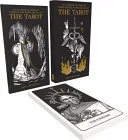
Nina Bunjevac's "An Alchemical Journey Through the Major Arcana of the Tarot" offers a visually arresting and conceptually rigorous re-imagining of familiar tarot archetypes. Bunjevac's signature illustrative style, characterized by its intricate detail and often somber palette, lends itself remarkably well to the transformative processes of alchemy. The true strength of this work lies in its detailed mapping of the Major Arcana onto the four primary alchemical stages: Nigredo, Albedo, Citrinitas, and Rubedo. For example, her interpretation of The Tower, typically a card of sudden destruction, as a representation of the initial, violent dissolution of the Nigredo is particularly potent and insightful. However, the book's dense symbolic language and its assumption of prior knowledge in both tarot and alchemy might present a barrier for newcomers. While the artistic merit is undeniable, the sheer weight of esoteric interpretation could, at times, obscure the raw emotional power of the archetypes for some readers. Bunjevac's integration of alchemical stages provides a structured and compelling new framework for understanding the Major Arcana's unfolding narrative.
📝 Description
78
Nina Bunjevac's 2023 book maps the Major Arcana of the Tarot onto alchemical stages.
An Alchemical Journey Through the Major Arcana of the Tarot presents artist Nina Bunjevac's unique visual interpretations of the 22 Major Arcana cards. Each card is rendered through the lens of alchemy, transforming the traditional archetypal journey into a system aligned with alchemical principles and stages. The book details Bunjevac's creative process and symbolic connections, linking the progression of the Fool to alchemical phases such as Nigredo, Albedo, Citrinitas, and Rubedo.
This work is for readers interested in both tarot and alchemy, especially those who appreciate artistic expression and symbolic depth. It will appeal to students of esoteric traditions, practicing occultists, and artists looking for inspiration within mystical frameworks. Those familiar with Jungian psychology, which often overlaps with alchemical symbolism, will also find connections. The book suits individuals who prefer a visual method for grasping complex esoteric concepts and seek perspectives beyond standard tarot readings.
This book engages with the long history of esoteric thought where alchemy and tarot have been interwoven. Alchemy, with its ancient roots and Renaissance revival, sought transformation through material processes. Tarot, gaining occult significance in the late 19th century with figures like Eliphas Lévi and A.E. Waite, provided a symbolic language for spiritual journeys. Bunjevac's work draws on this lineage, reinterpreting tarot archetypes through the specific, transformative processes of alchemical transmutation.
💡 Why Read This Book?
• Gain a novel interpretive framework by understanding how the 22 Major Arcana cards align with the four alchemical stages (Nigredo, Albedo, Citrinitas, Rubedo), as detailed in the book's central conceit. • Explore the visual language of alchemy through Nina Bunjevac's distinctive artistic interpretations, offering a unique perspective beyond traditional tarot imagery. • Connect the archetypal journey of the Fool with specific alchemical operations and symbolic transformations, enriching your understanding of personal spiritual development.
⭐ Reader Reviews
Honest opinions from readers who have explored this book.
❓ Frequently Asked Questions
What is the primary connection made between the Tarot and alchemy in this book?
The book maps the progression of the 22 Major Arcana cards onto the four primary stages of the alchemical Great Work: Nigredo (dissolution), Albedo (purification), Citrinitas (illumination), and Rubedo (union/completion).
Who is Nina Bunjevac and what is her artistic style?
Nina Bunjevac is a contemporary illustrator known for her detailed, often dark, and symbolically rich artwork. Her style is characterized by intricate linework and a nuanced approach to imagery, which she applies to each Major Arcana card.
Is this book suitable for beginners in Tarot or Alchemy?
While visually stunning, the book assumes a foundational understanding of both tarot symbolism and alchemical principles. Beginners may find it more rewarding after exploring introductory texts on each subject.
What are the four main alchemical stages discussed in relation to the Tarot?
The four stages are Nigredo (blackening, decomposition), Albedo (whitening, purification), Citrinitas (yellowing, dawning of consciousness), and Rubedo (reddening, unification of opposites).
When was An Alchemical Journey Through the Major Arcana of the Tarot first published?
The book was first published on October 10, 2023, placing it within contemporary discussions and artistic explorations of esoteric traditions.
Does the book include a full tarot deck or just interpretations?
The book details and illustrates Nina Bunjevac's alchemically-inspired interpretations of the Major Arcana, serving as a companion to her artistic vision rather than a standalone deck.
🔮 Key Themes & Symbolism
The Alchemical Great Work
This theme centers on the systematic progression of alchemical transformation as a metaphor for spiritual evolution. The book meticulously aligns the 22 Major Arcana cards with the four principal stages of the alchemical process: Nigredo (dissolution), Albedo (purification), Citrinitas (illumination), and Rubedo (union). Each stage represents a profound psychological and spiritual shift, moving from chaos and breakdown to integration and wholeness. Bunjevac uses the visual language of alchemy to reinterpret the archetypal narratives found within the tarot, offering a structured path towards self-understanding and inner transformation.
Archetypal Symbolism in Tarot
The work looks at the inherent symbolic language of the Major Arcana, viewing each card as a universal archetype representing stages of human consciousness and experience. By filtering these archetypes through an alchemical lens, Bunjevac aims to reveal deeper layers of meaning. Concepts like the Fool's journey, the Lovers' choice, or the Hermit's introspection are re-contextualized within the specific operations of alchemical practice, such as calcination, distillation, or conjunction. This approach enriches the traditional understanding of tarot by grounding its archetypes in a more defined, transformative process.
Artistic Interpretation of Esotericism
This theme highlights Nina Bunjevac's role as a contemporary artist translating complex esoteric doctrines into visual form. Her illustrations are not merely decorative but are integral to the interpretive process, embodying the alchemical principles she explores. The book showcases how visual art can serve as a powerful tool for understanding and engaging with mystical traditions. Bunjevac's distinctive style, with its attention to detail and symbolic density, provides a fresh perspective on familiar esoteric imagery, inviting viewers to contemplate the interplay between art, spirituality, and the pursuit of hidden knowledge.
The Journey of Transmutation
Central to the book is the concept of personal transmutation, mirroring the alchemical quest for the Philosopher's Stone. The Major Arcana's narrative arc is presented as a blueprint for this internal process. From the initial stages of confronting the shadow (Nigredo) to achieving a state of inner harmony and spiritual enlightenment (Rubedo), the journey depicted through the cards offers a symbolic roadmap. The book encourages readers to see their own life challenges and transformations as part of this grand alchemical unfolding, making the esoteric accessible through the concrete stages of the Great Work.
💬 Memorable Quotes
Direct passages from the work, attributed to the author.
“The Fool's journey aligns with the stages of the alchemical Great Work.”
— This statement captures the book's core thesis: that the archetypal progression of the Major Arcana can be understood as a symbolic representation of the alchemist's quest for transformation and spiritual completion.
“Each card acts as a stage in the process of dissolution and reintegration.”
— This interpretation suggests that the tarot cards, when viewed through an alchemical lens, represent not just static concepts but dynamic processes of breaking down old structures and reforming them into something new and refined.
“Bunjevac's art embodies the symbolic operations of alchemy.”
— This observation emphasizes the integral role of the illustrations; they are not merely depictions but active participants in conveying the symbolic meaning and transformative power inherent in alchemical symbolism.
💡 Key Ideas
Editorial paraphrase of the work's core concepts — not direct quotes.
Nigredo, Albedo, Citrinitas, Rubedo: The visual narrative of the Major Arcana.
This paraphrase highlights how Bunjevac uses the distinct phases of the alchemical process to structure and interpret the visual storytelling within each Major Arcana card, providing a framework for understanding their sequential meaning.
The Major Arcana offers a map of inner transmutation.
This paraphrase positions the tarot deck as a guide for personal spiritual development, presenting the archetypal journey of the cards as a symbolic pathway towards psychological integration and enlightenment.
🌙 Esoteric Significance
Tradition
This work firmly situates itself within the Western Esoteric Tradition, specifically drawing from Hermeticism and Alchemy. It bridges these two foundational pillars by interpreting the archetypal narratives of the Tarot's Major Arcana through the symbolic language and procedural stages of the alchemical Great Work. Unlike traditions that might focus solely on Kabbalistic or Gnostic interpretations of tarot, Bunjevac prioritizes the transformative, metallurgical, and spiritual processes central to alchemy, offering a unique lens for understanding spiritual progression.
Symbolism
Key symbols from alchemy are central to the book's interpretation. The four primary stages – Nigredo (blackening, putrefaction), Albedo (whitening, purification), Citrinitas (yellowing, dawning of the solar consciousness), and Rubedo (reddening, unification) – are applied to the Major Arcana. For instance, the disintegration and chaos often associated with the Nigredo might be visually represented on cards like The Tower or Death, while the refined purity of the Albedo could be linked to The Star or Temperance. The ultimate union of opposites in the Rubedo is seen as the culmination of the Fool’s journey.
Modern Relevance
Contemporary practitioners of Western Esotericism, tarot readers seeking deeper symbolic frameworks, and artists exploring mystical themes are the primary beneficiaries of Bunjevac's work. It speaks to modern psychological interpretations of alchemy, particularly those influenced by Jung, and appeals to individuals interested in a structured, process-oriented approach to personal development. The book's emphasis on visual interpretation also connects with a broader trend in contemporary spirituality that values aesthetic engagement and symbolic immersion as pathways to understanding.
👥 Who Should Read This Book
• Students of Western Esotericism: Those studying Hermeticism, alchemy, and tarot will find a unique synthesis that offers new perspectives on established symbolic systems. • Tarot Enthusiasts Seeking Depth: Individuals who already work with tarot and wish to explore more complex interpretive layers beyond standard readings will appreciate the alchemical framework. • Artists and Illustrators: Creatives interested in visual symbolism, mythology, and esoteric art will find inspiration in Bunjevac's masterful technique and conceptual approach.
📜 Historical Context
Published in 2023, Nina Bunjevac's "An Alchemical Journey Through the Major Arcana of the Tarot" enters a contemporary landscape where interest in esoteric traditions, including alchemy and tarot, has seen a significant revival. This resurgence is partly fueled by a desire for deeper meaning and alternative spiritual frameworks in a secularizing world. The book builds upon a long lineage of occult interpretations of tarot, notably pioneered in the late 19th and early 20th centuries by figures like Eliphas Lévi and A.E. Waite. Waite's publication of the Rider-Waite deck in 1909, with its richly symbolic imagery, set a standard for occult tarot. Bunjevac’s work can be seen as engaging in dialogue with this tradition, reinterpreting these established archetypes through the specific, often challenging, symbolism of Western alchemy. While Jungian psychology, particularly Carl Jung's own extensive work on alchemy published from the 1930s onwards, has already bridged these two fields, Bunjevac’s artistic approach offers a distinct visual and interpretive contribution.
📔 Journal Prompts
The Nigredo stage as depicted on The Tower card: what personal 'dissolutions' does this evoke?
Reflect on the Albedo's symbolism in relation to The Star card's imagery.
How does the Fool's initial leap embody the start of an alchemical process?
Consider the Citrinitas phase in the context of The Sun card's illumination.
Map the Rubedo concept onto the final Major Arcana cards: The World and The Fool.
🗂️ Glossary
Nigredo
The first stage of the alchemical Great Work, often symbolized by blackness, putrefaction, and dissolution. It represents the breakdown of the original substance, confronting chaos and the shadow self.
Albedo
The second stage of alchemy, known as the 'whitening.' It follows Nigredo and signifies purification, washing away impurities, and the emergence of a refined, luminous state.
Citrinitas
The 'yellowing' stage in alchemy, sometimes considered a phase within or bridging Albedo and Rubedo. It is associated with the dawning of the solar consciousness and illumination.
Rubedo
The final stage of the alchemical Great Work, the 'reddening.' It represents the completion of the process, the unification of opposites, and the attainment of the Philosopher's Stone or spiritual perfection.
Great Work
The alchemical term for the entire process of transmutation, both material and spiritual, aimed at achieving perfection or the Philosopher's Stone. In this context, it refers to the spiritual journey mirrored in the Major Arcana.
Major Arcana
The set of 22 trump cards in a standard tarot deck, representing significant life lessons, archetypal energies, and spiritual milestones in the Fool's journey.
Hermeticism
An ancient spiritual, philosophical, and esoteric tradition based primarily upon the writings attributed to Hermes Trismegistus. It emphasizes principles like 'As above, so below' and the interconnectedness of all things.