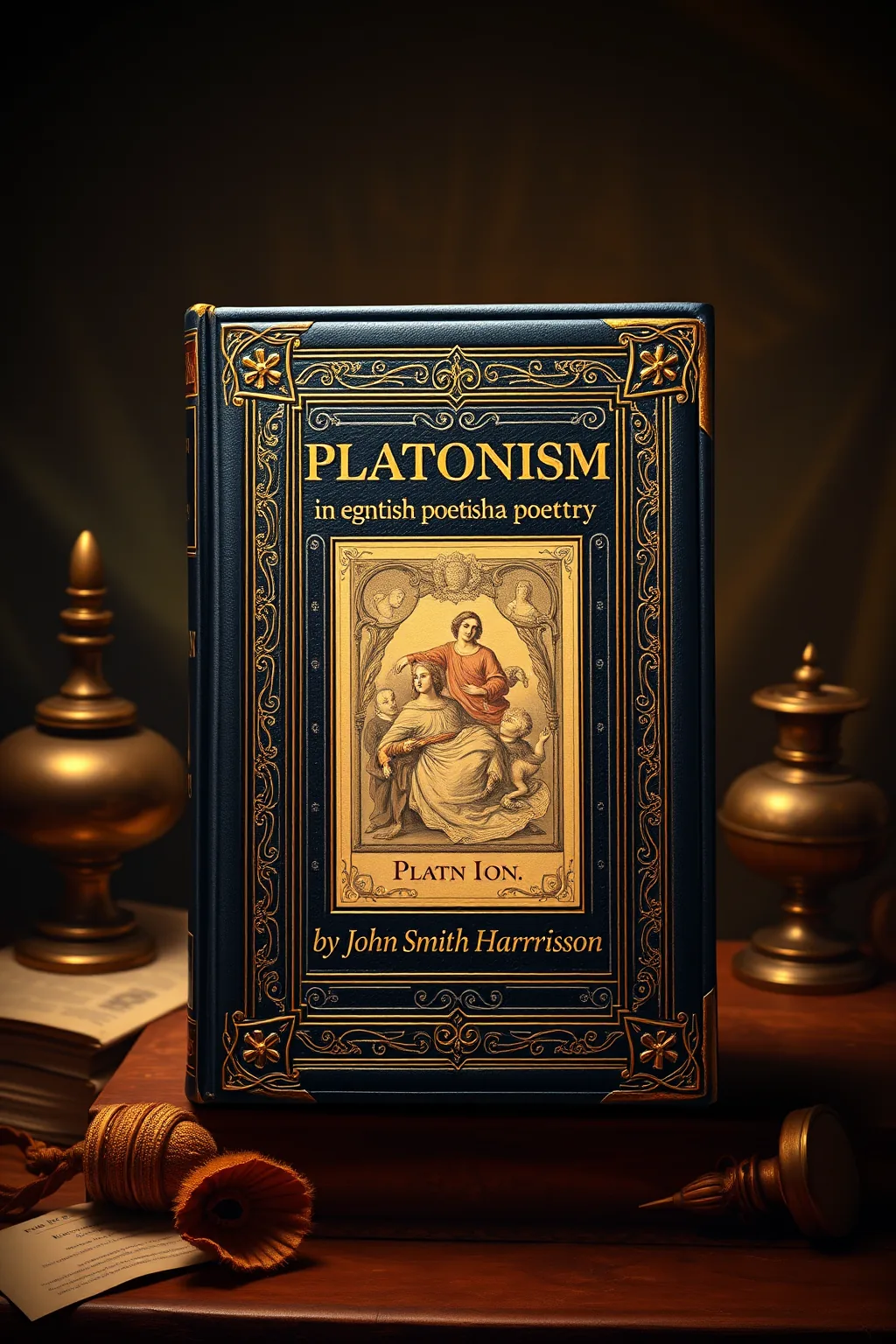
Platonism in English poetry of the sixteenth and seventeenth centuries
 63
63

Platonism in English poetry of the sixteenth and seventeenth centuries



In 'Platonism in English Poetry of the Sixteenth and Seventeenth Centuries,' John Smith Harrison masterfully weaves together the strands of Platonic thought and English poetry, creating a tapestry that is as enchanting as it is intellectually stimulating. Harrison's esoteric insights are a beacon for those seeking to understand the deeper, mystical dimensions of Renaissance literature. This book is a must-read for scholars of alchemy and hermeticism, as well as for spiritual seekers who wish to explore the hidden symbolism within classical poetry. Harrison's authoritative tone and thorough research make this work an indispensable addition to any metaphysical library.
📝 Description
63
John Smith Harrison's 1998 study examines Platonism's presence in 16th and 17th-century English verse.
This book investigates the influence of Platonic philosophy on English poetry written between the 1500s and 1600s. John Smith Harrison details how concepts from Plato, such as the theory of Forms and the soul's immortality, appear in the works of major poets. The study focuses on the symbolic language and mystical interpretations that Renaissance poets employed, linking them directly to Platonic thought.
Harrison's research highlights specific poets and their poems, demonstrating a clear connection between their creative output and esoteric traditions rooted in ancient Greece. It is a scholarly examination of how philosophical ideas shape literary expression, revealing a layer of meaning often overlooked. The book serves as a guide to understanding the deeper currents within Renaissance English poetry.
This work situates Renaissance English poetry within a long-standing esoteric tradition stretching back to ancient Greek philosophy. It shows how Platonic ideas, particularly those concerning the immaterial world and the ascent of the soul, were not just academic concepts but actively shaped mystical and poetic expression. The book traces how these ideas filtered through various schools of thought, including Neoplatonism, and found a fertile ground in the poetry of the period, contributing to a worldview where art and spiritual inquiry were closely allied.
💡 Why Read This Book?
Read this book to uncover the esoteric roots of English poetry. Ideal for seekers of hidden knowledge, scholars of literature, and practitioners of mystical arts, 'Platonism in English Poetry of the Sixteenth and Seventeenth Centuries' offers a profound exploration of Platonic influences in Renaissance verse. Harrison's meticulous analysis provides a unique perspective on the philosophical significance of these poems, making it an essential read for anyone interested in the intersection of poetry and esoteric wisdom.
⭐ Reader Reviews
Honest opinions from readers who have explored this book.
❓ Frequently Asked Questions
What is the primary focus of this book?
The primary focus is the influence of Platonic thought on English poetry during the sixteenth and seventeenth centuries.
Who is the intended audience?
The intended audience includes scholars of literature, seekers of esoteric knowledge, and practitioners of mystical arts.
How does this book contribute to the study of alchemy and hermeticism?
It reveals the hidden symbolism and esoteric themes in Renaissance poetry, connecting them to Platonic philosophy.
Are there any specific poets discussed in the book?
Yes, the book analyzes the works of various Renaissance poets, highlighting the Platonic influences in their verses.
Is this book suitable for beginners in esoteric studies?
While it is accessible, it is best suited for those with some background in literature and esoteric philosophy.
🔮 Key Themes & Symbolism
Platonic Influences
Harrison explores the lasting impact of Platonic thought on English poetry, revealing how ancient wisdom shaped the verses of the Renaissance. This theme is crucial for understanding the esoteric underpinnings of literature from this era, offering a deeper appreciation for the mystical dimensions of poetry.
Esoteric Symbolism
The book unravels the hidden symbols and allegories in Renaissance poetry, connecting them to Platonic philosophy. This theme is essential for those seeking to uncover the esoteric meanings behind classical literature, providing a collection of mystical insights.
Philosophical Significance
Harrison's analysis highlights the philosophical significance of Platonic influences in English poetry, offering readers a unique perspective on the eternal quest for hidden knowledge. This theme is vital for scholars and seekers of esoteric truths, as it reveals the profound connections between poetry and philosophy.
💬 Memorable Quotes
Direct passages from the work, attributed to the author.
“Platonic ideals permeate the literary field of the Renaissance.”
— Harrison emphasizes the deep influence of Platonic thought on Renaissance literature.
“Symbolism in poetry is a gateway to the divine mysteries.”
— Harrison's insights into the symbolic language of poetry are a beacon for seekers of hidden truths.
💡 Key Ideas
Editorial paraphrase of the work's core concepts — not direct quotes.
The soul, in its quest for divine truth, finds echoes in the verses of the poets.
This passage underscores the mystical connection between the soul and poetry.
The hidden knowledge within poetry reveals the eternal struggle for enlightenment.
This quote highlights the esoteric dimensions of poetry and its role in spiritual seeking.
The poetry of the Renaissance is a proof of the enduring power of Platonic wisdom.
This passage celebrates the timeless relevance of Platonic philosophy in literature.
🌙 Esoteric Significance
Tradition
This book belongs to the Hermetic tradition, which seeks to uncover the hidden knowledge and mystical dimensions of literature. It explores the esoteric influences of Platonic thought on English poetry, revealing the profound connections between ancient wisdom and Renaissance verse.
Symbolism
Key symbols in the book include the soul's quest for divine truth, the allegorical use of poetry, and the Platonic ideals that permeate Renaissance literature. These symbols are essential for understanding the esoteric meanings behind classical poetry and its role in spiritual seeking.
Modern Relevance
This book matters today because it provides a unique perspective on the enduring power of Platonic philosophy in literature. Modern practitioners of mystical arts and seekers of esoteric knowledge can use it to deepen their understanding of the hidden dimensions of poetry, making it a valuable resource for contemporary spiritual exploration.
👥 Who Should Read This Book
Beginners in esoteric studies will find this book accessible and enlightening, as it introduces them to the mystical dimensions of literature. Scholars of literature and philosophy will appreciate Harrison's thorough research and authoritative tone. Spiritual seekers will be drawn to the book's exploration of the soul's quest for divine truth, while practitioners of mystical arts will benefit from its insights into the hidden symbolism within poetry.
📜 Historical Context
The sixteenth and seventeenth centuries were a time of profound intellectual and spiritual ferment, marked by the Renaissance's rediscovery of classical wisdom. John Smith Harrison's 'Platonism in English Poetry of the Sixteenth and Seventeenth Centuries' sheds light on the era's fascination with Platonic thought, revealing how this ancient philosophy shaped the poetry of the time. This book was important when written because it provided a scholarly exploration of the esoteric influences on literature, contributing to the broader understanding of the Renaissance's mystical underpinnings. Its influence can be seen in subsequent studies of literature and esotericism, making it a foundational work in the field.
📔 Journal Prompts
How does Platonic thought influence your understanding of Renaissance poetry?
What are the key symbols in the poetry of the Renaissance, and how do they relate to esoteric wisdom?
In what ways does the soul's quest for divine truth manifest in literature?
How can the study of Platonic influences in poetry deepen your spiritual practice?
Reflect on the enduring power of Platonic philosophy in contemporary literature and spiritual seeking.
🗂️ Glossary
Platonic Influences
The impact of Plato's philosophical ideas on literature and thought.
Esoteric Symbolism
Hidden symbols and allegories in literature that reveal mystical truths.
Philosophical Significance
The deep meaning and relevance of philosophical ideas in literature.
Renaissance
A period of intellectual and artistic revival in Europe, marked by a rediscovery of classical wisdom.
Hermetic Tradition
A mystical and esoteric tradition that seeks to uncover hidden knowledge and spiritual truths.
This book appears in 4 collections
🔮 Readers Also Liked
Browse all →






More by John Smith Harrison
All books →

From the “Neoplatonism” Collection
View all →





More Free Alchemy & Hermeticism Books
View all →