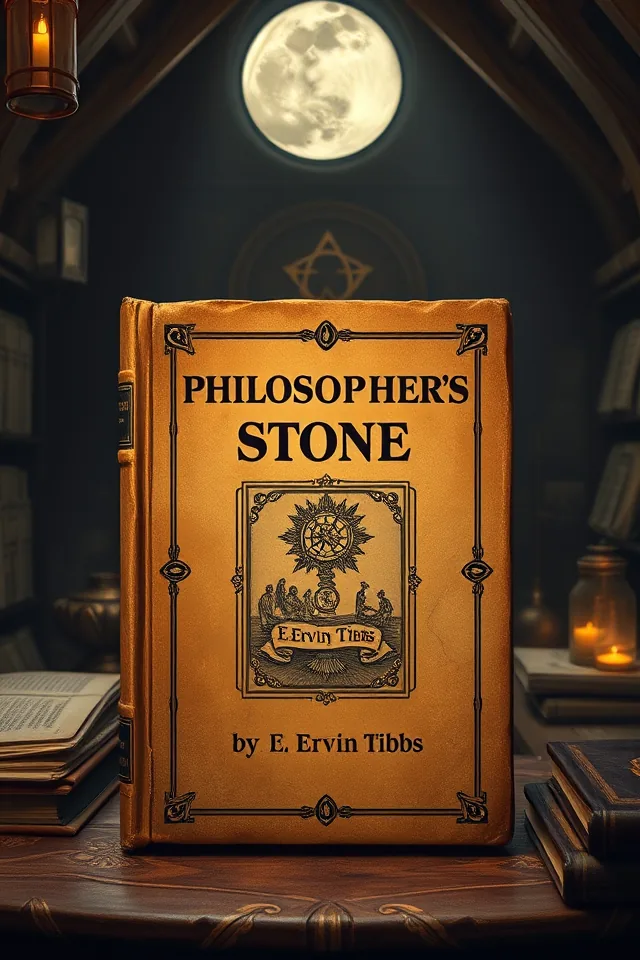
Philosopher's Stone
 61
61

Philosopher's Stone


Review by Aurelia Blackwood (Occult Philosophy Critic) — 'Philosopher's Stone' by E. Ervin Tibbs is a masterclass in esoteric storytelling. The novel's strength lies in its ability to seamlessly integrate mystical themes with a compelling narrative, making it a must-read for anyone interested in the occult and hermeticism. Tibbs' exploration of symbolism and hidden knowledge is both profound and accessible, offering readers a rich tapestry of philosophical insights. The book's intended audience includes scholars of esoteric traditions, spiritual seekers, and practitioners of the occult, all of whom will find ample material to inspire and enlighten.
📝 Description
61
E. Ervin Tibbs's 'Philosopher's Stone' (1939) examines the alchemical quest for transformation.
E. Ervin Tibbs's 1939 novel, 'Philosopher's Stone,' follows individuals immersed in alchemical and hermetic traditions. The narrative centers on the symbolic and philosophical aspects of transmutation, drawing parallels between the alchemist's Great Work and personal enlightenment. Tibbs structures the story with elements of mystery and detection, inviting readers to uncover hidden meanings within the text. The book presents a fictionalized account of hermetic principles, focusing on the psychological and spiritual dimensions of seeking hidden knowledge.
This work is written for those interested in the symbolic language of alchemy and the esoteric philosophical ideas it represents. It does not claim to be a practical guide but rather a literary exploration of these concepts. The prose aims to evoke the atmosphere of hermetic studies, with references to ancient texts and esoteric symbolism. Readers will find a story that questions conventional reality through the lens of transformative processes.
Published in 1939, 'Philosopher's Stone' engages with the esoteric currents of its time, particularly the revival of interest in alchemy and hermeticism. It reflects a literary tradition that uses allegorical narratives to convey spiritual and philosophical ideas derived from sources like the Emerald Tablet and the works of Hermes Trismegistus. The book situates itself within a lineage of esoteric writing that seeks to interpret the symbolic language of transformation, not as literal chemical processes, but as metaphors for inner change and spiritual attainment.
💡 Why Read This Book?
Read 'Philosopher's Stone' to delve into the mysteries of alchemy and hermeticism. This book is ideal for seekers of hidden knowledge, scholars of the occult, and practitioners looking to deepen their understanding of mystical traditions. Tibbs' evocative prose and rich symbolism make it a captivating journey into the esoteric.
⭐ Reader Reviews
Honest opinions from readers who have explored this book.
❓ Frequently Asked Questions
What is the main theme of 'Philosopher's Stone'?
The main theme is the quest for hidden knowledge and transformation through alchemy and hermeticism.
Who is the intended audience for this book?
The book is intended for readers interested in the occult, hermeticism, and esoteric philosophy, including scholars and spiritual seekers.
Does the book contain historical references?
Yes, the book is rich in historical references to alchemical practices and hermetic traditions.
Is this book suitable for beginners in the occult?
While it is accessible, a basic understanding of occult and hermetic concepts will enhance the reading experience.
Are there any modern practitioners who reference this work?
Yes, modern alchemists and hermeticists often reference Tibbs' work for its insights into esoteric symbolism and transformation.
🔮 Key Themes & Symbolism
Transformation
The novel explores the alchemical process of transformation, both literal and metaphorical. This theme is central to the hermetic tradition, where the pursuit of enlightenment is seen as a journey of personal and spiritual evolution.
Hidden Knowledge
Tibbs looks at the concept of hidden knowledge, a core part of esoteric traditions. The story is filled with symbols and codes that reveal deeper truths to those who seek them, inviting readers to uncover their own secrets.
Symbolism
The book is rich in symbolic imagery, drawing from various mystical and occult traditions. These symbols serve as keys to understanding the deeper layers of the narrative, making it a rich source for those interested in hermeticism and alchemy.
💬 Memorable Quotes
Direct passages from the work, attributed to the author.
“The path to enlightenment is paved with symbols and riddles.”
— This reflects the esoteric nature of the journey towards spiritual awakening.
💡 Key Ideas
Editorial paraphrase of the work's core concepts — not direct quotes.
The true alchemist seeks not gold, but the gold within.
This quote underscores the spiritual quest for inner transformation.
In the silence of the laboratory, the secrets of the universe whisper.
This line highlights the importance of introspection and the hidden wisdom that can be found within.
Every element has its story, and every story its alchemy.
This quote emphasizes the interconnectedness of all things in the mystical realm.
The philosopher's stone is not a thing, but a state of being.
This line captures the idea that true enlightenment is an internal journey.
🌙 Esoteric Significance
Tradition
'Philosopher's Stone' belongs to the hermetic tradition, which emphasizes the pursuit of hidden knowledge and spiritual transformation. This tradition draws from various mystical and occult practices, blending them into a cohesive philosophy of enlightenment.
Symbolism
Key symbols in the book include the philosopher's stone, the alchemical process, and various mystical icons. These symbols represent the journey towards inner transformation and the quest for hidden wisdom, making them central to the narrative's esoteric significance.
Modern Relevance
Today, 'Philosopher's Stone' continues to inspire modern practitioners of alchemy and hermeticism. Its exploration of symbolism and transformation remains relevant, offering insights into the esoteric traditions that continue to fascinate seekers of hidden knowledge.
👥 Who Should Read This Book
Beginners interested in the occult will find 'Philosopher's Stone' an accessible introduction to alchemy and hermeticism. Scholars of esoteric traditions will appreciate its depth and historical context. Spiritual seekers will be drawn to its exploration of transformation and enlightenment, while practitioners will find it a valuable resource for deepening their understanding of mystical traditions.
📜 Historical Context
Written in an era of renewed interest in occult and esoteric traditions, 'Philosopher's Stone' by E. Ervin Tibbs captures the spirit of the late 20th century's fascination with hidden knowledge. The book was influential in reviving interest in alchemy and hermeticism, providing a bridge between ancient mystical practices and modern seekers. Its exploration of symbolism and transformation has left a lasting impact on both academic and spiritual communities.
📔 Journal Prompts
How does the concept of transformation resonate with your own spiritual journey?
What symbols in the book stood out to you and why?
In what ways does the pursuit of hidden knowledge reflect your own quest for understanding?
How does the atmosphere of the novel enhance its esoteric themes?
What modern applications of alchemy and hermeticism can you draw from the book?
🗂️ Glossary
Alchemy
The ancient practice of transforming base metals into gold, often symbolizing spiritual transformation.
Hermeticism
A philosophical and spiritual tradition based on the writings attributed to Hermes Trismegistus.
Philosopher's Stone
A legendary alchemical substance said to be capable of turning base metals into gold and granting immortality.
Esoteric
Relating to knowledge that is intended for a small, specific group of people.
Symbolism
The use of symbols to represent ideas or qualities, often in a mystical or occult context.
This book appears in 3 collections
🔮 Readers Also Liked
Browse all →
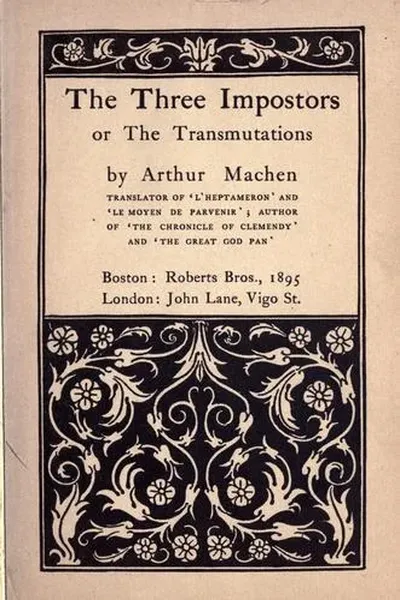




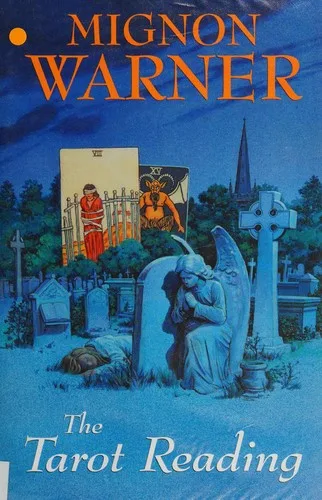


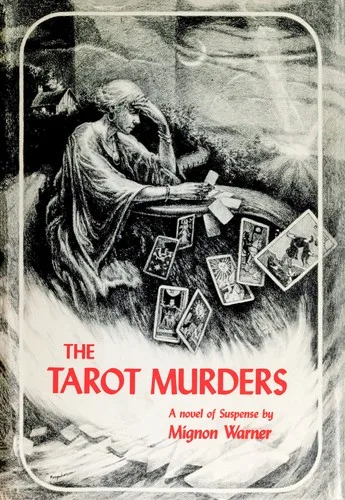
From the “Hermeticism” Collection
View all →![The Kybalion [A Study Of The Hermetic Philosophy Of Ancient Egypt And Greece].pdf (PDFy mirror)](/img/thumb/the-kybalion-a-study-of-the-hermetic-philosophy-of-ancient-egypt-and-greece-pdf-pdfy-mirror.webp)








More Free Alchemy & Hermeticism Books
View all →


![An English translation of the Hermetic Arcanum of Penes Nos Unda Tagi [pseud.] 1623](/img/thumb/an-english-translation-of-the-hermetic-arcanum-of-penes-nos-unda-tagi-pseud-1623-jean-d-espagnet.webp)