Pet Sematary

 78
78

Pet Sematary
King’s 1983 novel, *Pet Sematary*, confronts the reader with a raw, unflinching portrayal of grief’s destructive potential. The chilling effectiveness of the novel lies not in jump scares, but in its relentless descent into despair, particularly evident in the depiction of Louis Creed’s spiraling obsession after the death of his son, Gage. The mi’kmaq burial ground, a locus of ancient, malevolent power, serves as a potent metaphor for the seductive but ultimately ruinous nature of denying loss. While the novel excels in its psychological horror and grim atmosphere, the pacing in its latter half occasionally falters, with some narrative threads feeling less tightly wound than the central tragedy. Nevertheless, the exploration of the unnatural resurrection of children, a deeply disturbing motif, remains a powerful and unsettling element that lingers long after the final page. It’s a grim, potent examination of the cost of cheating death.
📝 Description
78
Stephen King's 1983 novel, Pet Sematary, confronts the primal fear of loss and the cost of defying death.
Pet Sematary examines the Creed family's desperate attempt to overcome grief after a tragic accident. Their discovery of an ancient burial ground, rumored to possess the power to bring back the dead, leads them down a path of escalating horror. The resurrected are not as they once were, twisted by a malevolent influence. This narrative is more than a simple ghost story; it is a deep dive into the human psyche, exploring the terrifying consequences of tampering with natural order and the inescapable weight of mortality.
The novel focuses on the psychological impact of trauma and the lengths to which people will go when faced with unbearable loss. It questions the nature of life, death, and what truly lies beyond. King uses the unsettling premise to dissect the darkness that can fester beneath the surface of ordinary life, particularly within the seemingly peaceful setting of a small town.
The novel draws on the concept of the 'sourland,' an ancient Mi'kmaq burial ground with the power to resurrect the deceased. This taps into themes of ancient burial rites and the violation of sacred spaces, suggesting that certain places hold a power that should not be disturbed. It touches on folklore traditions regarding death and the afterlife, and the idea that attempts to circumvent natural processes can invite malevolent forces. The resurrected figures are not merely reanimated bodies but corrupted entities, reflecting a darker interpretation of resurrection found in some occult traditions.
💡 Why Read This Book?
• Understand the esoteric implications of ancient burial sites, as depicted by the Mi'kmaq burial ground, and how violating such places can unleash unforeseen, malevolent forces, a concept explored extensively in folk magic traditions. • Experience King's masterful depiction of grief's psychological impact, particularly Louis Creed's desperate actions following the accidental death of his son Gage in 1983, offering a stark look at the human psyche under extreme duress. • Contemplate the symbolic meaning of the "sourland" and its power to resurrect, forcing a confrontation with the unnatural consequences of defying mortality, a theme with parallels in various occult philosophies concerning the natural cycles of life and death.
⭐ Reader Reviews
Honest opinions from readers who have explored this book.
❓ Frequently Asked Questions
What is the significance of the Pet Sematary itself in Stephen King's novel?
The 'Pet Sematary' is a makeshift graveyard created by local children for their deceased pets. It serves as a precursor to the more ancient, sinister burial ground nearby, symbolizing the innocence that precedes the deeper, darker supernatural elements of the story.
What is the origin of the supernatural power in Stephen King's Pet Sematary?
The power originates from an ancient Mi'kmaq burial ground located beyond the "sourland." Local legend suggests this ground possesses the ability to bring the dead back to life, though with devastating and unnatural alterations.
Who are the main characters in Pet Sematary?
The central family is the Creed family: Dr. Louis Creed, his wife Rachel, their daughter Ellie, and their infant son Gage. Other significant characters include Jud Crandall, the Creeds' elderly neighbor, and Pascow, a patient of Louis's.
What is the 'sourland' in Pet Sematary?
The 'sourland' refers to the area surrounding the ancient Mi'kmaq burial ground. It is described as a place with a palpable, oppressive atmosphere, suggesting it is a nexus of dark spiritual energy and a violation of natural order.
What year was Stephen King's Pet Sematary published?
Stephen King's novel *Pet Sematary* was first published in 1983, a period of significant output and genre solidification for the author.
Does the book Pet Sematary explore themes beyond simple horror?
Yes, *Pet Sematary* deeply explores themes of grief, loss, the denial of death, the desperate desire to reunite with loved ones, and the terrifying consequences of attempting to subvert natural laws.
🔮 Key Themes & Symbolism
The Desperate Defiance of Death
The novel relentlessly examines the human impulse to cheat death, particularly motivated by overwhelming grief. Louis Creed's repeated attempts to resurrect his son Gage, and later his wife Rachel, stem from an inability to accept loss. This defiance taps into primal fears and the occult concept that tampering with the natural order of life and death carries an inevitable, horrific price. The Mi'kmaq burial ground becomes a locus of this forbidden power, a place where the boundaries between worlds blur with devastating results.
Grief as a Corrupting Force
King portrays grief not as a passive state but as an active, potentially corrupting force. The loss of Ellie and Gage transforms Louis into a figure driven by obsession, his love warped into a destructive need to undo what has happened. The resurrected characters, particularly Gage, are not the same; they are hollowed-out shells, reflecting how unchecked grief can pervert memory and love into something monstrous and unrecognizable, akin to necromantic practices that animate the dead without restoring their soul.
Sacred Spaces and Ancient Powers
The Mi'kmaq burial ground is presented as an ancient, sacred site imbued with a powerful, malevolent sentience. Its isolation and the local folklore surrounding it hint at indigenous spiritual practices and warnings against disturbing the dead. The narrative suggests that this power is primal and indifferent to human suffering, offering a dark mirror to various earth-spirit traditions or chthonic deities that demand respect and can exact terrible retribution when desecrated.
The Unnaturalness of Resurrection
A central theme is the profound wrongness of resurrection. Those brought back by the burial ground are fundamentally altered – their eyes are dead, their personalities warped, driven by an alien malevolence. This concept challenges notions of an afterlife or spiritual continuity, suggesting that some things are inherently meant to cease. The novel forces a contemplation of what truly constitutes life and identity, and how artificial revivification strips away the essence of a person, leaving only a grotesque imitation.
💬 Memorable Quotes
Direct passages from the work, attributed to the author.
““Sometimes, dead is better.””
— This stark utterance, spoken by Jud Crandall, expresses the novel's grim thesis. It suggests that the natural state of death, however painful, is preferable to the unnatural, corrupted existence that follows an attempt to reverse it, particularly when the resurrected are no longer truly themselves.
““The barrier between life and death is not as solid as people think.””
— This interpretation of the burial ground's power suggests a permeable veil between the living and the dead. It speaks to the occult idea that under certain conditions or in specific locations, this barrier can be breached, leading to dangerous crossings.
““He was dead, and in the grave. And then he was not dead.””
— This simple, declarative statement underscores the horrific violation of natural law. The immediate transition from definitive death to an unnatural 'not dead' state emphasizes the abruptness and wrongness of the resurrection, devoid of any spiritual or natural process.
““Don’t go down there, Louis. It’s a bad place.””
— This warning, echoed by Jud and Pascow, represents the collective unease and ancient knowledge about the burial ground. It functions as a classic motif in folklore and occult tales: the forbidden place where dire consequences await those who ignore the warnings.
💡 Key Ideas
Editorial paraphrase of the work's core concepts — not direct quotes.
“The Indian burial ground was in the sourland, and the sourland was in the Indian burial ground.”
This passage highlights the intrinsic connection between the location and its sinister power. The 'sourland' isn't just a place; it's a description of the corrupted essence emanating from the burial ground, suggesting a spiritual pollution that infects the very earth.
🌙 Esoteric Significance
Tradition
While not explicitly aligned with a single esoteric lineage, *Pet Sematary* draws heavily on themes found in animistic and chthonic traditions, particularly those concerning earth spirits and the sanctity of burial grounds. It echoes folk beliefs about places imbued with ancient, often vengeful, power that demand respect. The narrative’s exploration of resurrection through a corrupted natural site aligns with cautionary tales found in various occult traditions that warn against interfering with the natural cycles of life and death.
Symbolism
The Mi'kmaq burial ground symbolizes a nexus of primal, untamed spiritual energy, a place where the veil between worlds is thin. Its power to resurrect represents the dangerous allure of denying mortality and the perversion of life when natural laws are violated. The "sourland" itself symbolizes the spiritual decay and corruption that emanates from this desecrated space, infecting everything it touches and mirroring the internal corruption of those who exploit its power.
Modern Relevance
Contemporary explorations of folk horror, dark fantasy, and psychological thrillers often echo the themes found in *Pet Sematary*. Thinkers and practitioners interested in the spiritual ecology of place, the psychological impact of trauma, and the darker aspects of ancestor veneration might find parallels. The novel’s stark depiction of grief's destructive path also continues to resonate in discussions surrounding mental health and the profound, sometimes terrifying, ways humans cope with loss.
👥 Who Should Read This Book
• Students of comparative mythology and folklore interested in the dark side of burial rites and the concept of sacred, yet dangerous, locations. • Readers of psychological horror who appreciate narratives that explore grief, trauma, and the human capacity for self-destruction when confronted with overwhelming loss. • Practitioners of occult studies seeking to examine fictional portrayals of necromancy and the potent, often malevolent, forces that can be awakened by disrespecting ancient spiritual sites.
📜 Historical Context
Published in 1983, *Pet Sematary* arrived during a fertile period for horror literature, with Stephen King himself a dominant force. The novel’s unflinching grimness and exploration of profound grief set it apart from lighter fare, though it resonated with a public increasingly interested in the darker aspects of the human psyche. While King’s work often touched upon anxieties of suburban life, this novel leaned into ancient folklore and the terrifying implications of necromancy. It emerged in a cultural landscape where authors like Peter Straub were also exploring psychological horror and the supernatural. The book’s reception was strong, but its bleak outlook and graphic content solidified King’s reputation for pushing boundaries, differentiating him from contemporaries who might have offered more cathartic resolutions.
📔 Journal Prompts
The Mi'kmaq burial ground's power and the "sourland" it creates.
Louis Creed's motivations for defying death after Gage's accident.
The altered nature of the resurrected individuals in the novel.
Jud Crandall's warnings about the burial ground and their significance.
Rachel Creed's phobia of death and its connection to her past.
🗂️ Glossary
Mi'kmaq burial ground
An ancient, sacred site associated with the indigenous Mi'kmaq people, believed in the novel to possess a sinister power to resurrect the dead unnaturally.
Sourland
A term used to describe the oppressive, corrupted atmosphere and spiritual decay emanating from the ancient burial ground, symbolizing its malevolent influence.
Necromancy
A type of magic focused on the practice of communicating with or raising the dead, often associated with dark or forbidden arts.
Grief
Intense sorrow, especially caused by someone's death. In the novel, it is depicted as a powerful, potentially destructive force that can lead to desperate, unnatural actions.
Pascow
The ghost of a patient of Dr. Louis Creed who appears to warn him away from the burial ground, representing an early voice of caution against its dark influence.
Jud Crandall
The elderly neighbor of the Creed family who possesses knowledge of the burial ground's history and its terrible power, serving as a reluctant mentor and cautionary figure.
Gage Creed
The young son of the Creed family whose accidental death and subsequent unnatural resurrection forms the central tragedy and driving force of the novel's plot.
🔮 Readers Also Liked
Browse all →









More by Stephen King
All books →
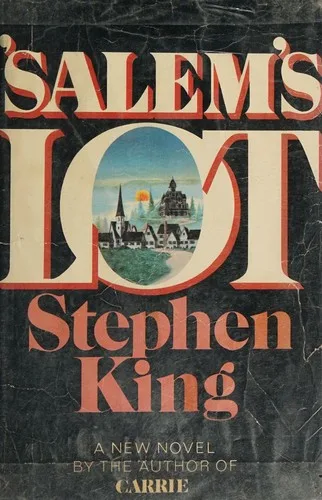
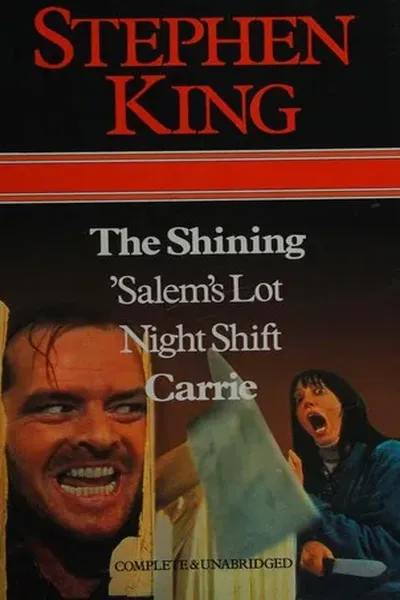

More Free Occult Philosophy Books
View all →