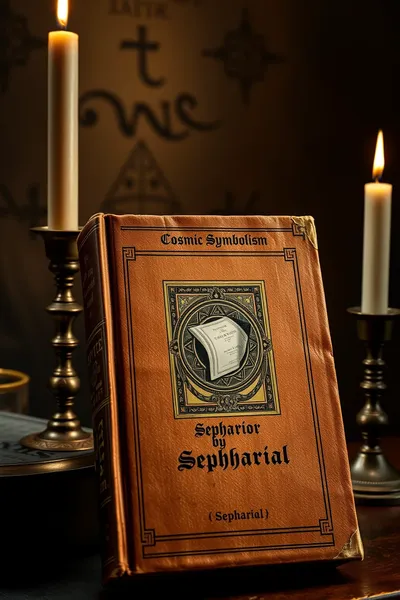
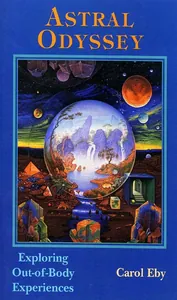
Astral odyssey

 72
72

Astral odyssey
Carol Eby's Astral Odyssey offers a structured approach to a subject often mired in vagueness. The strength of the work lies in its methodical breakdown of astral projection, presenting it not as a mere mystical whim but as a discipline requiring preparation and understanding. Eby's discussion of the "silver cord" is particularly lucid, explaining its energetic function in maintaining the connection between the physical and astral bodies. However, the book occasionally leans into the arcane jargon of its subject matter without sufficient definition for the uninitiated, making certain passages dense. The chapter detailing the "astral bestiary" feels somewhat dated, reflecting early 20th-century spiritualist classifications rather than evolving contemporary views. Despite these limitations, Astral Odyssey provides a valuable, if sometimes challenging, manual for serious practitioners.
📝 Description
72
Carol Eby's 2002 book, Astral Odyssey, examines the astral plane and out-of-body experiences.
Astral Odyssey details methods and experiences connected to astral projection and consciousness projection. The book addresses the nature of non-physical realities and draws from occult and spiritualist traditions. It is written for those seriously interested in astral travel, including practitioners of esoteric arts and students of consciousness. Readers will benefit from a basic understanding of meditation and inner visualization.
The work was published in 2002, a period that saw renewed interest in consciousness exploration and esoteric practices. Eby builds upon earlier work by figures such as Helena Blavatsky and Robert Monroe, but she provides a modern viewpoint on astral travel techniques and their meaning. The book covers the mechanics of astral projection, categorizes astral entities and places, and discusses the energetic preparations needed for safe travel.
Astral Odyssey is situated within the spiritualist and occult traditions that have long explored non-physical dimensions. It connects to ideas about the soul's separation from the body, a concept found in ancient Egyptian texts, Neoplatonism, and later occult revival movements. The book follows in the footsteps of figures like Robert Monroe, who popularized out-of-body experiences in the 20th century, and Helena Blavatsky, whose theosophical writings addressed subtle bodies and planes of existence. Eby's work contributes to this lineage by offering practical instruction and contemporary interpretation.
💡 Why Read This Book?
• Understand the mechanics of astral projection, including the energetic function of the "silver cord," a concept detailed in Chapter 3, offering practical knowledge beyond speculative theory. • Gain insight into the perceived dangers and ethical considerations of astral journeys, drawing from Eby's analysis of the "astral bestiary" to navigate non-physical realms more safely. • Explore the potential for spiritual growth through consciousness projection, as presented through Eby's framework, encouraging a disciplined approach to expanded awareness.
⭐ Reader Reviews
Honest opinions from readers who have explored this book.
❓ Frequently Asked Questions
What is the primary focus of Carol Eby's Astral Odyssey?
Astral Odyssey primarily focuses on the practice and theory of astral projection, detailing methods for out-of-body experiences and exploring the nature of the astral plane as a distinct realm of consciousness.
When was Astral Odyssey first published?
Astral Odyssey was first published in 2002, placing it within a period of renewed interest in consciousness studies and esoteric practices.
Does the book discuss the dangers of astral projection?
Yes, the book addresses potential dangers and ethical considerations associated with astral journeys, offering guidance on preparation and awareness to mitigate risks.
What kind of reader would benefit most from Astral Odyssey?
Individuals with a serious interest in astral projection, practitioners of esoteric arts, and students of consciousness seeking a structured guide to non-physical exploration will find the book most beneficial.
Are there specific techniques taught in the book?
The book details methods and energetic preparations for astral projection, aiming to equip readers with practical knowledge for engaging with the astral plane.
How does Astral Odyssey relate to earlier works on the subject?
While building on established concepts from figures like Robert Monroe, Eby's work offers a contemporary perspective and a structured approach to astral travel techniques and their interpretation.
🔮 Key Themes & Symbolism
The Mechanics of Projection
Astral Odyssey meticulously outlines the procedural aspects of astral projection, moving beyond mere theory to practical instruction. The text emphasizes the importance of specific mental states, energetic preparation, and visualization techniques. It explores concepts such as the "silver cord" as a vital energetic link, detailing its function in maintaining cohesion between the physical body and the projected consciousness, thereby offering a framework for understanding the perceived safety and stability of the astral traveler.
Working through the Astral Realms
The book categorizes and describes various strata and denizens of the astral plane, often referred to as the "astral bestiary." This section provides readers with a conceptual map of the non-physical environments they might encounter during out-of-body experiences. Eby discusses different levels of reality within the astral plane, from lower, more chaotic vibrations to higher, more refined spiritual dimensions, guiding the practitioner on discerning the nature of their surroundings and encounters.
Consciousness and Energetic Bodies
A core theme is the relationship between consciousness and the subtle energetic bodies, particularly the astral body. Astral Odyssey posits that this body is the vehicle for consciousness during projection. The work examines how to strengthen and control this vehicle, emphasizing the role of intention and focused will. It frames astral travel not just as an experience but as a means of expanding awareness and understanding the multi-dimensional nature of existence.
Ethical and Spiritual Considerations
Beyond the mechanics, Eby addresses the ethical responsibilities inherent in astral projection. The book explores the potential for misuse of astral abilities and stresses the importance of maintaining a high moral and energetic standard. It frames astral travel as a path for spiritual development, where experiences can lead to profound personal insights and a deeper connection to universal principles, encouraging a disciplined and respectful approach to exploration.
💬 Memorable Quotes
Direct passages from the work, attributed to the author.
“The silver cord is the vital link that anchors the consciousness to the physical form.”
— This statement highlights the crucial role of the energetic connection, often described as a silver cord, in maintaining the integrity of the individual during astral projection. It emphasizes that this link is essential for a safe return and continued existence.
“Preparation is paramount; the unprepared traveler courts chaos.”
— This conveys the necessity of mental, emotional, and energetic readiness before attempting astral projection. It suggests that a lack of proper preparation can lead to uncontrolled or negative experiences on the astral plane.
“Discernment is the traveler's greatest tool in the astral bestiary.”
— This emphasizes the importance of critical judgment and awareness when encountering various entities or phenomena on the astral plane. It advises caution and the ability to distinguish between different types of astral beings and influences.
“The astral plane is not merely a dreamscape, but a tangible reality with its own laws.”
— This interpretation positions the astral realm as an objective, albeit non-physical, dimension governed by specific principles, distinct from subjective dream experiences. It underscores the need for a serious, disciplined approach to its exploration.
“Spiritual growth is the ultimate reward of disciplined astral exploration.”
— This suggests that the primary purpose and benefit of engaging in astral projection, when undertaken with discipline and ethical consideration, is the advancement of one's spiritual evolution and understanding.
🌙 Esoteric Significance
Tradition
Astral Odyssey aligns with the Western Esoteric tradition, particularly drawing from Theosophical concepts of subtle bodies and planes of existence, and carries the practical techniques advocated by early 20th-century occultists. It fits within the lineage of astral projection literature that seeks to codify and explain experiences, presenting them as accessible through disciplined practice rather than solely innate psychic gifts.
Symbolism
The "silver cord" is a key symbol, representing the life-force connection between the physical body and the astral form, crucial for maintaining stability and ensuring a safe return. The "astral bestiary" itself functions symbolically, representing the diverse energetic and conscious entities encountered, ranging from elemental forces to more complex intelligences, requiring discernment from the traveler.
Modern Relevance
Eby's methodical approach continues to inform contemporary practitioners and authors in the field of out-of-body experiences. Modern consciousness studies, albeit often from a secular perspective, explore similar phenomena, and Eby's work provides a historical and conceptual bridge for those interested in the esoteric underpinnings of these explorations.
👥 Who Should Read This Book
• Aspiring astral projectors seeking a structured guide to techniques and safety protocols, moving beyond anecdotal accounts to a procedural understanding. • Students of consciousness studies interested in the historical and practical development of out-of-body exploration within esoteric traditions. • Practitioners of meditation and visualization looking to expand their inner work into direct experience of non-physical realities, as detailed by Eby.
📜 Historical Context
Published in 2002, Carol Eby's Astral Odyssey emerged during a period where interest in consciousness exploration, fueled by earlier New Age movements and the work of figures like Robert Monroe, continued to find an audience. The late 20th and early 21st centuries saw a diverse range of explorations into altered states and non-physical realities, often drawing from the Theosophical Society's extensive literature and the spiritualist traditions of the 19th century. While Eby's work contributes to this ongoing discourse, it also operates within a landscape where scientific inquiry into consciousness was beginning to intersect with more esoteric concepts, albeit cautiously. Contemporary authors like William Buhlman were also publishing extensively on astral projection around the same time, creating a rich comparative context for readers interested in the field's various approaches.
📔 Journal Prompts
The silver cord: its perceived function and your current energetic connections.
Reflecting on the "astral bestiary": which entities or influences feel most familiar?
Assessing your preparation: what mental and energetic states are essential for your practice?
The laws of the astral plane: how might they differ from physical reality?
Experiences of consciousness projection: potential spiritual growth implications.
🗂️ Glossary
Astral Plane
A non-physical dimension of existence, often described as a field of thought and emotion, accessible through consciousness projection or out-of-body experiences.
Astral Body
A subtle, energetic body or vehicle of consciousness that is believed to separate from the physical body during astral projection.
Silver Cord
An energetic, often described as silvery, tether connecting the physical body to the astral body, believed to maintain life and ensure a safe return from astral travel.
Out-of-Body Experience (OBE)
A subjective experience in which an individual feels their consciousness has temporarily left their physical body and can perceive themselves and their surroundings from a different vantage point.
Astral Bestiary
A term referring to the various types of entities, beings, or energetic forms that may be encountered on the astral plane during projection.
Consciousness Projection
The act or faculty of projecting one's consciousness beyond the physical body, often used interchangeably with astral projection.
Energetic Preparation
Practices undertaken to align and stabilize one's subtle energy systems, considered crucial for safe and effective astral projection.
🔮 Readers Also Liked
Browse all →








More by Carol Eby
All books →
More Free Occult Philosophy Books
View all →