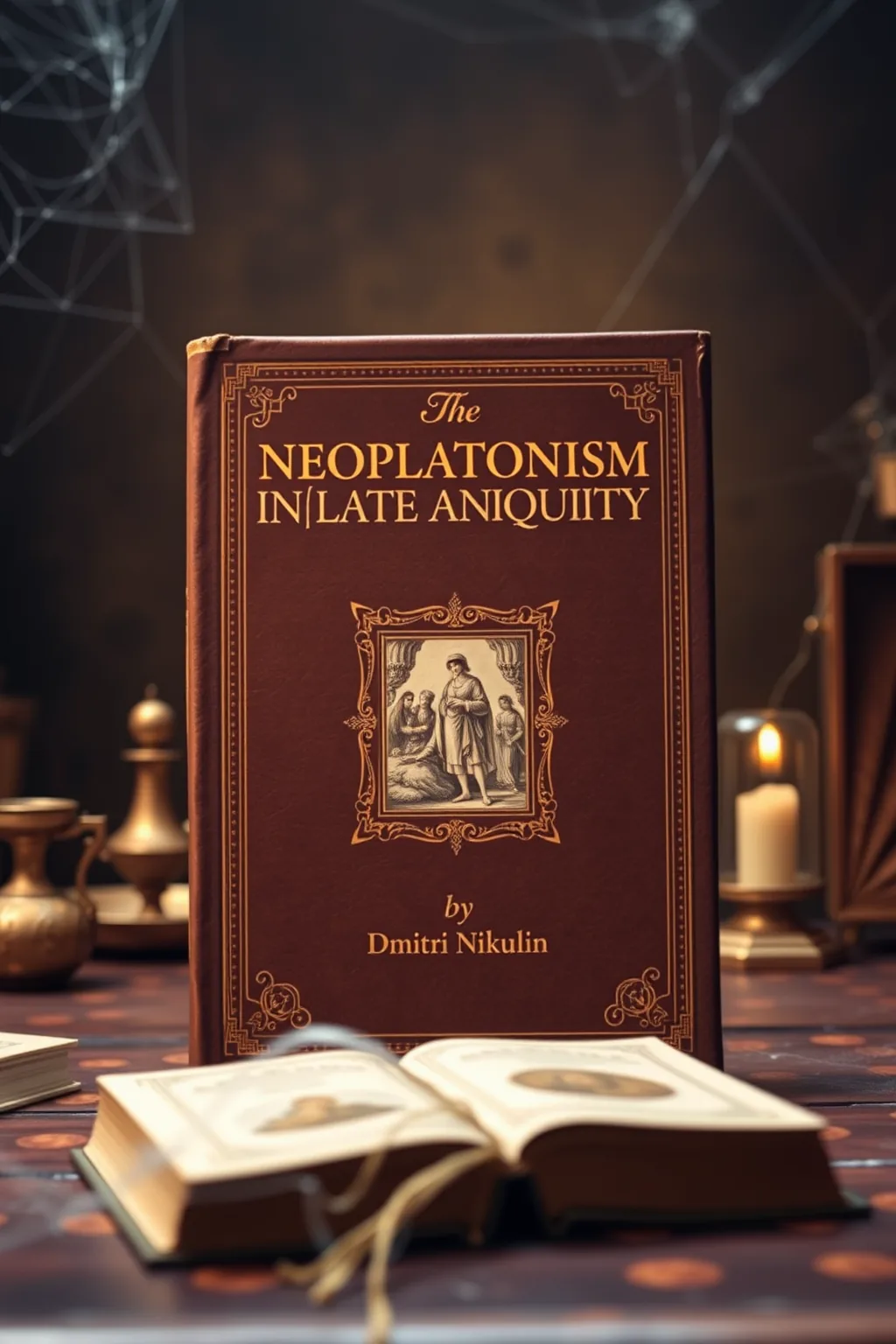
Neoplatonism in Late Antiquity
 61
61

Neoplatonism in Late Antiquity


In 'Neoplatonism in Late Antiquity,' Dmitri Nikulin masterfully navigates the intricate web of Neoplatonic thought, revealing the esoteric insights that have captivated scholars and spiritual seekers for centuries. This book is a treasure trove for those interested in the mystical dimensions of philosophy, offering a deep dive into the teachings of Plotinus and Proclus Lycius. Nikulin's work stands out for its clarity and depth, making it an indispensable resource for anyone exploring the Hermetic traditions. The intended audience includes both academic researchers and spiritual practitioners, making it a versatile addition to any esoteric library.
📝 Description
61
Dmitri Nikulin's 2012 book examines Neoplatonism's esoteric currents in late antiquity.
Dmitri Nikulin's 'Neoplatonism in Late Antiquity' analyzes the esoteric dimensions of this philosophical school during a period of significant cultural change. The book traces the development of Neoplatonic ideas through the writings of major figures like Plotinus and Proclus Lycius. It focuses on how their philosophies engaged with symbolic language and mystical interpretations of reality. Nikulin's work aims to illuminate the connections between the material and divine realms as understood by these thinkers. It presents Neoplatonism not merely as an intellectual system but as a practice that fostered spiritual insight. The text is suited for those interested in the philosophical roots of Western mysticism and esoteric traditions.
The book positions Neoplatonism within the context of late antique spiritual transitions. It highlights the tradition's emphasis on contemplative introspection and the pursuit of enlightenment. Readers encounter an examination of the philosophical arguments and mystical experiences that characterized the school. Nikulin's approach allows for an understanding of how these ideas influenced subsequent spiritual and philosophical movements. The work is for serious students of philosophy and esoteric thought seeking a detailed account of this influential school.
Neoplatonism formed a crucial bridge between ancient Greek philosophy and later esoteric traditions in the West. Its emphasis on hierarchical cosmology, divine emanations, and the possibility of mystical union with the ultimate principle (The One) deeply influenced Gnosticism, Hermeticism, and early Christian mysticism. The school's focus on purification of the soul through intellectual and ritualistic practices provided a framework for spiritual development that resonated for centuries. Nikulin's book places this tradition within late antiquity, a time when its ideas were actively debated and adapted, shaping the spiritual landscape before and during the early medieval period.
💡 Why Read This Book?
Read 'Neoplatonism in Late Antiquity' to unlock the hidden knowledge of Neoplatonic philosophy. This book is ideal for seekers, scholars, and practitioners who wish to delve into the mystical roots of Western thought. Dmitri Nikulin's insightful analysis provides a unique perspective on the esoteric teachings of Plotinus and Proclus Lycius, offering readers a deeper understanding of the spiritual journey.
⭐ Reader Reviews
Honest opinions from readers who have explored this book.
❓ Frequently Asked Questions
What is Neoplatonism?
Neoplatonism is a philosophical and spiritual movement that emerged in the 3rd century CE, building on the teachings of Plato. It emphasizes the oneness of the divine and the soul's ascent to divine union through contemplation and mystical experiences.
Who was Plotinus?
Plotinus was a pivotal figure in Neoplatonism, known for his Enneads, which explore the nature of the One, the soul, and the intelligible world. His teachings have profoundly influenced Western mysticism.
What is the significance of Proclus Lycius?
Proclus Lycius, also known as Diadochus, was a leading Neoplatonic philosopher who expanded on Plotinus' ideas, focusing on theurgy and the relationship between the divine and the material world.
How does this book differ from other works on Neoplatonism?
'Neoplatonism in Late Antiquity' by Dmitri Nikulin offers a comprehensive and esoteric exploration of Neoplatonic thought, focusing on its mystical and symbolic dimensions. It is unique in its depth and clarity, making it accessible to both scholars and spiritual seekers.
Is this book suitable for beginners?
While 'Neoplatonism in Late Antiquity' is rich in esoteric content, it is written in a way that makes it accessible to beginners with an interest in mystical philosophy. However, prior knowledge of Neoplatonic thought can enhance the reading experience.
🔮 Key Themes & Symbolism
Divine Union
The quest for divine union is a central theme in Neoplatonism, where the soul seeks to reunite with the One through mystical experiences and contemplation. This theme explores the symbolic journey of the soul's ascent to the divine.
Symbolic Language
Neoplatonic thought is rich in symbolism, using allegorical and metaphorical language to convey hidden knowledge. This theme explores the esoteric symbols and their meanings, offering readers a deeper understanding of the mystical dimensions of Neoplatonic philosophy.
Theurgy and Spiritual Practice
Theurgy, or the practice of divine works, is a key aspect of Neoplatonism. This theme examines the spiritual practices and rituals that Neoplatonic philosophers employed to achieve spiritual enlightenment and union with the divine.
💬 Memorable Quotes
Direct passages from the work, attributed to the author.
“Symbolism is the language of the divine.”
— Neoplatonic thought uses symbolism to convey hidden knowledge, making it a language of the divine that requires esoteric interpretation.
“The One is the source of all existence.”
— The One is the ultimate reality in Neoplatonism, from which all things emanate and to which the soul seeks to return.
💡 Key Ideas
Editorial paraphrase of the work's core concepts — not direct quotes.
The soul's journey is a mystical ascent to the divine.
This quote highlights the core belief in Neoplatonism that the soul seeks union with the One through spiritual practices and contemplation.
Theurgy is the path to divine union.
This quote emphasizes the importance of spiritual practices and rituals in achieving union with the divine in Neoplatonism.
Contemplation is the key to spiritual enlightenment.
This quote underscores the role of contemplation in Neoplatonic thought, where the mind seeks to understand the divine through deep reflection.
🌙 Esoteric Significance
Tradition
This book belongs to the Hermetic tradition, which emphasizes the mystical and esoteric dimensions of philosophy. Neoplatonism, with its focus on the soul's ascent to the divine, is a core part of Western mysticism.
Symbolism
Key symbols in Neoplatonism include the One, the soul, and the intelligible world. These symbols represent the esoteric journey of the soul's ascent to divine union through contemplation and mystical experiences.
Modern Relevance
Neoplatonism continues to influence modern spiritual practices and philosophical thought. Contemporary practitioners and scholars study these teachings to deepen their understanding of the mystical dimensions of Western philosophy.
👥 Who Should Read This Book
Beginners interested in mystical philosophy will find 'Neoplatonism in Late Antiquity' an accessible and enlightening read. Scholars of Neoplatonic thought will appreciate the depth and clarity of Dmitri Nikulin's analysis. Spiritual seekers will be drawn to the esoteric insights and symbolic language that permeate the book. Practitioners of theurgy and spiritual rituals will find valuable guidance in the teachings of Plotinus and Proclus Lycius.
📜 Historical Context
The era of late antiquity, spanning from the 3rd to the 6th century CE, was a time of spiritual and intellectual transition. Neoplatonism emerged as a response to the philosophical and religious turmoil of the time, offering a mystical path to divine union. 'Neoplatonism in Late Antiquity' by Dmitri Nikulin provides a comprehensive overview of this period, highlighting the influence of key figures like Plotinus and Proclus Lycius. Their teachings shaped the spiritual range of the time and continue to resonate with modern seekers and scholars.
📔 Journal Prompts
Reflect on the concept of divine union and its significance in your spiritual journey.
Explore the symbolism in Neoplatonic thought and how it speaks to your own experiences.
Consider the role of contemplation in achieving spiritual enlightenment.
Write about the influence of Neoplatonism on your understanding of the mystical dimensions of philosophy.
Contemplate the practices of theurgy and their relevance in modern spiritual practices.
🗂️ Glossary
The One
The ultimate reality in Neoplatonism, from which all things emanate and to which the soul seeks to return.
Theurgy
The practice of divine works, aimed at achieving spiritual enlightenment and union with the divine.
Intelligible World
The area of pure intellect and divine ideas in Neoplatonic thought.
Divine Union
The mystical experience of the soul's reunion with the One through spiritual practices and contemplation.
Symbolism
The use of allegorical and metaphorical language to convey hidden knowledge in Neoplatonic philosophy.
This book appears in 3 collections
🔮 Readers Also Liked
Browse all →







From the “Neoplatonism” Collection
View all →







More Free Alchemy & Hermeticism Books
View all →