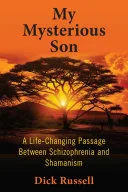
My Mysterious Son
 73
73

My Mysterious Son
Dick Russell’s "My Mysterious Son" presents a father’s raw account of watching his son, Franklin, battle schizophrenia. Russell avoids easy platitudes, instead offering a stark portrayal of dashed expectations and the relentless nature of the illness, particularly Franklin’s periods of delusion and estrangement. The strength of the book lies in its unflinching honesty; Russell doesn't shy away from the pain, the frustration, or the moments of profound disconnect. A limitation, however, is the narrative's intense focus on the father's perspective, which at times overshadows a deeper exploration of Franklin's internal world, understandable given the subject but leaving the reader wishing for more direct glimpses into Franklin’s experience. The passage describing Franklin's denial of his father in 2011, for instance, is gut-wrenching but leaves the reader contemplating Franklin's reality. Ultimately, this is a difficult but valuable memoir for its unvarnished depiction of paternal love enduring through immense suffering.
📝 Description
73
Dick Russell chronicled his son Franklin's schizophrenia in 'My Mysterious Son'.
Dick Russell's 'My Mysterious Son' details his struggle with his son Franklin's schizophrenia. Franklin was diagnosed at seventeen, and the book recounts his subsequent battles with mental illness, including hospital stays and periods where he did not recognize his father. Russell presents an open account of the emotional and practical burdens such a condition places on a family, especially a father facing altered expectations for his son's future. This work is for those seeking honest, non-sensationalized portrayals of severe mental illness. It will resonate with family members facing similar circumstances, mental health professionals studying long-term schizophrenia, and readers who value memoirs that address difficult truths with candor and a persistent, though tested, paternal affection. It is not a medical text but a personal reflection.
The book touches on the changing approaches to mental healthcare and public understanding of schizophrenia from the late 20th century into the early 21st. Russell's account reflects the challenges families encountered in obtaining steady, effective treatment. This often involved repeated hospitalizations and a lack of coordinated community support, a common situation after efforts to deinstitutionalize mental health facilities.
While primarily a memoir of mental illness, 'My Mysterious Son' touches on esoteric themes through its examination of the fractured self and the limits of materialist explanations for profound psychological distress. Russell's experience with his son's condition, particularly the moments of altered perception and disconnected identity, can be seen as a confrontation with states of being that defy conventional understanding. The book implicitly questions the nature of consciousness and the deep familial bond that persists even when conventional forms of connection are disrupted, hinting at less tangible forces at play in human experience.
💡 Why Read This Book?
• Gain insight into the long-term, day-to-day realities of caring for a son with schizophrenia, understanding the emotional labor involved beyond initial diagnoses, as detailed through Russell's experiences leading up to 2011. • Appreciate a father's unfiltered perspective on altered life expectations, learning how hope is reshaped rather than extinguished, exemplified by Russell's unwavering commitment despite Franklin’s struggles. • Confront the complexities of mental illness within family dynamics, recognizing the unique challenges faced when a loved one experiences profound identity shifts and hospitalizations.
⭐ Reader Reviews
Honest opinions from readers who have explored this book.
❓ Frequently Asked Questions
What is the primary focus of Dick Russell's book "My Mysterious Son"?
The book centers on Dick Russell's personal struggle and observations as a father coping with his son Franklin's lifelong battle with schizophrenia, detailing the challenges from diagnosis through adulthood.
When was Franklin diagnosed with schizophrenia in the book?
Franklin was diagnosed with schizophrenia at the age of seventeen, as detailed in the narrative which follows his life into his thirties.
Does the book offer solutions for treating schizophrenia?
No, "My Mysterious Son" is a personal memoir and does not offer clinical solutions or treatment advice. It focuses on the lived experience and emotional impact of the illness on a family.
What is the author's relationship to the subject?
The author, Dick Russell, is the father of Franklin, the son whose struggle with schizophrenia is chronicled throughout the book.
What time period does the book primarily cover?
The book covers a significant portion of Franklin's life, starting from his diagnosis at seventeen and detailing events and challenges up to the fall of 2011 when he was thirty-two.
Is "My Mysterious Son" a scientific or a personal account?
It is a deeply personal memoir. While it touches upon the realities of schizophrenia, it is written from the perspective of a father's emotional and familial experience, not as a clinical or scientific study.
🔮 Key Themes & Symbolism
Paternal Love Amidst Illness
The core of "My Mysterious Son" is Dick Russell's enduring love for his son, Franklin, tested severely by schizophrenia. The work explores how paternal devotion persists through Franklin's hospitalizations, periods of denial, and the erosion of expected life milestones. Russell grapples with the concept of 'normalcy' and redefines his hopes, demonstrating a father's commitment that transcends the illness's devastating impact and the dashed dreams of a typical father-son relationship.
Identity Fragmentation
Schizophrenia's effect on identity is a crucial theme. Franklin, described as handsome, intelligent, and sensitive, experiences profound shifts, even denying his father's identity at times. This fragmentation highlights the illness's power to distort one's sense of self and relationships. Russell's narrative implicitly questions the stability of identity when confronted with severe mental disturbance, observing how the son he knew becomes increasingly elusive.
The Burden of Caregiving
This memoir unflinchingly portrays the immense burden carried by caregivers. Dick Russell details the emotional exhaustion, the constant worry, and the practical challenges of reading through the mental healthcare system for his son. The book illustrates the long-term commitment required, the grief over lost potential, and the resilience needed to continue supporting a child through decades of severe mental illness, particularly in the context of evolving but often inadequate support structures.
Redefining Hope
Faced with Franklin's severe and persistent schizophrenia, Dick Russell confronts the diminishment of conventional hopes for his son's future. The book chronicles a process of re-evaluation, where hope is not abandoned but transformed. It shifts from aspirations of a 'normal' life to a deeper, more resilient hope focused on Franklin's well-being, his moments of lucidity, and the enduring bond between father and son, regardless of the illness's severity.
💬 Memorable Quotes
Direct passages from the work, attributed to the author.
“What does a father do when hope is gone that his only son can ever lead anything close to a 'normal' life?”
— This question captures the central dilemma of the book. It points to the profound grief and existential crisis experienced by parents when their child's future is irrevocably altered by severe illness, forcing a reevaluation of all prior expectations.
“At the age of seventeen, Franklin had been diagnosed with schizophrenia.”
— This factual statement marks the central moment in the family's life. It signifies the onset of a lifelong struggle, setting the stage for the subsequent narrative of challenges, hospitalizations, and the father's enduring quest for understanding and support.
“For years he spent time in and out of various hospitals, and even went through periods of adamantly denying that Dick was actually his father.”
— This describes the volatile and disorienting nature of schizophrenia's impact on relationships and reality perception. It highlights the deep emotional wounds inflicted when a child loses recognition of their parent, a core element of familial bonds.
“A mixed-race child, Franklin was handsome, intelligent, and sensitive”
— This description serves as a poignant reminder of the potential lost to illness. It contrasts the vibrant, promising individual Franklin was with the debilitating effects of schizophrenia, underscoring the tragedy of the condition.
“That’s the question that haunted Dick Russell in the fall of 2011, when his son, Franklin, was thirty-two.”
— This sets the temporal and emotional frame for the narrative. It emphasizes the long duration of the struggle and the persistent, unresolved nature of the father's anxieties regarding his son's quality of life.
🌙 Esoteric Significance
Tradition
While not explicitly rooted in a specific esoteric tradition like Hermeticism or Kabbalah, "My Mysterious Son" engages with themes that resonate within esoteric thought, particularly concerning the nature of consciousness, identity, and suffering. It touches upon the idea of the "higher self" versus the "lower self" or the "shadow," exploring how severe mental illness can obscure or fragment the individual's essential being. The work’s focus on the father’s spiritual endurance and the search for meaning in profound adversity aligns with existential inquiries found in various mystical philosophies.
Symbolism
The recurring motif of Franklin's denial of his father can be interpreted esoterically as a symbol of the soul's estrangement from its divine origin or from fundamental truths due to the veil of illusion (Maya) or psychic disturbance. Franklin's "mysteriousness" itself symbolizes the unknowable depths of the human psyche and the challenges of truly knowing another, even a son. The hospital settings, while mundane, can also symbolize states of psychic confinement or purgatorial experiences, from which the soul (or individual) must find a way to emerge.
Modern Relevance
In contemporary discussions around mental health, consciousness studies, and the limitations of purely materialist explanations for psychological distress, Russell's memoir offers a humanistic counterpoint. It speaks to the need for compassionate, holistic approaches that integrate psychological, social, and perhaps even spiritual dimensions of healing. Thinkers and practitioners exploring the intersection of trauma, consciousness, and embodiment might find resonance in the book's depiction of a life profoundly shaped by internal and external struggles, underscoring the persistent mystery of the human mind.
👥 Who Should Read This Book
• Family members supporting loved ones with schizophrenia, seeking validation and a relatable account of long-term caregiving challenges. • Students of memoir and personal narrative, interested in powerful, unflinching portrayals of family life under extreme duress. • Individuals exploring the philosophical and emotional dimensions of severe mental illness, looking for a deeply personal perspective beyond clinical descriptions.
📜 Historical Context
Published in 2018, "My Mysterious Son" reflects on decades of evolving, yet often inadequate, approaches to mental healthcare in the United States. Russell’s narrative spans a period marked by deinstitutionalization efforts, which, while intended to provide community-based care, often resulted in fragmented support systems and increased burdens on families. The late 20th and early 21st centuries saw continued debate over the efficacy of psychiatric treatments, with ongoing challenges in accessing consistent and compassionate care for severe conditions like schizophrenia. Contemporary thinkers like E. Fuller Torrey, who has extensively written on schizophrenia and institutionalization, highlight the persistent systemic failures Russell’s account implicitly critiques. The book’s reception would have occurred in an era where memoirs addressing mental illness gained prominence, though often focusing on less chronic conditions, making Russell’s long-term, deeply personal account a significant contribution to the discourse.
📔 Journal Prompts
Franklin's periods of denying his father, as described in the text.
The father's evolving definition of hope from 2011 onwards.
Moments of connection or lucidity experienced by Franklin.
The emotional weight of repeated hospitalizations for Franklin.
Dick Russell's internal dialogue regarding his son's 'normal' future.
🗂️ Glossary
Schizophrenia
A severe and chronic mental disorder characterized by disruptions in thought processes, perceptions, emotional responsiveness, and social interactions. Symptoms can include delusions, hallucinations, disorganized speech, and diminished emotional expression.
Deinstitutionalization
A policy shift, particularly prominent in the late 20th century, aimed at closing large psychiatric hospitals and moving patients into community-based care settings. Often resulted in fragmented support and increased family burden.
Delusions
A fixed, false belief that is resistant to reason or confrontation with actual fact. In schizophrenia, delusions can involve paranoia, grandiose ideas, or false beliefs about one's identity or relationships.
Hallucinations
Sensory experiences that appear real but are created by the mind. In schizophrenia, these are most often auditory (hearing voices) but can involve any sense.
Paternal Love
The deep affection, care, and protective instinct of a father towards his child. In the context of this book, it is tested and redefined by the profound challenges of a child's severe mental illness.
Identity Fragmentation
A disruption or breakdown in the sense of self, where an individual may feel disconnected from their thoughts, feelings, body, or actions, or experience a fractured sense of personal history and continuity.
Caregiver Burden
The physical, emotional, social, and financial toll experienced by individuals who provide care for someone with a chronic illness or disability.