My Magnum Opus
 81
81

My Magnum Opus
Meg Collins’s *My Magnum Opus* presents a sincere, if occasionally earnest, collection of verse spanning a decade of personal reflection. The title's Latin translation, “Great Work,” sets a high bar, and while the poetry doesn’t always reach those lofty, alchemical heights, it offers moments of genuine warmth and encouragement. Collins’s strength lies in her direct address to the reader, inviting them into a space of shared aspiration. A passage that speaks to finding joy in the act of writing itself, juxtaposed with her identity as a mother, provides a clear window into her values. However, the collection sometimes leans towards platitudes, particularly in its exhortations for self-belief, which could benefit from more nuanced exploration. The poems often feel like personal affirmations rather than deeply sculpted artistic statements. Despite these limitations, *My Magnum Opus* succeeds as a heartfelt offering from a dedicated writer to her audience.
📝 Description
81
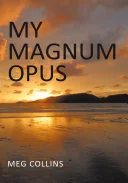
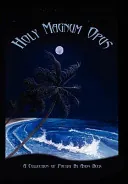
Meg Collins published "My Magnum Opus," a collection of her poetry, in June 2010.
Published in June 2010, Meg Collins's "My Magnum Opus" collects poetry written over a decade. The title, Latin for "Great Work," signals Collins's intent to present a significant body of her creative output. She frames this collection not just as an artistic endeavor but as a deeply personal expression of joy, aspiration, and her role as a mother. The book aims for spiritual and soulful engagement, inviting readers into contemplative and introspective themes. Collins encourages readers to embrace the poems, stimulate their minds, and discover inspiration for personal growth and self-belief, appealing to those who value creation and personal achievement.
This work emerged in 2010, a time when digital platforms were changing poetry distribution, yet its physical release emphasizes a traditional connection to the written word. Collins's focus on personal achievement and self-empowerment through writing mirrors broader early 21st-century cultural trends that celebrated individual resilience and creative pursuits. The explicit mention of a decade of writing highlights her sustained dedication to her craft. The central concept of the "Magnum Opus" serves as a metaphor for personal accomplishment and spiritual development. Collins views writing as a source of profound joy and a means of self-realization, fostering faith in one's potential to achieve aspirations.
While not explicitly a text within a specific esoteric tradition, "My Magnum Opus" engages with themes common in esoteric thought, particularly alchemy and personal transformation. The very title references the alchemical concept of the "Great Work," the process of transmutation and spiritual perfection. Collins uses this metaphor to describe her decade of writing and personal growth. The book's emphasis on self-realization, intrinsic connection to one's potential, and faith in achieving aspirations aligns with the inner work characteristic of many esoteric paths. It suggests a personal journey toward wholeness and the manifestation of one's highest self, communicated through poetic expression.
💡 Why Read This Book?
• Gain inspiration for personal achievement by engaging with Collins’s decade-long dedication to writing, as detailed in the description of *My Magnum Opus*. • Explore the concept of the "Magnum Opus" as a personal "great work" through poetic expression, understanding its connection to spiritual and soulful fulfillment. • Cultivate self-belief through poetry that encourages readers to challenge their minds and embrace their potential, as articulated in the book’s original blurb.
⭐ Reader Reviews
Honest opinions from readers who have explored this book.
❓ Frequently Asked Questions
What is the meaning of "Magnum Opus" as used in the book title?
The title "My Magnum Opus" directly translates from Latin to "Great Work." In the context of Meg Collins's poetry collection, it signifies a major personal achievement and a culmination of a decade of dedicated writing.
When was Meg Collins's poetry collection first published?
Meg Collins's poetry collection, *My Magnum Opus*, was first published on June 25, 2010. This date marks the public release of her decade-long creative endeavor.
What is the primary theme Meg Collins explores in her poetry?
The primary theme is personal achievement and self-realization, framed through the lens of her "Magnum Opus" or "Great Work." Collins emphasizes writing as a source of joy and a means to inspire faith in one's potential.
Who is the author of My Magnum Opus?
The author of *My Magnum Opus* is Meg Collins. She is presented as a devoted mother and a dedicated writer whose joy in her craft is a central theme of the collection.
What kind of experience can readers expect from My Magnum Opus?
Readers can expect a soulful and spiritually engaging experience. Collins hopes her poetry will be enjoyable to the spirit and soul, challenging the mind and encouraging self-belief and intrinsic action.
What does the book encourage readers to do?
The book encourages readers to embrace the poetry, challenge their minds, and take intrinsic action. It promotes having faith in oneself to achieve any desired goal or potential.
🔮 Key Themes & Symbolism
The "Great Work" as Personal Achievement
The core of *My Main work* is the concept of the "Main work," or "Great Work," as a personal journey of creation and self-realization. Meg Collins applies this alchemical term to her decade-long commitment to writing poetry. This theme posits that significant personal endeavors, particularly creative ones, are akin to profound spiritual or transformative processes. The collection serves as evidence of her own "Great Work," intended to inspire readers to recognize and pursue their own major life achievements with dedication and faith.
Writing as Spiritual Joy
Meg Collins frames writing not merely as a hobby or profession, but as a source of profound joy that nourishes the spirit and soul. This perspective elevates the act of creation to a spiritual practice. The book suggests that engaging in creative expression can lead to a deeper sense of fulfillment and connection with oneself. By sharing her personal joy in writing, Collins invites readers to find similar sources of spiritual sustenance in their own lives, regardless of their chosen path.
Inspiration and Self-Belief
A significant theme is the cultivation of intrinsic motivation and unwavering self-belief. *My Main work* encourages readers to embrace challenges, both mental and spiritual, presented by the poetry. The underlying message is one of empowerment: that individuals possess the capacity to achieve anything they set their minds to. This aspect of the work acts as a call to action, urging readers to have faith in their own potential and to actively pursue their aspirations, finding strength within themselves.
The Interplay of Motherhood and Artistry
Collins highlights the dual roles of "devoted Mother" and "dedicated writer," presenting them not as conflicting but as complementary facets of her identity. This juxtaposition suggests a holistic approach to life, where personal responsibilities and creative passions can coexist and even enrich one another. The "Great Work" encompasses both her familial devotion and her artistic output, demonstrating that significant achievements can span multiple domains of life, fostering a balanced and fulfilling existence.
💬 Memorable Quotes
Direct passages from the work, attributed to the author.
“Writing is my one of my greatest joys in my life.”
— This statement reveals the author's deep personal connection to her craft. It frames writing not just as an activity but as a fundamental source of happiness and spiritual sustenance, suggesting its importance in her overall well-being.
“Embrace it, challenge your mind, and with it, do something intrinsic.”
— This is a direct call to action, urging readers to engage actively with the poetry. It promotes introspection, intellectual stimulation, and the pursuit of self-motivated actions, linking the reading experience to personal growth.
“Have faith in yourself that you can do and be anything you want to be.”
— This expresses a core message of empowerment and boundless potential. It encourages a strong sense of self-efficacy, suggesting that belief in oneself is the primary catalyst for achieving any aspiration.
“I hope that you will find my work enjoyable to your spirit and your soul.”
— This expresses the author's intention for her poetry to have a profound, uplifting effect on the reader's inner life. It signifies a desire for her work to offer spiritual nourishment and deep personal connection.
💡 Key Ideas
Editorial paraphrase of the work's core concepts — not direct quotes.
My Main work which in Latin means, “Great work,” is a collection of my poetry.
This quote defines the central concept of the book, linking the grand title to the specific content – a collection of poetry. It frames the author's life's work in verse as a significant personal accomplishment.
🌙 Esoteric Significance
Tradition
While not explicitly tied to a singular esoteric lineage, *My Main work* draws heavily on the concept of the "Main work," a term central to Western Hermeticism and alchemy. This tradition views the "Great Work" as a process of spiritual purification, transformation, and the attainment of higher consciousness or enlightenment. Collins reinterprets this grand alchemical goal as a personal creative achievement, particularly through writing. Her work fits within a broader modern esoteric trend that secularizes or personalizes ancient spiritual concepts, making them applicable to everyday life and individual pursuits.
Symbolism
The most prominent symbol is the "Main work" itself, representing not just the completed work but the arduous, transformative journey of creation. The act of writing poetry functions as a symbolic alchemical process, where raw thoughts and emotions are transmuted into refined artistic expression. The concept of "faith in yourself" can be seen as a symbolic representation of inner gnosis or self-knowledge, the ultimate attainment in many esoteric paths, suggesting that true power and potential reside within the individual.
Modern Relevance
Collins's re-framing of the "Main work" as achievable through personal creative endeavors speaks to contemporary self-help and manifestation philosophies. Thinkers and practitioners in fields like positive psychology, creative coaching, and spiritual entrepreneurship often echo her themes of self-belief and realizing one's potential. Her work speaks to a modern audience seeking tangible, personal "great works" in their lives, whether through art, career, or personal development, finding inspiration in the idea that profound transformation can stem from dedicated, joyful creation.
👥 Who Should Read This Book
• Aspiring writers seeking encouragement to pursue their creative projects as significant personal achievements. • Individuals interested in the intersection of personal development and artistic expression, looking for inspiration to find joy in their "great work." • Readers exploring modern interpretations of esoteric concepts, particularly how terms like "Main work" can be applied to contemporary life and self-realization.
📜 Historical Context
Published in June 2010, *My Main work* arrived in a literary landscape increasingly dominated by digital publishing and online poetry communities. Meg Collins’s choice to present her work as a physical book, reflecting a decade of effort, can be seen as a nod to traditional literary values. The early 21st century was also marked by a cultural emphasis on self-help, personal development, and the celebration of individual creative expression. While not directly engaging with a specific philosophical movement, Collins’s focus on personal achievement and inner faith aligns with broader trends in positive psychology and mindfulness that gained traction in the 2000s. Unlike more avant-garde or experimental poetry movements of the time, her work appears rooted in accessible, inspirational themes, potentially drawing from the legacy of confessional poetry but with a more overtly aspirational bent. No specific contemporary authors are cited as influences or interlocutors within the provided blurb, suggesting a more solitary creative process.
📔 Journal Prompts
The "Main work" as a decade of poetry.
Finding spiritual joy in the act of writing.
Embracing challenges for intrinsic growth.
Cultivating faith in your own potential.
The balance between motherhood and artistry.
🗂️ Glossary
Main work
Latin for "Great Work." In alchemy and esoteric traditions, it refers to the process of creating the Philosopher's Stone or achieving spiritual transformation. Here, it's used by Meg Collins to signify her significant body of poetry written over ten years.
Intrinsic
Belonging naturally; essential. In the context of the book, it refers to actions or motivations that stem from within the individual, driven by personal satisfaction or purpose rather than external rewards.
Spirit and Soul
Terms referring to the non-physical essence of a person. Collins hopes her poetry will provide enjoyment and nourishment on these deeper, inner levels of being, beyond mere intellectual appreciation.
Challenge your mind
An invitation to engage with the poetry in a way that stimulates thought, encourages new perspectives, and potentially pushes intellectual boundaries, fostering mental growth.
Faith in yourself
A strong belief in one's own abilities, potential, and capacity to achieve goals. This is presented as a crucial element for personal accomplishment and self-realization.
Dedicated Writer
An individual who commits significant time, effort, and passion to the practice of writing. Collins uses this to define a core aspect of her identity and life's work.
Devoted Mother
A parent who shows great love, loyalty, and commitment to their children. Collins includes this role alongside her writing identity, suggesting a holistic view of personal achievement.
This book appears in 1 collection
🔮 Readers Also Liked
Browse all →






From the “Magnum Opus” Collection
View all →








More Free Sacred Texts & Gnosticism Books
View all →