Malleus Maleficarum
 81
81

Malleus Maleficarum
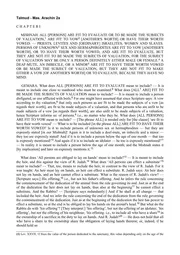
The Malleus Maleficarum is less a text to be engaged with for spiritual insight and more a historical artifact of immense, albeit grim, significance. Its purported authority in the 15th and 16th centuries is chillingly evident in its systematic cataloging of witchcraft accusations and prescribed punishments. The work's strength lies in its stark illustration of how theological dogma, legal procedure, and popular fear could coalesce into a devastating force. The passage describing the Devil's operations conflicting with God's work, while intended to assert divine supremacy, ironically underpins the text's justification for human intervention against perceived evil. However, its limitation is inherent: a complete absence of critical distance or empirical consideration, relying instead on scriptural interpretation and anecdotal evidence to condemn. The assertion that "the noblest works of creation, that is to say, man and beast, can be harmed and spoiled by the power of the devil" reveals a worldview ripe for persecution. Ultimately, it serves as a stark historical document, not a guide for esoteric practice.
📝 Description
81
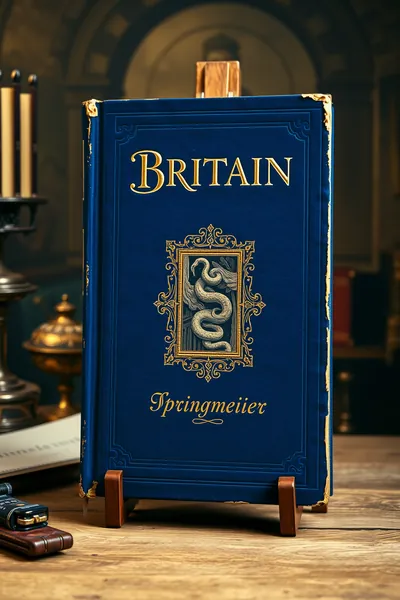
First published in 1487, the Malleus Maleficarum is a treatise on demonology and witchcraft.
Authored by Heinrich Kramer, known by the pseudonym Heinrich Institoris, this book served as a manual for identifying, prosecuting, and punishing those accused of witchcraft. The text systematically details the supposed nature of witches, their alleged pacts with the Devil, and the methods they supposedly employed. It constructs a theological argument for evil as a constant battle against divine power. The work is aimed at scholars of religious history, demonology, and legal history, especially those focused on the late medieval and early modern witch trials. Researchers interested in the connections between religious doctrine, societal fears, and legal practices will find it informative. It also speaks to individuals studying the development of occult beliefs and the historical construction of heresy, with its detailed classifications of demonic activity and arguments.
The Malleus Maleficarum was released in 1487 amid intense religious fervor and social unease across Europe. The late 15th century saw the consolidation of papal authority and the growing power of the Inquisition, an organization Kramer was connected to. The book was written within the Holy Roman Empire, drawing on contemporary theological discussions about heresy and demonic influence. Its appearance followed Pope Innocent VIII's 1484 papal bull, Summis desiderantes affectibus, which authorized Kramer and his colleague Jacob Sprenger to pursue witches.
The Malleus Maleficarum stands as a significant document within the history of Western esotericism, specifically concerning demonology and practices related to perceived witchcraft. While not a text of magical practice itself, it codified beliefs about the supernatural that influenced perceptions and actions for centuries. It represents a fusion of theological doctrine, juridical procedure, and folk beliefs about the Devil's influence. Its systematic approach to defining and combating perceived diabolical forces positioned it as an authoritative, albeit controversial, text in the discourse surrounding heresy and the supernatural during the late medieval period.
💡 Why Read This Book?
• Understand the historical roots of witch trials by examining the 1487 publication date and its influence on judicial practices in the Holy Roman Empire. • Analyze the theological arguments defining witchcraft as heresy, as detailed in the text's systematic classifications of demonic pacts and maleficium. • Grasp the methodology of persecution by studying the interrogation techniques and assumptions of guilt presented in the Malleus Maleficarum, crucial for historical legal studies.
⭐ Reader Reviews
Honest opinions from readers who have explored this book.
❓ Frequently Asked Questions
When was the Malleus Maleficarum first published and who wrote it?
The Malleus Maleficarum was first published in 1487 by Heinrich Kramer, who used the pseudonym Heinrich Institoris. It was co-authored with Jacob Sprenger, though Kramer is primarily credited with its compilation and publication.
What was the primary purpose of the Malleus Maleficarum?
Its primary purpose was to serve as a comprehensive handbook for identifying, prosecuting, and eradicating individuals accused of witchcraft. It provided theological justifications and practical guidance for inquisitors and secular judges.
What is the concept of 'maleficium' as described in the book?
Maleficium refers to the harmful magical acts attributed to witches, such as causing disease, death, crop failure, or other misfortunes. The Malleus Maleficarum extensively details how witches allegedly used their pacts with the Devil to perform maleficium.
How did the Malleus Maleficarum relate to the Inquisition?
The work was heavily influenced by and intended to support the activities of the Inquisition, particularly in its efforts to combat heresy and perceived demonic influence. Kramer's own role as an inquisitor informed the text's methods.
Was the Malleus Maleficarum widely accepted at the time of its publication?
While influential and widely circulated, its reception was not universally positive. Some contemporary scholars and legal figures questioned Kramer's methods and theological interpretations, though its impact on witch trials was undeniable.
What is the significance of the 1484 papal bull 'Summis desiderantes affectibus' in relation to this book?
Pope Innocent VIII issued the bull *Summis desiderantes affectibus* in 1484, which explicitly authorized Kramer and Sprenger to pursue and punish witches. This bull served as a crucial impetus for the creation and dissemination of the Malleus Maleficarum.
🔮 Key Themes & Symbolism
Theological Framework of Evil
The Malleus Maleficarum posits a constant cosmic struggle between divine power and the machinations of the Devil. It frames witchcraft not merely as criminal activity but as a profound heresy, a direct allegiance to Satan that opposes God's order. The work meticulously details how demonic operations are believed to manifest in the world, often through the actions of witches, yet it asserts the ultimate supremacy of divine works. This theological lens is foundational, shaping the text's entire approach to identifying and combating perceived evil, viewing it as a perversion of God's creation.
Witchcraft as Heresy
A central tenet of the Malleus Maleficarum is the classification of witchcraft as a severe heresy. It argues that witches, through their pacts with demons, renounce their faith and allegiance to God, thereby becoming enemies of the Church and Christendom. This categorization provided a theological justification for extreme measures, aligning witchcraft prosecution with the broader efforts against heresy. The text elaborates on various forms of these pacts, distinguishing between explicit and implicit agreements with the Devil, and detailing the supposed consequences for the soul and society.
Methodology of Persecution
Beyond theological pronouncements, the Malleus Maleficarum offers a practical, albeit deeply flawed, guide for the identification and prosecution of suspected witches. It details methods for interrogation, often assuming guilt and encouraging the use of torture to extract confessions. The work describes the signs by which witches can be recognized, their various alleged powers (maleficium), and the legal procedures to be followed. This systematic approach transformed fear and suspicion into a structured, institutionalized form of persecution that profoundly impacted European history.
The Devil's Influence
The entire framework of the Malleus Maleficarum revolves around the perceived pervasive influence of the Devil in the world. It presents Satan not as a distant entity but as an active agent who corrupts humanity and seeks to undermine divine order, primarily through the agency of witches. The text explores how the Devil tempts individuals, forms pacts, and grants powers for destructive purposes (maleficium). Understanding the Devil's role is presented as paramount to comprehending the nature and threat of witchcraft.
💬 Memorable Quotes
Direct passages from the work, attributed to the author.
“And the power of God is stronger than the power of the devil, so divine works are more true than demoniac operations.”
— This statement attempts to ground the treatise in theological certainty, asserting God's ultimate authority. It's used to frame the subsequent discussion on witchcraft, implying that while demonic influence is real, it is ultimately subordinate to divine will and susceptible to God's power.
“Whence inasmuch as evil is powerful in the world, then it must be the work of the devil always conflicting with the work of God.”
— This highlights the Manichean worldview presented in the Malleus. Evil's perceived prevalence is interpreted not as an absence of good but as active demonic opposition to God's plan, establishing a framework where every instance of misfortune could be attributed to Satan's direct intervention.
“Therefore as it is unlawful to hold that the devil's evil craft can apparently exceed the work of God, so it us unlawful to believe that the noblest works of creation, that is to say, man and beast, can be harmed and spoiled by the power of the devil.”
— This paradoxical assertion is key: while acknowledging the Devil's power to harm, it simultaneously insists that this harm cannot ultimately 'exceed' God's work. This is used to justify intervention, as the Devil's 'spoiling' of God's creation (man and beast) necessitates human action to eradicate its agents.
💡 Key Ideas
Editorial paraphrase of the work's core concepts — not direct quotes.
The work explores the nature of witches and their pacts with demons.
This paraphrased concept captures the book's focus on defining what constitutes a witch and the process by which they allegedly enter into agreements with demonic entities, a core element of its demonological analysis.
The text details methods for identifying and prosecuting individuals accused of witchcraft.
This summarizes the practical aspect of the Malleus Maleficarum, emphasizing its role as a procedural guide for inquisitors and legal authorities, outlining the steps considered necessary for 'ridding' society of supposed witches.
🌙 Esoteric Significance
Tradition
While not fitting neatly into established esoteric lineages like Hermeticism or Kabbalah, the Malleus Maleficarum engages with a theological tradition concerned with spiritual warfare and the nature of evil. It draws from Christian demonology and scholastic interpretations of scripture, framing its subject matter within a framework of divine and infernal hierarchies. Its 'esoteric' nature lies in its detailed, albeit fearful, exploration of hidden pacts and clandestine practices attributed to witches, treating them as secret knowledge threatening the established order.
Symbolism
The text is less rich in symbolic motifs and more focused on descriptive categorization. However, the Devil himself functions as a primary symbolic antagonist, representing absolute negation and opposition to the divine. The 'witch' becomes a symbol of corrupted humanity, a perversion of God's creation through illicit alliance. The concept of the 'pact' symbolizes a profound betrayal of faith and a willing embrace of destructive forces, representing the ultimate fall from grace within its theological narrative.
Modern Relevance
Modern occult practitioners and scholars of Western esotericism often engage with the Malleus Maleficarum not as a guide for practice, but as a critical historical document. It provides crucial context for understanding the historical persecution of marginalized groups and the psychological underpinnings of fear and accusation. Its influence can be seen in contemporary discussions of religious extremism, the social construction of deviance, and critical examinations of power structures within religious and legal institutions.
👥 Who Should Read This Book
• Scholars of religious history and demonology seeking to understand the historical context and impact of witch trials. • Researchers of legal history interested in the evolution of judicial procedures and the application of theological doctrine in law. • Students of Western esotericism and occult traditions examining historical perceptions of magic and its alleged practitioners.
📜 Historical Context
The Malleus Maleficarum, first published in 1487, emerged from a milieu shaped by late medieval religious anxieties and the consolidation of ecclesiastical power. Authored by Heinrich Kramer, an inquisitor for the Dominican Order, it followed Pope Innocent VIII's 1484 papal bull *Summis desiderantes affectibus*, which sanctioned the hunt for witches. This period saw a burgeoning intellectual interest in demonology, often intertwined with scholastic theology and the nascent study of natural philosophy, though the Malleus leaned heavily on theological interpretations rather than empirical observation. Kramer's work was both a product of and a catalyst for the escalating witch hunts across Europe. It garnered significant attention, being reprinted multiple times and translated into various languages, solidifying its place as a primary reference for witch trials for centuries. Its reception was not universally laudatory; some contemporaries, like Johannes Trithemius, expressed skepticism regarding its methods and conclusions, yet its influence on legal and religious authorities was profound.
📔 Journal Prompts
The theological framework of evil presented in the Malleus Maleficarum.
Witchcraft as heresy: analyze the text's definition and implications.
The Devil's influence as a central concept in the Malleus.
Critique the methodology of persecution detailed in the Malleus Maleficarum.
Reflect on the symbolic role of the 'witch' within the text's narrative.
🗂️ Glossary
Malleus Maleficarum
Latin for "Hammer of Witches," this is the title of the infamous 1487 treatise on demonology and the prosecution of witches.
Heinrich Institoris
The pseudonym used by Heinrich Kramer, the primary author of the Malleus Maleficarum. He was a German inquisitor and theologian.
Maleficium
Latin term referring to harmful magic or witchcraft, used by the authors to describe the destructive acts attributed to witches, such as causing illness or misfortune.
Heresy
In the context of the Malleus, witchcraft was classified as a severe form of heresy, involving a deliberate rejection of God and allegiance to the Devil.
Demoniac Operations
Refers to the alleged activities and influences of demons in the world, often seen as working through human agents (witches) to cause harm and oppose divine will.
Pact with the Devil
A central concept in the Malleus, describing the alleged agreement between a witch and Satan, involving renunciation of faith and often the granting of supernatural powers in exchange for service.
Summis desiderantes affectibus
A papal bull issued by Pope Innocent VIII in 1484, which authorized inquisitors like Heinrich Kramer to hunt and punish witches, providing a key impetus for the Malleus.