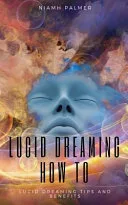
Lucid Dreaming How To
 72
72

Lucid Dreaming How To
Niamh Palmer's "Lucid Dreaming How To" attempts to demystify conscious dreaming for a pragmatic audience. The author correctly identifies a common stumbling block: the lack of a clear 'why' for aspiring lucid dreamers, a point that resonates throughout the early chapters. Palmer's explanation of dream journaling, while functional, could benefit from more evocative examples. The work falters slightly in its historical framing; it acknowledges the long human fascination with dreams but doesn't deeply engage with specific historical figures or movements beyond a general sense. A particularly strong section details the 'false awakening' technique, offering a concrete method for recognizing dream states. However, the book's reliance on business analogies feels a bit forced, suggesting a broader applicability than the core techniques might initially support. Palmer's direct, instructional tone is a strength, but it sometimes lacks the nuanced exploration found in more academic treatments of the subject. Overall, it's a practical primer, albeit one that could achieve greater depth.
📝 Description
72
Niamh Palmer's 2018 book explains how to achieve and control conscious dreaming states.
This guide presents lucid dreaming as a controllable state, not simply a phenomenon. It addresses common difficulties people encounter when trying to become aware within their dreams, covering everything from the basic purpose to practical methods.
Individuals aiming for greater control and personal development, especially those dealing with challenges in their careers or everyday lives, are identified as key readers. The book suggests that abilities developed in the dream state can directly lead to improvements in waking life, encouraging a stronger sense of personal agency.
Palmer places lucid dreaming within the history of human consciousness exploration. The desire to influence or understand dreams is not new, and the book traces this line of inquiry back before modern psychology and self-help trends.
This work connects to traditions that view dreams as more than random neurological events. It aligns with lineages that see altered states of consciousness, including dreaming, as pathways to deeper self-understanding and spiritual development. The practice of lucid dreaming echoes ancient techniques for exploring the mind's potential beyond ordinary waking awareness, suggesting a deliberate engagement with the subconscious and its symbolic language.
💡 Why Read This Book?
• Gain practical techniques for initiating and maintaining lucidity in dreams, directly referencing the 'dream sign' concept Palmer details, allowing for immediate application. • Develop enhanced self-awareness and problem-solving skills by applying waking-life strategies to dream scenarios, as suggested by the book's emphasis on 'control for your dreams and your life'. • Understand the historical and psychological underpinnings of dream control, drawing on the book's 2018 publication date to position it within contemporary discourse on consciousness.
⭐ Reader Reviews
Honest opinions from readers who have explored this book.
❓ Frequently Asked Questions
What are the common obstacles to achieving lucid dreams?
Palmer's "Lucid Dreaming How To" highlights issues like a lack of clear purpose, difficulty with dream journaling, and confusion about the nature of the dream state itself. Many struggle to grasp the fundamental concept before even attempting techniques.
How does lucid dreaming relate to business success?
The book suggests that the control and awareness cultivated in lucid dreaming can be transferred to waking life, improving decision-making, problem-solving, and overall effectiveness in professional and personal endeavors.
When was "Lucid Dreaming How To" first published?
Niamh Palmer's "Lucid Dreaming How To" was first published on July 12, 2018, placing it within the recent wave of accessible guides on consciousness exploration.
What is the role of dream journaling in lucid dreaming?
Dream journaling is presented as a foundational practice. It helps in recalling dream content, identifying personal dream signs, and reinforcing the intention to become lucid, which are crucial steps outlined in the guide.
Can anyone learn to lucid dream with this book?
The book is structured to be accessible to beginners, addressing common questions and struggles. Palmer focuses on practical, actionable steps rather than theoretical complexities, aiming to empower a broad audience.
What are the benefits of controlling your dreams?
Beyond the sheer novelty, controlling dreams can lead to personal growth, overcoming fears, practicing skills, and exploring subconscious landscapes. The book frames this control as a tool for enhancing waking life.
🔮 Key Themes & Symbolism
Conscious Dream Control
The core of Palmer's work is the concept of achieving and maintaining awareness within the dream state. This isn't about passive observation but active engagement, treating dreams as a malleable reality. The book details methods for recognizing the dream state, often by identifying inconsistencies or 'dream signs' that differ from waking reality. This focus on agency transforms dreams from random occurrences into a landscape for personal exploration and skill development, directly impacting one's sense of control over their inner world.
Bridging Dream and Waking Life
A significant theme is the transferability of skills and insights gained from lucid dreaming to waking life, particularly in areas like business and personal development. The author posits that the discipline, problem-solving, and creative thinking employed consciously in dreams can directly enhance performance and well-being outside of sleep. This practical application is central to the book's appeal, framing lucid dreaming not just as a spiritual or recreational pursuit but as a tool for tangible self-improvement and goal achievement.
Overcoming Common Obstacles
Palmer directly addresses the frequent frustrations encountered by aspiring lucid dreamers. These include a lack of understanding regarding the 'why' of dream exploration, difficulties in implementing consistent dream journaling, and general confusion about the subjective experience of dreaming. By systematically tackling these common questions and providing clear, actionable advice, the book aims to clarify the process and make lucid dreaming accessible to a wider audience.
Intentional Dream Exploration
The book encourages a deliberate and intentional approach to dream exploration. Rather than waiting for spontaneous lucidity, readers are guided through exercises and mental frameworks designed to cultivate the habit of awareness. This involves setting intentions before sleep, practicing reality checks during waking hours, and developing a keen observational sense regarding dream content. The emphasis is on consistent practice and a proactive mindset to unlock the potential of the dream world.
💬 Memorable Quotes
Direct passages from the work, attributed to the author.
“How to be in control for your dreams and your life!”
— This statement expresses the book's central promise: that mastering the dream state offers a pathway to greater agency and effectiveness in waking existence, linking inner exploration with outer achievement.
“People who struggle in business and life will find these things in common: They don't know why they need to explore this.”
— This highlights a core problem the book aims to solve, suggesting that a lack of clarity or purpose is a significant barrier for many, both in their waking endeavors and in their attempts to understand or control their dreams.
“They have no idea how to do journaling.”
— This points to a practical deficit the book intends to rectify. Journaling is presented not just as a record but as an active tool for developing dream recall and recognizing patterns, essential for achieving lucidity.
“They are struggling with common questions.”
— This acknowledges the frequent confusion and uncertainty individuals face when first encountering the concepts of lucid dreaming, implying the book will provide clear answers and guidance.
“You Need To Have A Look At Lucid Dreaming And It's Benefits For Your Life!”
— This is a direct call to action, emphasizing the tangible advantages of lucid dreaming beyond the purely experiential, positioning it as a valuable practice for overall life improvement.
🌙 Esoteric Significance
Tradition
While not explicitly tied to a single lineage like Hermeticism or Gnosticism, "Lucid Dreaming How To" draws from the broader esoteric tradition of consciousness exploration and inner work. It aligns with practices focused on altering and controlling subjective experience, a common thread in traditions that emphasize personal transformation and direct experience of non-ordinary reality. The book's pragmatic approach can be seen as a modern interpretation of ancient techniques for accessing deeper states of mind.
Symbolism
The primary 'symbol' explored is the dream itself, treated not as random imagery but as a potentially meaningful and controllable internal landscape. Concepts like 'dream signs' function symbolically, representing deviations from consensus reality that signal the dream state. The act of 'control' within the dream symbolizes the attainment of self-mastery and agency, a recurring motif in many esoteric systems where the inner world reflects and influences the outer.
Modern Relevance
Palmer's work speaks to contemporary trends in biohacking, mindfulness, and personal development, which increasingly explore the potential of the mind and altered states for practical benefit. Thinkers and practitioners in fields like neuroscience and psychology who investigate dream states, as well as the broader self-help community seeking tools for enhanced productivity and well-being, find value in its accessible approach to lucid dreaming techniques.
👥 Who Should Read This Book
• Aspiring practitioners seeking concrete, step-by-step methods for initiating lucid dreams, especially those who have found theoretical texts overwhelming. • Individuals interested in applying principles of self-control and awareness developed in dreams to improve their waking life performance and decision-making. • Those curious about the psychological and practical dimensions of consciousness exploration who want a guide published in the contemporary era (2018).
📜 Historical Context
Published in 2018, Niamh Palmer's "Lucid Dreaming How To" entered a field already populated by established works, from early pioneers like Marquis d'Hervey de Saint Denys (whose "Dreams and How to Guide Them" explored similar concepts in the 19th century) to more modern psychologists like Stephen LaBerge. The late 2010s saw a surge in popular interest in consciousness studies, mindfulness, and self-improvement techniques, making Palmer's accessible guide timely. While not engaging directly with academic debates, the book implicitly aligns with the cognitive and psychological approaches to lucid dreaming that gained prominence throughout the late 20th century, moving away from purely mystical interpretations. Its practical, business-oriented framing reflects a contemporary trend of seeking quantifiable benefits from esoteric practices, differentiating it from earlier, more philosophical or spiritual explorations of the dream state.
📔 Journal Prompts
Reflect on the 'dream signs' you might have encountered, linking them to your waking reality.
Consider the 'why' behind your desire to explore lucid dreaming, connecting it to life goals.
Analyze your current dream journaling habits, identifying areas for improvement based on the book's advice.
Explore the concept of 'control for your dreams and your life' in relation to a specific challenge.
Evaluate the common questions about lucid dreaming and articulate your own current understanding.
🗂️ Glossary
Lucid Dreaming
The state of being aware that one is dreaming while the dream is in progress, often allowing for conscious control over the dream narrative and environment.
Dream Signs
Inconsistencies or unusual elements within a dream that signal to the dreamer that they are not in waking reality, serving as triggers for lucidity.
Reality Checks
Actions performed during waking life, such as trying to push a finger through one's palm or checking a clock twice, to develop a habit that can carry over into dreams, triggering lucidity.
Dream Journaling
The practice of recording dreams immediately upon waking, crucial for improving dream recall, identifying personal dream signs, and reinforcing the intention to become lucid.
False Awakening
A common dream experience where the dreamer believes they have woken up, but are still dreaming. Recognizing this can be a powerful gateway to lucidity.
Control
In the context of lucid dreaming, refers to the ability to consciously influence the dream environment, narrative, or one's own actions within the dream.
Waking Life
Refers to the state of consciousness experienced when not dreaming; the book emphasizes the transfer of skills and insights from dream control to this state.