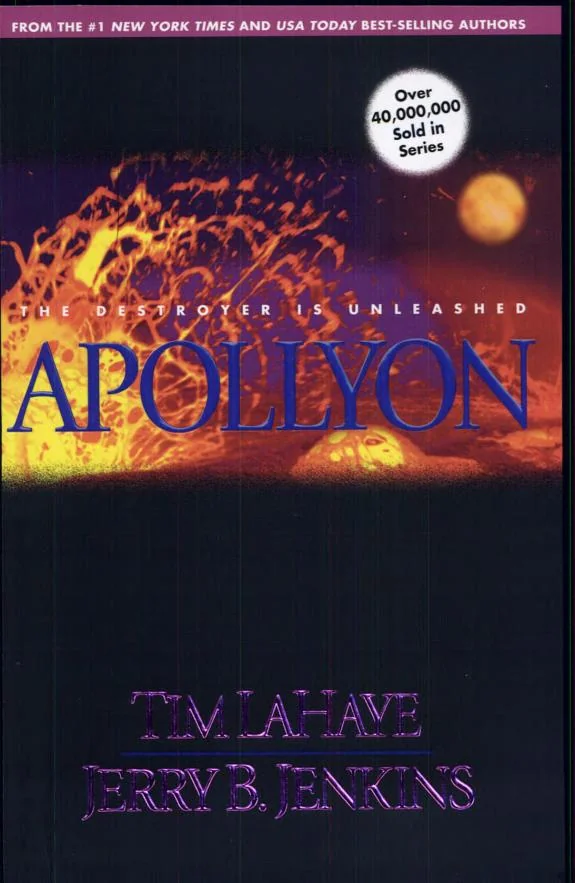
Apollyon
 76
76

Apollyon
Apollyon continues the "Left Behind" saga with relentless narrative momentum, but its theological underpinnings, while central to its appeal, remain a point of contention. The depiction of global events as a direct fulfillment of specific biblical prophecies, particularly concerning the Antichrist's rise and the Tribulation, is starkly presented. While the authors excel at crafting a compelling, albeit often bleak, narrative of escalating conflict and spiritual warfare, the novel's strength lies in its accessibility rather than its theological nuance. A limitation, however, is the tendency towards black-and-white characterizations, which, while serving the dramatic arc, can feel simplistic. The passage detailing the Antichrist’s consolidation of power through seemingly benevolent global policies before revealing his true tyrannical nature is particularly illustrative of the book's core thematic tension. It’s a gripping, if dogmatic, continuation of a prophetic vision.
📝 Description
76
Apollyon, published in 1999, details the rise of the Antichrist after the Rapture.
Apollyon, the second volume in Tim LaHaye and Jerry B. Jenkins's "Left Behind" series, was published in 1999. It chronicles escalating global events following the Rapture, focusing on the Tribulation period. The narrative introduces a charismatic global leader who consolidates power and initiates widespread persecution, all interpreted through a dispensationalist Christian lens.
The book is suited for readers already familiar with the "Left Behind" series or those interested in fictionalized accounts of end-times prophecy. It appeals to individuals seeking narratives that interpret current world events through a specific theological framework, particularly premillennial dispensationalism. Readers who appreciate apocalyptic fiction merging geopolitical intrigue with religious interpretation will find this volume of interest.
Published in 1999, Apollyon tapped into a cultural moment of millennial anticipation and renewed interest in eschatology. The "Left Behind" series offered a clear, dispensationalist interpretation of biblical prophecy to a mass audience, contrasting with more allegorical or historicist approaches. This approach presented a structured, sequential view of end-times events, positioning the Antichrist as a specific political figure fulfilling predetermined prophecy.
💡 Why Read This Book?
• Gain a concrete understanding of the dispensationalist interpretation of the Tribulation period, as detailed in the narrative's unfolding events following the 1999 publication. • Explore the characterization of the Antichrist as a political figure who manipulates global systems, offering a specific fictional example of end-times prophecy. • Feel the narrative tension of faith under duress, as characters navigate the persecution described within the context of the Tribulation timeline.
⭐ Reader Reviews
Honest opinions from readers who have explored this book.
❓ Frequently Asked Questions
What is the core prophecy Apollyon focuses on?
Apollyon primarily focuses on the biblical prophecies concerning the Tribulation period, detailing the rise of the Antichrist and the subsequent global upheaval as interpreted through dispensationalist theology.
Who are the main antagonistic forces in Apollyon?
The main antagonistic forces are the Antichrist, a charismatic global leader, and his false prophet, who together exert increasing control and initiate persecution against believers during the Tribulation.
How does Apollyon relate to the first book, Left Behind?
Apollyon is the second book in the series, directly following the events of the Rapture depicted in 'Left Behind'. It escalates the narrative by detailing the subsequent period of global crisis and the Antichrist's rise to power.
What theological perspective does Apollyon present?
The book presents a premillennial dispensationalist view of biblical prophecy, interpreting current and future events as direct fulfillments of specific scriptural passages concerning the end times.
When was Apollyon first published?
Apollyon was first published in 1999, aligning with a period of significant public interest in millennial prophecies and end-times scenarios.
What is the significance of the title 'Apollyon'?
The title 'Apollyon' refers to a figure mentioned in the Book of Revelation (Chapter 9), often interpreted as the angel of the bottomless pit or a destructive force associated with the Antichrist.
🔮 Key Themes & Symbolism
The Tribulation Unfolds
Apollyon vividly portrays the unfolding of the Tribulation, a period of intense global crisis and divine judgment prophesied in Christian eschatology. The narrative maps out a sequence of events, from geopolitical realignments to widespread suffering, as described in biblical texts like the Book of Revelation. This theme grounds the fictional narrative in a specific theological timeline, presenting a world grappling with cataclysmic events interpreted as divine wrath and the precursor to Christ's second coming.
Rise of the Antichrist
Central to Apollyon is the emergence and consolidation of power by the Antichrist. Presented as a charismatic global leader, he manipulates world affairs, offering solutions to crises while secretly orchestrating a tyrannical regime. This theme explores the seductive nature of false authority and the deception inherent in apocalyptic narratives, where apparent peace masks impending destruction and persecution for those who resist.
Spiritual Warfare and Persecution
The novel details the intense spiritual warfare faced by believers in the post-Rapture world. As the Antichrist tightens his grip, persecution intensifies, forcing characters to confront their faith under extreme duress. This theme highlights the conflict between divine truth and worldly power, emphasizing themes of martyrdom, unwavering faith, and the ultimate triumph of good over evil as foretold in prophecy.
The Role of the False Prophet
Complementing the Antichrist, the figure of the False Prophet plays a central role in deceiving the masses and enforcing the Antichrist's agenda. This theme explores the power of propaganda and religious manipulation in establishing a global false religion. The False Prophet's actions are depicted as instrumental in legitimizing the Antichrist's rule and turning populations against true believers, underscoring the dangers of spiritual deception.
💬 Memorable Quotes
Direct passages from the work, attributed to the author.
“The world desperately needed a savior. He was it.”
— This highlights the deceptive allure of the Antichrist, who presents himself as the solution to global problems, thereby gaining the trust and adoration of a desperate populace before revealing his true nature.
“They were told to worship the image, or die.”
— This reflects the extreme persecution faced by non-believers during the Tribulation, illustrating the forced adherence to the Antichrist's regime and the stark choice between submission and martyrdom.
“The Living Bible was now a target.”
— This signifies the shift from the initial Rapture event to the subsequent period of intense persecution, where those who chose faith after the Rapture become actively hunted by the Antichrist's forces.
“He held the world in his hand, and they bowed.”
— This interpretation speaks to the ultimate power and control the Antichrist seeks to establish, depicting a global submission to his authority, both political and spiritual, as prophesied.
💡 Key Ideas
Editorial paraphrase of the work's core concepts — not direct quotes.
Peace on earth was the promise, but war was the reality.
This quote expresses the core deception of the Antichrist's reign. He initially offers global peace and stability, masking his intention to establish a tyrannical dominion and initiate widespread conflict against those who oppose him.
🌙 Esoteric Significance
Tradition
While rooted in Christian dispensationalism, a specific Protestant theological framework, the narrative's depiction of a world-altering catastrophic event and the rise of a global authoritarian figure draws parallels with broader apocalyptic motifs found in various esoteric traditions, including some Gnostic and Zoroastrian mythologies that feature dualistic struggles between cosmic forces of good and evil.
Symbolism
The title 'Apollyon' itself is a potent symbol, referencing the 'angel of the bottomless pit' from Revelation 9, representing destruction and chaos. The Antichrist figure embodies the archetype of the false messiah or deceiver, a recurring motif in many esoteric traditions signifying a powerful, malevolent force that masquerades as benevolent. The 'image' the populace is forced to worship symbolizes idolatry and the ultimate rejection of divine truth.
Modern Relevance
Contemporary discussions surrounding global governance, the rise of charismatic political leaders, and the influence of media in shaping public opinion echo themes explored in Apollyon. While not directly esoteric, thinkers in fields like political theology and cultural critique analyze how narratives of apocalypse and salvation, whether religious or secular, continue to shape societal anxieties and aspirations, demonstrating a persistent fascination with end-times scenarios.
👥 Who Should Read This Book
• Readers interested in exploring fictional interpretations of biblical end-times prophecy, particularly those who resonate with dispensationalist theology and the "Left Behind" narrative. • Individuals seeking to understand the cultural impact and reception of apocalyptic literature published around the year 1999, a period of heightened millennial anticipation. • Those curious about how geopolitical events and charismatic leadership are fictionalized through the lens of specific religious eschatological frameworks.
📜 Historical Context
Published in 1999, Apollyon arrived at a cultural nexus point where anxieties about the millennium intersected with a robust market for religiously-themed fiction. The "Left Behind" series, particularly this second installment, tapped into a significant segment of Christian readership embracing dispensationalist eschatology, which interprets biblical prophecy as a literal, sequential unfolding of end-times events. This approach contrasted sharply with more historical or allegorical interpretations of Revelation prevalent in other theological traditions. The series’ phenomenal success, despite criticism from some theologians and secular critics for its perceived literalism and alarmist tone, demonstrated a powerful resonance with audiences seeking clear answers to complex questions about the future, positioning it as a major cultural phenomenon by the turn of the century. Contemporaries like Hal Lindsey had already paved the way for popular end-times literature, but LaHaye and Jenkins achieved unprecedented commercial reach.
📔 Journal Prompts
The Antichrist's initial global appeal, as depicted in Apollyon, prompts reflection on societal vulnerabilities to charismatic leadership.
Consider the pressures faced by characters identified as the 'Living Bible' and how faith is tested under extreme duress.
Reflect on the symbolic meaning of 'Apollyon' within the context of global chaos and deception presented in the book.
Analyze the role of the False Prophet in manipulating belief systems and enforcing the Antichrist's agenda.
Consider the narrative's portrayal of widespread persecution and its implications for individual conviction.
🗂️ Glossary
Tribulation
In dispensationalist theology, a future period of intense suffering, divine judgment, and persecution on Earth, lasting seven years, preceding Christ's second coming.
Antichrist
A figure prophesied in Christian eschatology to oppose Christ and deceive many during the end times, often depicted as a powerful political and spiritual leader.
Rapture
The event, central to dispensationalist belief, where believers are caught up to meet Christ in the air, preceding the Tribulation period.
False Prophet
A figure in biblical prophecy, often associated with the Antichrist, who performs deceptive signs and wonders to lead people astray and promote false worship.
Living Bible
A term used within the 'Left Behind' series to refer to individuals who become believers after the Rapture, facing subsequent persecution.
Dispensationalism
A theological system that interprets biblical history as divided into distinct periods or 'dispensations,' often emphasizing a literal understanding of biblical prophecy, especially concerning Israel and the end times.
Apollyon
A name from the Book of Revelation, meaning 'destroyer,' often identified with Satan or a powerful demonic entity leading destructive forces during the end times.
This book appears in 1 collection
🔮 Readers Also Liked
Browse all →









From the “End Times” Collection
View all →





More Free Occult Philosophy Books
View all →